
Platythyrea tenuis
- Wetenschappelijke naam
- Platythyrea tenuis
- Tribus
- Platythyreini
- Subfamilie
- Ponerinae
- Auteur
- Emery, 1899
- Verspreiding
- Gevonden in 0 landen
Introductie
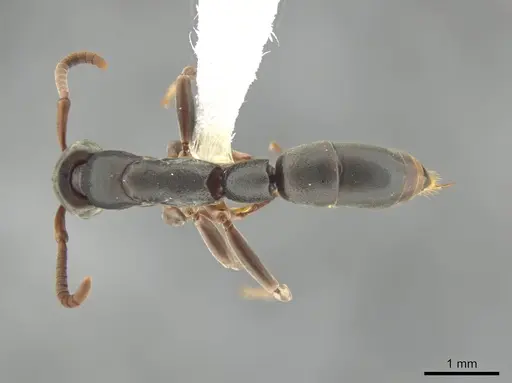
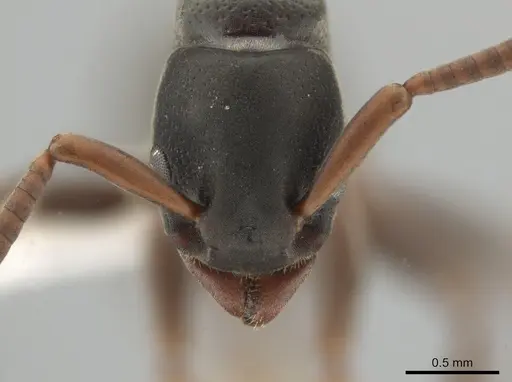
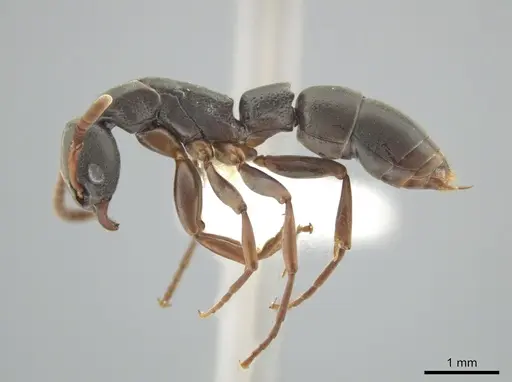
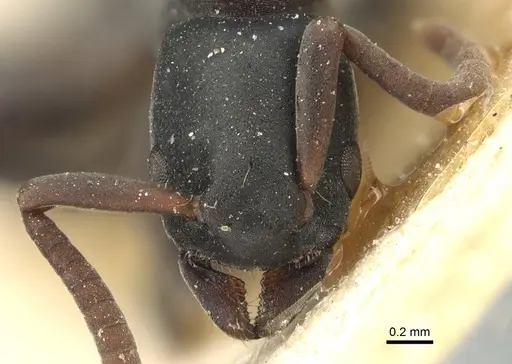
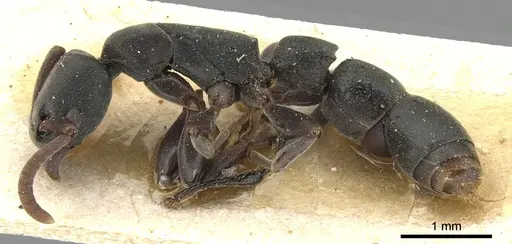
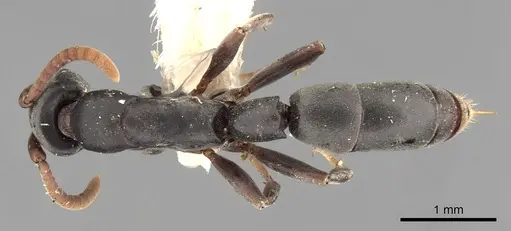
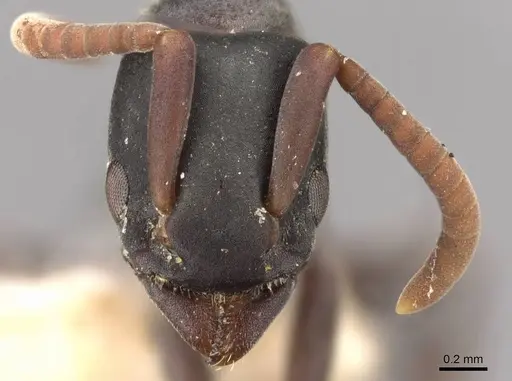
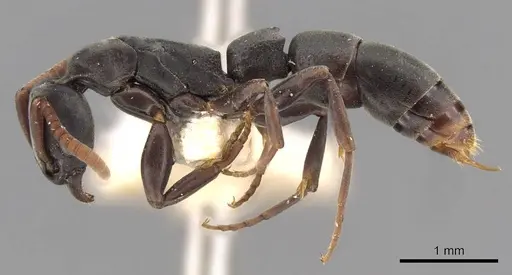
Platythyrea tenuis is a small Ponerine ant species native to the Afrotropical region, specifically documented in Cameroon and Uganda . Workers are modest in size, but exact body measurements are unavailable . The species belongs to the subfamily Ponerinae and was originally described by Emery in 1899 from Cameroon specimens . Little detailed biological information exists for this species, but it is known to occur in forested habitats and forest edge areas, with one documented occurrence in Banco National Park access roads in Côte d'Ivoire .
Quick Summary
- Difficulty: Medium
- Origin & Habitat: Afrotropical region, Cameroon and Uganda. Found in forested habitats and forest edge areas, with documented occurrence in Banco National Park, Côte d'Ivoire near natural access roads [2][1].
- Colony Type: Unconfirmed, colony structure is not specified in available research [1].
- Size & Growth:
- Queen: Size data unavailable [1].
- Worker: Size data unavailable [1].
- Colony: Unknown for this species [1][2].
- Growth: Moderate, inferred from typical Ponerine development patterns [1].
- Development: Estimated 6-10 weeks at tropical temperatures, based on typical Ponerine development [1]. (Direct development data unavailable for this species, estimates based on related genus behavior.)
- Antkeeping:
- Temperature: Keep warm, roughly 24-28°C, as a tropical species[1].
- Humidity: Keep nest substrate consistently moist but not waterlogged, as forest floor species prefer damp conditions[1].
- Diapause: No, as a tropical species they do not require a hibernation period [1].
- Nesting: In nature, likely nests in rotting wood, under bark, or in soil cavities on the forest floor. In captivity, use Y-tong (AAC) or plaster nests with moisture retention[1].
- Behavior: Ponerine ants are typically predatory and more defensive than many common ant genera. Workers have functional stingers and may use them when threatened. Handle with care to avoid stings [1].
- Common Issues: limited information makes specific care requirements uncertain, be prepared to adjust based on colony behavior, predatory diet means live prey is essential, failure to provide appropriate protein can stunt colony growth, Ponerines can be defensive and deliver painful stings, handle with care, tropical species may struggle if temperatures drop below 22°C, small colony sizes mean losses have bigger impact, avoid disturbing founding colonies
Understanding Your Ant
Platythyrea tenuis is a Ponerine ant, which means it belongs to a subfamily generally more primitive than common Myrmicinae or Formicinae ants. Ponerines are typically predatory with more developed stingers, and they tend to be more defensive when disturbed [1]. This species remains poorly studied, so much of what we know comes from observing related species in the genus. They are found in Central and East Africa in forested regions where they occupy forest floor microhabitats [1][2]. The genus Platythyrea is known for some unusual traits including potential ergatoid (wingless) queens in certain species, though this specific trait is unconfirmed for Platythyrea tenuis. Keepers should expect a more 'primitive' ant experience compared to Lasius or Camponotus, slower development, more secretive colonies, and more defensive workers.
Housing and Nesting
For this forest floor species, provide a nest that maintains humidity while allowing some ventilation. A Y-tong (AAC) nest or a plaster formicarium works well, both hold moisture effectively [1]. The nest should have chambers sized appropriately for a small Ponerine colony. Include a small outworld area for foraging and waste disposal. Since they are tropical, avoid any temperature drops below 22°C. A heating cable on one side of the nest can create a temperature gradient if your room temperature runs cool. Keep the nest substrate consistently moist by adding water to the reservoir or misting the nest material periodically. Avoid direct sunlight which can overheat and dry out the nest quickly.
Feeding and Diet
As Ponerine ants, Platythyrea tenuis is likely primarily predatory [1]. Offer small live prey such as fruit flies, small crickets, mealworms, or other appropriately-sized insects. Prey should be no larger than the ants themselves. Some Platythyrea species accept honey or sugar water, but predatory species often ignore sugar sources. Feed protein-rich prey 2-3 times per week, adjusting based on colony size and consumption. Remove uneaten prey after 24-48 hours to prevent mold. A constant water source should be available in the outworld.
Temperature and Seasonal Care
As a tropical African species, Platythyrea tenuis prefers warm conditions in the 24-28°C range [1]. This is warmer than room temperature for most homes, so you may need to provide supplemental heating. A low-wattage heating cable or heat mat placed on one side of the nest creates a gradient allowing the ants to self-regulate. Avoid temperatures above 32°C or below 20°C. Unlike temperate species, they do not require a diapause period [1]. However, activity may naturally slow during what would be the dry season in their range. Monitor your colony, if they become less active and you suspect temperature is too low, gradually increase heat.
Behavior and Handling
Ponerine ants are generally more defensive than many commonly kept genera. Workers have functional stingers and may use them when threatened [1]. The sting is reportedly painful though not dangerous to healthy humans. When working with this species, move slowly and avoid blowing on the ants or disturbing the nest excessively. Workers likely forage individually rather than in trails, hunting small prey items. Colonies tend to stay smaller than many Myrmicines, don't expect the massive worker forces you get from species like Lasius niger. Handle any escapes carefully due to the stinging capability. Use standard escape prevention (Fluon on edges) though these ants are not particularly small or known escape artists.
Frequently Asked Questions
How long does it take for Platythyrea tenuis to produce first workers?
The exact timeline is unconfirmed for this species, but based on typical Ponerine development, expect 6-10 weeks from egg to worker at optimal tropical temperatures (24-28°C) [1]. Development is generally slower than common Myrmicines like Tetramorium or Lasius.
What do Platythyrea tenuis ants eat?
They are likely predatory like other Ponerines [1]. Feed small live insects such as fruit flies, small crickets, or mealworms. Some Platythyrea species may accept honey or sugar water experimentally, but protein from prey should be the primary food source.
What temperature do Platythyrea tenuis need?
Keep them warm at 24-28°C [1]. They are tropical ants and do not tolerate cool temperatures well. Supplemental heating is usually necessary unless your room is consistently warm.
Are Platythyrea tenuis good for beginners?
This species is not ideal for complete beginners due to limited available care information and their more defensive nature compared to beginner-friendly species [1]. Some prior antkeeping experience is helpful. If you're experienced with Ponerines, this could be an interesting species to try.
How big do Platythyrea tenuis colonies get?
Colony size is unconfirmed for this species [1][2]. Based on typical Ponerine colonies, they are unlikely to reach massive sizes, but exact estimates are unavailable.
Do Platythyrea tenuis need hibernation?
No, as a tropical African species they do not require a hibernation period [1]. They may reduce activity slightly during cooler periods, but a true diapause is not necessary.
Can I keep multiple Platythyrea tenuis queens together?
Colony structure is unconfirmed for this species [1]. Based on typical genus patterns, single-queen colonies are most likely. Combining unrelated queens is not recommended without evidence they can coexist peacefully.
What type of nest is best for Platythyrea tenuis?
A Y-tong (AAC) nest or plaster formicarium works well [1]. Both hold humidity effectively and provide appropriately-sized chambers. The nest should be kept moist but not waterlogged.
Why is my Platythyrea tenuis colony not growing?
Possible causes include: temperatures below 24°C slowing development, insufficient protein from prey, low humidity stressing the colony, or disturbance to the nest. Review all care parameters and ensure the queen is still laying eggs. Ponerine colonies naturally grow more slowly than many common species [1].
Report an Issue
The current care sheet is based fully on literature. See inconsistencies, or something that's incorrect? Please , it will be resolved after review from an admin. Contributing to the blogs tab also helps providing information, to make us be able to further improve the caresheets. Thank you for your support!
References

Dit verzorgingsblad is gelicentieerd onder CC BY-SA 4.0 .
Community-blogs
Literatuur
Verspreidingskaart laden...Producten laden...