
Plagiolepis vanderkelleni
- Wetenschappelijke naam
- Plagiolepis vanderkelleni
- Tribus
- Plagiolepidini
- Subfamilie
- Formicinae
- Auteur
- Forel, 1901
- Verspreiding
- Gevonden in 2 landen
Introductie
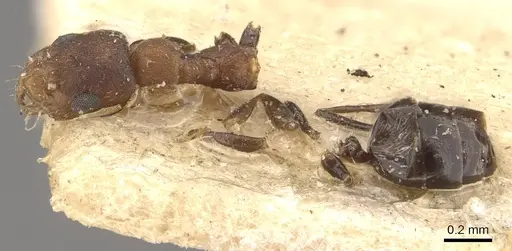
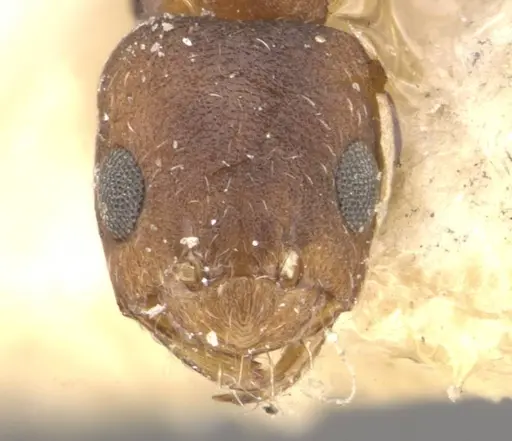
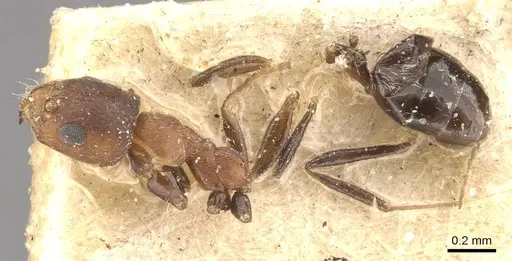
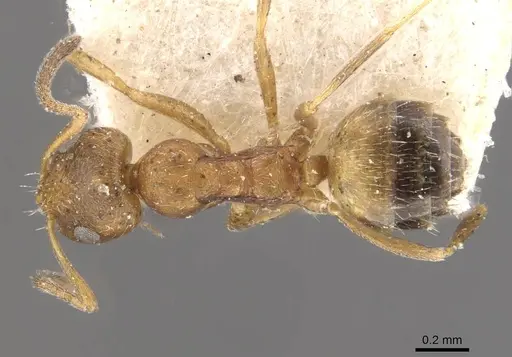
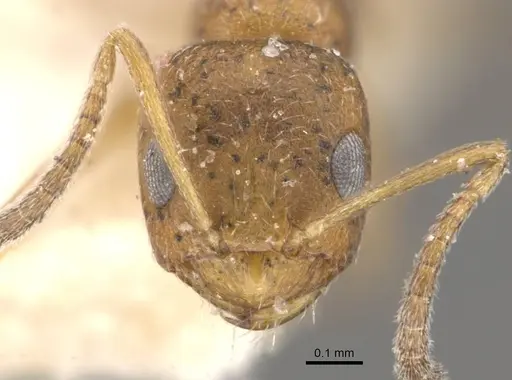
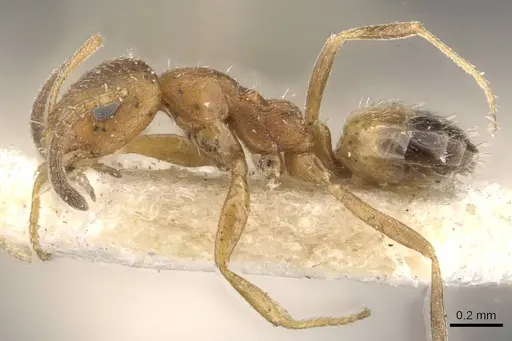
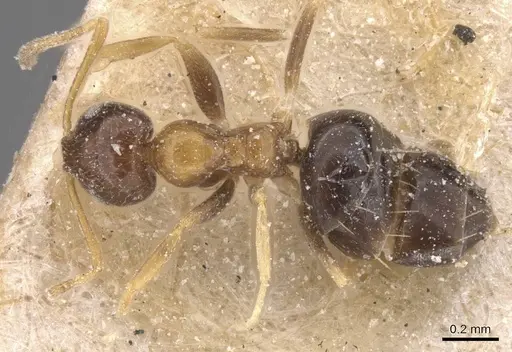
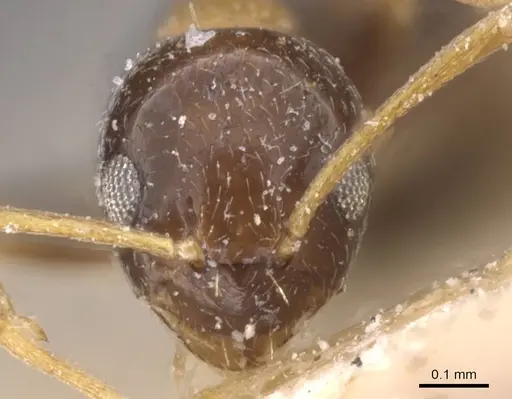
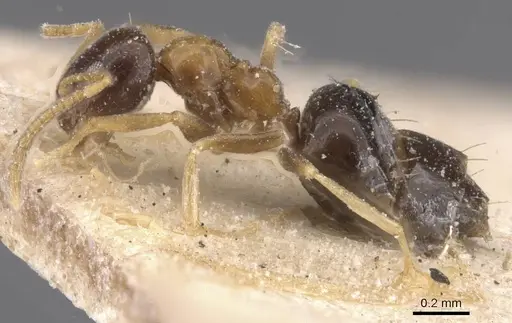
You find Plagiolepis vanderkelleni in Akagera National Park, eastern Rwanda . This species represents a new record for the country. Workers are tiny, typical of the Plagiolepis genus, which holds some of the smallest ants in the Formicinae subfamily. They range from pale to dark brown and move quickly. Because this species was only recently documented, you lack specific biological data. You rely on general Plagiolepis traits for care. The most notable aspect of keeping this ant is the heavy reliance on genus-level inference. You manage a species with unconfirmed founding behavior, unknown colony structure, and no published size measurements. Your success depends on strict escape prevention and stable environmental conditions rather than species-specific protocols.
Quick Summary
- Difficulty: Medium
- Origin & Habitat: Akagera National Park, eastern Rwanda, a tropical savanna ecosystem with warm temperatures and seasonal rainfall [1].
- Colony Type: You likely face single-queen colonies, as most Plagiolepis species are monogyne (single queen). Some related species form small multi-queen groups, but data for this specific ant is unconfirmed.
- Size & Growth:
- Queen: size data unavailable, inferred from Plagiolepis genus (~2-4 mm)
- Worker: size data unavailable, inferred from Plagiolepis genus (~2-3 mm)
- Colony: Up to a few hundred workers based on typical Plagiolepis patterns
- Growth: Unknown, likely moderate
- Development: Estimated 8-12 weeks based on typical Formicinae patterns (You monitor brood development closely, as no species-specific data exists.)
- Antkeeping:
- Temperature: Keep warm and stable, roughly low-to-mid 20s°C. A gentle heat gradient lets you regulate conditions without guessing exact numbers.
- Humidity: Provide a humidity gradient, keep the nest substrate consistently moist but not waterlogged. Plagiolepis species typically prefer damp conditions similar to their natural habitat.
- Diapause: Unlikely required. As a tropical species from Rwanda, they probably do not enter true hibernation. A slight cool period during winter months may be beneficial but is not confirmed.
- Nesting: Preferred nest types likely include test tubes, Y-tong nests, or plaster nests with small chambers scaled to their tiny size. In nature, they probably nest in soil, under stones, or in decaying wood.
- Behavior: You likely encounter non-aggressive, quick-moving ants that forage in trails. Escape prevention is critical due to their very small size, they squeeze through standard barriers easily. You feed them sugar water and small protein sources.
- Common Issues: workers escaping through tiny gaps in your setup, colony collapse from improper humidity levels, development delays due to temperature fluctuations, mold growth from uneaten protein in small nests, stress from frequent colony disturbance
New Discovery in Rwanda
You manage a species that represents a new record for Rwanda [1]. Researchers collected it in Akagera National Park, which features savanna, woodland, and wetland habitats along the Akagera River. This discovery shows that even well-studied genera like Plagiolepis hide undocumented species in Africa. You lack direct care data for this ant. You rely on genus-level inference for all husbandry decisions.
Nest Preferences
Based on typical Plagiolepis patterns, you likely need small, enclosed spaces for this species. Test tubes with cotton water reservoirs work well for founding colonies. As the colony grows, you switch to Y-tong nests or plaster setups with narrow chambers scaled to their tiny size. You keep the nest substrate lightly moist but not saturated. A small water tube connected to the nest helps maintain humidity without flooding.
Feeding and Diet
Based on typical Plagiolepis feeding behavior, you likely offer a varied diet to this species. You provide sugar water or honey as a constant energy source. For protein, you offer small soft-bodied prey like fruit flies, pinhead crickets, or small mealworms. You feed protein two to three times per week. You remove uneaten prey within 24 to 48 hours to prevent mold issues.
Temperature and Care
You maintain temperatures between 22 and 26°C, reflecting their tropical East African origin. You place a heating cable on one side of the nest to create a temperature gradient. You place the heating on top of the nest, not underneath, to prevent excessive drying. You monitor colony behavior. You increase temperature slightly if workers cluster near the heat source. You reduce heat if they avoid heated areas. You avoid temperatures below 20°C or above 30°C for extended periods.
Behavior and Temperament
Based on genus patterns, you likely encounter quick-moving, generally non-aggressive ants that form moderate foraging trails. Their small size helps them avoid larger ant species. You note that they do not sting and pose no danger to keepers. Your primary concern is their tiny size, which makes them expert escape artists. You use fine mesh and seal all lid seams. You keep them for observing small, active ant species.
Frequently Asked Questions
How long does it take for Plagiolepis vanderkelleni to produce first workers?
You likely wait six to eight weeks for first workers, assuming optimal temperatures around 24 to 26°C. This timeline is an estimate since species-specific development data is not available.
What do Plagiolepis vanderkelleni ants eat?
You likely feed them standard ant foods. You provide sugar water or honey for carbohydrates. You offer small protein sources like fruit flies, tiny crickets, or small mealworms. You feed protein two to three times per week. You keep sugar water available constantly. You remove uneaten food promptly.
Are Plagiolepis vanderkelleni good for beginners?
You likely find them moderate difficulty due to their very small size requiring excellent escape prevention. You also lack species-specific care data. Beginners comfortable with small ants may find them rewarding. You direct new ant keepers toward larger, better-documented species.
What temperature do Plagiolepis vanderkelleni need?
You keep them at 22 to 26°C. This tropical East African species prefers warmth. You place a simple heating cable on part of the nest to create a gradient. You maintain room temperature in the low-mid 20s°C as an alternative.
How big do Plagiolepis vanderkelleni colonies get?
You likely manage colonies up to a few hundred workers based on typical Plagiolepis colony sizes. You note that they are not large colony formers like some other ant genera.
Do Plagiolepis vanderkelleni need hibernation?
You likely find that they do not require true hibernation. As a tropical species from Rwanda, they probably skip a true hibernation period. You provide a slight reduction in temperature during winter months if needed.
Can I keep multiple Plagiolepis vanderkelleni queens together?
You likely face unconfirmed colony structure for this species. You know that most Plagiolepis are monogyne (single queen), but some form small multi-queen colonies. You keep one queen per colony until more data becomes available.
What is the best nest type for Plagiolepis vanderkelleni?
You likely use test tubes for founding colonies. You switch to small Y-tong nests with proportionally small chambers as the colony grows. You focus on appropriately scaled chambers. You keep these tiny ants in tight, secure spaces.
Why are my Plagiolepis vanderkelleni escaping?
You likely experience escapes due to their very small size. You find that standard barriers often fail. You use fine mesh or smaller. You check all lid seams carefully. You apply additional barrier methods like fluon on nest edges. You inspect setups daily for the first few weeks.
Report an Issue
The current care sheet is based fully on literature. See inconsistencies, or something that's incorrect? Please , it will be resolved after review from an admin. Contributing to the blogs tab also helps providing information, to make us be able to further improve the caresheets. Thank you for your support!
References

Dit verzorgingsblad is gelicentieerd onder CC BY-SA 4.0 .
Community-blogs
Literatuur
Verspreidingskaart laden...Producten laden...