
Pheidole spinosa
- Wetenschappelijke naam
- Pheidole spinosa
- Tribus
- Attini
- Subfamilie
- Myrmicinae
- Auteur
- Forel, 1891
- Verspreiding
- Gevonden in 2 landen
Introductie
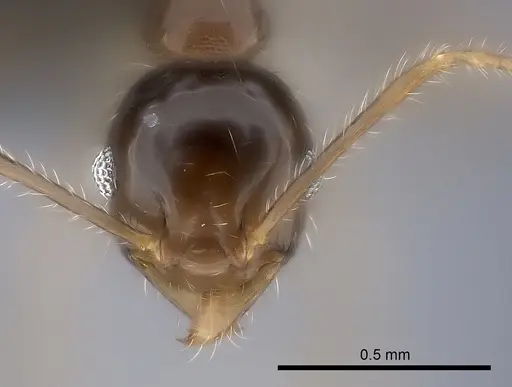
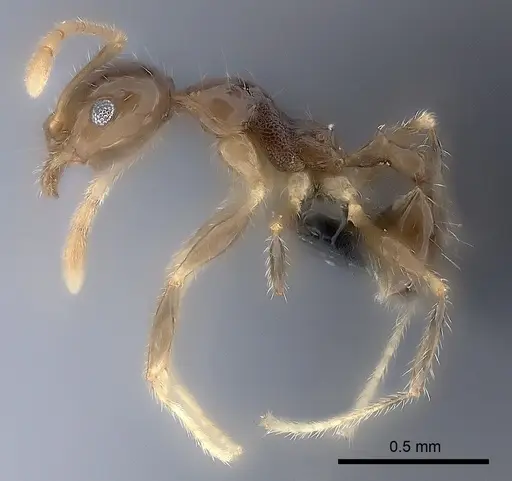
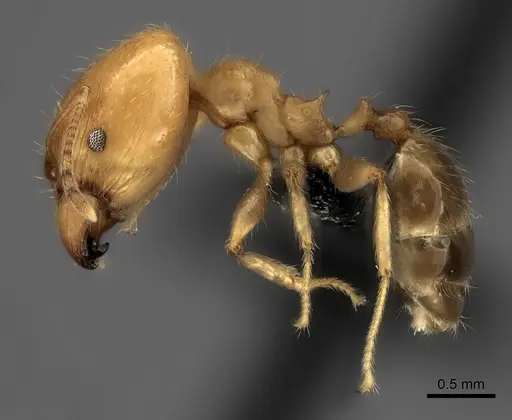
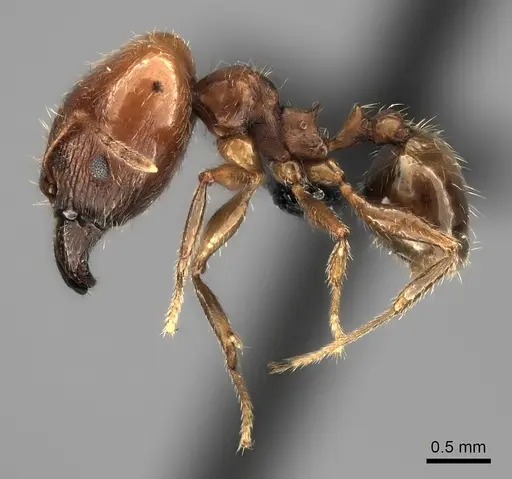
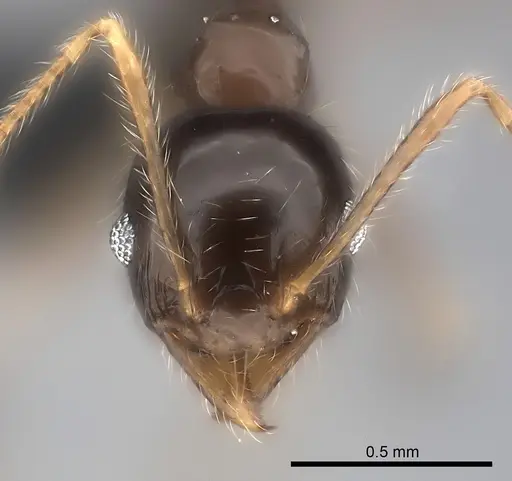
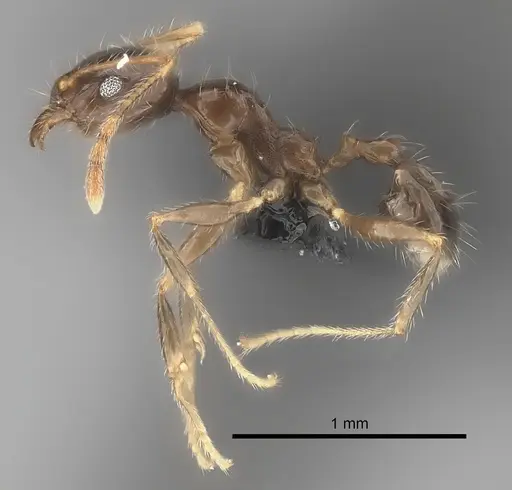
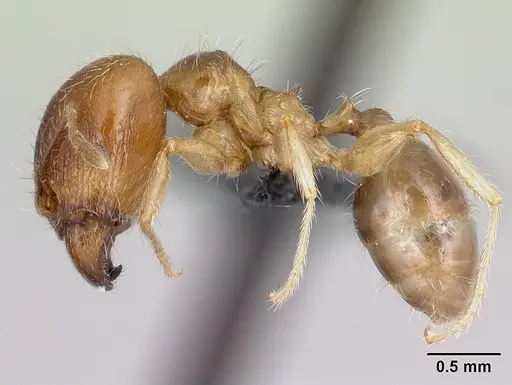
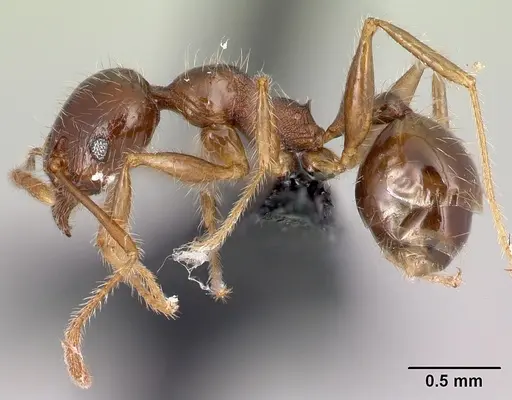
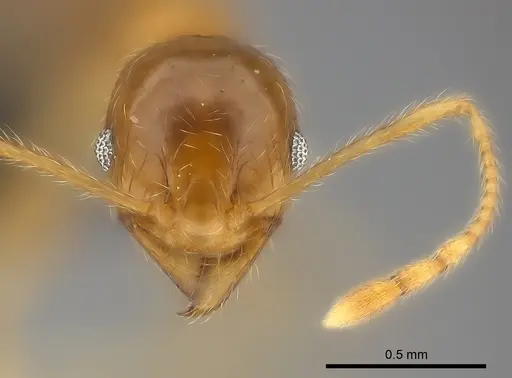
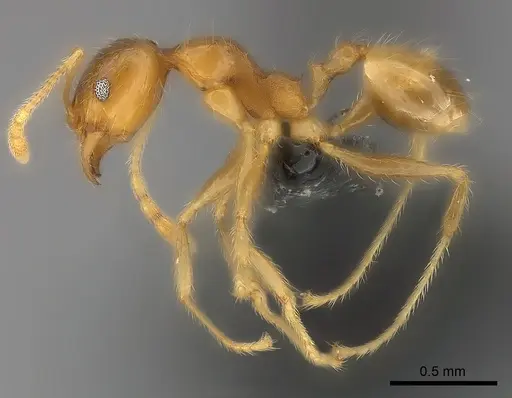
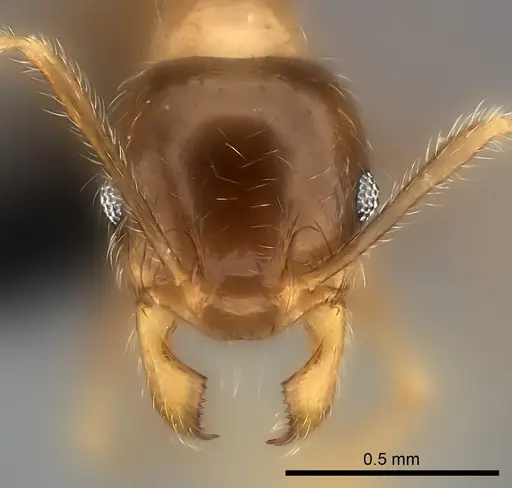
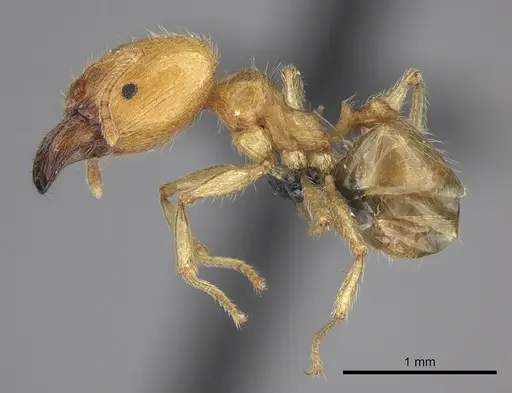
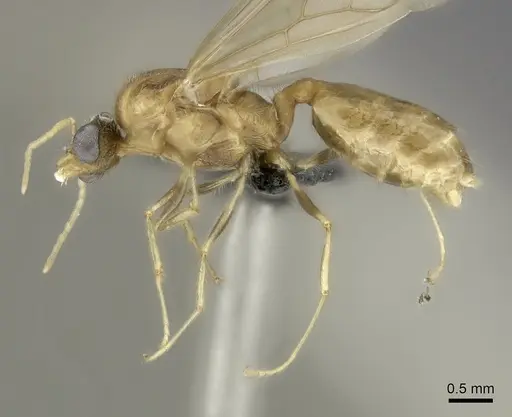
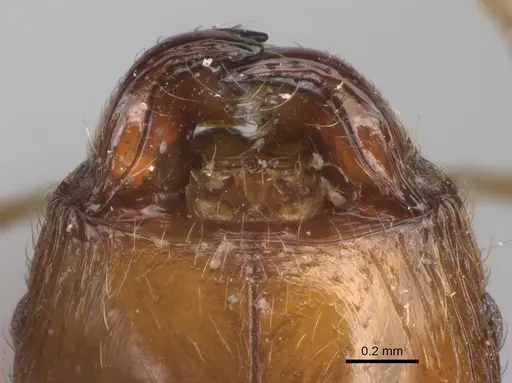
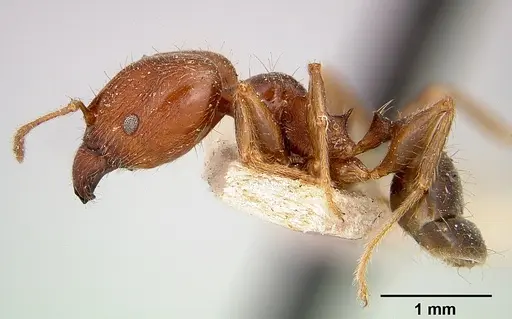
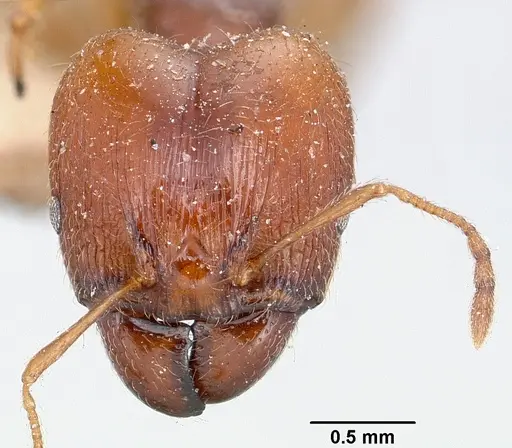
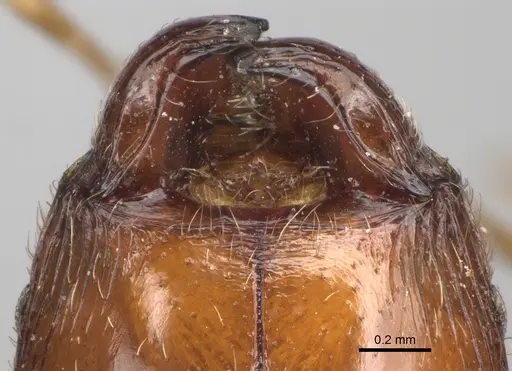
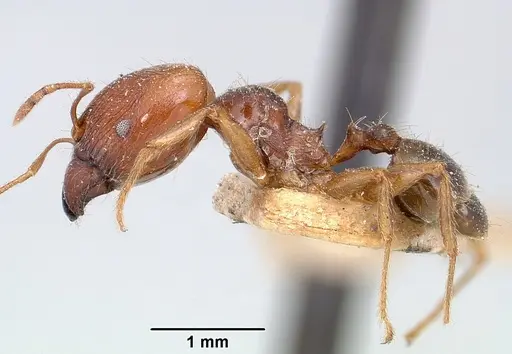
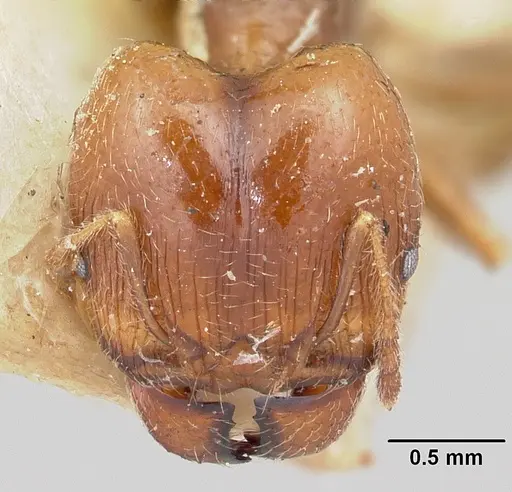
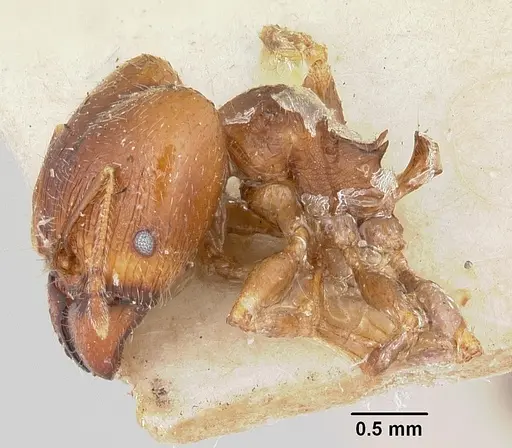
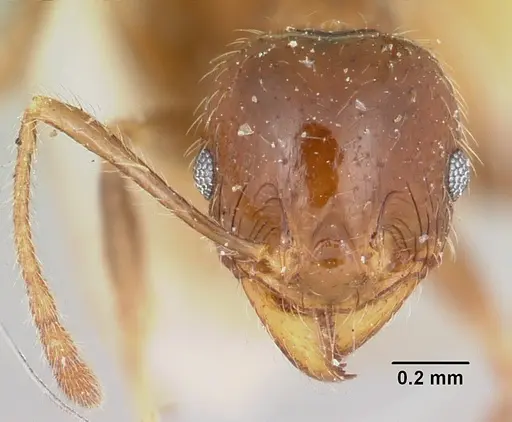
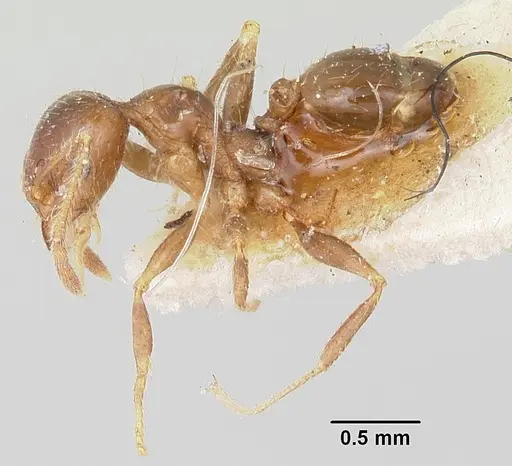
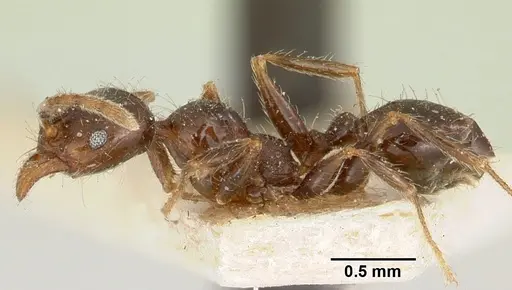
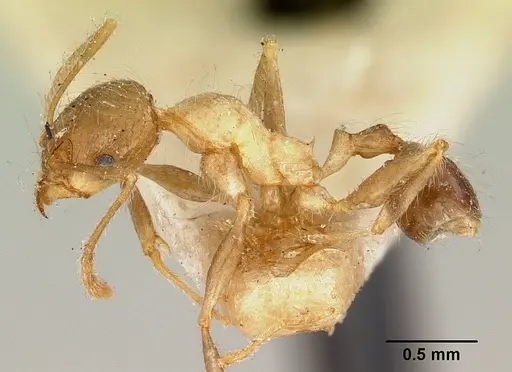
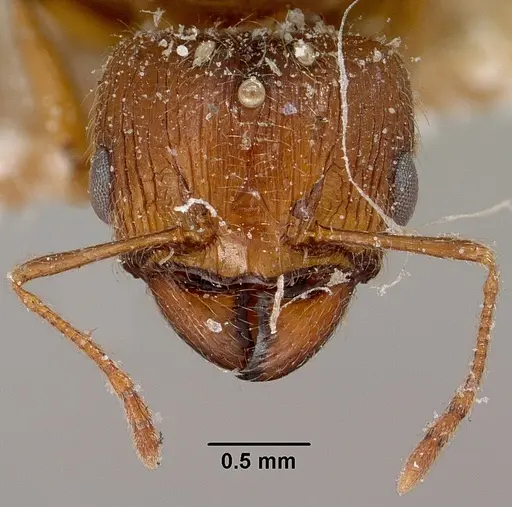
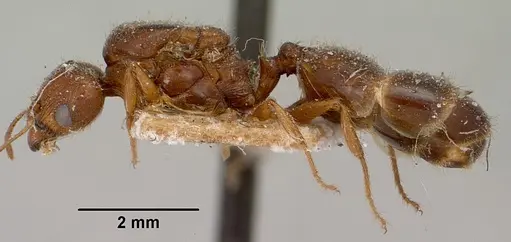
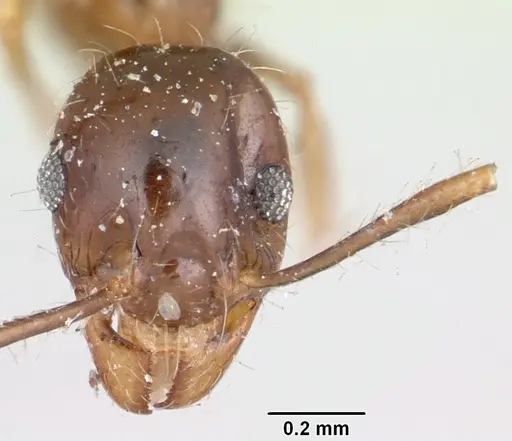
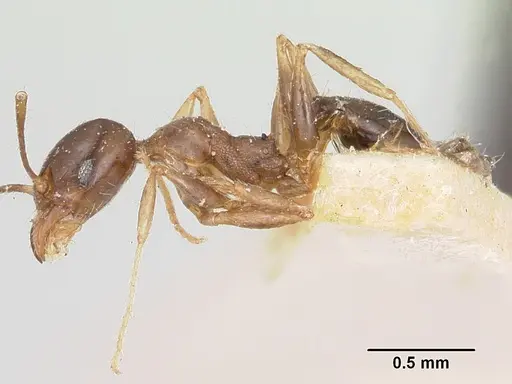
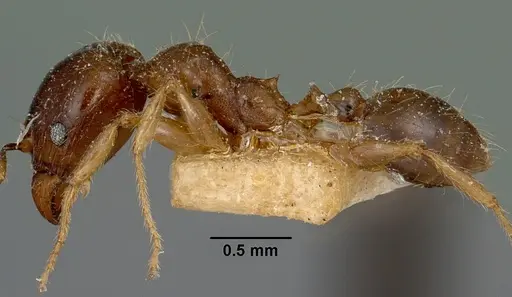
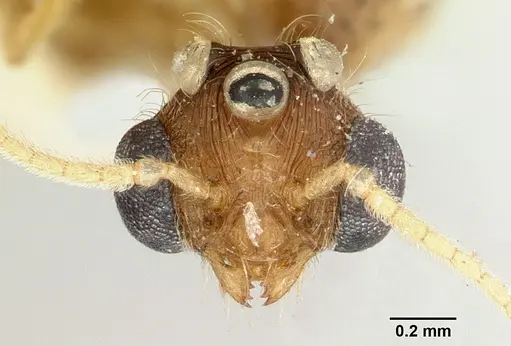
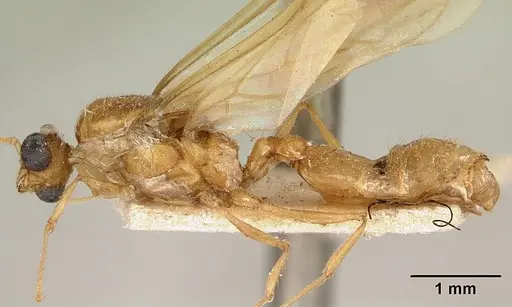
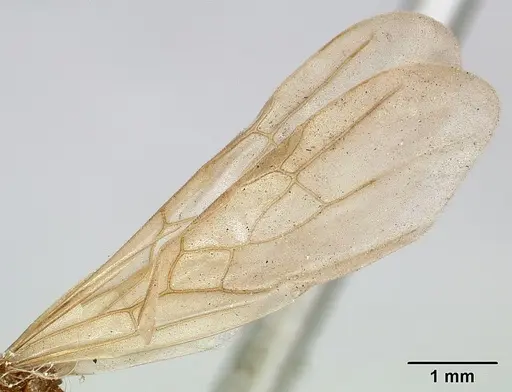
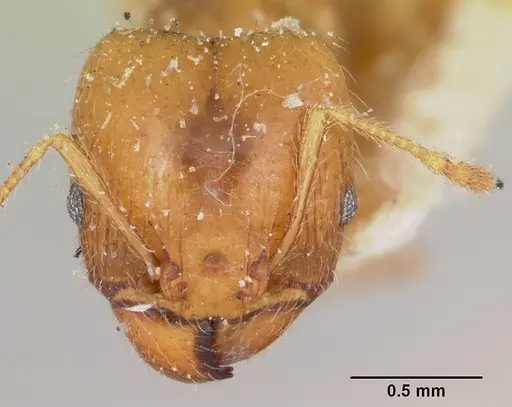
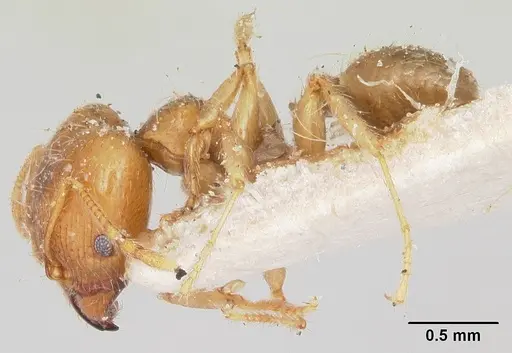
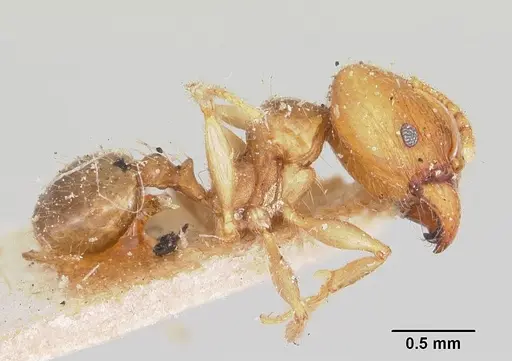
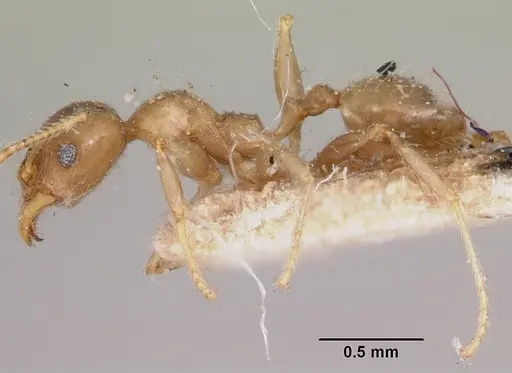
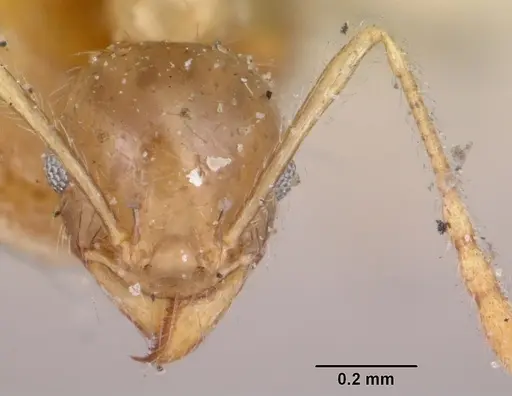
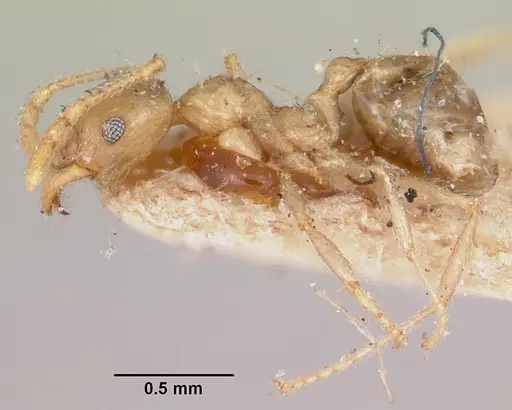
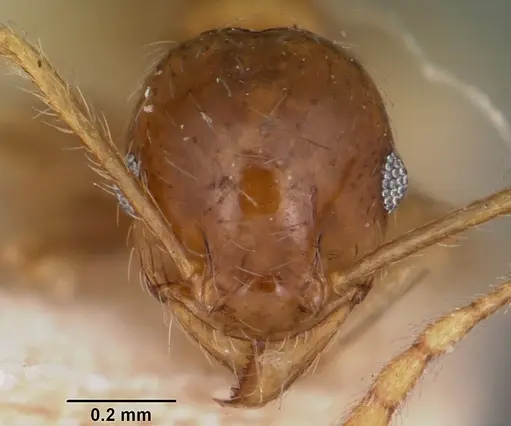
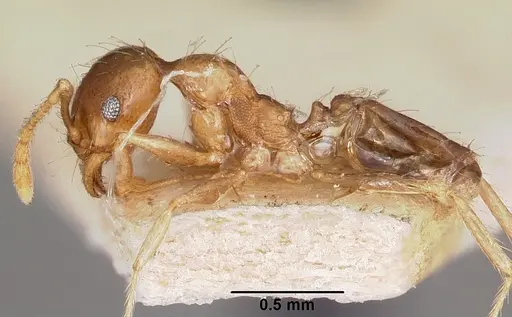
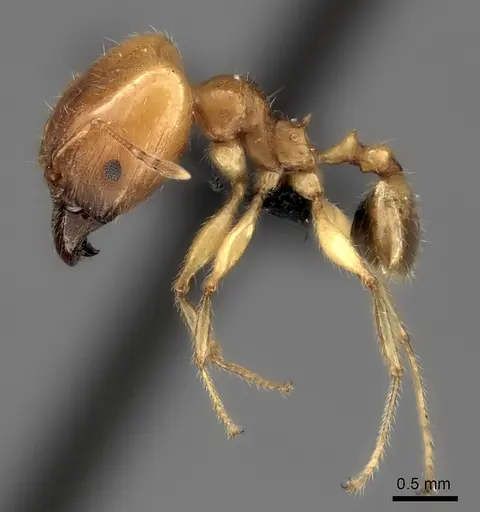
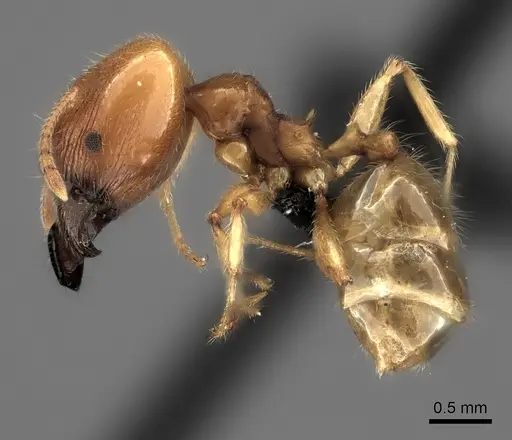
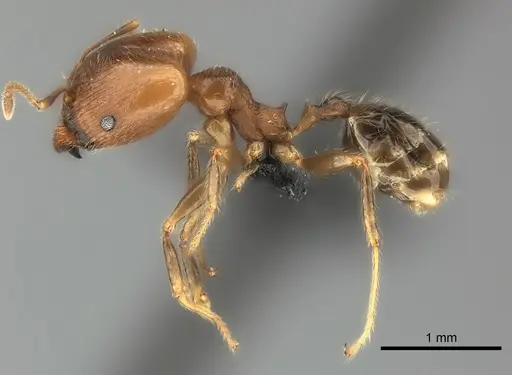
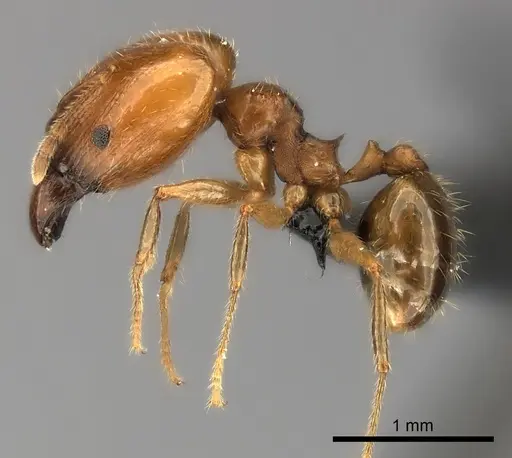
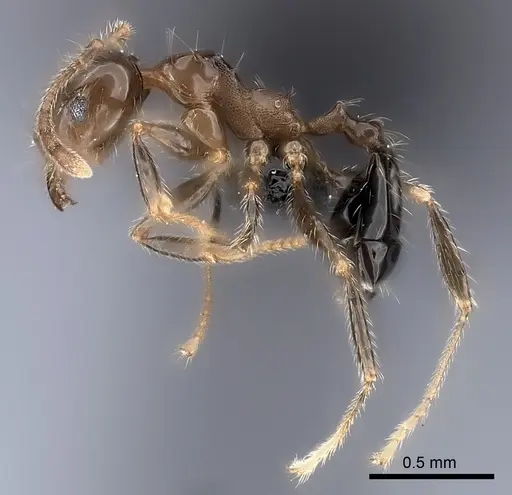
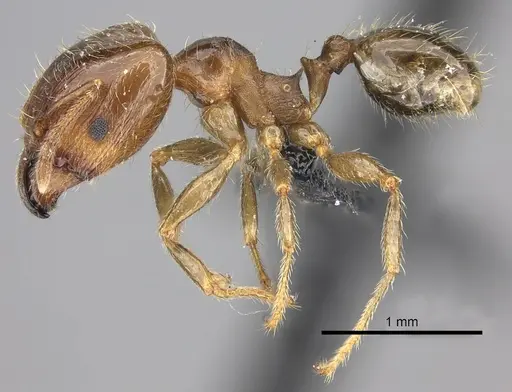
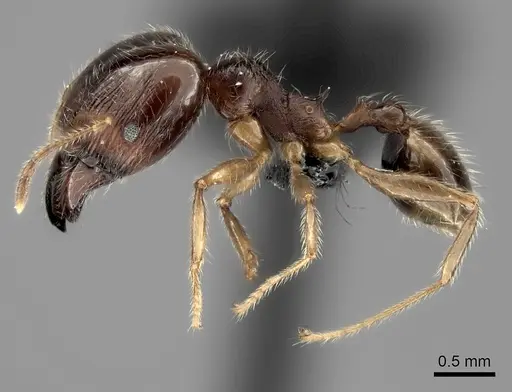
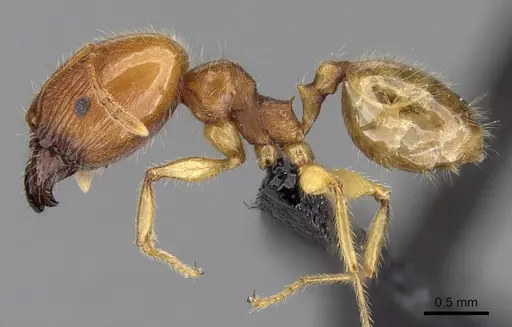
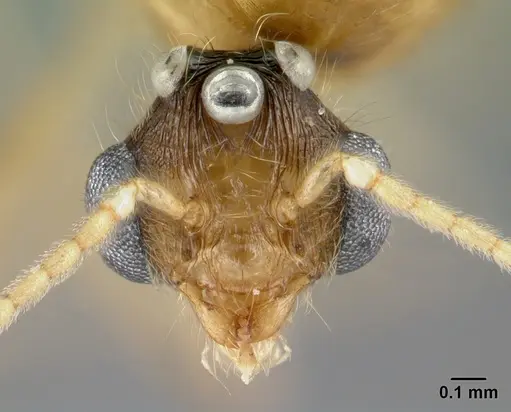
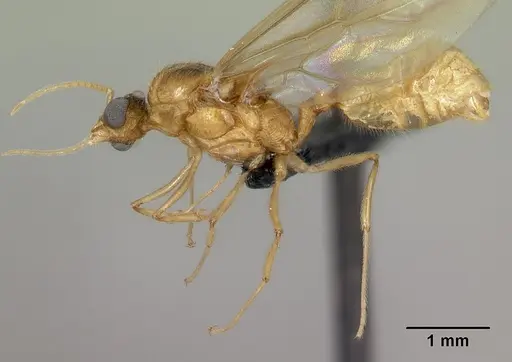
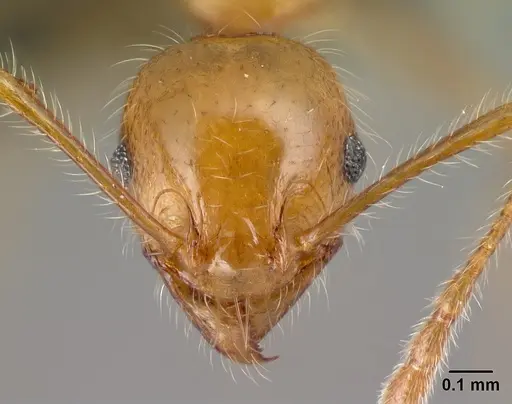
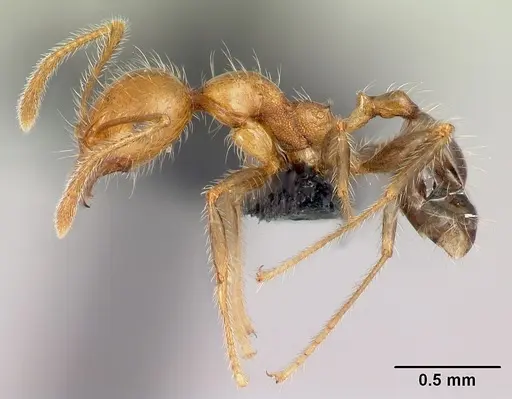
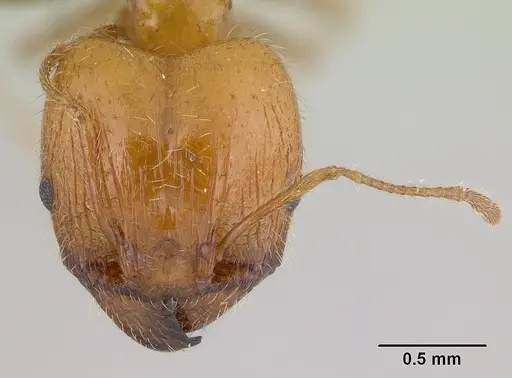
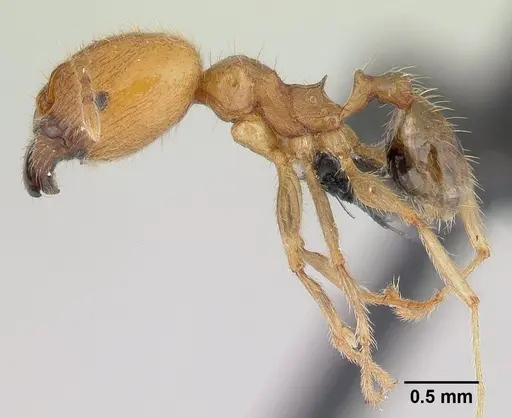
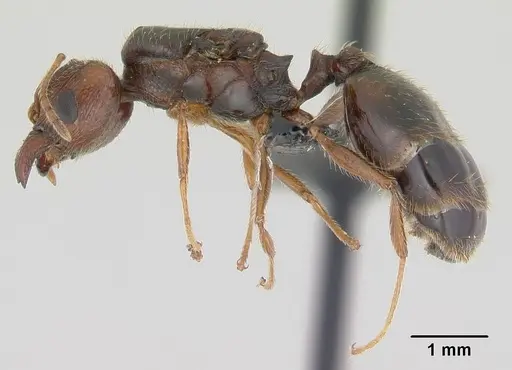
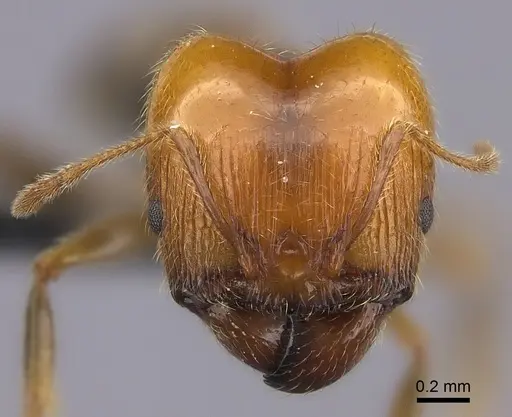
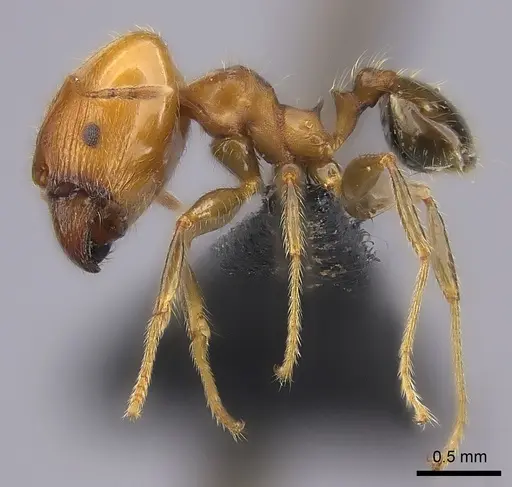
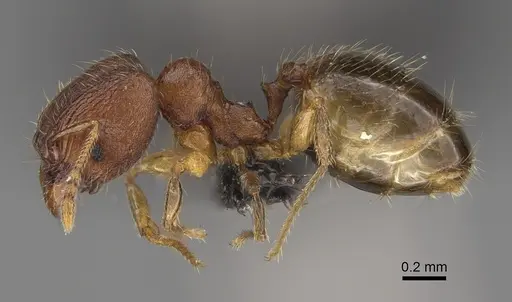
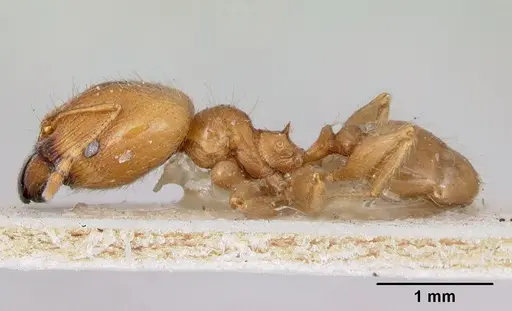
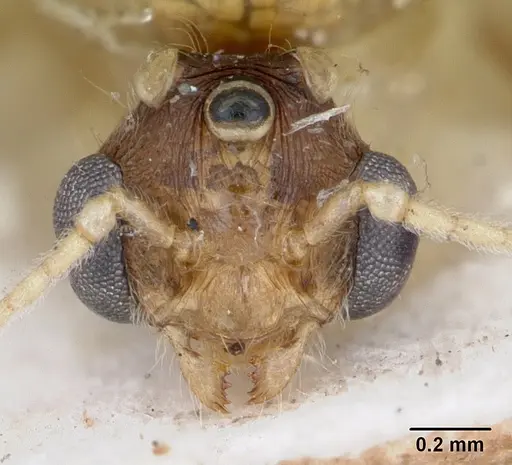
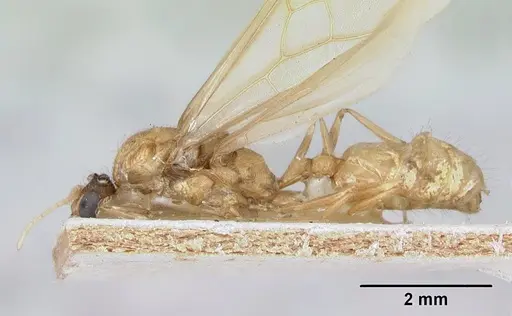
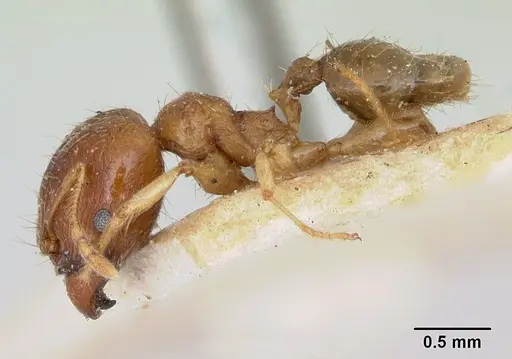
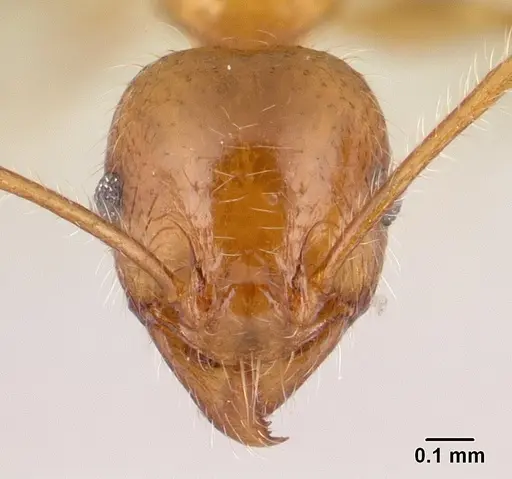
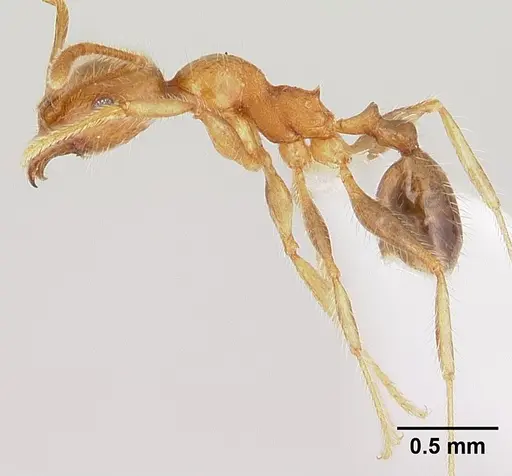
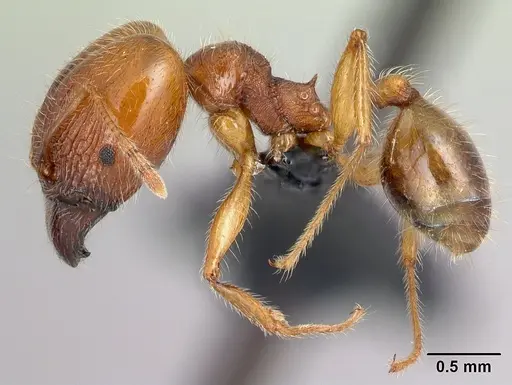
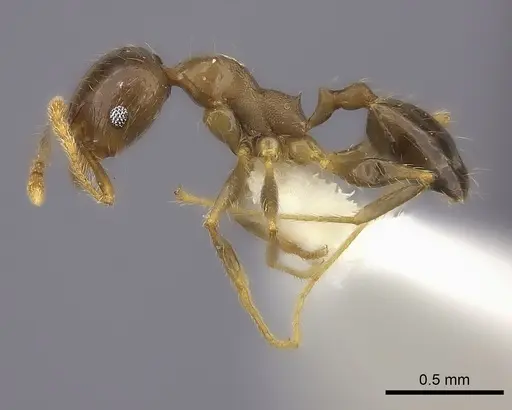
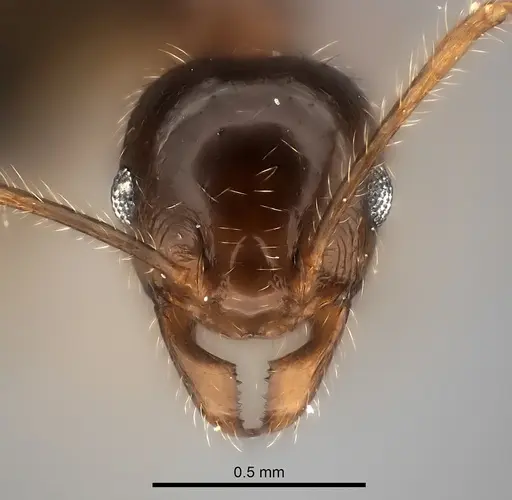
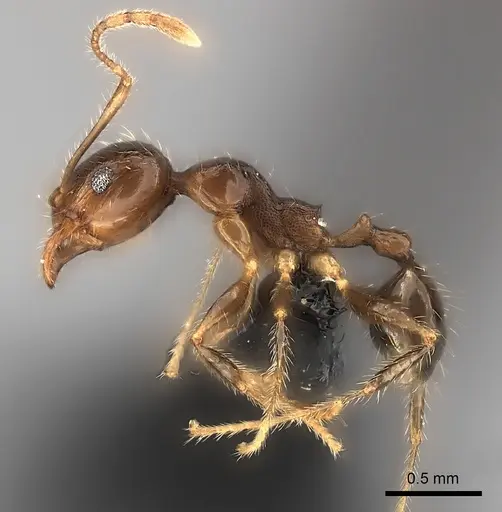
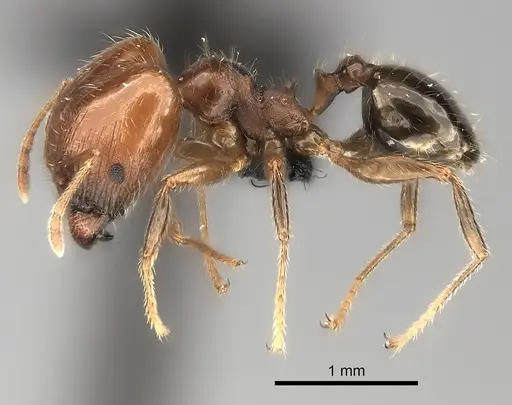
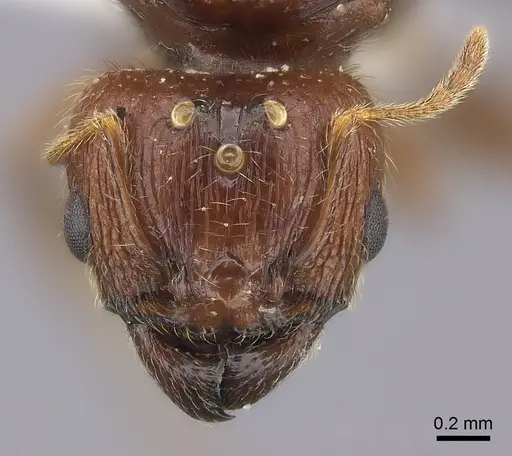
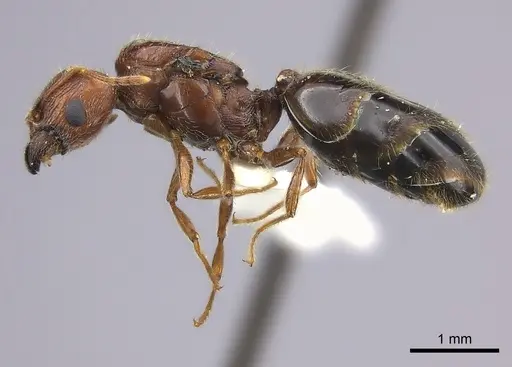
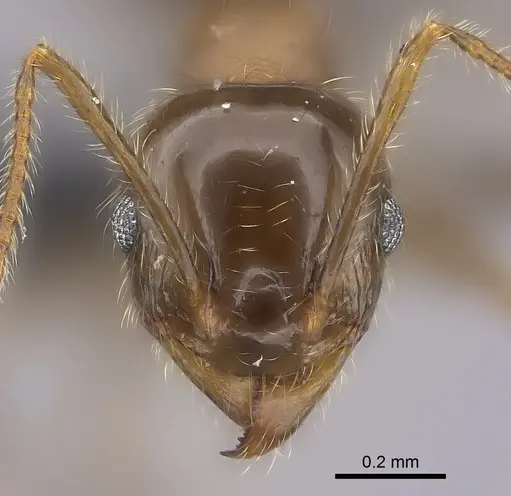
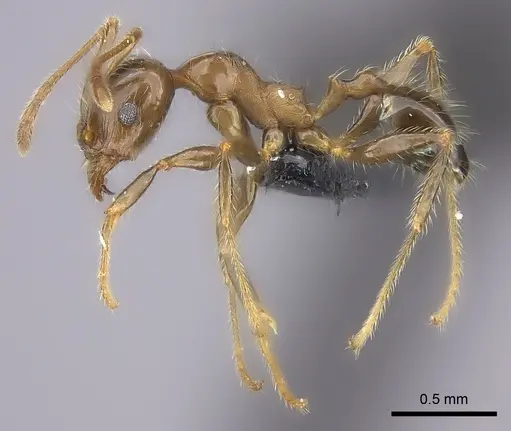
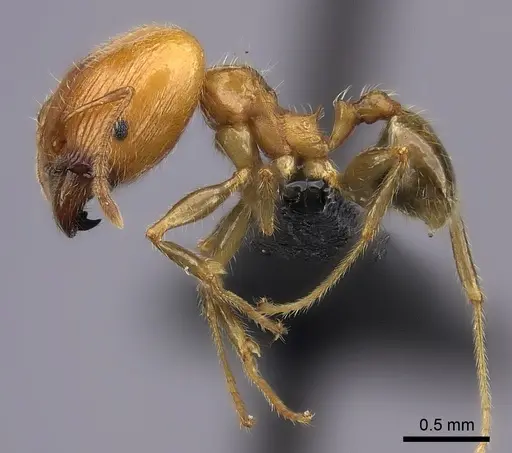
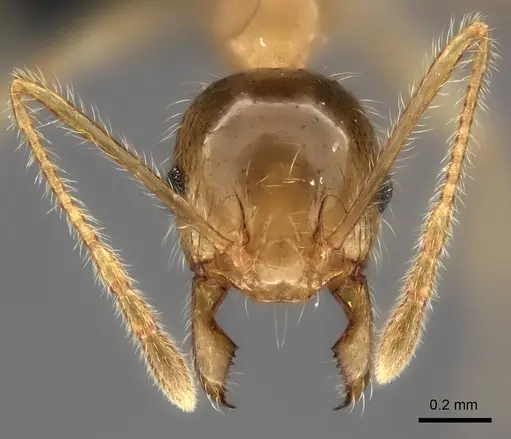
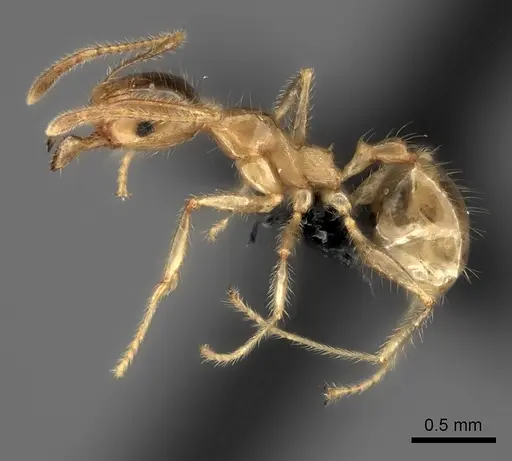
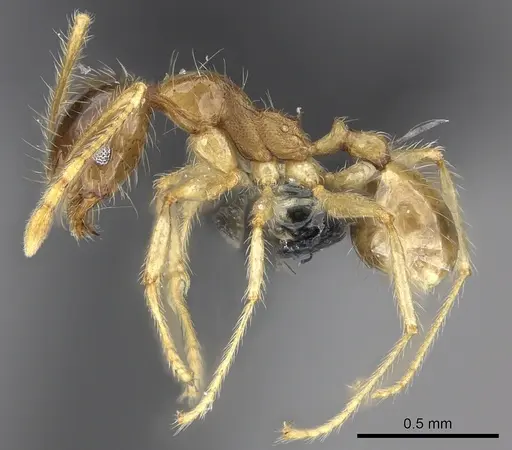
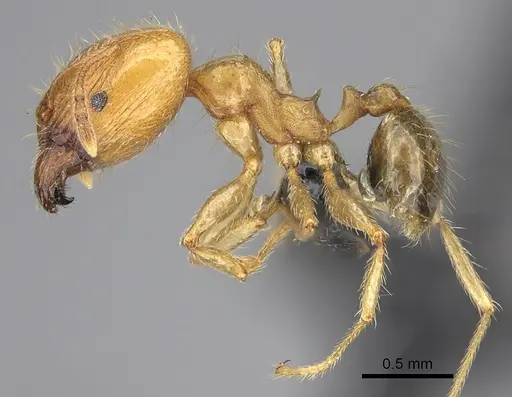
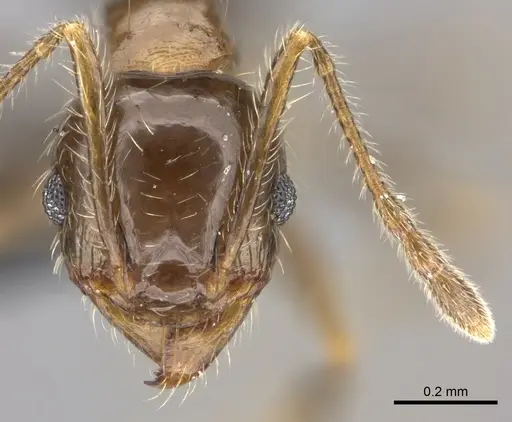
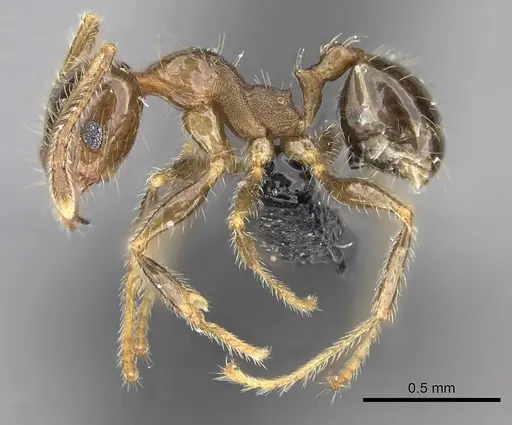
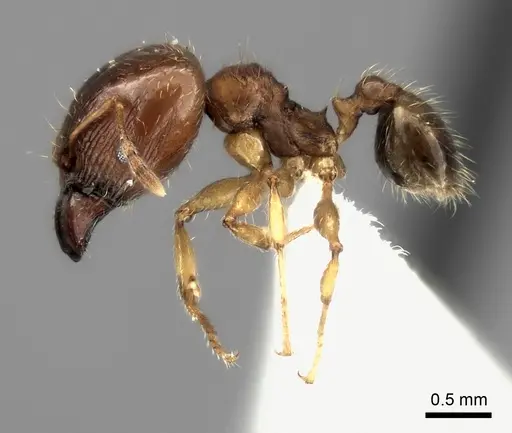
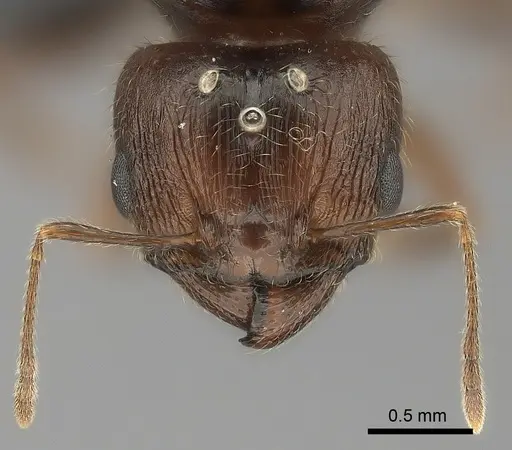
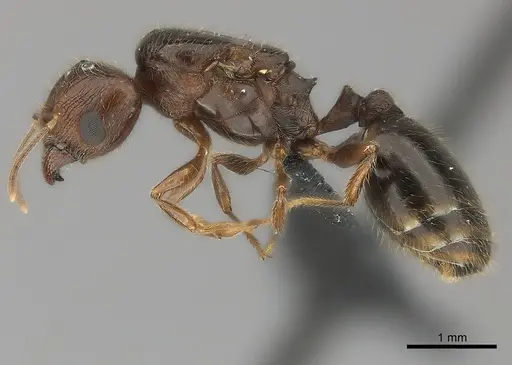
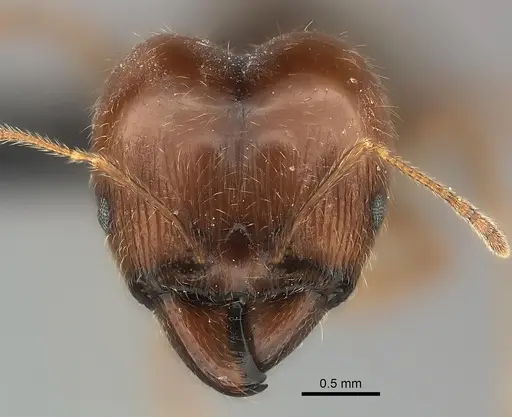
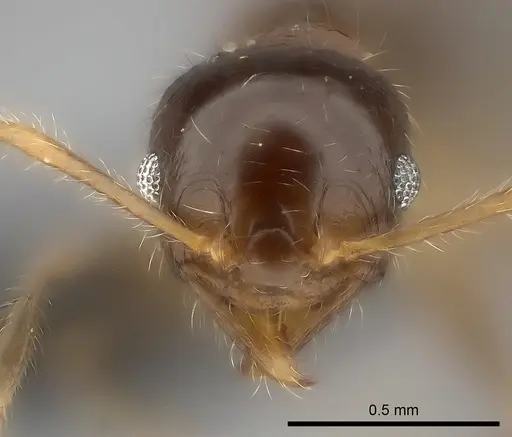
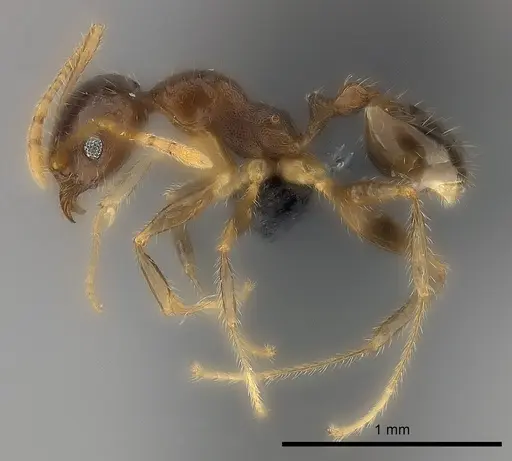
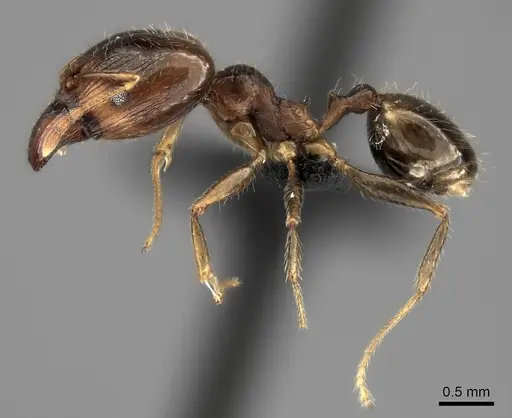
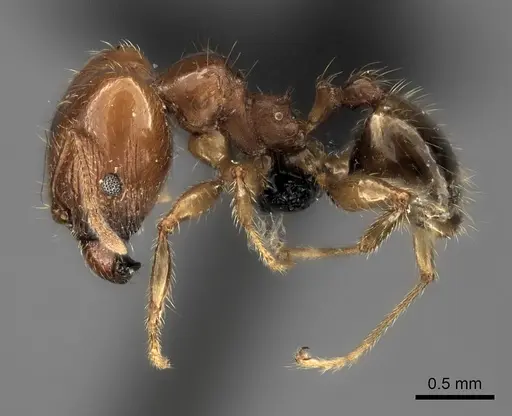
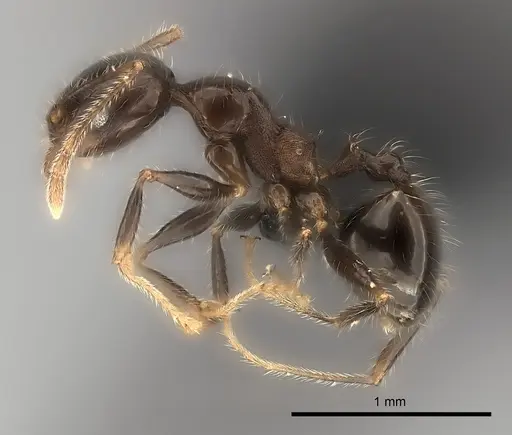
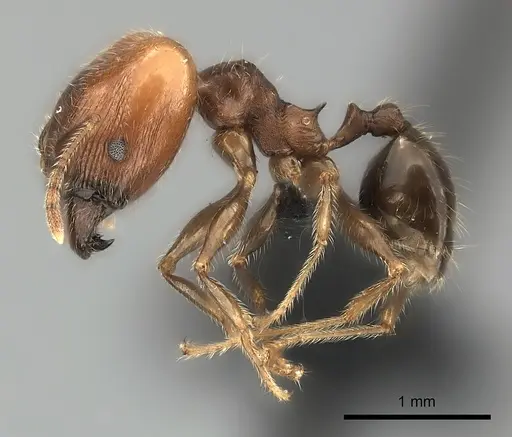
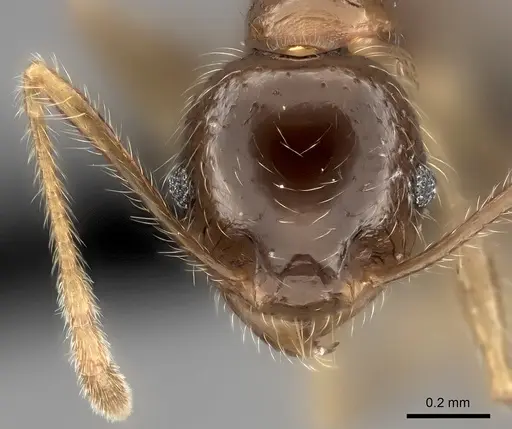
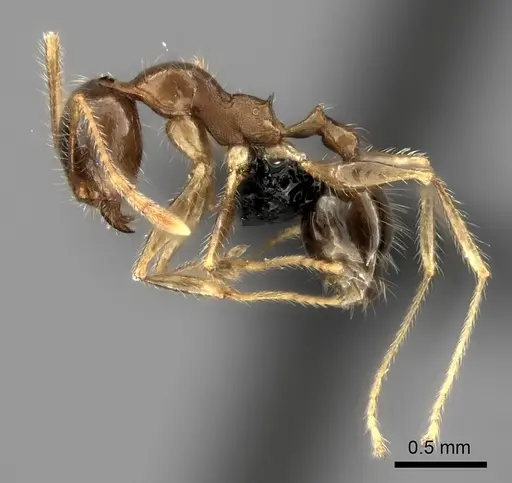
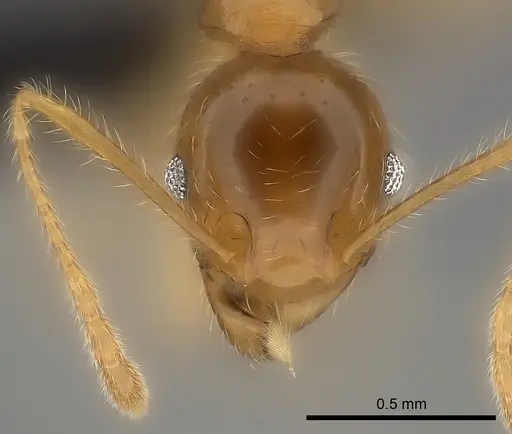
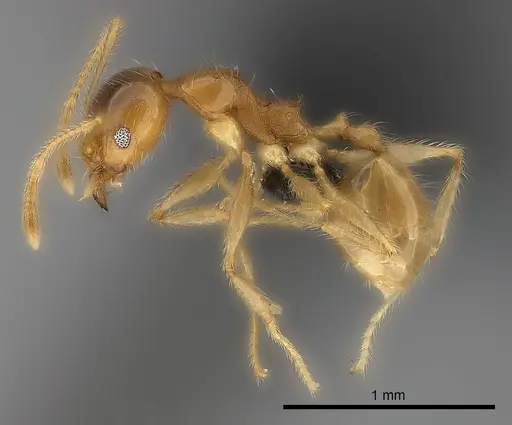
Pheidole spinosa is a small ant species native to the Malagasy region, including Madagascar, Comoros, Mayotte, and the Seychelles. This species belongs to the Pheidole megacephala group and is notable for being the only Malagasy Pheidole species confirmed to produce supermajors - unusually large worker castes that develop in some colonies . Colonies are found in diverse habitats from rainforests to roadsides, nesting in rotting wood, under stones, and in soil .
Quick Summary
- Difficulty: Medium
- Origin & Habitat: Malagasy region, native to Madagascar, Comoros (Anjouan), Mayotte, Juan de Nova Island, and Seychelles. Found in rainforests, lowland coastal forests, Casuarina forests, old settlements, coral karst scrubland, and along roadsides, from sea level to 2,150m elevation [2][1].
- Colony Type: Unconfirmed, no specific research on queen number or social structure.
- Size & Growth:
- Queen: Size data unavailable, no total length measurements in research.
- Worker: Size data unavailable, no total length measurements in research.
- Colony: Up to several hundred workers, estimated from typical Pheidole colonies.
- Growth: Moderate, inferred from genus patterns.
- Development: Estimated 6-8 weeks at optimal temperature. (Development time may vary based on temperature and feeding conditions.)
- Antkeeping:
- Temperature: Keep at 22-26°C, based on their wide elevation range [1].
- Humidity: Keep nest substrate moderately moist but not waterlogged, as they nest in rotting wood and moist soil [1].
- Diapause: Unknown, as a tropical species, they may not require diapause.
- Nesting: In captivity, use test tubes for founding, then Y-tong (AAC) or plaster nests with moisture chambers [1].
- Behavior: Pheidole spinosa is not particularly aggressive but will defend the nest vigorously. Workers are active foragers. Escape risk is moderate, use standard barriers [2][1].
- Common Issues: colonies may fail if kept too dry, they prefer moist nesting conditions., slow founding phase means patience is required, queens seal themselves in and may take weeks before eggs appear., wild-caught colonies may carry parasites that can decimate the colony in captivity., supermajors only develop in mature colonies under certain conditions, don't panic if your colony doesn't produce them., overfeeding can lead to mold issues in the nest, remove uneaten food promptly.
Nest Preferences and Housing
Pheidole spinosa naturally nests in rotting branches, logs, and sticks on and above ground, in rotting tree stumps, under stones, in rootmats, moss, tree bark, and in soil. They also use carton nests, rot pockets, and even termite mounds [1]. For captive care, start colonies in a standard test tube setup with a water reservoir. Once the colony reaches 20-30 workers, you can transition to a Y-tong (AAC) nest or a plaster nest with moisture chambers. These ants appreciate a gradient of humidity within the nest, some chambers drier, some moister. A naturalistic setup with rotting wood pieces and a moisture-retaining substrate also works well and mimics their natural environment. Make sure the outworld has easy access to the nest so foragers can move freely.
Feeding and Diet
Like other Pheidole species, Pheidole spinosa is an omnivorous forager that collects a variety of foods. In captivity, offer a varied diet: protein sources like small crickets, mealworms, fruit flies, or other small insects 2-3 times per week. They also accept sugar sources, a drop of honey water or sugar water should be readily taken. Seeds can be offered to colonies with majors or supermajors, as these larger workers have the mandibles to process seed husks. Remove uneaten prey after 24-48 hours to prevent mold. A constant sugar water or honey water supply is recommended for established colonies.
Temperature and Seasonal Care
Keep your Pheidole spinosa colony at 22-26°C. This species occurs across a wide elevation range (1-2,150m) in Madagascar and nearby islands, so they can adapt to various temperatures within this range. A heating cable on one side of the nest can create a temperature gradient, allowing ants to self-regulate. Avoid temperatures below 18°C or above 30°C. Since they come from a tropical/subtropical region, they likely do not require a true hibernation diapause. However, you may notice reduced activity during winter months if your room temperature drops. Simply maintain normal care and they should remain active year-round. Monitor colony behavior, if workers cluster near the heated area, the temperature is appropriate, if they avoid it, the nest may be too warm. [1]
Understanding Supermajors
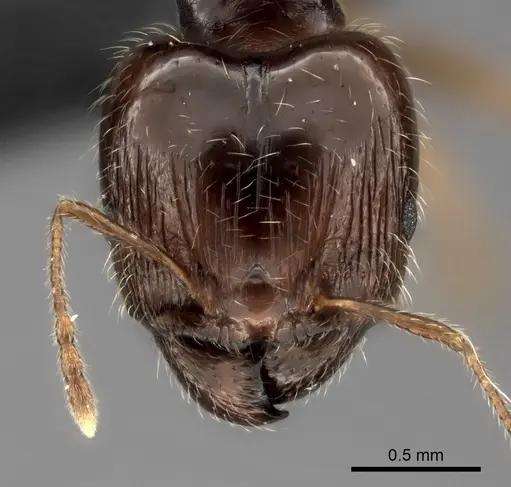
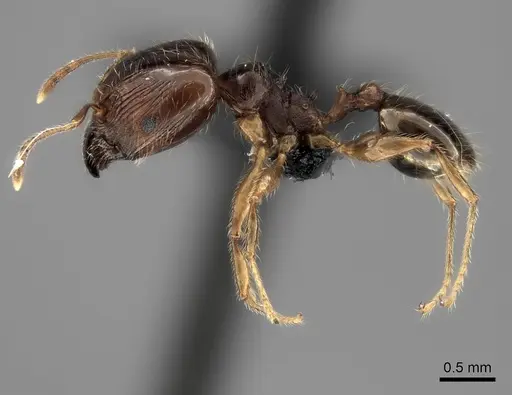
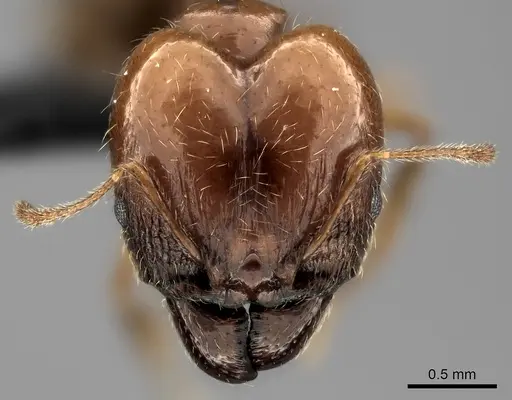
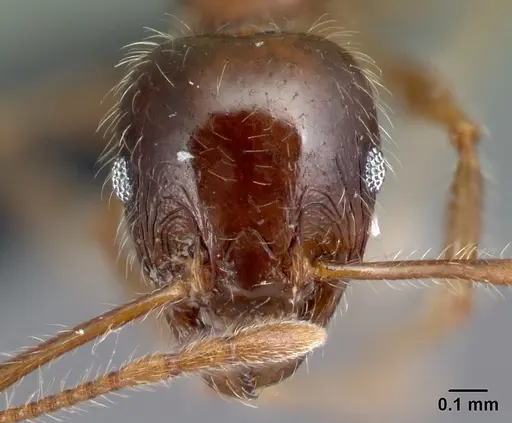
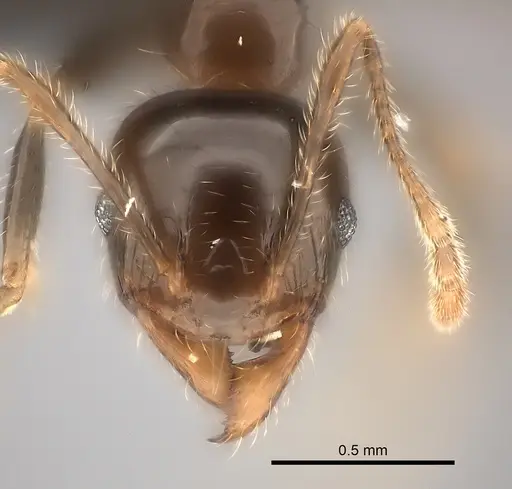
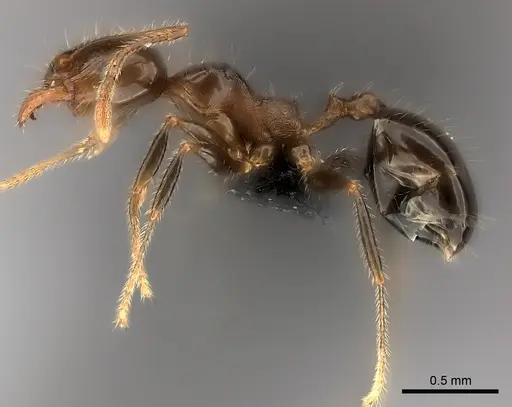
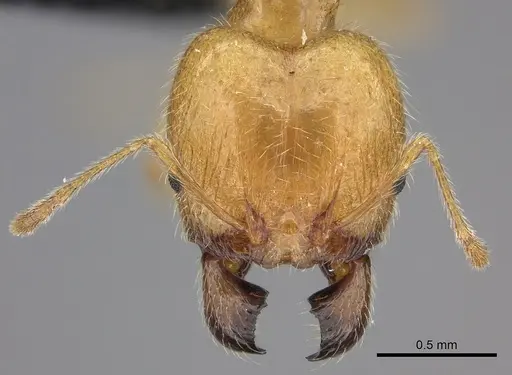
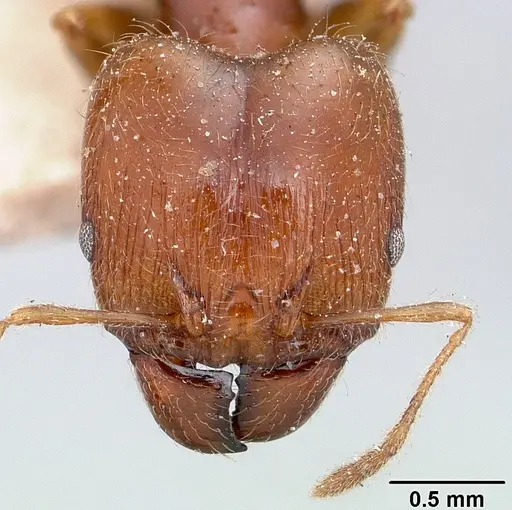
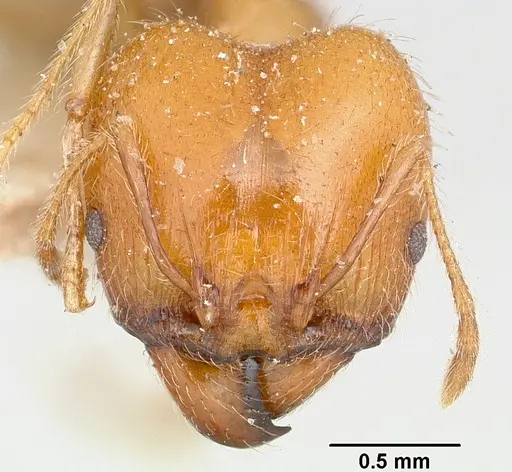
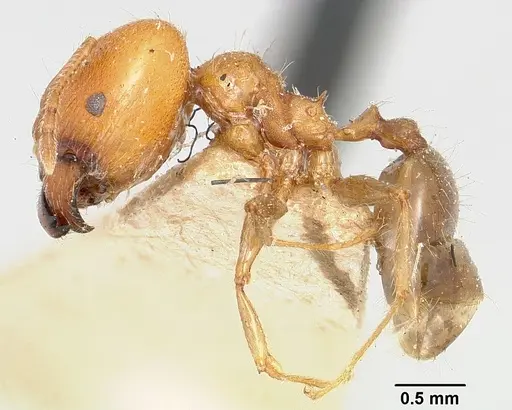
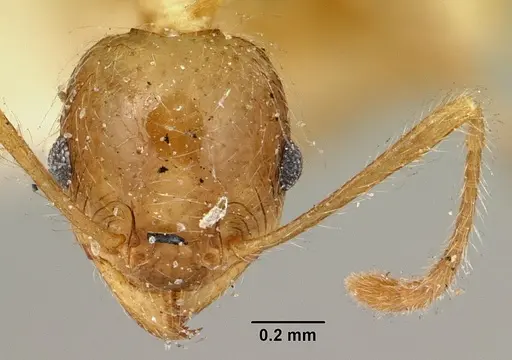
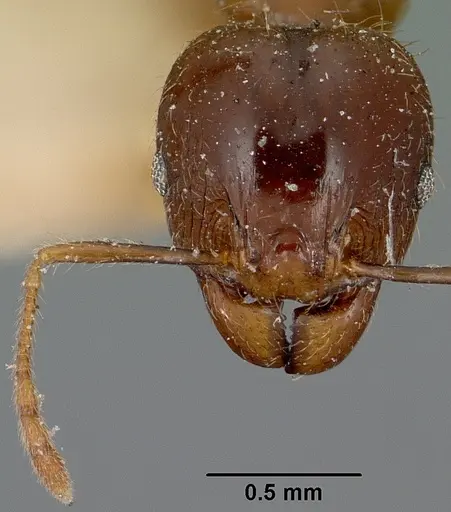
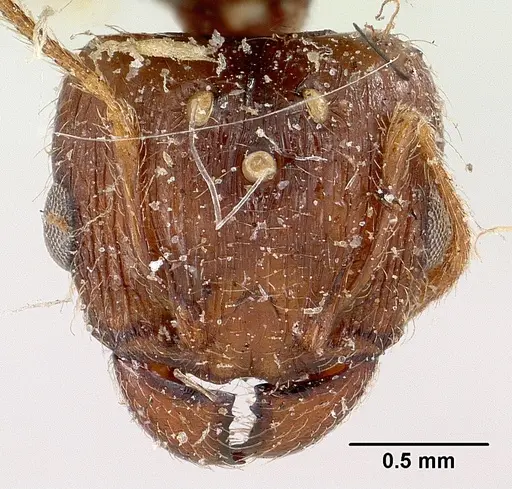
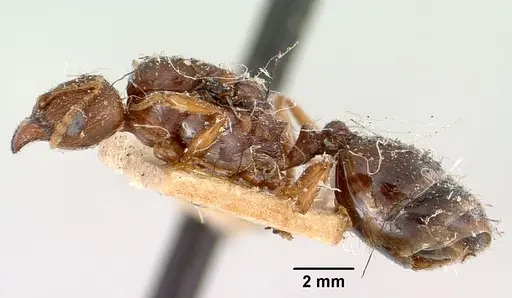
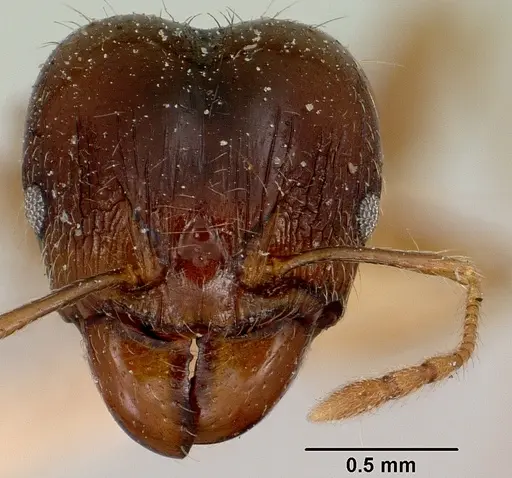
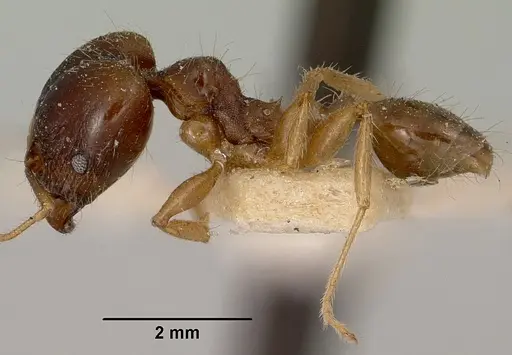
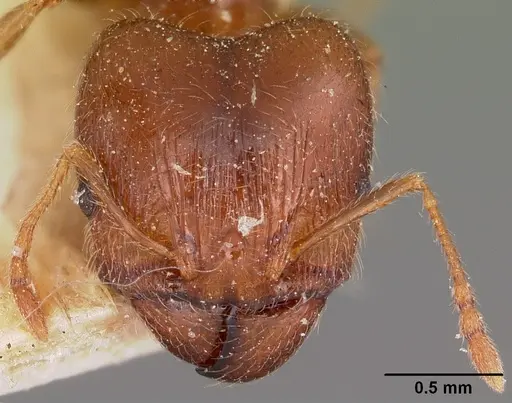
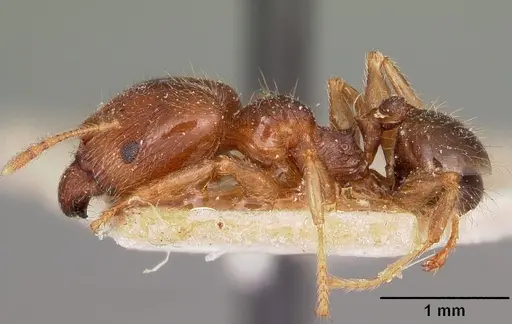
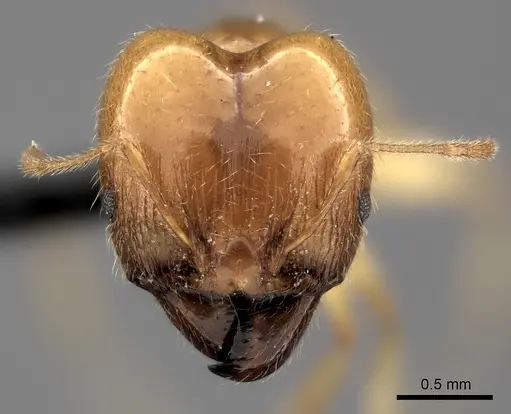
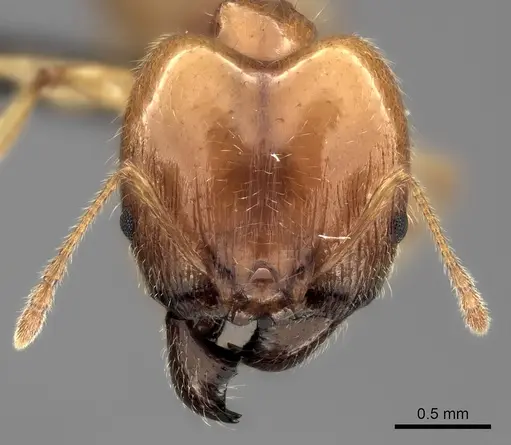
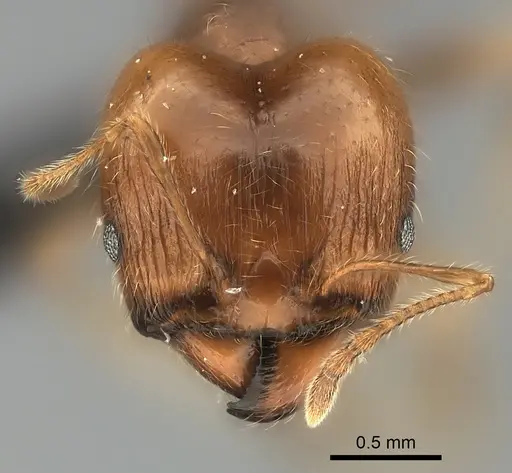
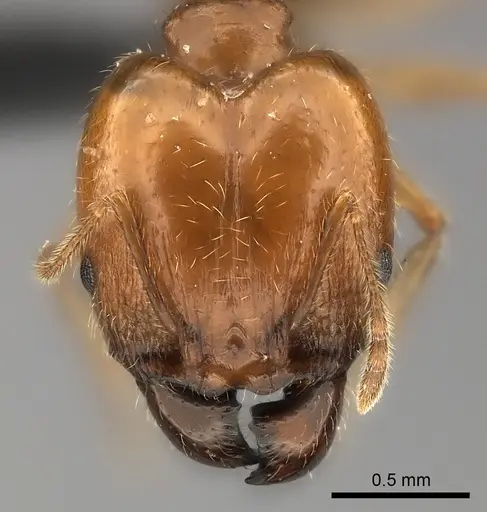
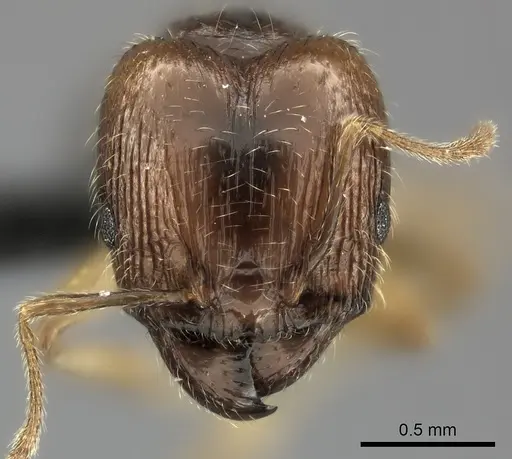
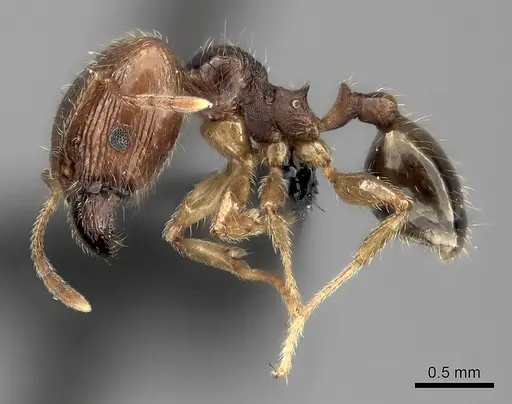
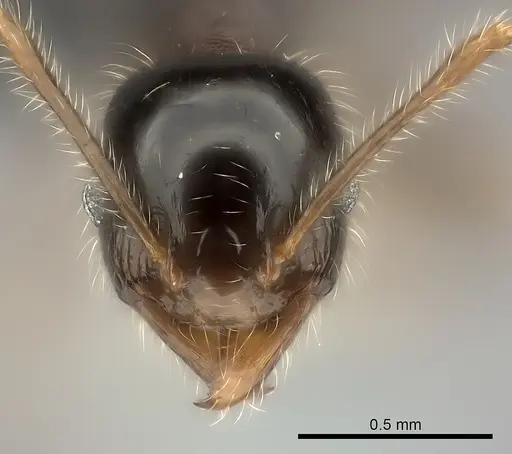
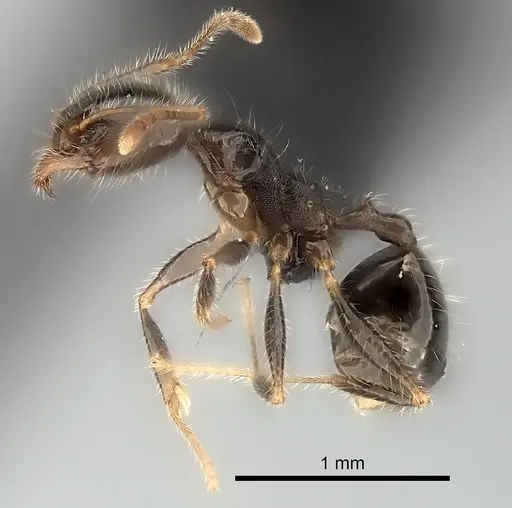
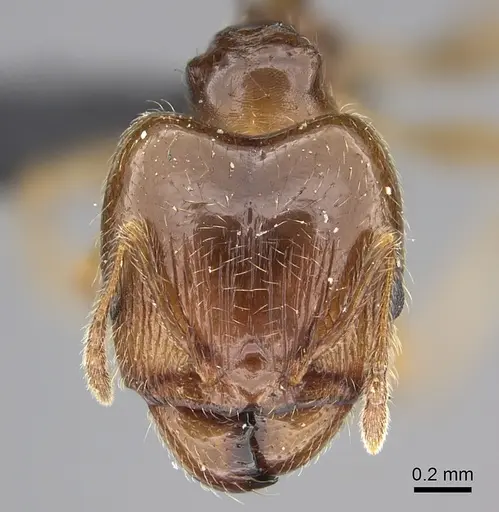
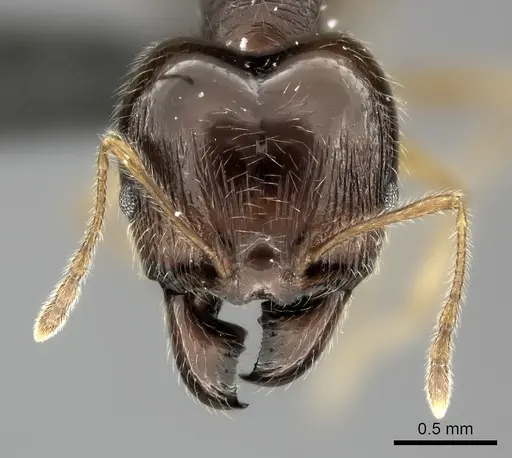
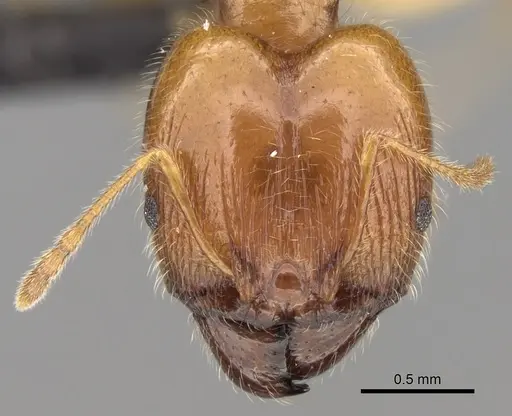
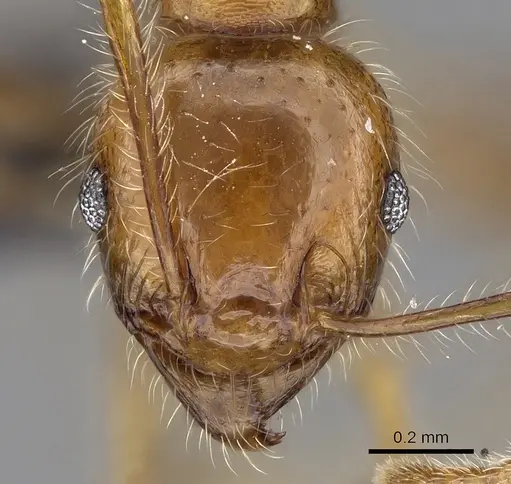
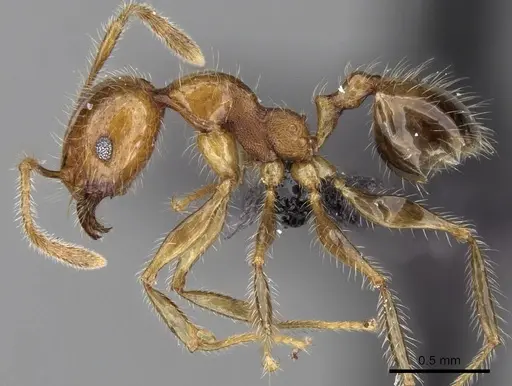
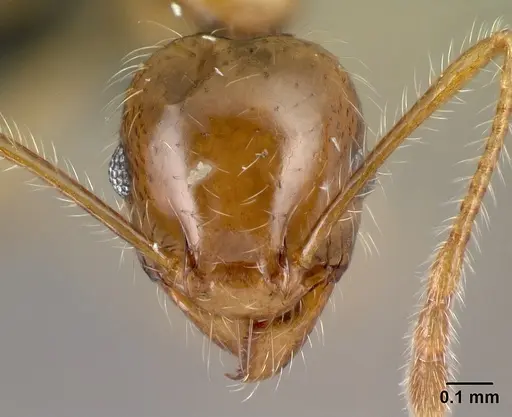
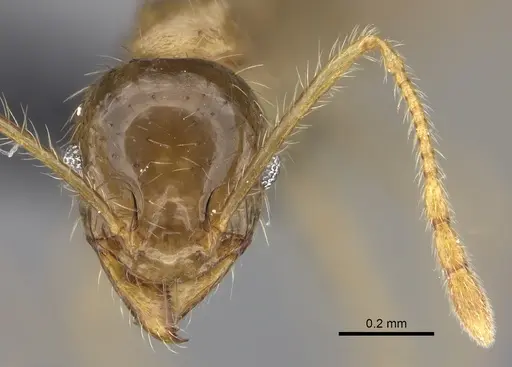
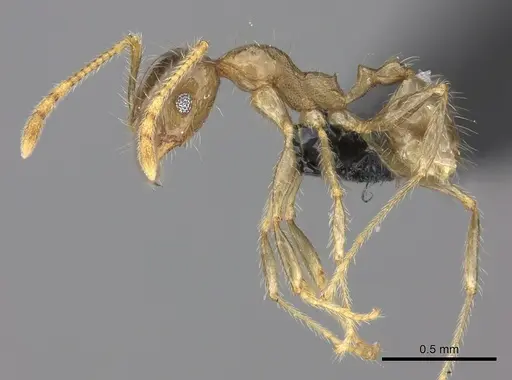
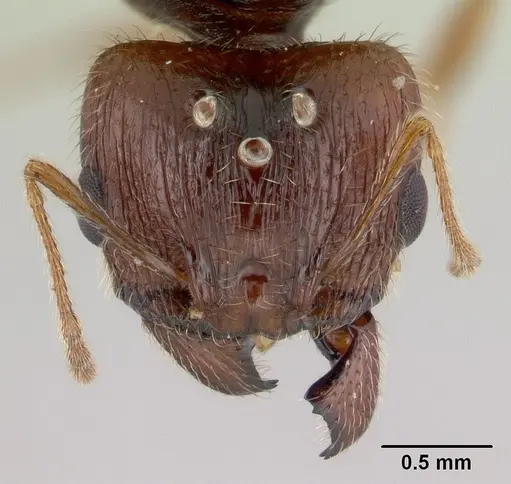
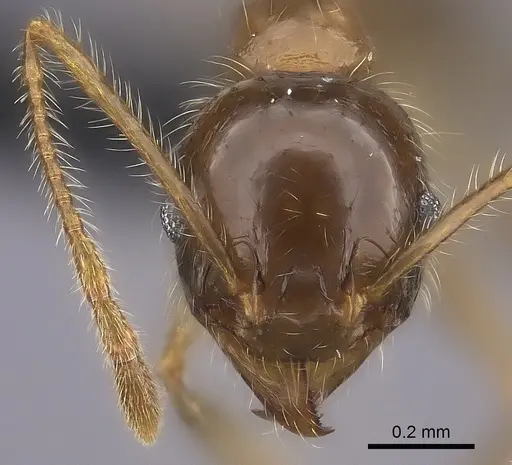
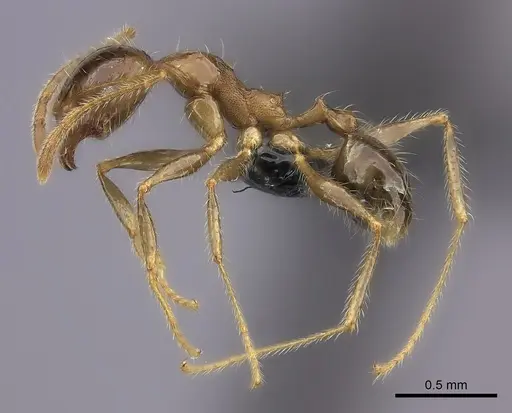
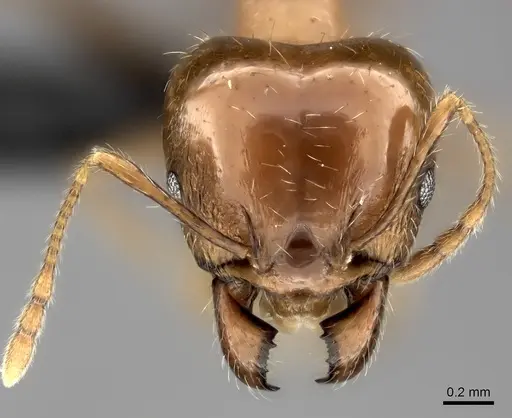
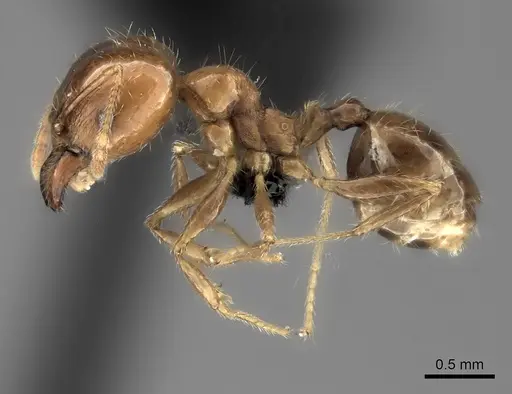
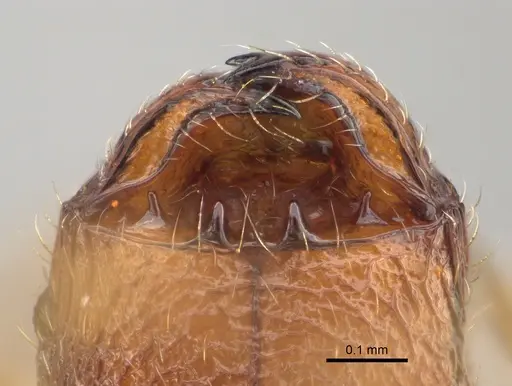
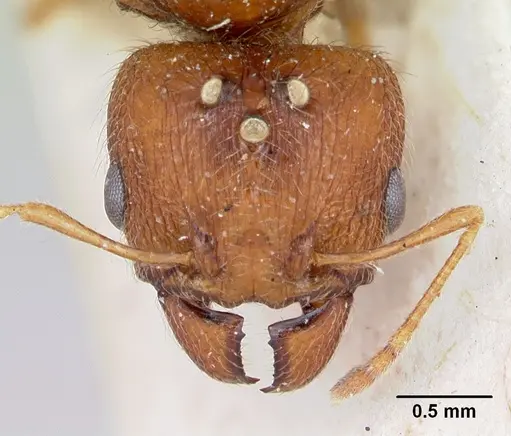
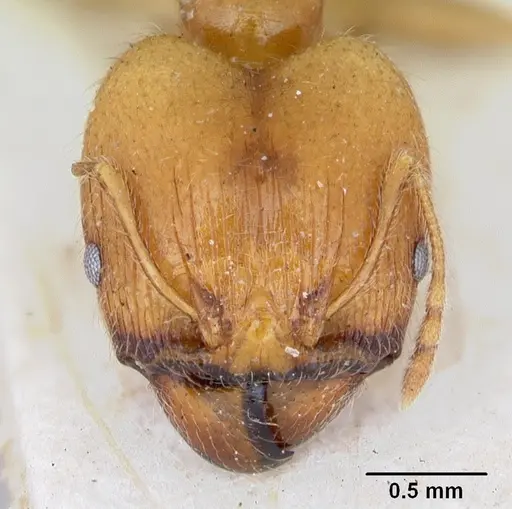
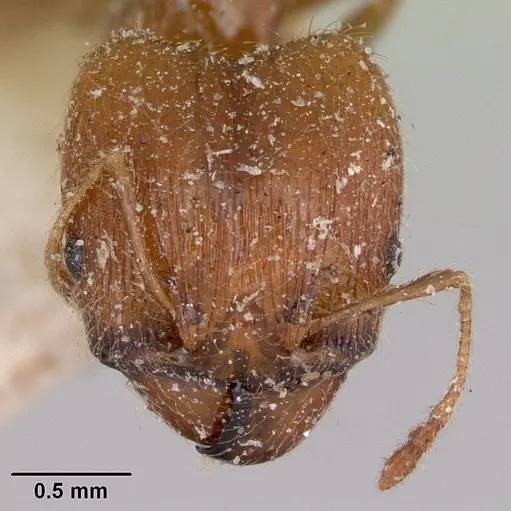
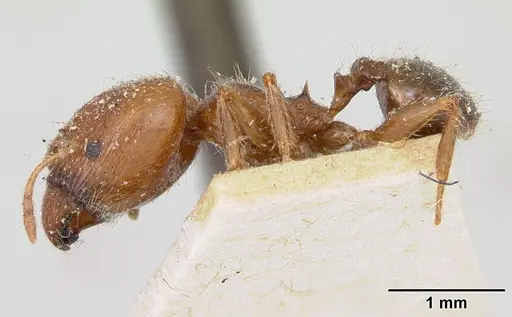
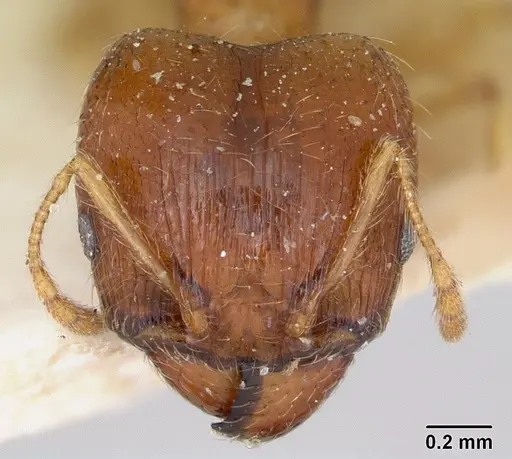
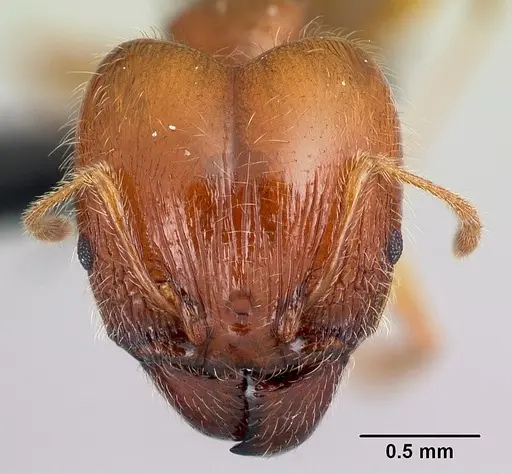
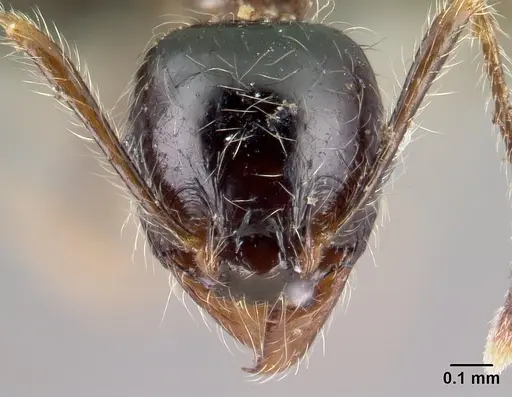
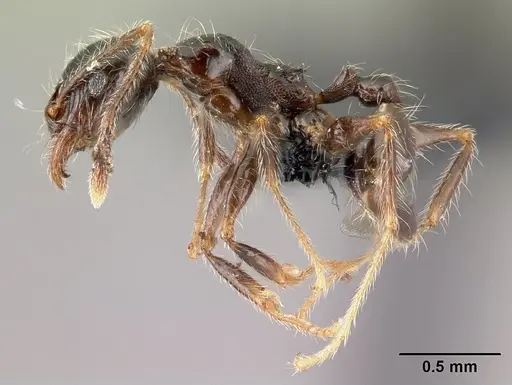
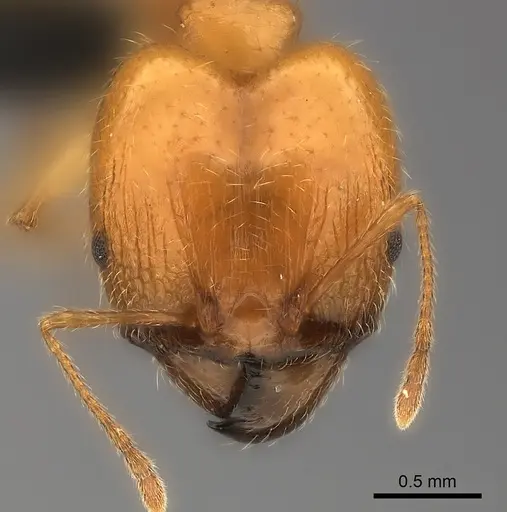
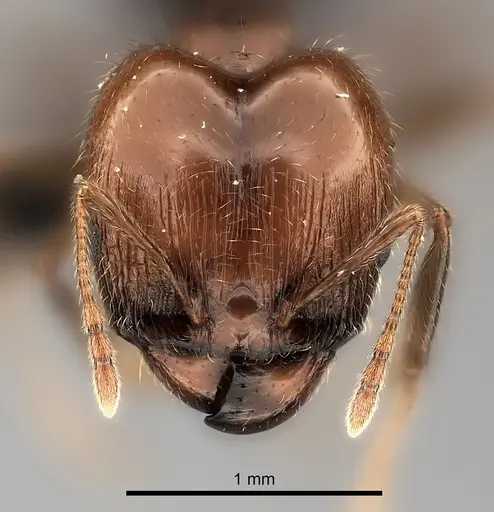
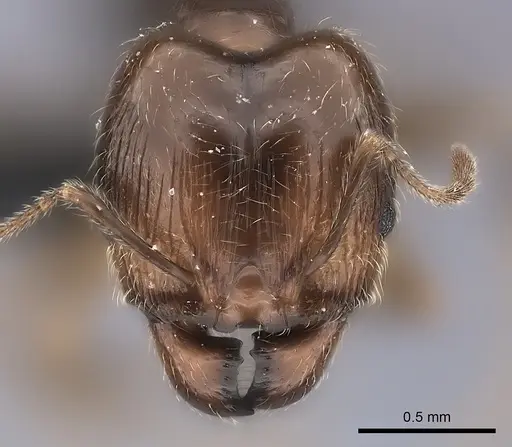
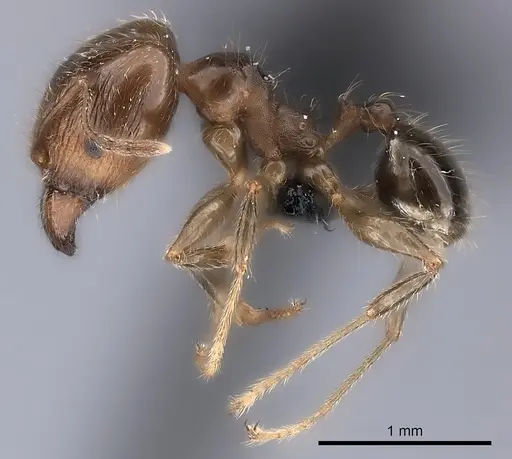
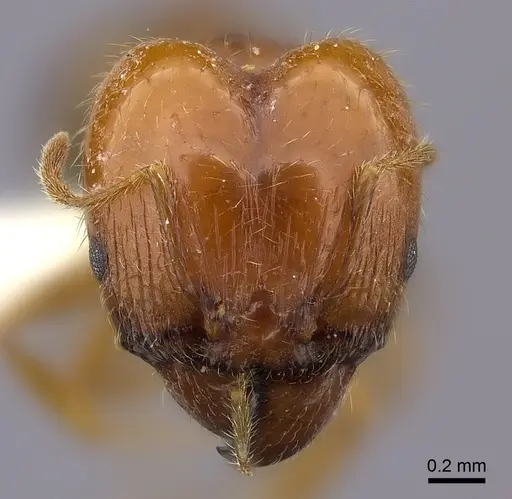
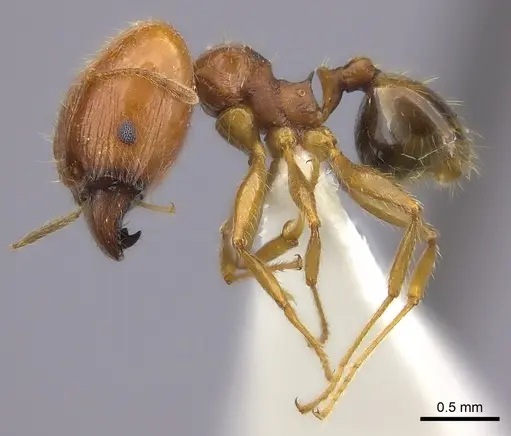
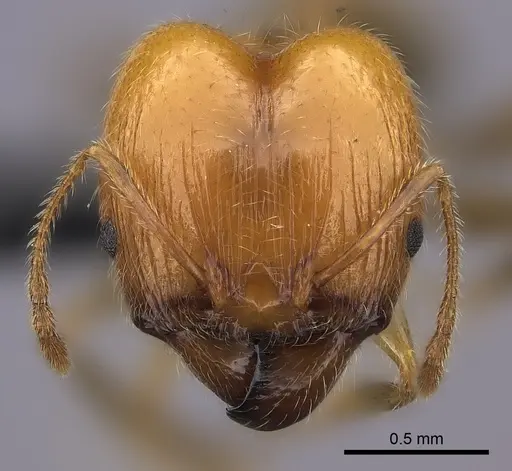
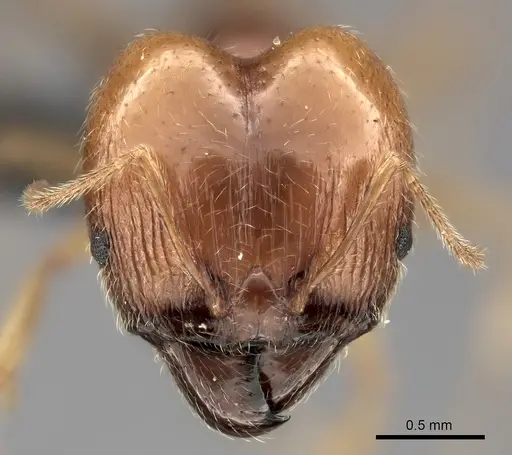
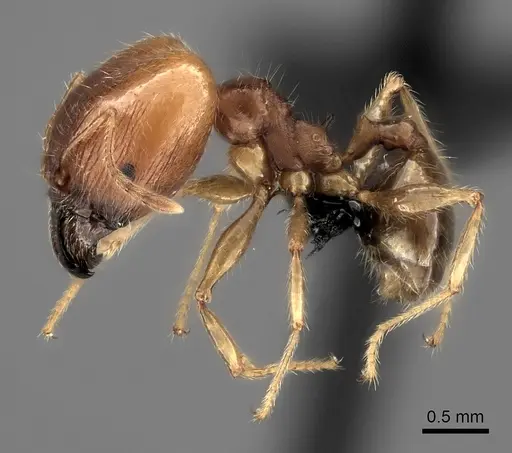
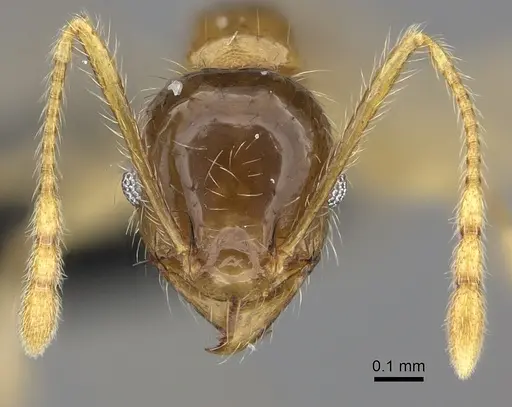
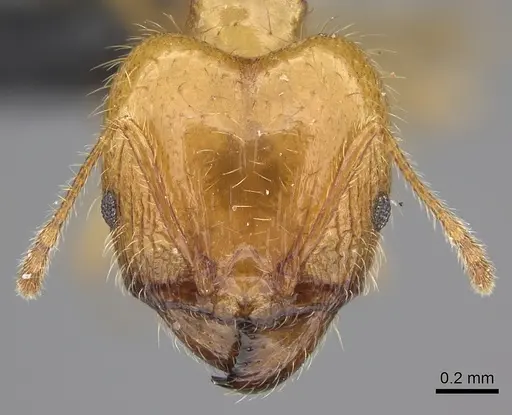
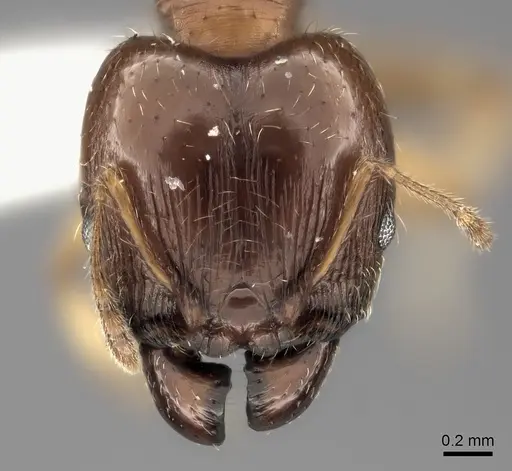
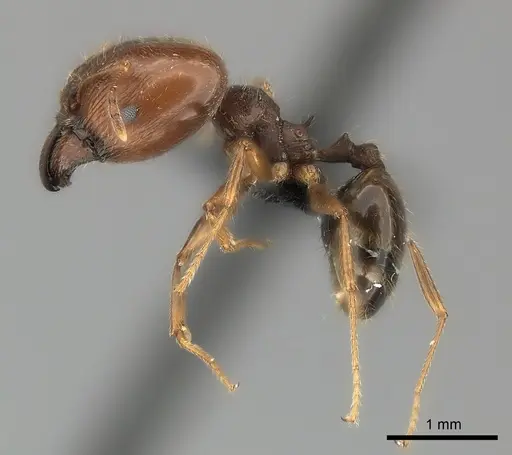
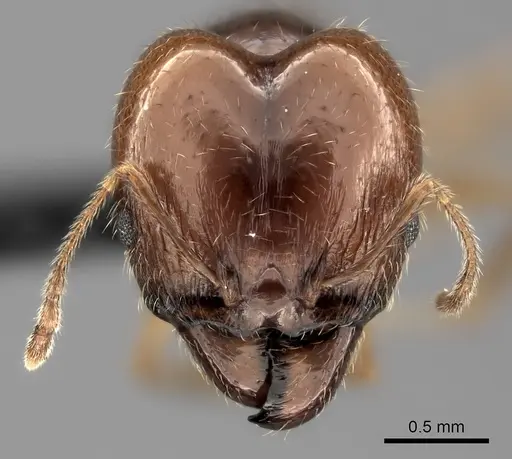
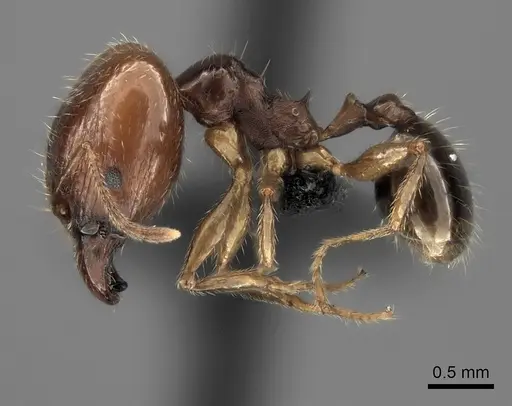
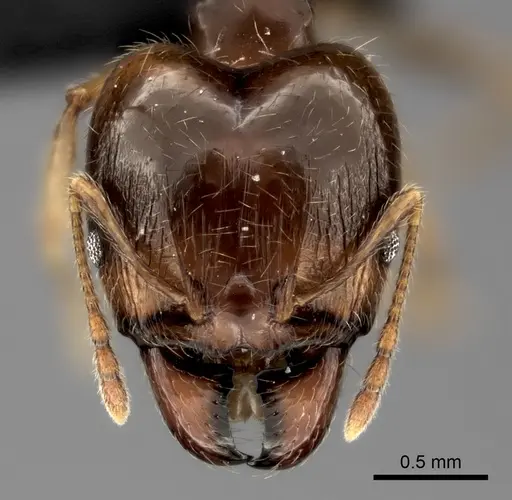
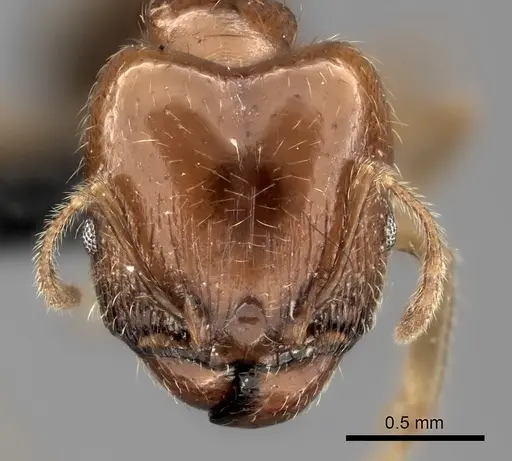
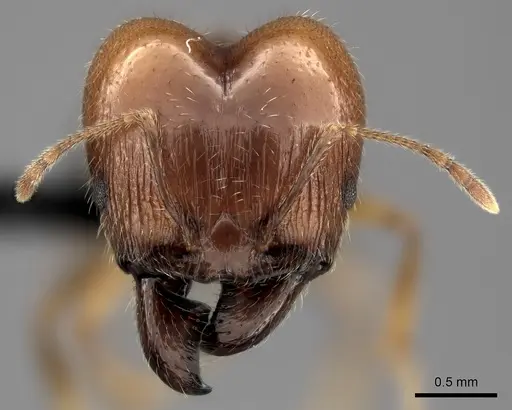
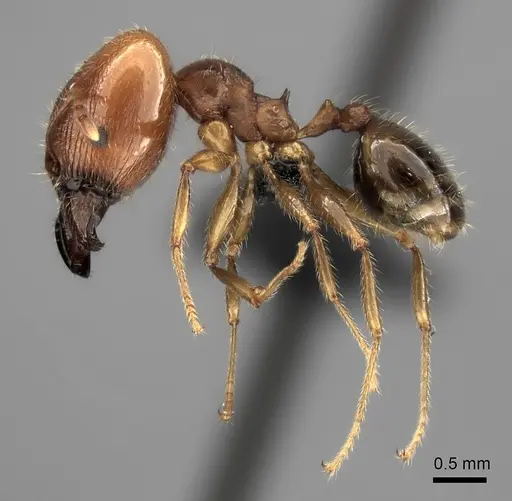
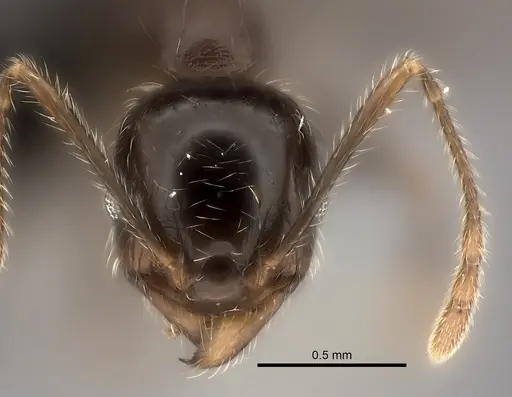
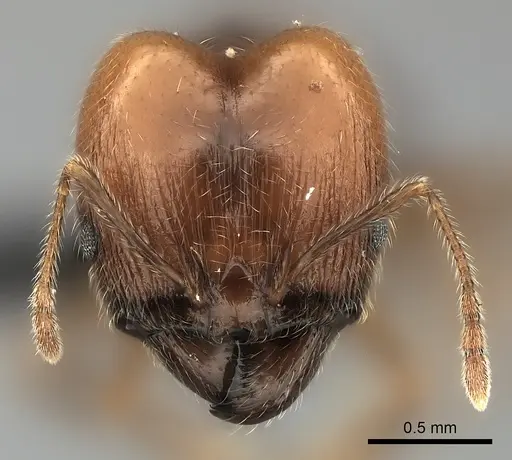
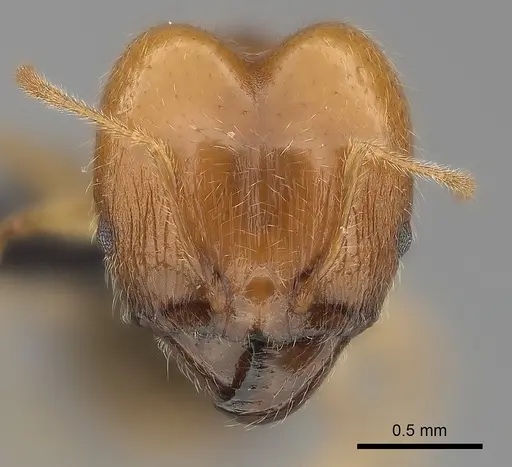
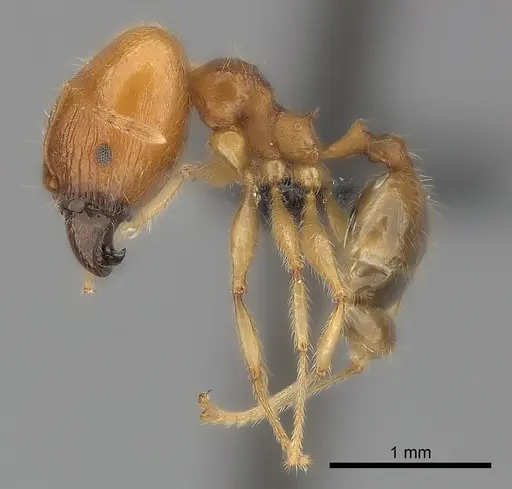
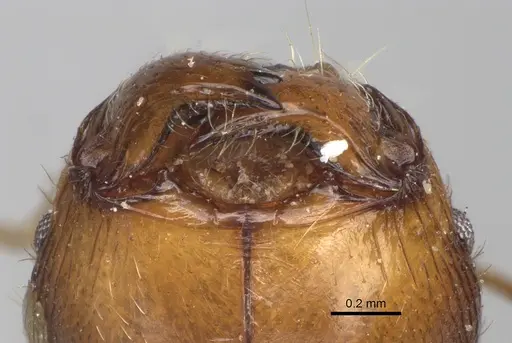
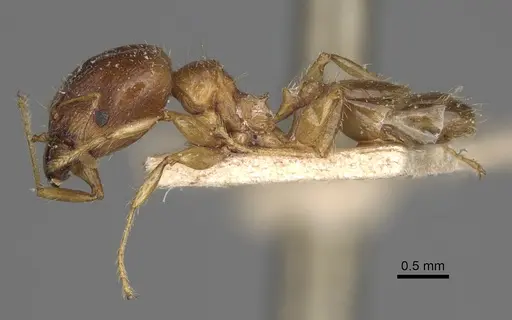
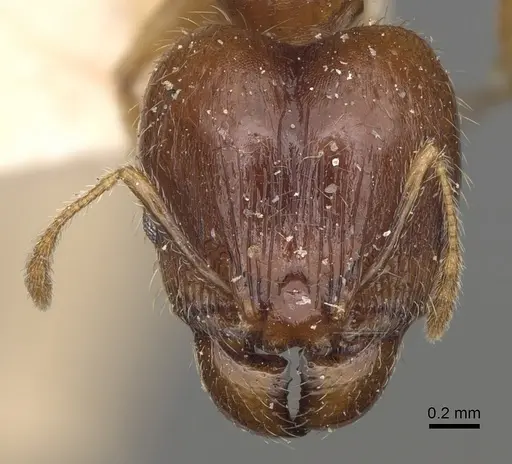
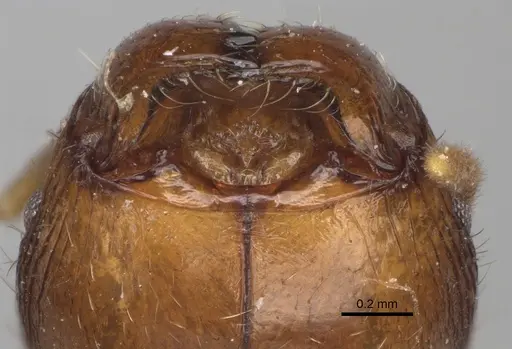
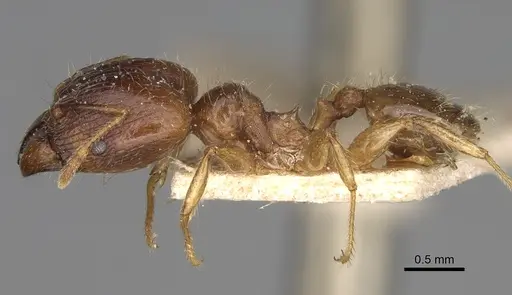
One of the most interesting features of Pheidole spinosa is that it is the only Malagasy Pheidole species confirmed to produce supermajors, an unusually large worker caste [1]. These supermajors develop in some colonies, particularly those from southern Madagascar and dry or open habitats. They are larger than regular majors, with more cordate (heart-shaped) heads, longer and thinner propodeal spines, and a shagreened (finely roughened) gaster. Not all colonies produce supermajors, and the conditions triggering their development are not fully understood. If your colony eventually produces supermajors, this is a sign of a healthy, mature colony. Regular majors are still present, and the supermajors likely assist with seed processing and colony defense.
Behavior and Colony Dynamics
Pheidole spinosa exhibits typical Pheidole colony behavior. Workers are active foragers that search the outworld for food sources. The colony will establish clear foraging trails once they find a reliable food source. Major workers (soldiers) defend the nest and help process larger food items and seeds. The supermajors, when present, likely serve similar functions but with increased efficiency due to their larger size. This species is not particularly aggressive toward humans but will vigorously defend against nest disturbances. They are not known for painful stings, Pheidole stings are typically mild due to the ants' small size. Colonies grow gradually at first during the claustral founding phase, then accelerate once the first workers (nanitics) emerge. [2][1]
Frequently Asked Questions
How long does it take for Pheidole spinosa to have first workers?
Based on typical Pheidole development, expect first workers (nanitics) around 6-8 weeks after the queen lays eggs, assuming optimal temperatures around 24-26°C. The exact timing depends on temperature and feeding.
What do Pheidole spinosa ants eat?
They are omnivores. Offer small insects (fruit flies, pinhead crickets, mealworms) as protein 2-3 times weekly, plus a constant sugar source (honey water or sugar water). They may also accept seeds once the colony has major workers [3].
Are Pheidole spinosa good for beginners?
They are rated as medium difficulty. The main challenges are their slow founding phase and the need for proper humidity. If you have experience with other Pheidole species or have kept ants before, they are a good choice.
Will my colony produce supermajors?
Not all colonies produce supermajors, this is a variable trait. They are more commonly produced in colonies from southern Madagascar and dry or open habitats. Even if your colony doesn't produce them, it can still be healthy and successful [1].
What temperature should I keep Pheidole spinosa at?
Keep the nest at 22-26°C. A temperature gradient is ideal so the ants can choose their preferred spot. Avoid temperatures below 18°C or above 30°C [1].
Do Pheidole spinosa need hibernation?
Unknown, as a tropical species from Madagascar, they likely do not require a true diapause. Some reduction in activity may occur during cooler months, but standard room temperatures should keep them active year-round.
When should I move my colony to a formicarium?
Keep newly caught or newly founded colonies in a test tube setup until they reach 20-30 workers. At this point, you can transition them to a Y-tong (AAC) or plaster nest with multiple chambers [1].
How big do Pheidole spinosa colonies get?
Colony size is not directly documented, but based on typical Pheidole species, expect up to several hundred workers at maturity. The presence of supermajors indicates a mature, well-established colony.
Can I keep multiple Pheidole spinosa queens together?
Not recommended without specific documentation. While some Pheidole species can be polygynous, combining unrelated queens of this species has not been studied. It's best to keep one queen per colony.
Report an Issue
The current care sheet is based fully on literature. See inconsistencies, or something that's incorrect? Please , it will be resolved after review from an admin. Contributing to the blogs tab also helps providing information, to make us be able to further improve the caresheets. Thank you for your support!
References

Dit verzorgingsblad is gelicentieerd onder CC BY-SA 4.0 .
Community-blogs
CASENT0017395
Bekijk op AntWeb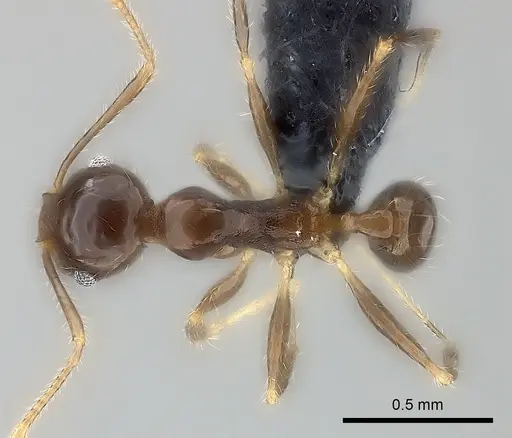
CASENT0021499
Bekijk op AntWeb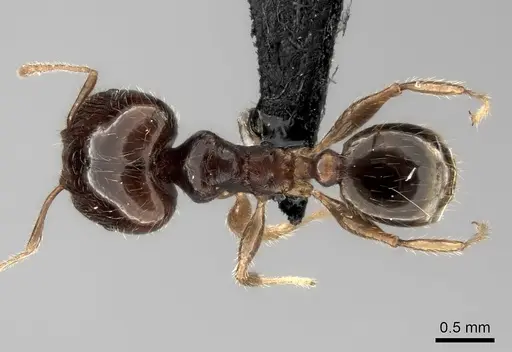
CASENT0031136
Bekijk op AntWeb
CASENT0031188
Bekijk op AntWeb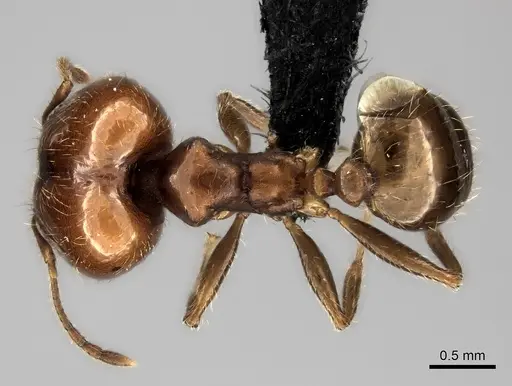
CASENT0032083
Bekijk op AntWeb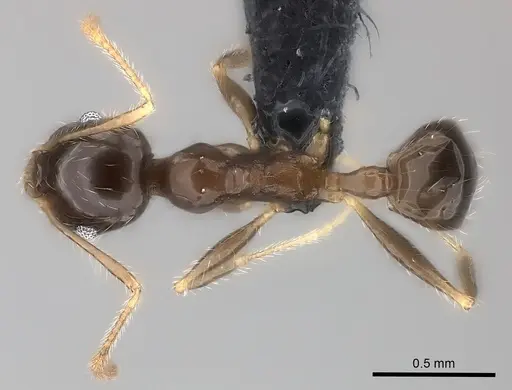
CASENT0056087
Bekijk op AntWeb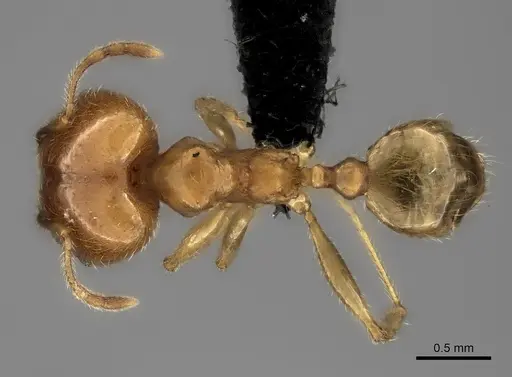
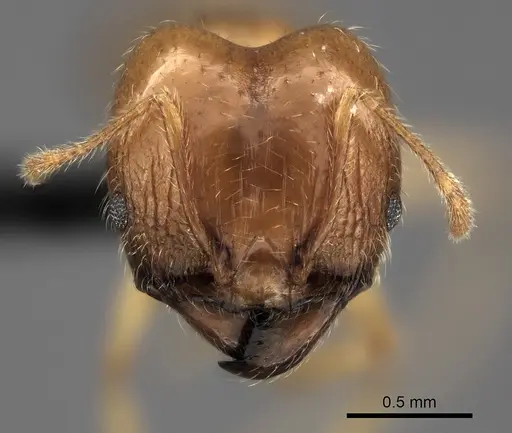
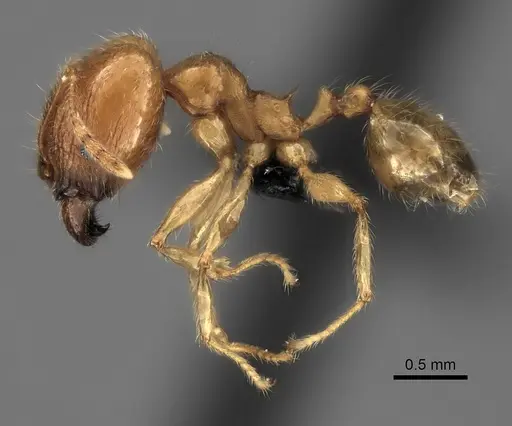
CASENT0059104
Bekijk op AntWeb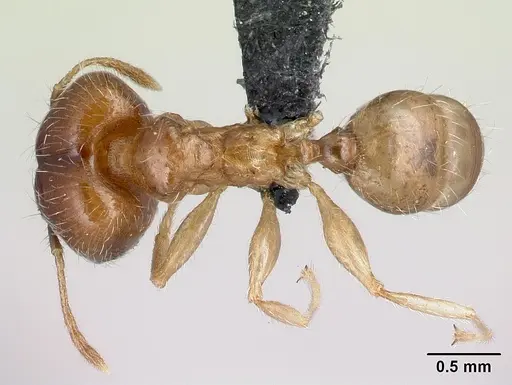
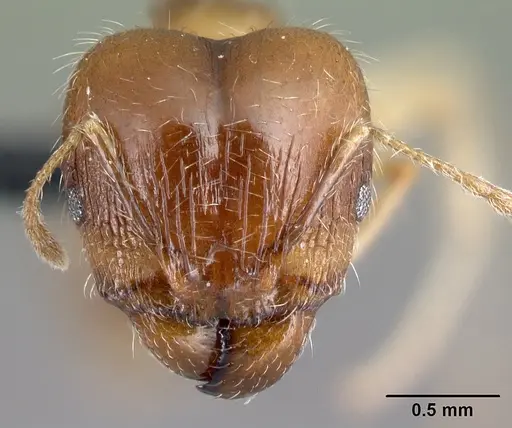
CASENT0059151
Bekijk op AntWeb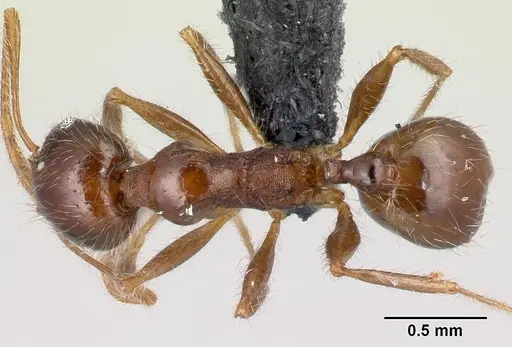
CASENT0060805
Bekijk op AntWeb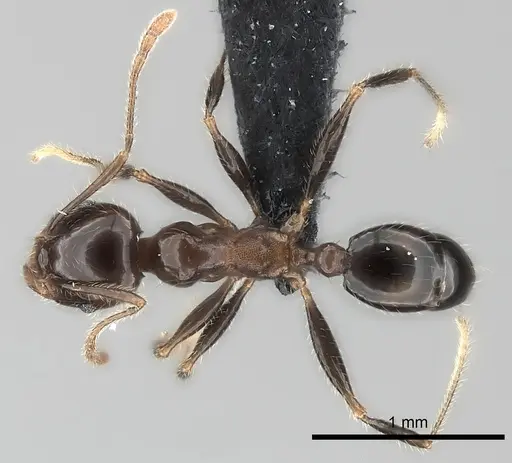
CASENT0064058
Bekijk op AntWeb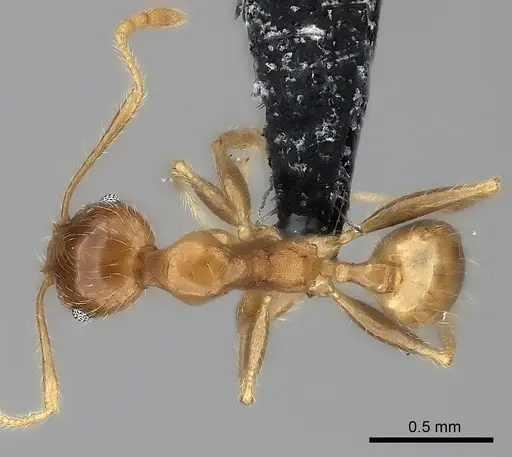
CASENT0064466
Bekijk op AntWeb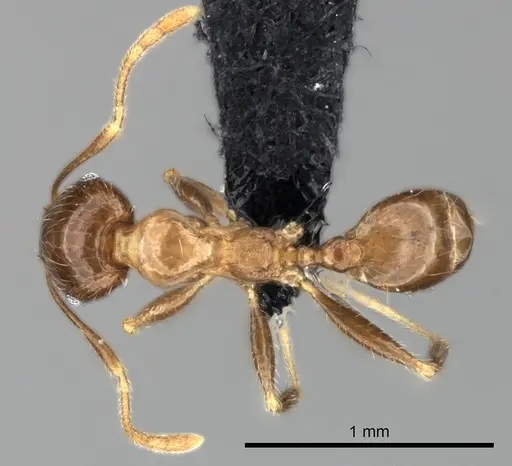
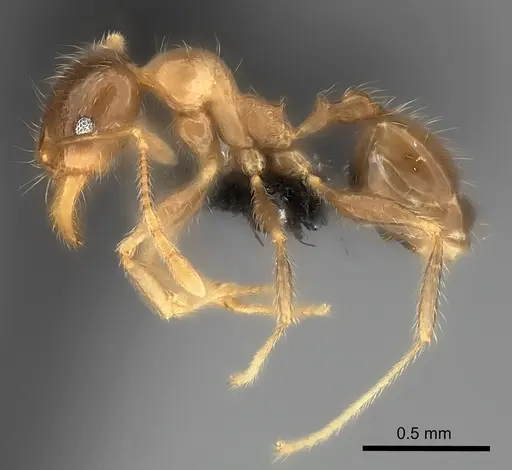
CASENT0071966
Bekijk op AntWeb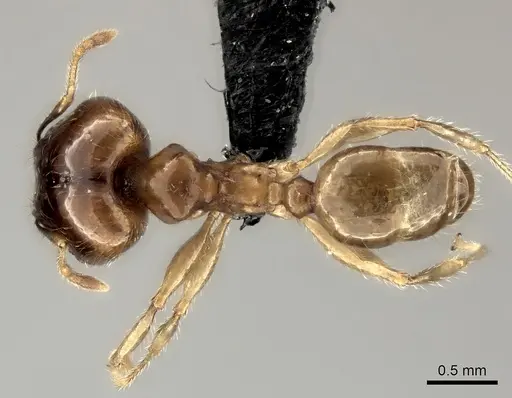
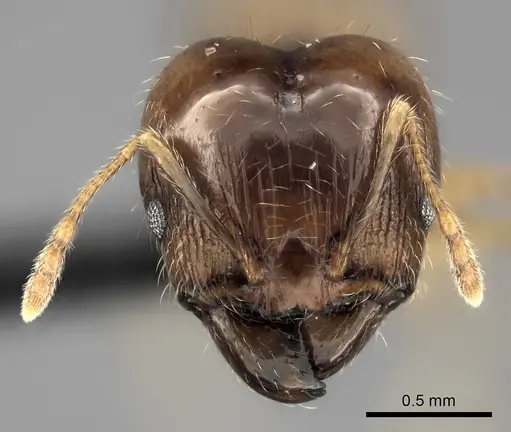
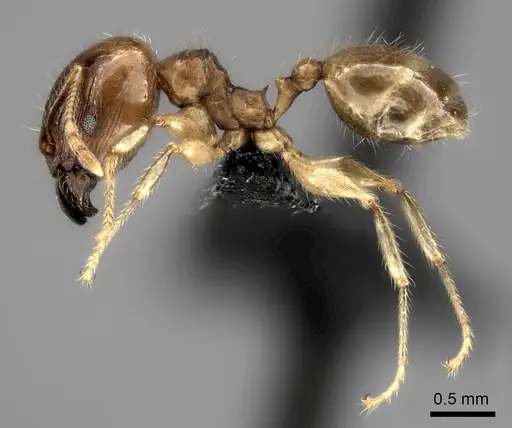
CASENT0076341
Bekijk op AntWeb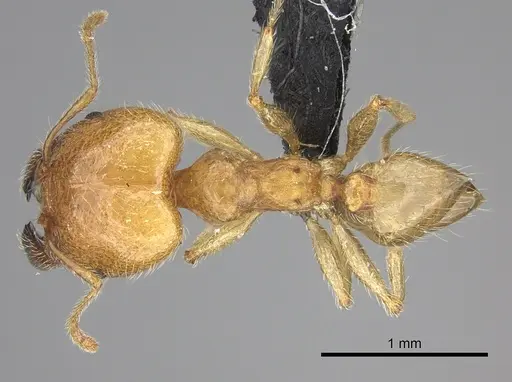
CASENT0076342
Bekijk op AntWeb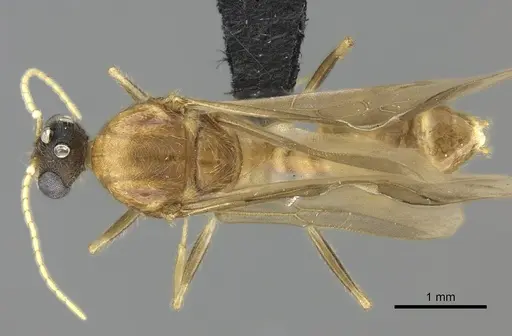
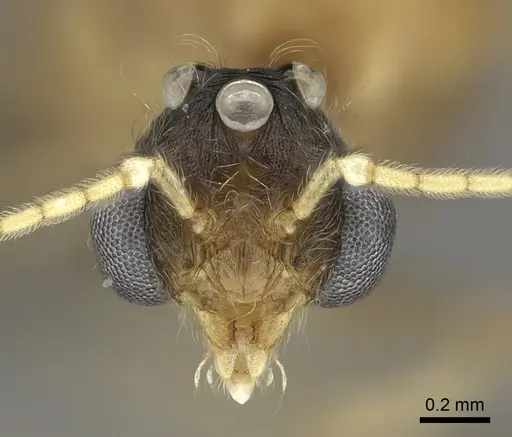

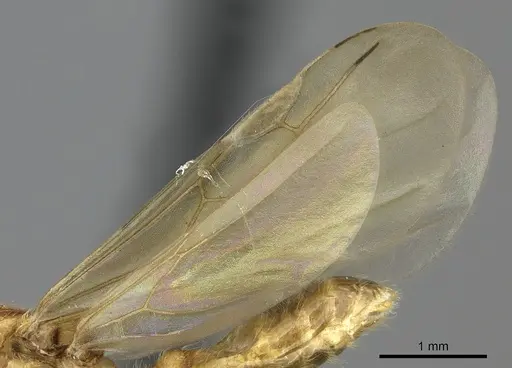
CASENT0076474
Bekijk op AntWeb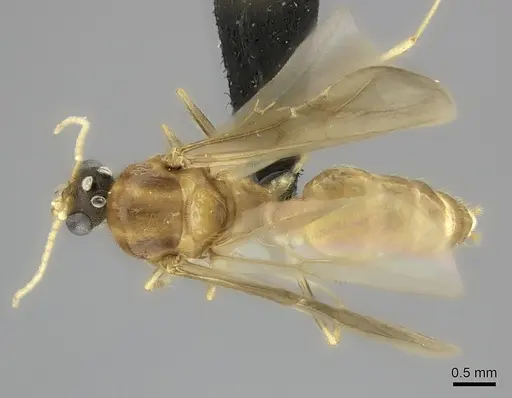
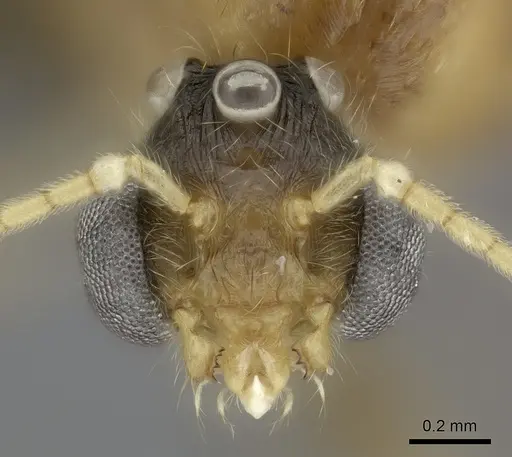
CASENT0101330
Bekijk op AntWeb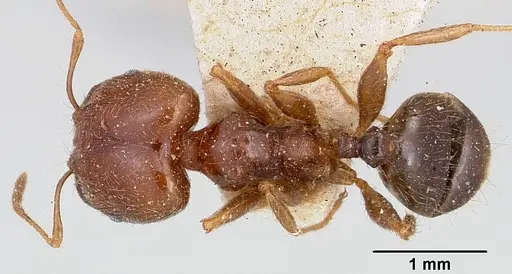
CASENT0101331
Bekijk op AntWeb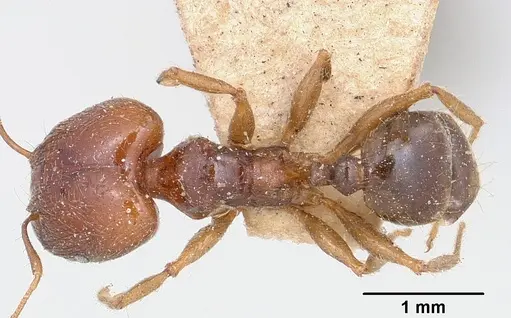
CASENT0101332
Bekijk op AntWeb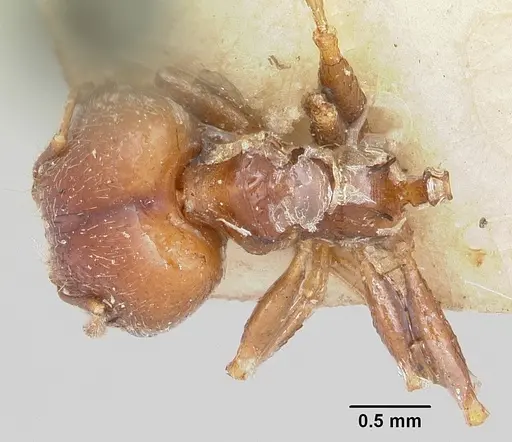
CASENT0101333
Bekijk op AntWeb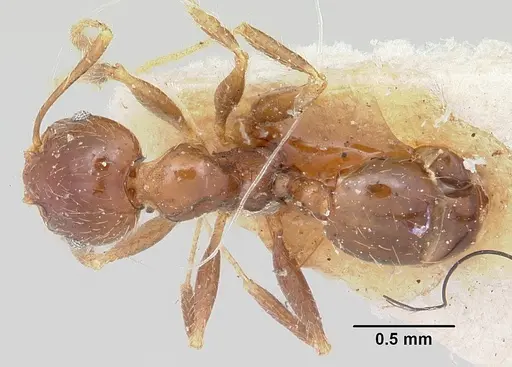
CASENT0101554
Bekijk op AntWeb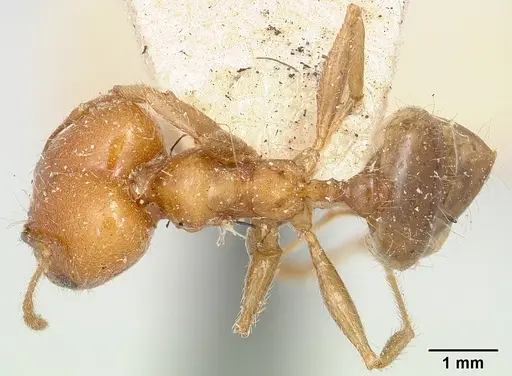
CASENT0101560
Bekijk op AntWeb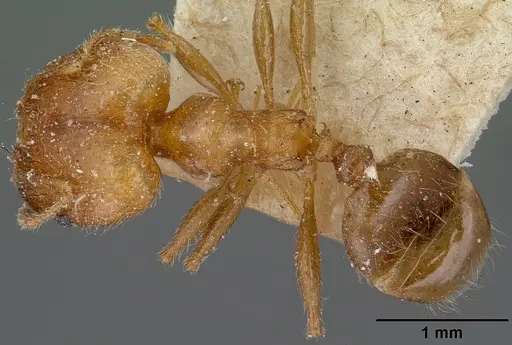
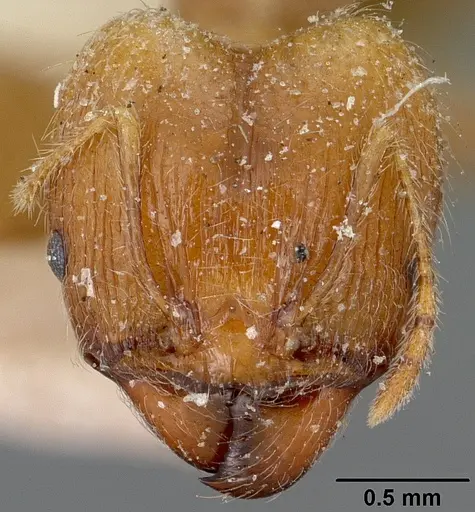
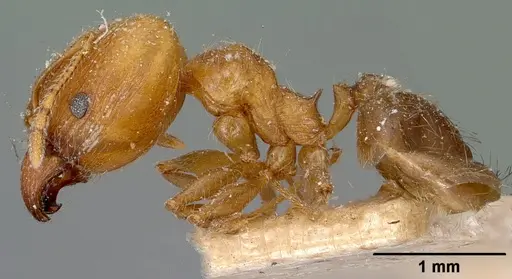
CASENT0101570
Bekijk op AntWeb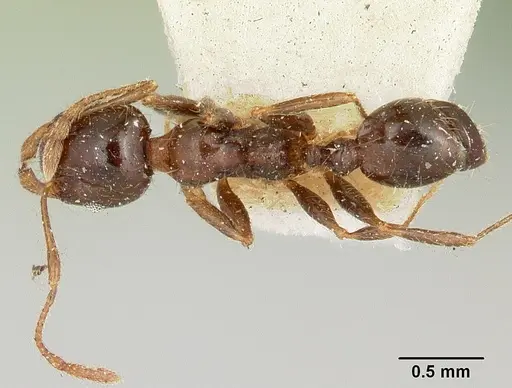
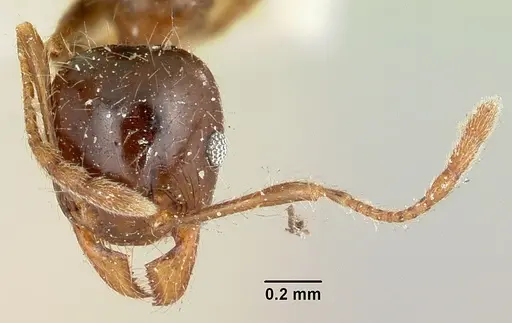
CASENT0101580
Bekijk op AntWeb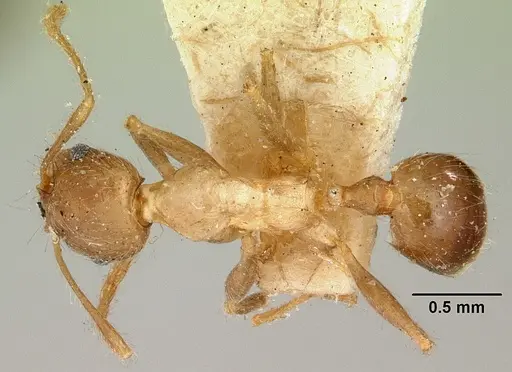
CASENT0101637
Bekijk op AntWeb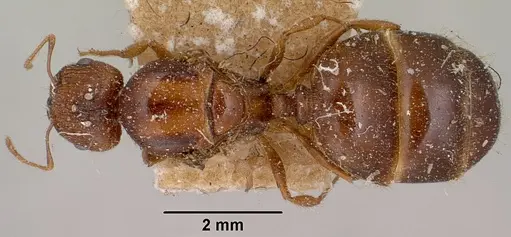
CASENT0101755
Bekijk op AntWeb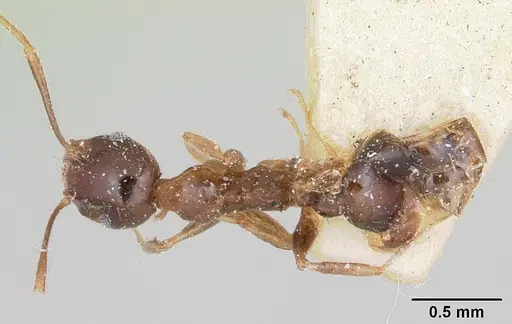
CASENT0101767
Bekijk op AntWeb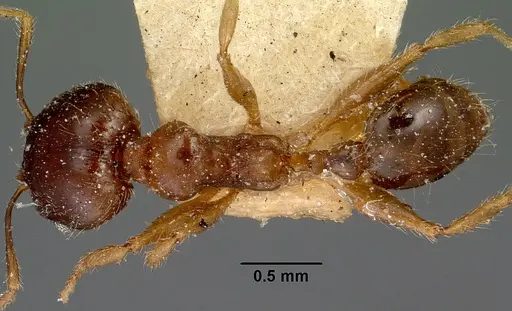
CASENT0101799
Bekijk op AntWeb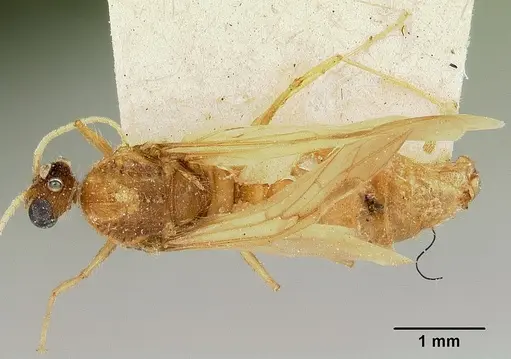
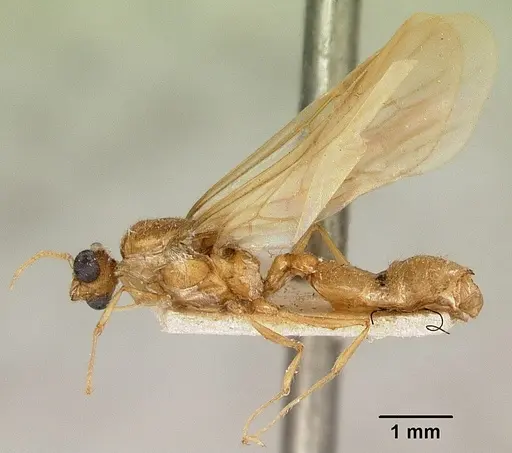
CASENT0101820
Bekijk op AntWeb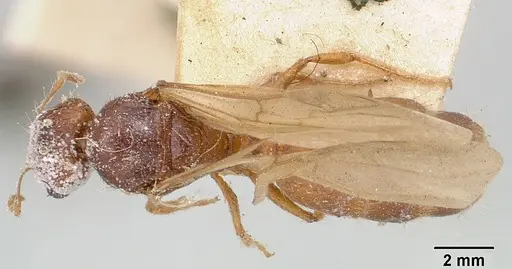
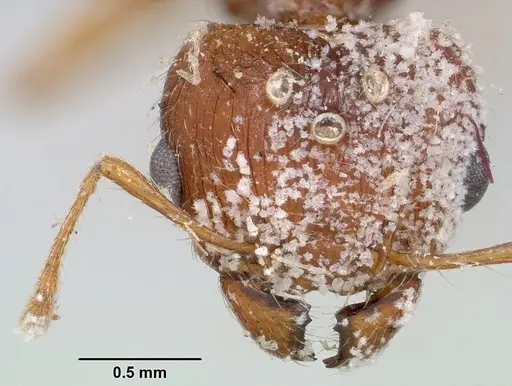
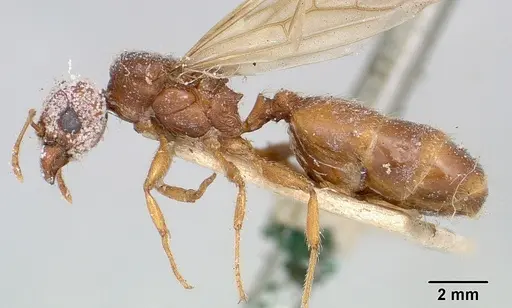
CASENT0101846
Bekijk op AntWeb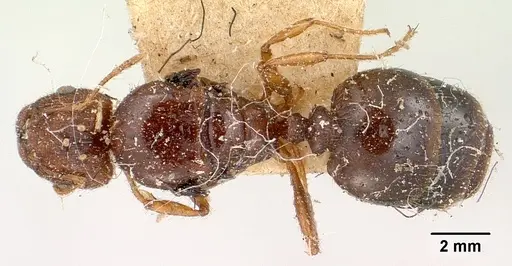
CASENT0101971
Bekijk op AntWeb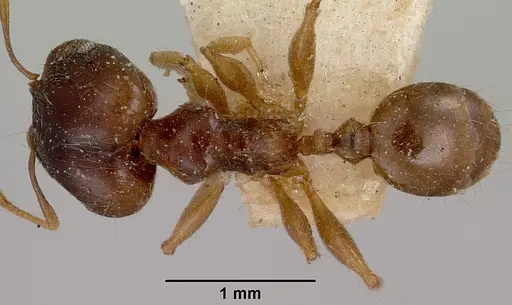
CASENT0103296
Bekijk op AntWeb
CASENT0103297
Bekijk op AntWeb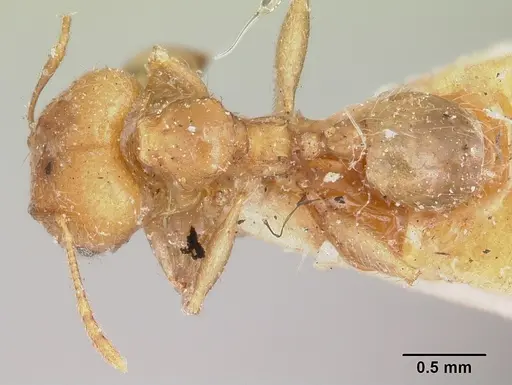
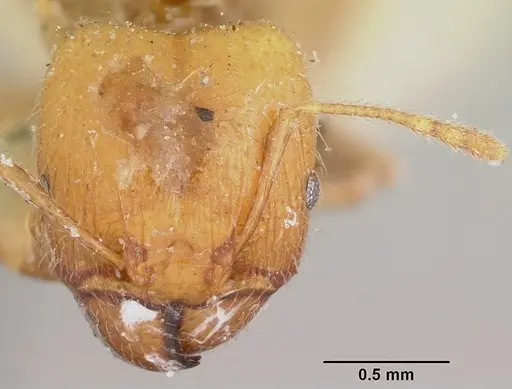
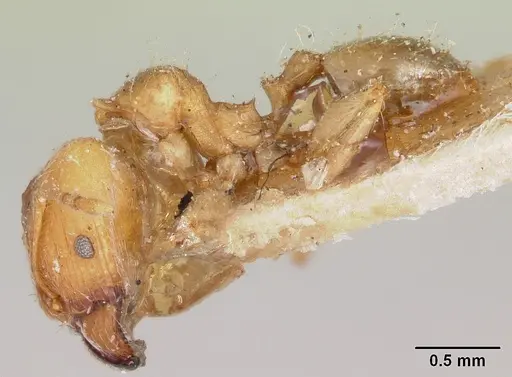
CASENT0103307
Bekijk op AntWeb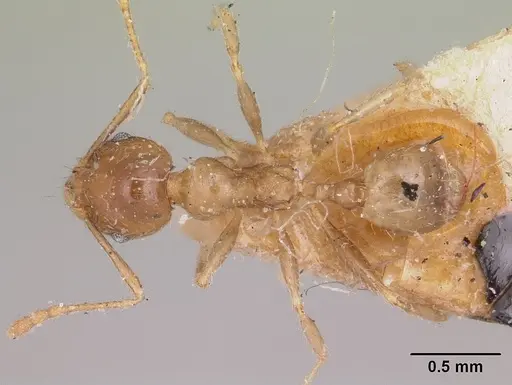
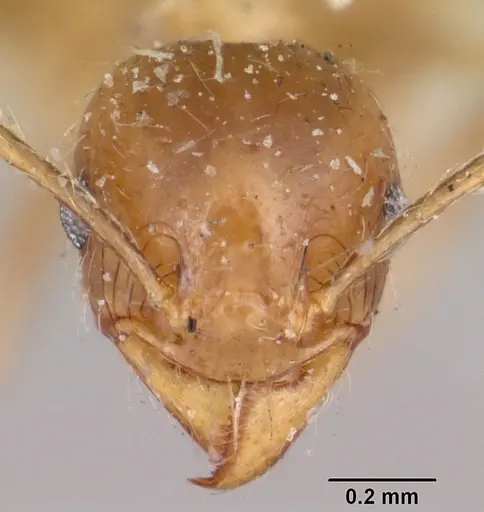
CASENT0103308
Bekijk op AntWeb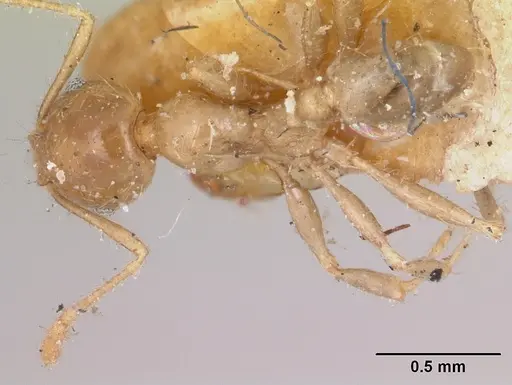
CASENT0104594
Bekijk op AntWeb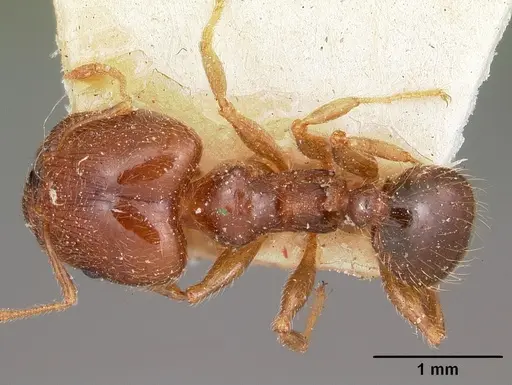
CASENT0104595
Bekijk op AntWeb
CASENT0107891
Bekijk op AntWeb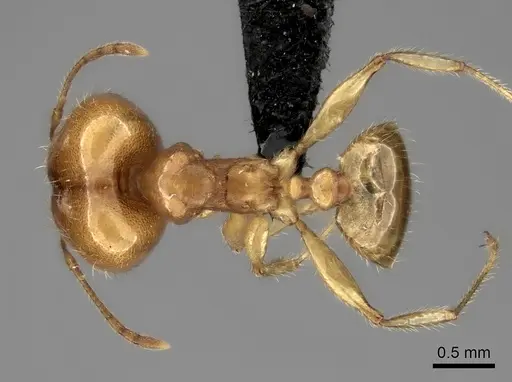
CASENT0109737
Bekijk op AntWeb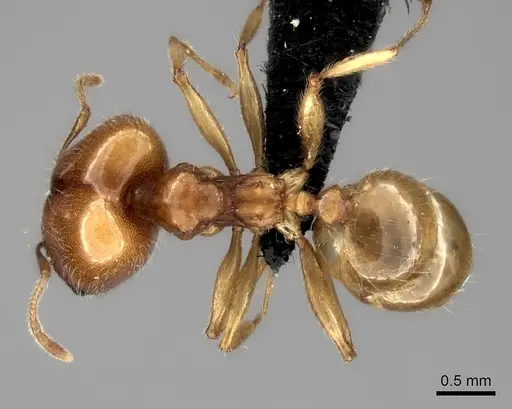
CASENT0110610
Bekijk op AntWeb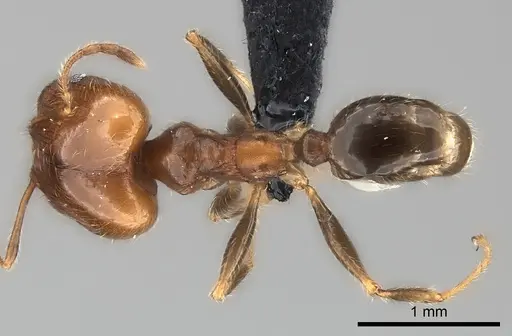
CASENT0120389
Bekijk op AntWeb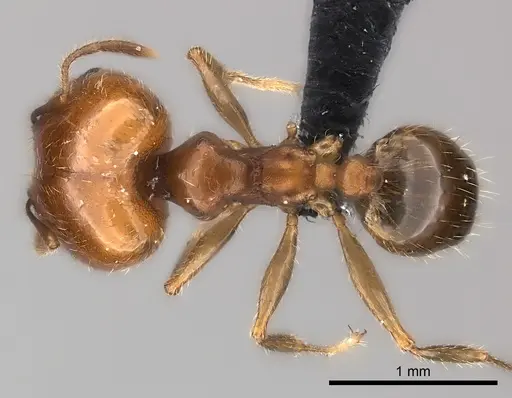
CASENT0120611
Bekijk op AntWeb
CASENT0122716
Bekijk op AntWeb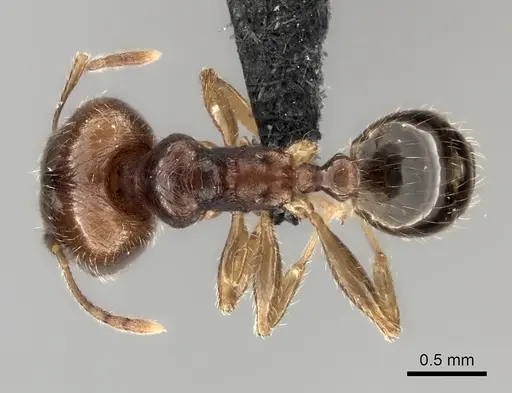
CASENT0124203
Bekijk op AntWeb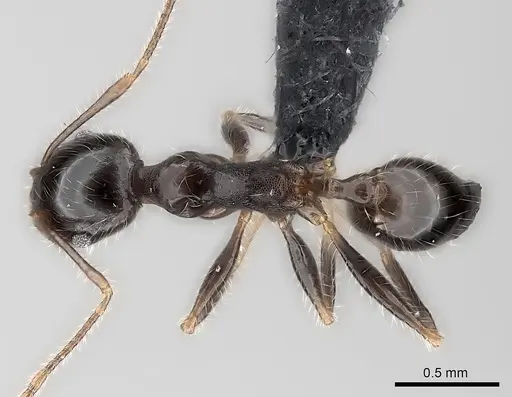
CASENT0124297
Bekijk op AntWeb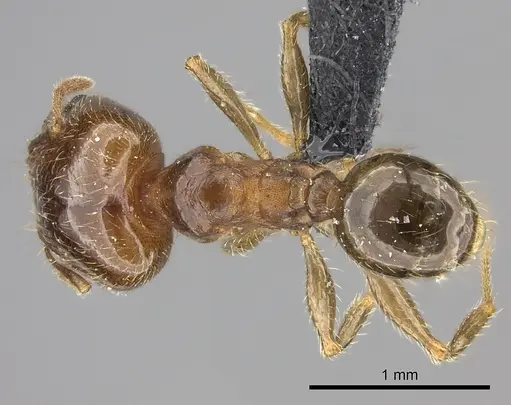
CASENT0128434
Bekijk op AntWeb
CASENT0132558
Bekijk op AntWeb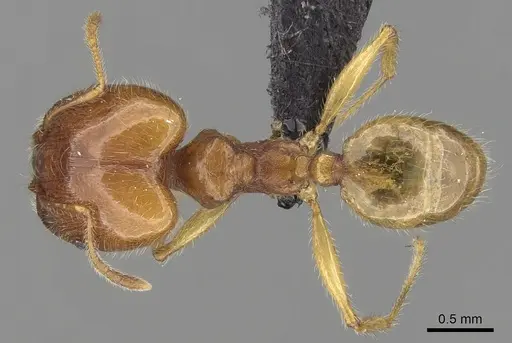
CASENT0132783
Bekijk op AntWeb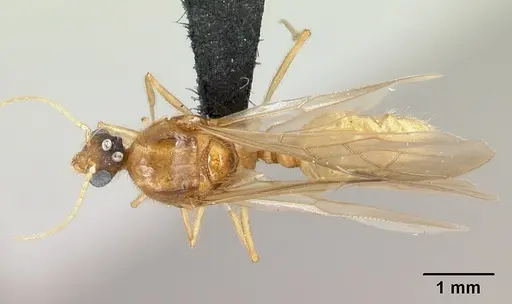
CASENT0132804
Bekijk op AntWeb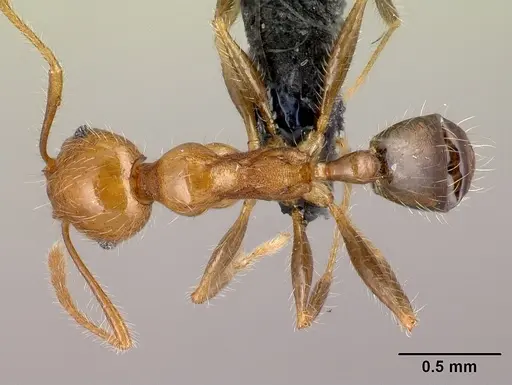
CASENT0133677
Bekijk op AntWeb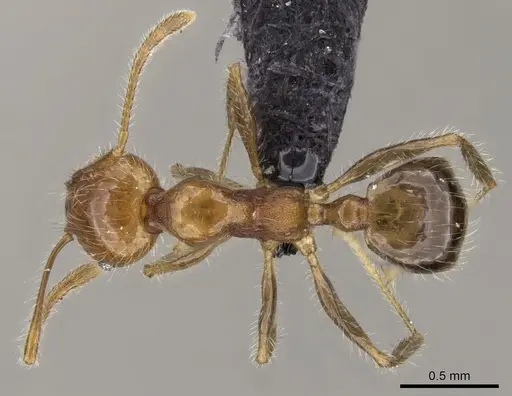
CASENT0134919
Bekijk op AntWeb
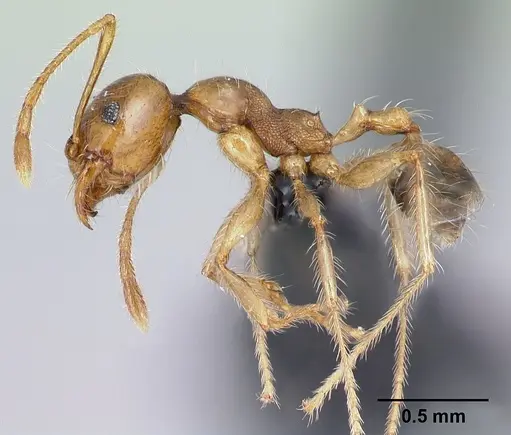
CASENT0137847
Bekijk op AntWeb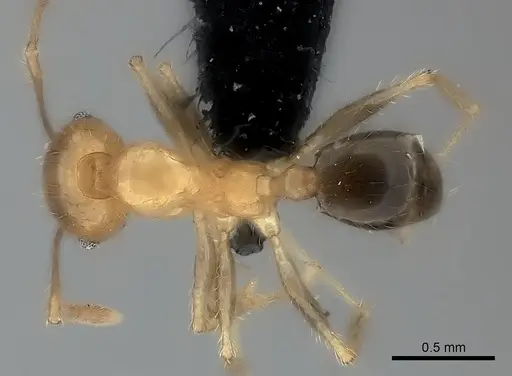
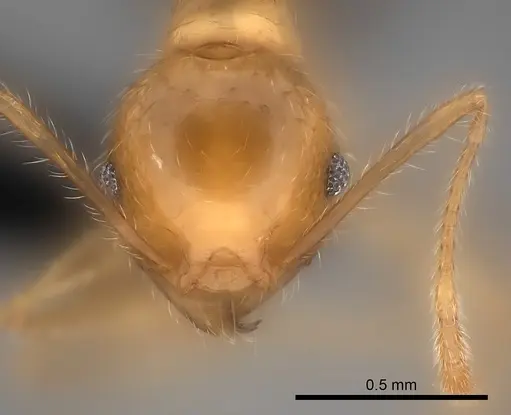
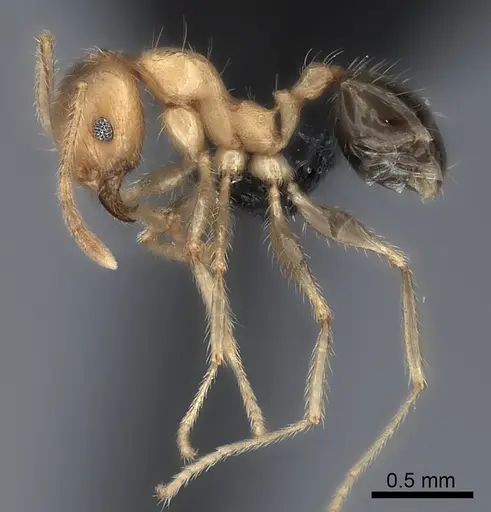
CASENT0137905
Bekijk op AntWeb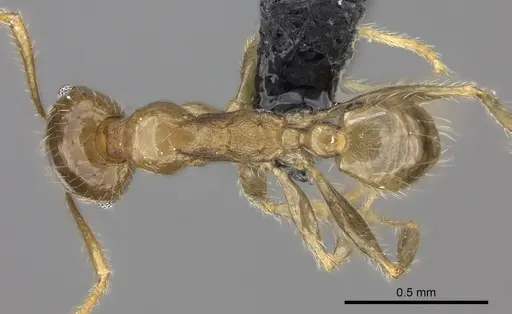
CASENT0146857
Bekijk op AntWeb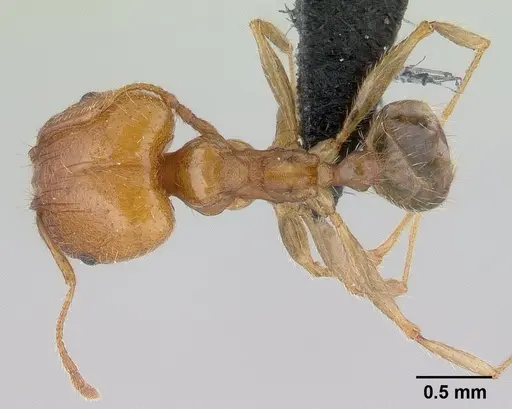
CASENT0146858
Bekijk op AntWeb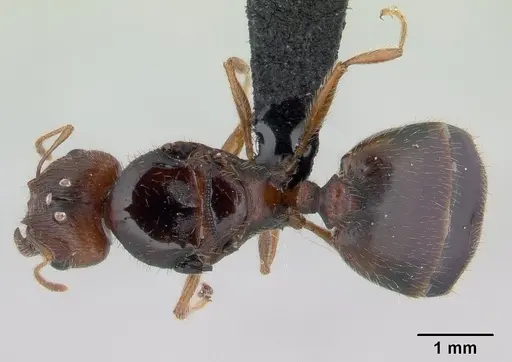
CASENT0149707
Bekijk op AntWeb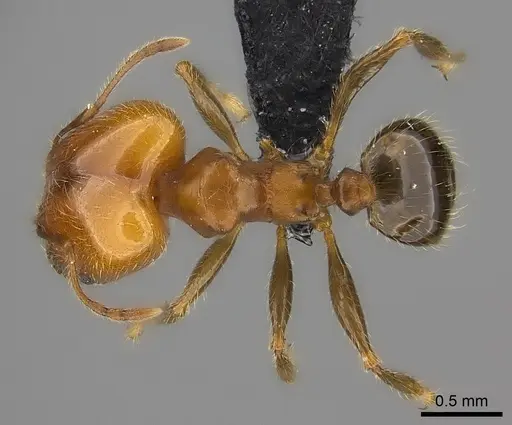
CASENT0152492
Bekijk op AntWeb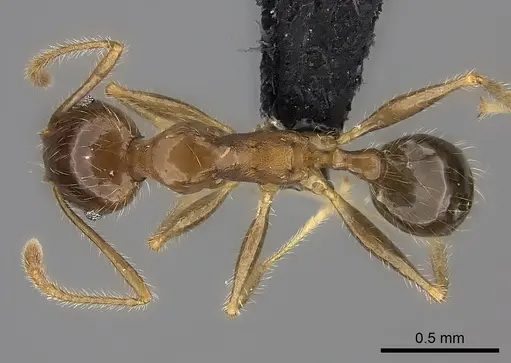
CASENT0152702
Bekijk op AntWeb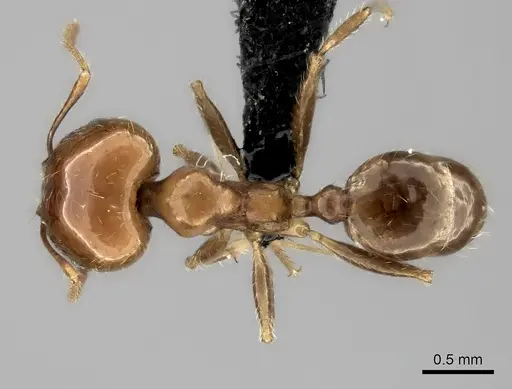
CASENT0156684
Bekijk op AntWeb
CASENT0172973
Bekijk op AntWeb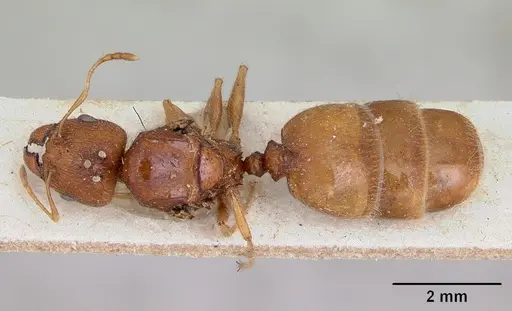
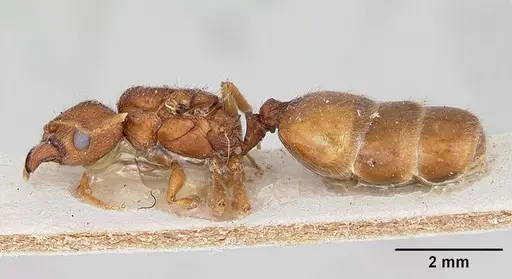
CASENT0172974
Bekijk op AntWeb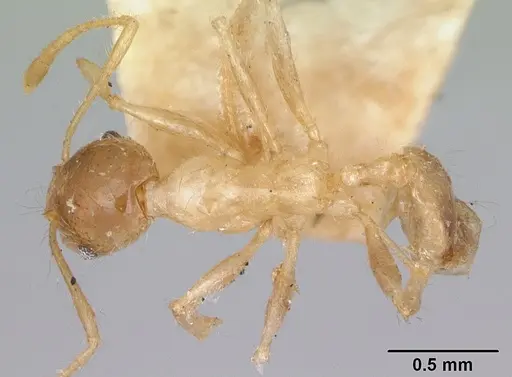
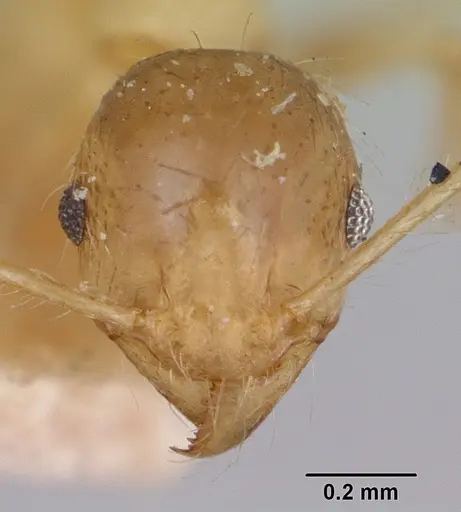
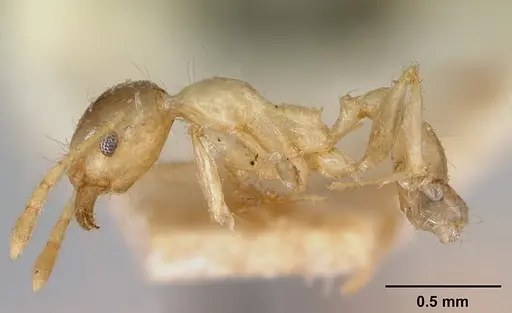
CASENT0172975
Bekijk op AntWeb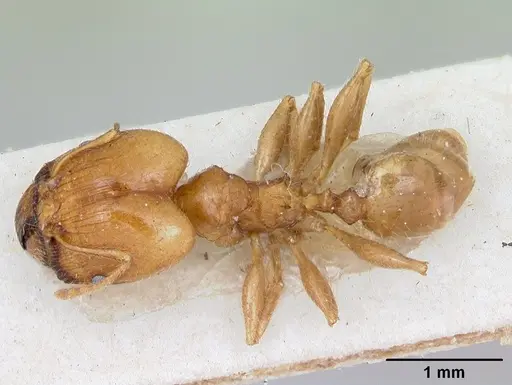
CASENT0172976
Bekijk op AntWeb
CASENT0173312
Bekijk op AntWeb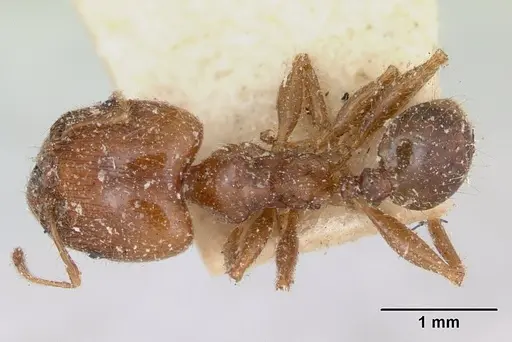
CASENT0173313
Bekijk op AntWeb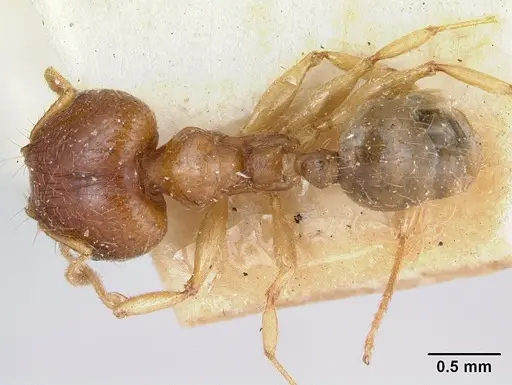
CASENT0179507
Bekijk op AntWeb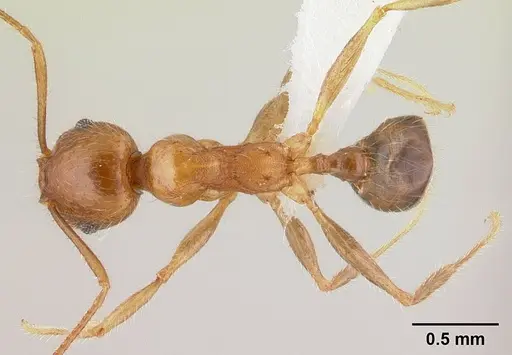
CASENT0179571
Bekijk op AntWeb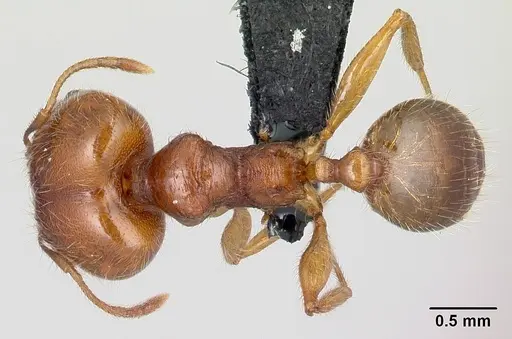
CASENT0196186
Bekijk op AntWeb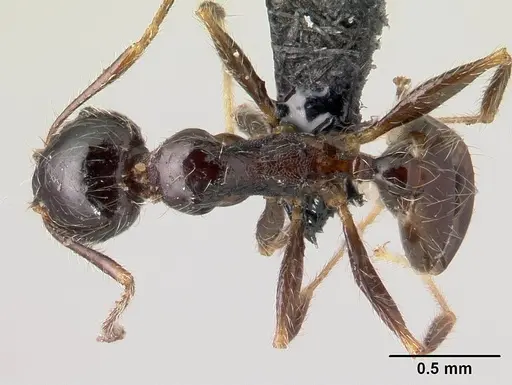
CASENT0198327
Bekijk op AntWeb
CASENT0217990
Bekijk op AntWeb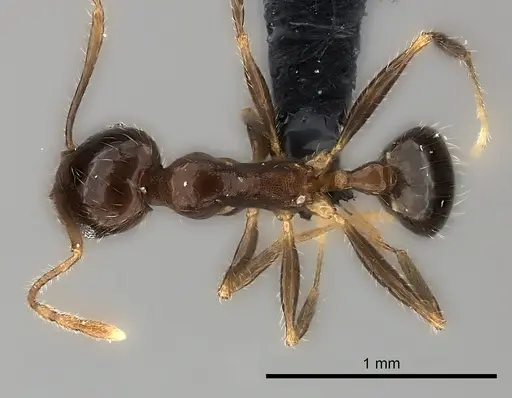
CASENT0217997
Bekijk op AntWeb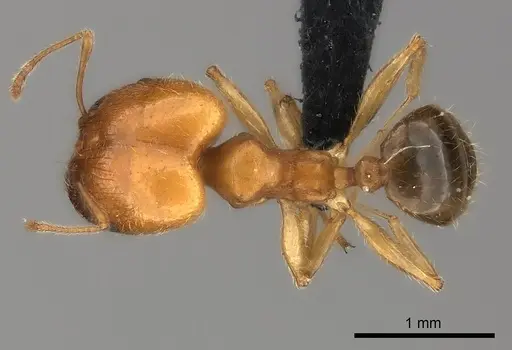
CASENT0217998
Bekijk op AntWeb
CASENT0217999
Bekijk op AntWeb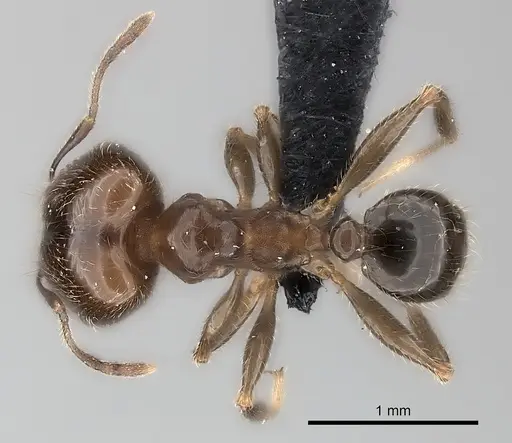
CASENT0235115
Bekijk op AntWeb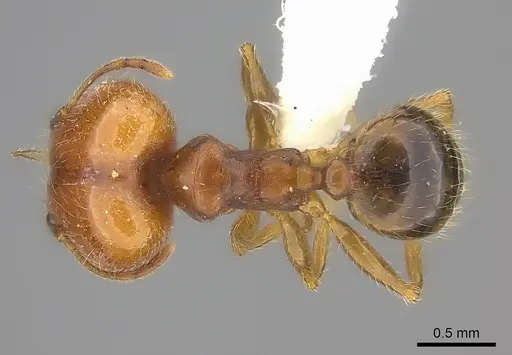
CASENT0235116
Bekijk op AntWeb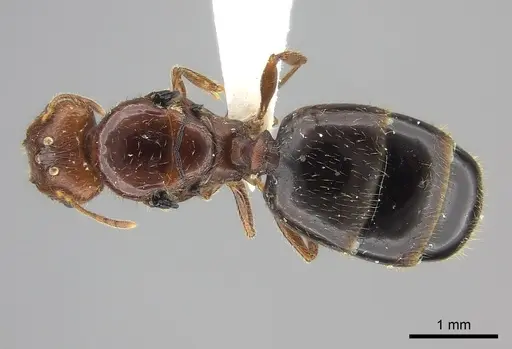
CASENT0235117
Bekijk op AntWeb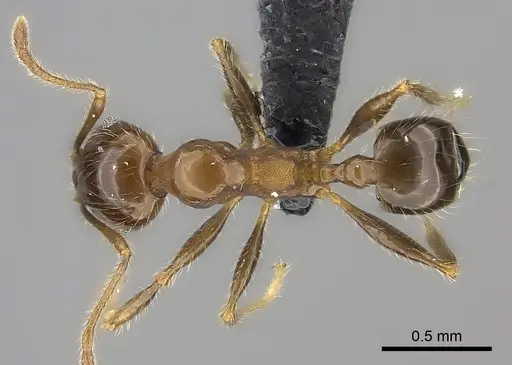
CASENT0235118
Bekijk op AntWeb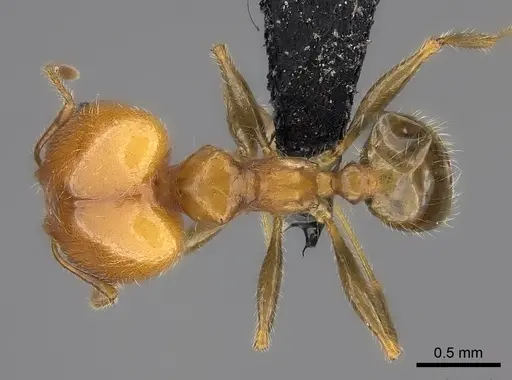
CASENT0235140
Bekijk op AntWeb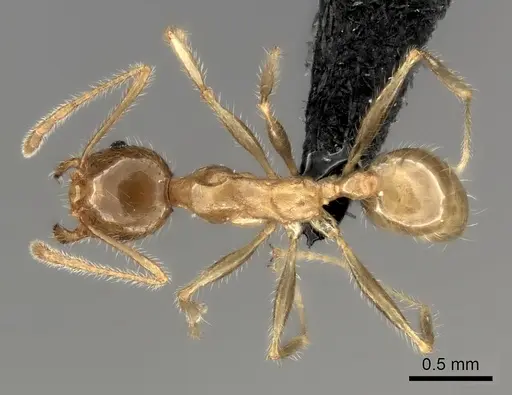
CASENT0235141
Bekijk op AntWeb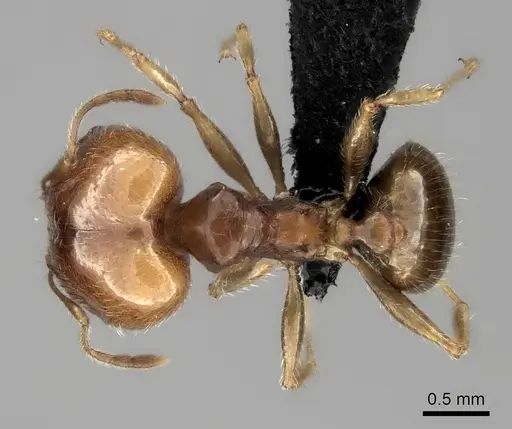
CASENT0235193
Bekijk op AntWeb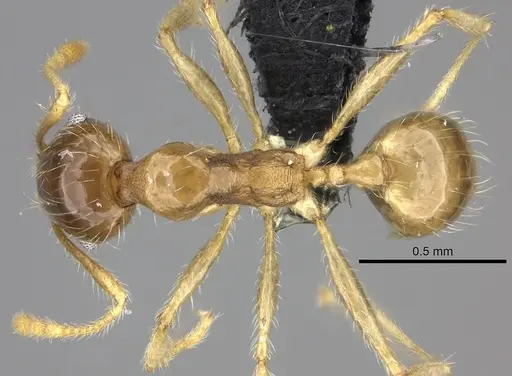
CASENT0235194
Bekijk op AntWeb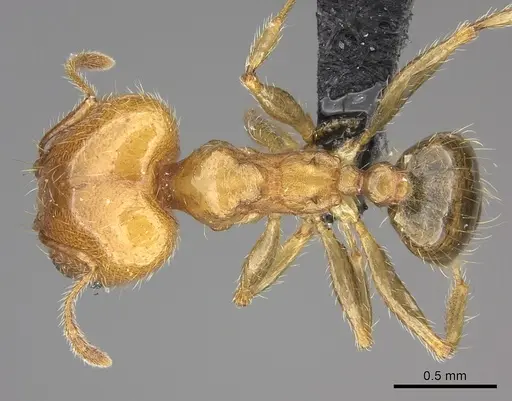
CASENT0235195
Bekijk op AntWeb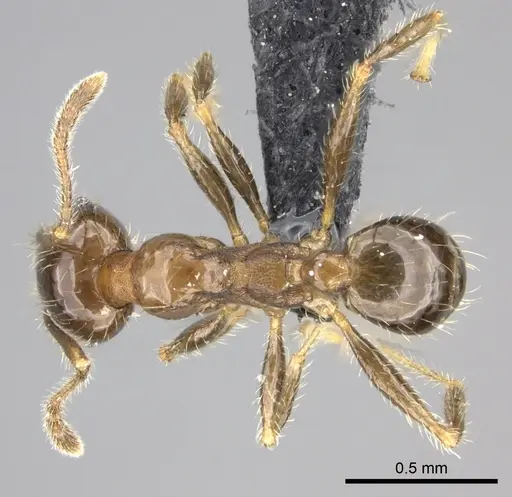
CASENT0427678
Bekijk op AntWeb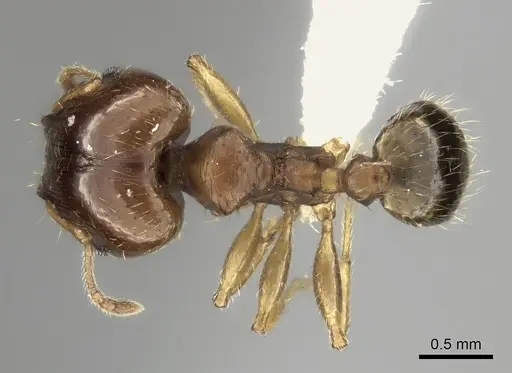
CASENT0442821
Bekijk op AntWeb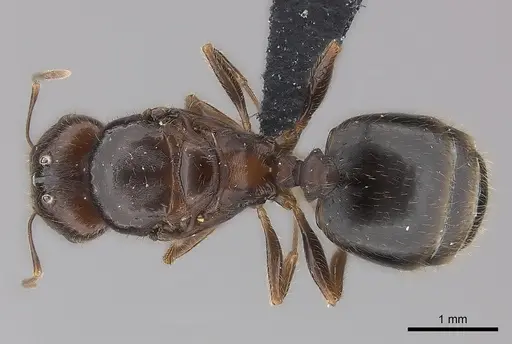
CASENT0450386
Bekijk op AntWeb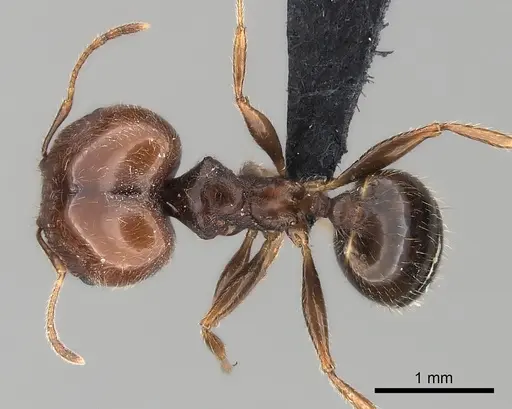
CASENT0450388
Bekijk op AntWeb
CASENT0450390
Bekijk op AntWeb
CASENT0473436
Bekijk op AntWeb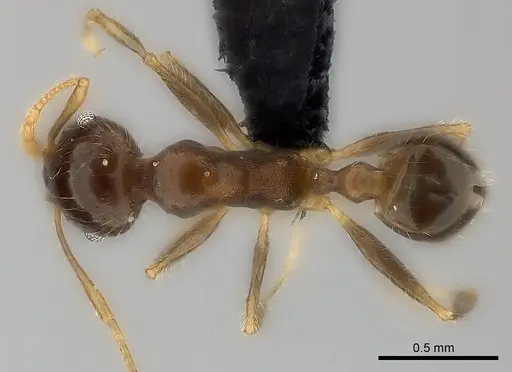
CASENT0484833
Bekijk op AntWeb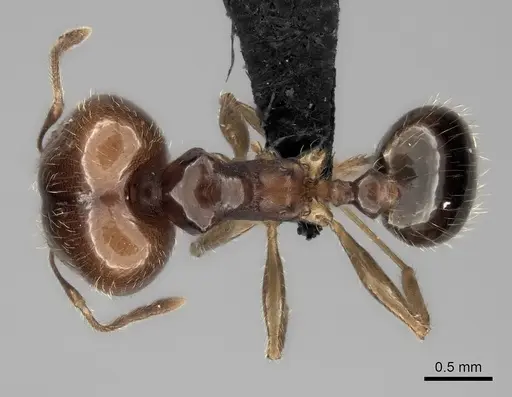
CASENT0485101
Bekijk op AntWeb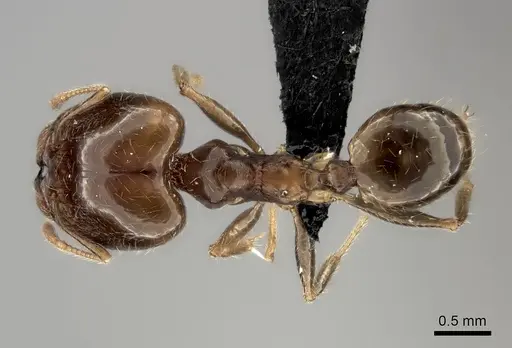
CASENT0489631
Bekijk op AntWeb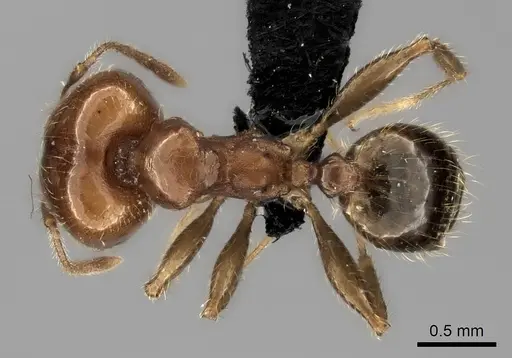
CASENT0490912
Bekijk op AntWeb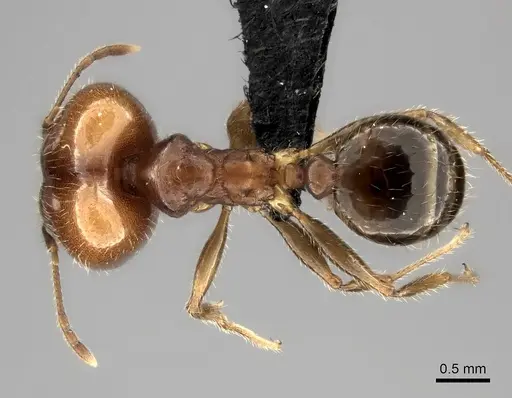
CASENT0491622
Bekijk op AntWeb
CASENT0491625
Bekijk op AntWeb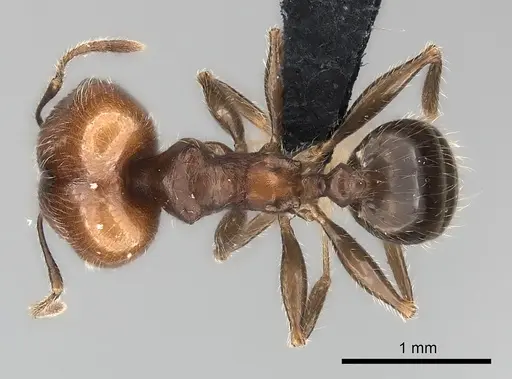
CASENT0498508
Bekijk op AntWeb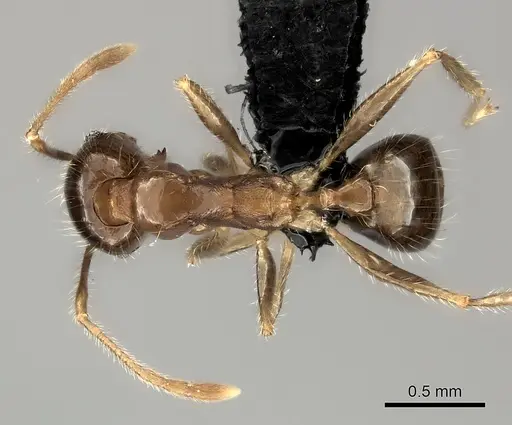
CASENT0499337
Bekijk op AntWeb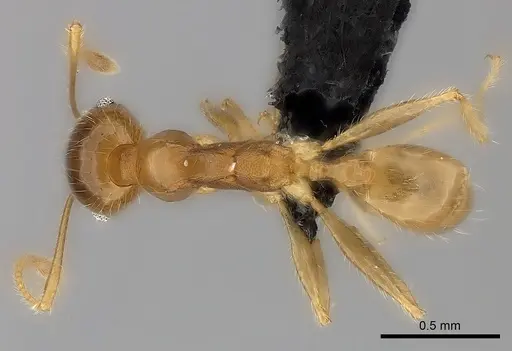
CASENT0499338
Bekijk op AntWeb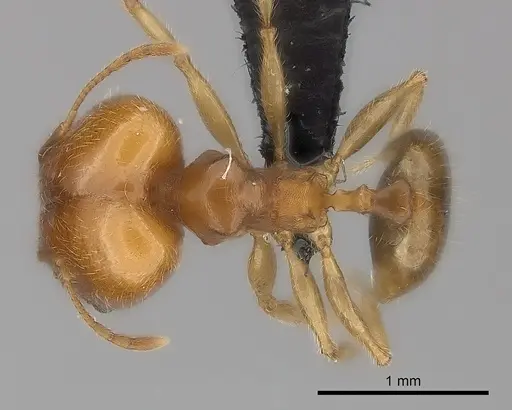
CASENT0923199
Bekijk op AntWeb
CASENT0923200
Bekijk op AntWeb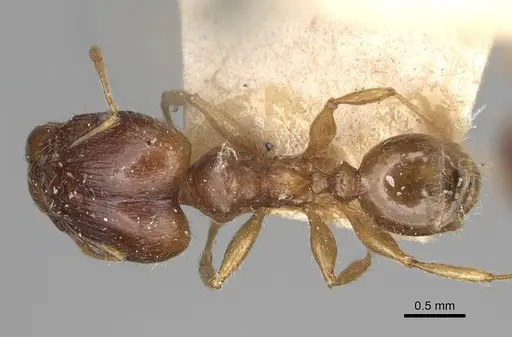
Literatuur
Verspreidingskaart laden...Producten laden...