
Pheidole rudigenis
- Wetenschappelijke naam
- Pheidole rudigenis
- Tribus
- Attini
- Subfamilie
- Myrmicinae
- Auteur
- Emery, 1906
- Verspreiding
- Gevonden in 1 landen
Introductie
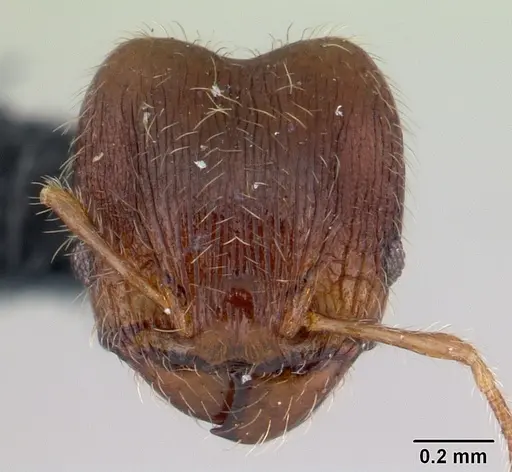
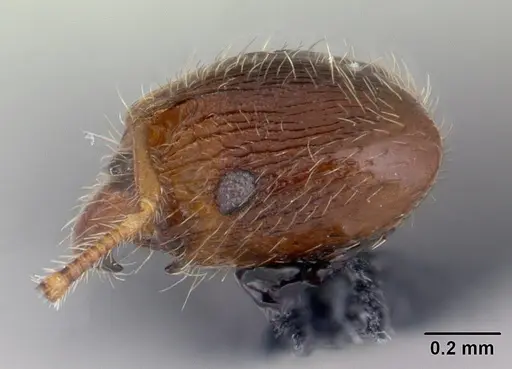
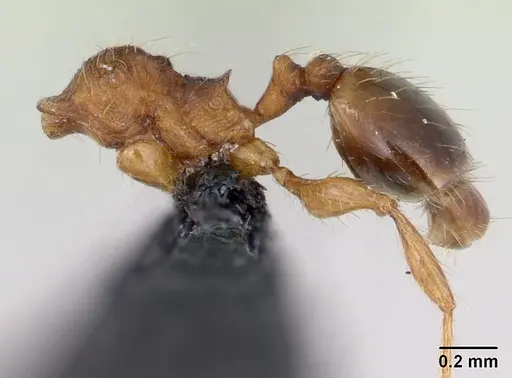
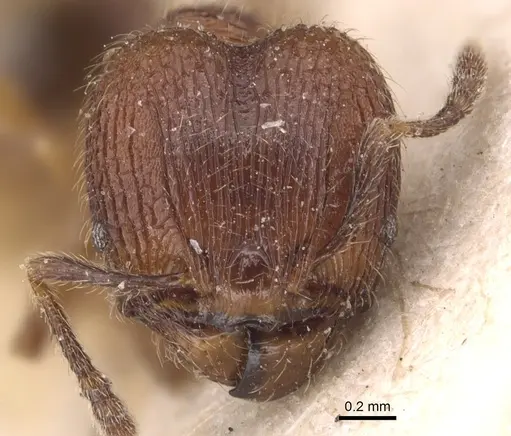
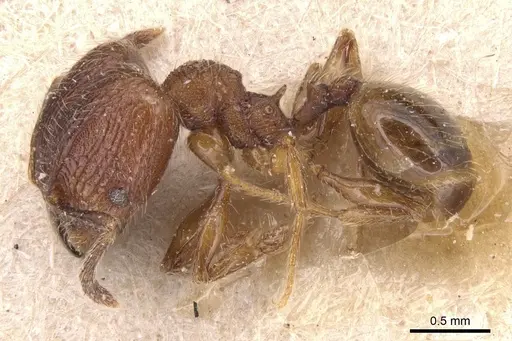
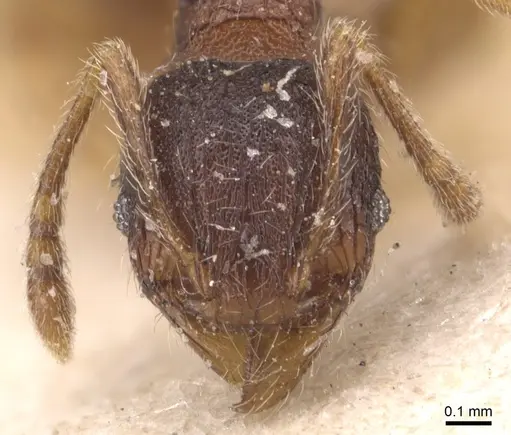
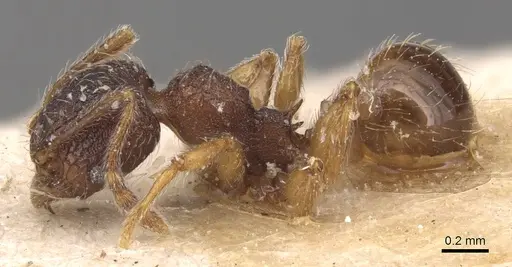
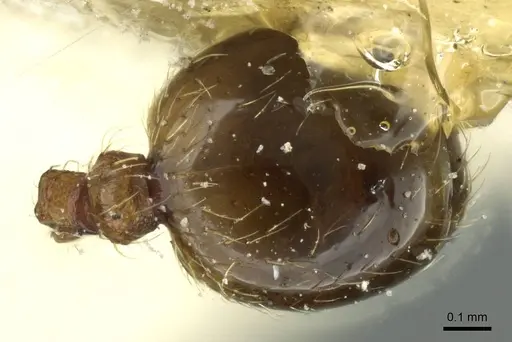
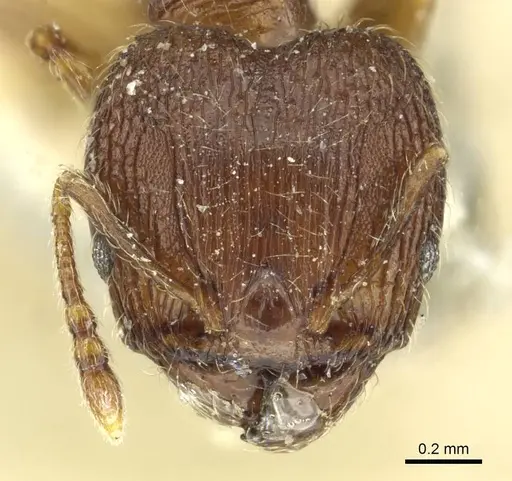
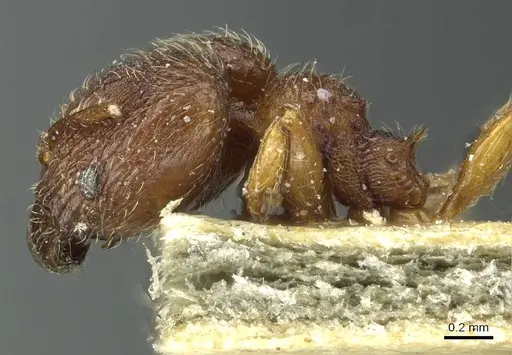
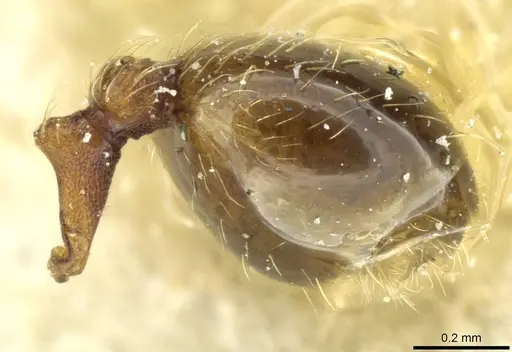
Pheidole rudigenis is a small Neotropical ant species with dimorphic workers - majors have large heads with powerful mandibles, while minors are smaller and more slender. The species is found in Argentina, Brazil, and Paraguay, typically in forest habitats, natural grasslands, and modified areas like eucalyptus plantations . One unusual record shows this species collected inside a nest of the giant ant Dinoponera sp., though the relationship is unclear .
Quick Summary
- Difficulty: Medium
- Origin & Habitat: Neotropical region, Argentina, Brazil, Paraguay. Found in forest habitats, natural grasslands, and eucalyptus plantations [1][4][3]. This is a ground-dwelling species that thrives in tropical and subtropical environments.
- Colony Type: Unconfirmed, no specific data on queen number or social structure from research.
- Size & Growth:
- Queen: Size data unavailable, no total length measurements in research context.
- Worker: Size data unavailable, no total length measurements in research context.
- Growth: Moderate, inferred from typical Pheidole genus patterns.
- Development: Estimated 6-8 weeks at optimal tropical temperatures, inferred from Pheidole genus patterns. (Development time is inferred, actual timeline may vary based on conditions.)
- Antkeeping:
- Temperature: Keep warm, roughly 24-28°C, inferred from tropical Neotropical distribution. Provide a temperature gradient using a heating cable on one side of the nest.
- Humidity: Keep nest substrate consistently moist but not waterlogged, inferred from ground-dwelling habitat. Mist occasionally and provide a water source.
- Diapause: No, tropical species do not require hibernation. Inferred from geographic range.
- Nesting: Y-tong (AAC), plaster, or soil nests work well, inferred from ground-dwelling behavior. Provide tight chambers scaled to small size.
- Behavior: Generally peaceful and non-aggressive. Active foragers that search for seeds and small insects. Major workers defend the nest, while minors handle foraging and brood care. Escape risk is high due to small size, use fine mesh barriers. Moderate climbers but typically stay on the ground.
- Common Issues: small size means escapes are likely without fine mesh barriers., colonies may decline if temperature drops below 20°C for extended periods., overfeeding can lead to mold in the nest, remove uneaten food promptly., wild-caught colonies may harbor parasites that can decimate captive colonies., slow initial colony growth during founding phase can lead to overchecking by impatient keepers.
Housing and Nest Setup
Pheidole rudigenis does well in standard ant keeping setups. A test tube colony works for founding queens and small colonies. For established colonies, Y-tong (AAC) nests or plaster nests provide good humidity control. Because they are small ants, ensure all connections between the nest and outworld are secure, they can squeeze through small gaps. A naturalistic setup with a soil or sand layer in the outworld mimics their ground-nesting behavior [5].
Feeding and Diet
In the wild, Pheidole rudigenis is an opportunistic forager that collects seeds, small insects, and likely tends aphids for honeydew. In captivity, offer a varied diet including protein sources like small crickets, mealworms, fruit flies, and other small insects. They will also accept sugar water, honey, or diluted honeydew. Feed protein 2-3 times per week and keep a constant sugar source available. Remove uneaten prey after 24 hours to prevent mold [5].
Temperature and Seasonal Care
As a Neotropical species from Argentina, Brazil, and Paraguay, Pheidole rudigenis prefers warm conditions. Keep the nest at 24-28°C for optimal brood development. A slight temperature drop at night is natural and well-tolerated. Unlike temperate species, they do not require a true hibernation period. Avoid temperatures below 20°C for extended periods as this can weaken the colony [1][3].
Colony Development
Pheidole colonies grow through the production of major and minor workers. The first workers are typically smaller than mature workers but will begin foraging and caring for the next brood. As the colony grows, more majors will be produced, these larger workers specialize in defense and food processing. Growth rate is moderate, and patience is key during the founding phase when the queen is sealed in her chamber [5].
Behavior and Observation
One aspect of keeping Pheidole rudigenis is observing the division of labor between major and minor workers. Minor workers handle most tasks: foraging, brood care, and nest maintenance. Major workers defend the nest and help process large prey items. They are diurnal foragers, actively searching during daylight hours. The species is not particularly aggressive but majors will defend if the nest is disturbed [5].
Frequently Asked Questions
How long does it take for Pheidole rudigenis to produce first workers?
Expect first workers to emerge in 6-8 weeks at optimal temperature (24-28°C), inferred from Pheidole genus patterns. The queen will remain sealed in her chamber until the first workers arrive.
Can I keep multiple Pheidole rudigenis queens together?
Not recommended, as combining unrelated foundress queens in captivity often leads to fighting. Start with a single mated queen for best success.
What do I feed Pheidole rudigenis?
Offer small protein sources like fruit flies, small crickets, or mealworms, along with sugar water, honey, or honeydew. Remove uneaten food after 24 hours to prevent mold.
Are Pheidole rudigenis good for beginners?
They can be suitable for beginners who are careful with escape prevention due to their small size. They are relatively hardy and not aggressive.
How big do Pheidole rudigenis colonies get?
Colony size data is unavailable from research, but typical Pheidole colonies can reach several hundred workers.
Do Pheidole rudigenis need hibernation?
No, as a tropical Neotropical species, they do not require hibernation. A slight temperature reduction in winter is natural but not necessary.
Why are my Pheidole rudigenis dying?
Common causes include temperature too low (below 20°C), humidity issues, mold from overfeeding, or parasites from wild-caught colonies. Check your setup for appropriate warmth and cleanliness.
When should I move my colony to a formicarium?
Move to a larger nest when the colony becomes crowded in the test tube. Ensure the new setup has appropriately sized chambers for their small size.
Report an Issue
The current care sheet is based fully on literature. See inconsistencies, or something that's incorrect? Please , it will be resolved after review from an admin. Contributing to the blogs tab also helps providing information, to make us be able to further improve the caresheets. Thank you for your support!
References

Dit verzorgingsblad is gelicentieerd onder CC BY-SA 4.0 .
Community-blogs
CASENT0178049
Bekijk op AntWeb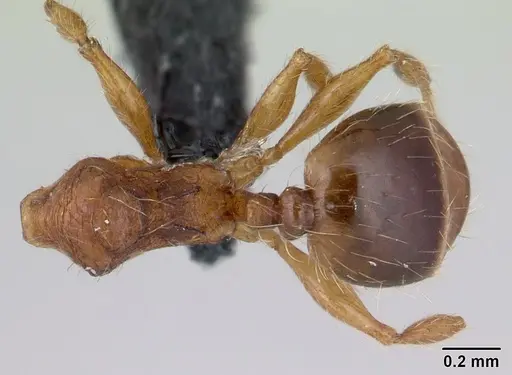
CASENT0178050
Bekijk op AntWeb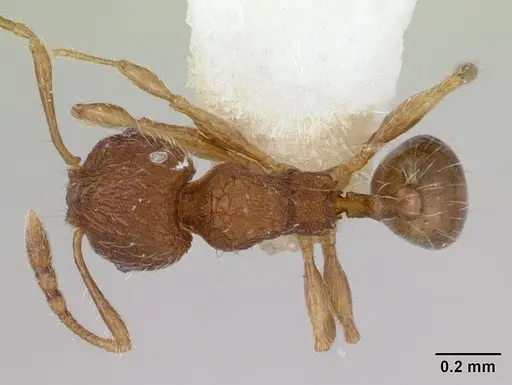
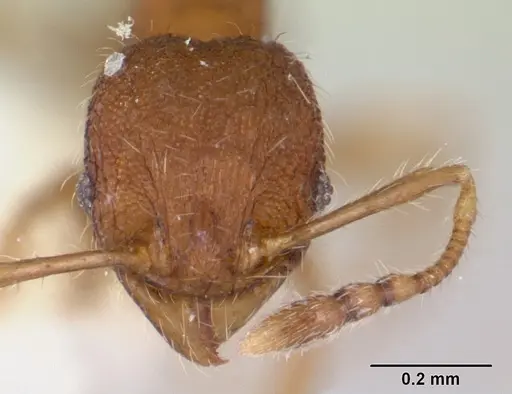
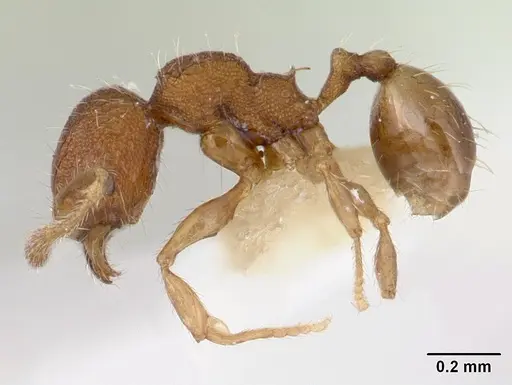
CASENT0904410
Bekijk op AntWeb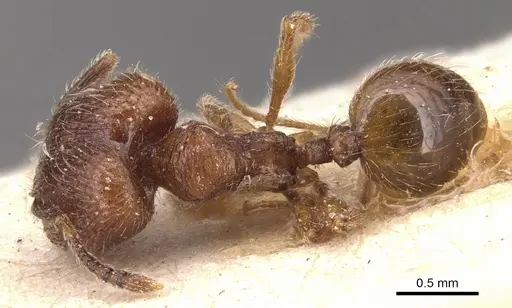
CASENT0904411
Bekijk op AntWeb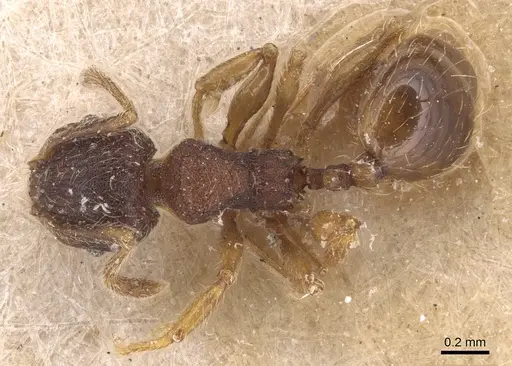
CASENT0913283
Bekijk op AntWeb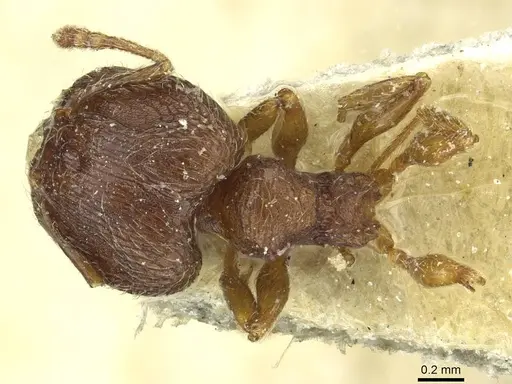
Literatuur
Verspreidingskaart laden...Producten laden...