
Pheidole protea
- Wetenschappelijke naam
- Pheidole protea
- Tribus
- Attini
- Subfamilie
- Myrmicinae
- Auteur
- Forel, 1912
- Verspreiding
- Gevonden in 0 landen
Introductie
Pheidole protea is a small ant species native to Southeast Asia, found in Indonesia (Sumatra, East Java) and Thailand (Chiang Mai) at elevations up to approximately 900 meters . Like all Pheidole, it has two worker castes: minor workers and major workers with enlarged heads for seed processing . Body size data is unavailable from the research, but based on the Pheidole genus, workers are typically small . This species belongs to the NOD clade and is sister to Pheidole rugithorax, showing deep divergence from other nodus clade lineages .
Quick Summary
- Difficulty: Easy
- Origin & Habitat: Southeast Asia, Indonesia (Sumatra, East Java) and Thailand (Chiang Mai). Found in tropical forests and botanical gardens at lowland to approximately 900 meters elevation [1][2].
- Colony Type: Based on Pheidole patterns, likely monogyne with single queen colonies, but unconfirmed from specific literature.
- Size & Growth:
- Queen: Size data unavailable, no total length measurements in research. Inferred from Pheidole genus as typically small [5].
- Worker: Size data unavailable, no total length measurements in research. Inferred from Pheidole genus as typically small [5].
- Colony: Up to several hundred workers, estimated from typical Pheidole colony sizes [5].
- Growth: Moderate, inferred from tropical Pheidole species patterns.
- Development: Estimated 6-8 weeks at optimal temperatures, inferred from Pheidole genus patterns [5]. (Development time is species-specific and unconfirmed, based on genus-level patterns.)
- Antkeeping:
- Temperature: Keep warm, roughly 24-28°C, as this is a tropical species. Provide a temperature gradient using a heating cable on one side of the nest [5].
- Humidity: Keep nest substrate consistently moist but not waterlogged, with good ventilation to prevent mold [5].
- Diapause: No, as a tropical species from low-latitude regions, they do not require hibernation. Keep temperatures stable year-round [5].
- Nesting: Use Y-tong (AAC) or plaster nests with narrow chambers suited to small ants. Provide a humidity gradient with one small moist area [5].
- Behavior: Peaceful temperament, Pheidole species are generally not aggressive and rarely sting. Workers are active foragers that explore outworlds systematically. Escape risk is moderate due to small size, use fluon barriers on enclosure rims [5].
- Common Issues: colonies may decline if kept too cold, maintain tropical temperatures., mold can develop in nests if humidity is too high without adequate ventilation., small colony size means slow initial growth, patience is needed during founding., majors may be underrepresented in young colonies as they develop later., seed-harvesting behavior requires appropriate-sized food particles.
Housing and Nest Setup
Use a test tube setup with a water reservoir for founding colonies. As the colony grows, transition to a Y-tong or plaster nest with appropriately sized chambers. Ensure nest material can hold moisture without becoming waterlogged. Connect a water tube or reservoir to maintain humidity. Provide a simple outworld for foraging [5].
Feeding and Diet
Offer small seeds like millet, chia, or sesame as a staple, since this species is seed-harvesting. Provide protein sources such as fruit flies or small insects 2-3 times per week. Add sugar water or honey occasionally. Remove uneaten food to prevent mold [5].
Temperature and Seasonal Care
Keep temperatures stable around 24-28°C year-round. Use a heating cable to create a gradient. Avoid prolonged temperatures below 22°C, as this can stress the colony. No hibernation is needed for this tropical species [5].
Colony Development and Growth
Colonies produce minor workers first, then major workers later. The queen raises the first brood alone during founding. Be patient, as growth is slow initially. Majors develop with enlarged heads for seed processing [3][4].
Behavior and Temperament
This species is peaceful and not aggressive. Minor workers handle foraging and brood care, while majors focus on seed processing and defense. Workers are active foragers but will retreat from threats. Use barriers to prevent escapes due to small size [5].
Frequently Asked Questions
How long does it take for Pheidole protea to have first workers?
Expect first workers in approximately 6-8 weeks at optimal temperatures, based on Pheidole genus patterns. The queen raises the first brood alone during founding [5].
What do Pheidole protea ants eat?
They are seed-harvesting ants, so offer small seeds as a staple. They also accept protein sources like fruit flies or insects. Remove uneaten food to prevent mold [5].
What temperature do Pheidole protea need?
Keep them warm at 24-28°C year-round. This tropical species requires stable warmth without hibernation [5].
Can I keep multiple Pheidole protea queens together?
This is unconfirmed from research, but based on Pheidole patterns, colonies are likely monogyne. Combining queens may result in fighting [5].
When should I move my colony to a formicarium?
Move from a test tube to a nest once the colony has 20-30 workers, but this is an estimate based on typical growth. Make the transition gradually [5].
How big do Pheidole protea colonies get?
Up to several hundred workers at maturity, estimated from typical Pheidole colonies. The exact maximum is unconfirmed [5].
Do Pheidole protea need hibernation?
No, as a tropical species from Southeast Asia, they do not require hibernation or diapause. Keep temperatures stable year-round [5].
What makes Pheidole protea majors different from minors?
Majors have enlarged heads with powerful mandibles for cracking seeds, while minors are smaller and handle foraging and brood care. This is a defining feature of the Pheidole genus [3][4].
Are Pheidole protea good for beginners?
Yes, they are easy to keep due to peaceful temperament and straightforward care. Main challenges are maintaining warmth and providing seed-based food [5].
Report an Issue
The current care sheet is based fully on literature. See inconsistencies, or something that's incorrect? Please , it will be resolved after review from an admin. Contributing to the blogs tab also helps providing information, to make us be able to further improve the caresheets. Thank you for your support!
References

Dit verzorgingsblad is gelicentieerd onder CC BY-SA 4.0 .
Community-blogs
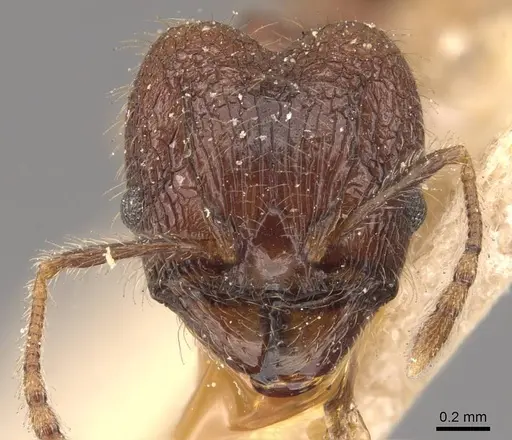
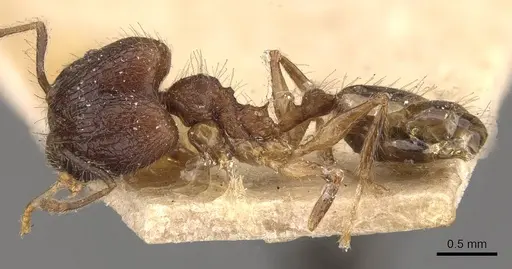
CASENT0907917
Bekijk op AntWeb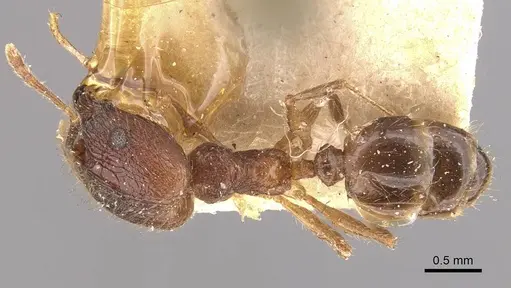
Literatuur
Verspreidingskaart laden...Producten laden...