
Pheidole latinoda
- Wetenschappelijke naam
- Pheidole latinoda
- Tribus
- Attini
- Subfamilie
- Myrmicinae
- Auteur
- Roger, 1863
- Verspreiding
- Gevonden in 1 landen
Introductie
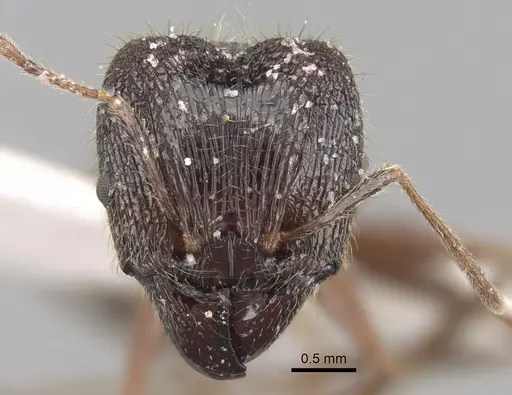
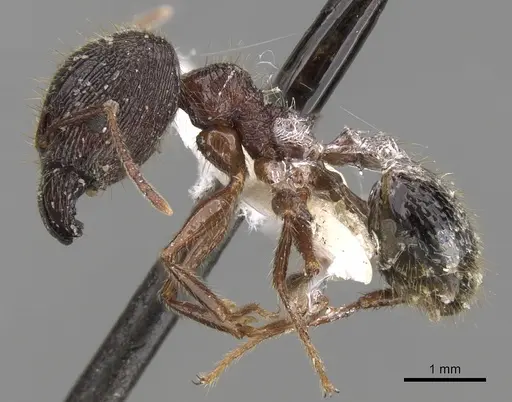
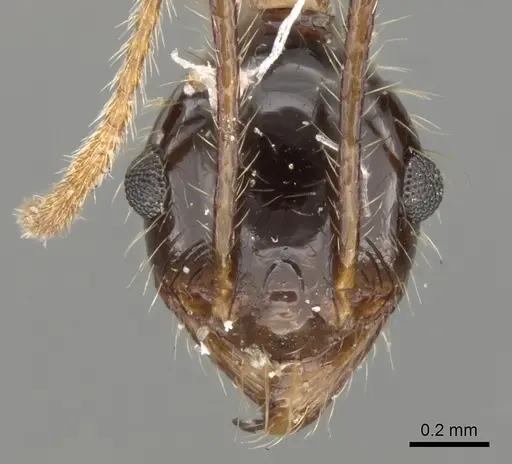
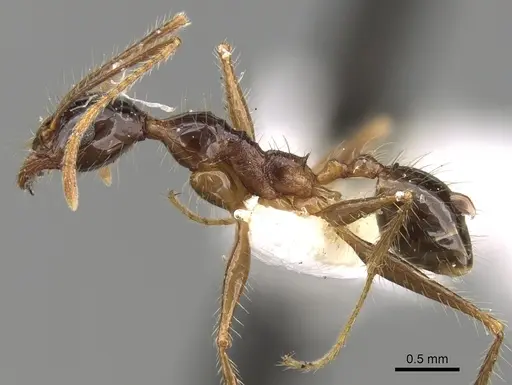
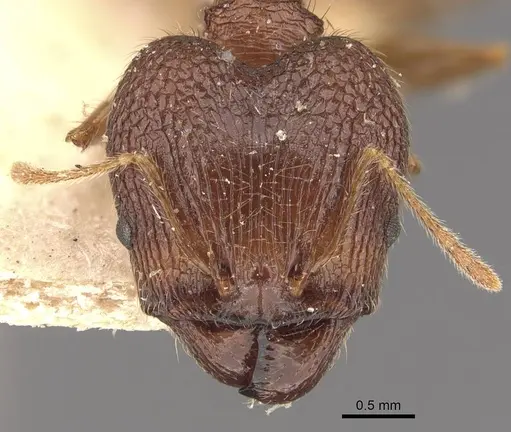
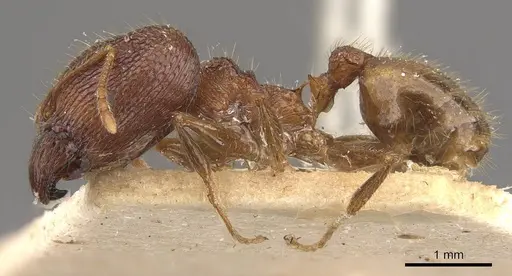
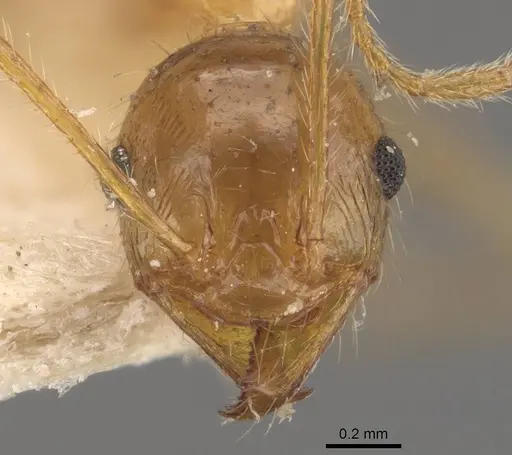
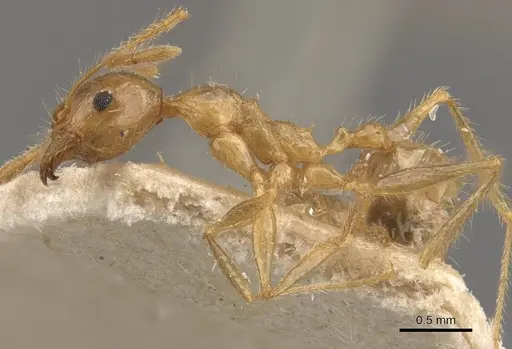
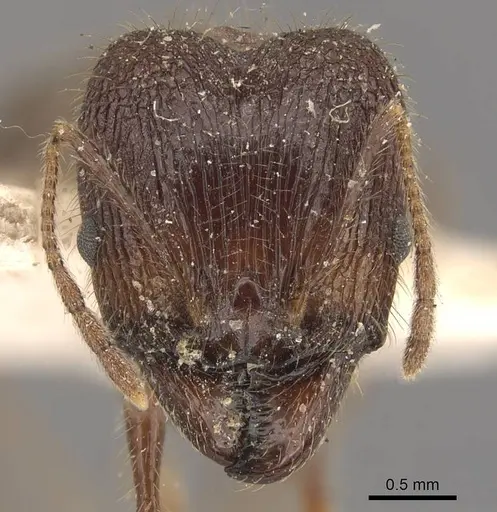
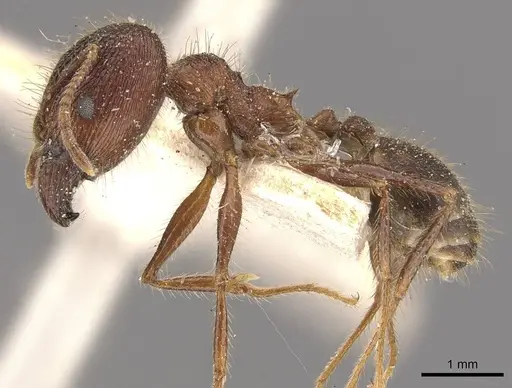
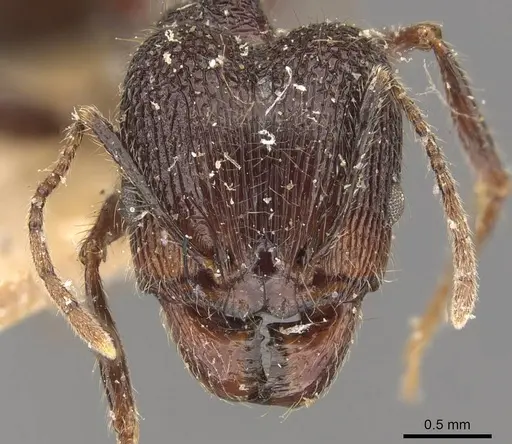
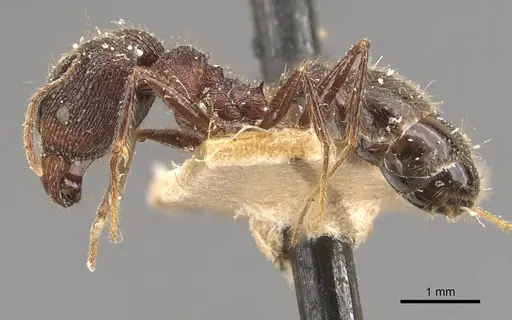
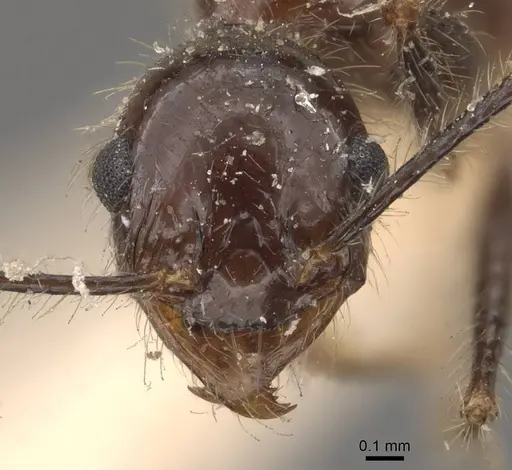
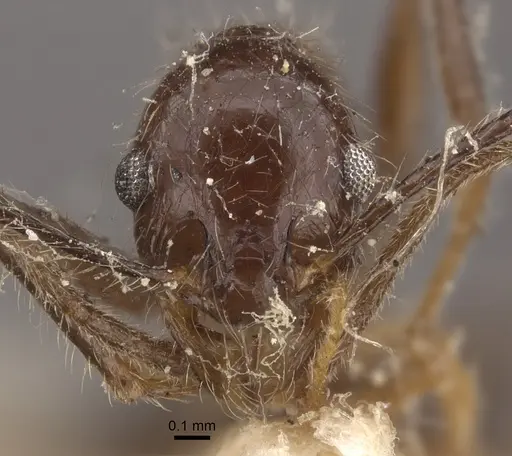
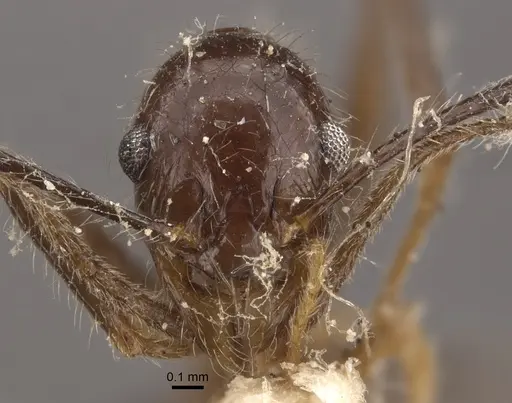
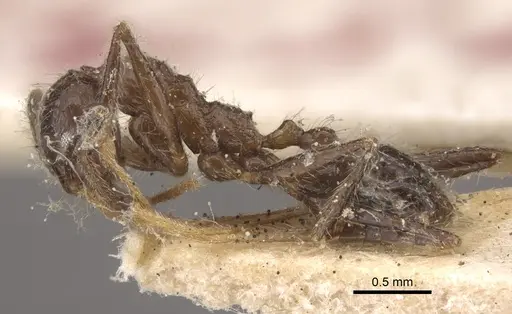
Pheidole latinoda is a polymorphic ant species with distinct major and minor workers, native to South Asia . Worker size is inferred from the Pheidole genus as approximately 2-5 mm, with majors larger, but total length data is unavailable from the research context [inferred from Pheidole genus]. It is found across India, Sri Lanka, Pakistan, and recently recorded in Iran , inhabiting elevations from 250 to 1500 meters in the Himalayas and adapting to environments from wet tropical zones to desert areas .
Quick Summary
- Difficulty: Easy
- Origin & Habitat: Native to the Indomalaya region, India, Sri Lanka, and Pakistan, with a recent record in Iran [2]. Found from lowlands to mid-elevations (250-1500m) in the Himalayas [5], and in diverse habitats including wet zone coconut plantations in Sri Lanka [6] and urban areas in Pakistan [3].
- Colony Type: Likely monogyne with polymorphic workers based on Pheidole genus patterns, but unconfirmed from specific literature.
- Size & Growth:
- Queen: ~6-7 mm, inferred from Pheidole genus
- Worker: ~2-5 mm, inferred from Pheidole genus
- Colony: Up to several thousand workers
- Growth: Moderate
- Development: Estimated 6-8 weeks at optimal temperature (Development time inferred from related Pheidole species, major workers typically appear after colony reaches moderate size.)
- Antkeeping:
- Temperature: Keep warm, roughly 24-28°C based on genus patterns and distribution across tropical to subtropical regions [5][2].
- Humidity: Provide a humidity gradient, mostly dry nest chamber with one small moist area, as they inhabit both desert and wet zones [2][6].
- Diapause: No, this species is active year-round in warm conditions, but activity may slow during cooler months [7].
- Nesting: In captivity, use test tubes for founding colonies, then transition to Y-tong (AAC), plaster, or naturalistic setups. Provide chambers sized appropriately for polymorphic workers [1].
- Behavior: Pheidole latinoda is not aggressive and poses no threat to keepers. They are active foragers and adapt well to various captive environments. Escape prevention is important due to their small size, as they can squeeze through gaps [3].
- Common Issues: colonies may decline if kept too cool, maintain warm temperatures year-round [7], overfeeding can lead to mold in nest setups, remove uneaten food promptly, wild-caught colonies may carry parasites, quarantine and monitor new colonies
Housing and Nest Setup
You can start Pheidole latinoda colonies in a test tube setup with a water reservoir for founding. Once the colony has 50-100 workers, move them to a formicarium. Y-tong (AAC) nests work well for humidity control, or use plaster nests for consistent moisture. For a naturalistic setup, provide a container with soil or sand substrate. Ensure escape prevention with tight-fitting lids, as these ants are agile [3].
Feeding and Diet
Offer a varied diet: protein sources like small crickets or mealworms twice weekly, and carbohydrates such as sugar water or honey constantly. They may collect small seeds, so occasionally provide tiny seeds like millet. Remove uneaten food within 24-48 hours to prevent mold [6].
Temperature and Seasonal Care
Maintain temperatures around 24-28°C for optimal growth. This species is active in summer, rainy, autumn, and spring seasons but absent during winter in the wild [7]. In captivity, keep them warm year-round using a heating cable or mat to create a gradient. Avoid temperatures below 15°C [5].
Colony Development and Growth
A newly mated queen may seal herself in a chamber, but founding behavior is unconfirmed. First workers (nanitics) emerge after several weeks, and major workers appear once the colony reaches several hundred workers. Growth is moderate, with mature colonies reaching up to several thousand workers.
Behavior and Foraging
Workers forage individually and use chemical trails to recruit nestmates. They are not aggressive and rarely sting. In the wild, they nest in soil and adapt to urban environments [3]. Provide an outworld for foraging and food storage.
Common Health Issues
Main concerns include temperature stress, mold from overfeeding, and parasites from wild-caught colonies. Keep temperatures stable, remove uneaten food, and quarantine new colonies. Lethargic workers may indicate poor conditions [7].
Frequently Asked Questions
How long does it take for Pheidole latinoda to have first workers?
Expect first workers to emerge several weeks after queen lays eggs, at optimal temperatures around 25-28°C.
What do Pheidole latinoda ants eat?
They are opportunistic feeders. Offer protein like small insects twice weekly and carbohydrates like sugar water constantly [6].
What temperature do Pheidole latinoda need?
Keep them warm, roughly 24-28°C, based on their distribution in tropical regions [5][2].
Are Pheidole latinoda good for beginners?
Yes, they are considered easy to keep due to adaptability and non-aggressive nature [1].
When do major workers appear in Pheidole latinoda?
Major workers typically appear once the colony reaches several hundred workers, which can take 6-12 months.
Do Pheidole latinoda need hibernation?
No, they do not require hibernation and remain active year-round in warm conditions [7].
How big do Pheidole latinoda colonies get?
Mature colonies can reach up to several thousand workers.
Can I keep multiple Pheidole latinoda queens together?
This species is likely monogyne, so combining queens is not recommended as they may fight.
What nest type is best for Pheidole latinoda?
Use test tubes for founding, then Y-tong, plaster, or naturalistic setups with appropriate chambers [1].
Report an Issue
The current care sheet is based fully on literature. See inconsistencies, or something that's incorrect? Please , it will be resolved after review from an admin. Contributing to the blogs tab also helps providing information, to make us be able to further improve the caresheets. Thank you for your support!
References

Dit verzorgingsblad is gelicentieerd onder CC BY-SA 4.0 .
Community-blogs
CASENT0281645
Bekijk op AntWeb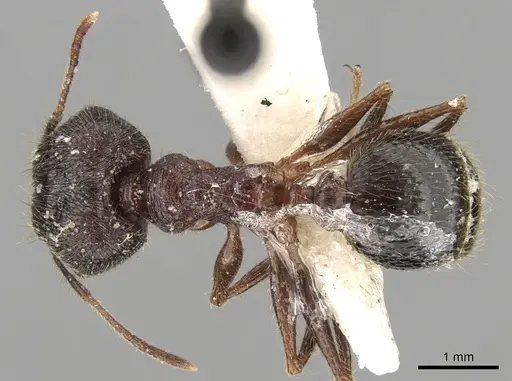
CASENT0281646
Bekijk op AntWeb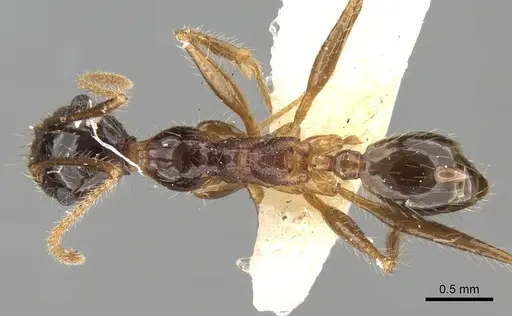
CASENT0907922
Bekijk op AntWeb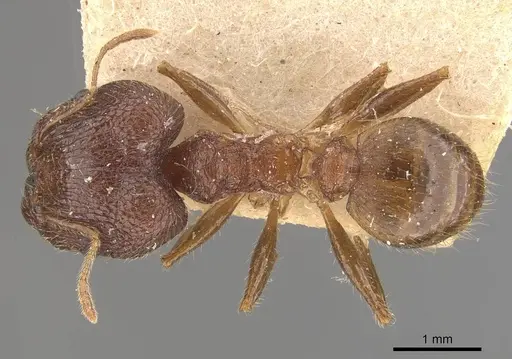
CASENT0907923
Bekijk op AntWeb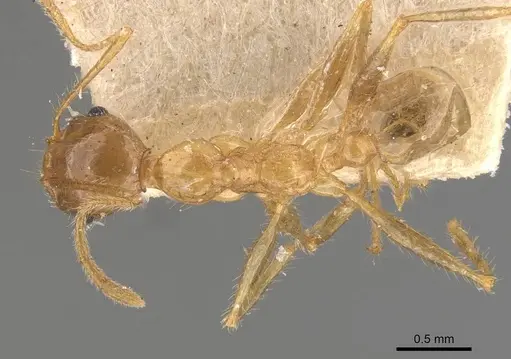
CASENT0907924
Bekijk op AntWeb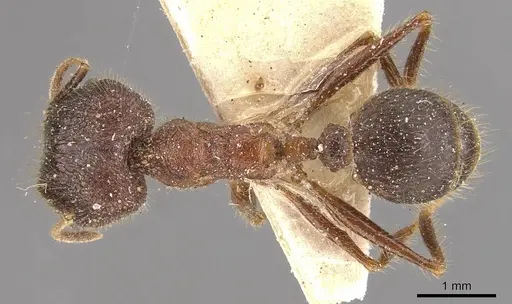
CASENT0907925
Bekijk op AntWeb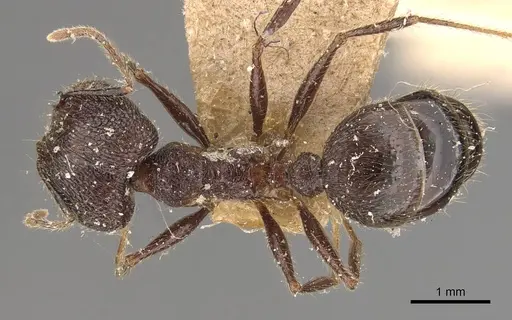
CASENT0907926
Bekijk op AntWeb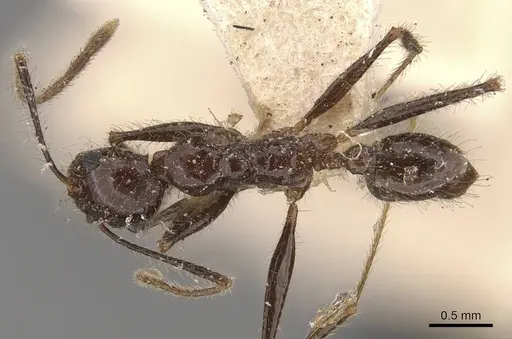
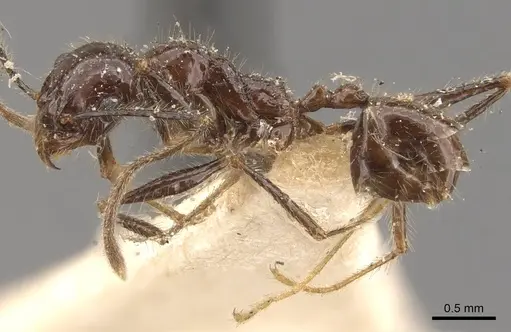
CASENT0917774
Bekijk op AntWeb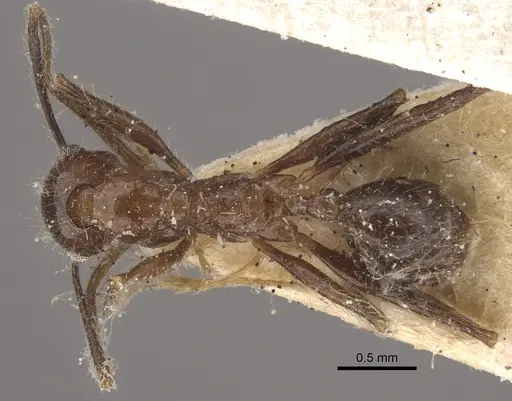
Literatuur
Verspreidingskaart laden...Producten laden...