
Pheidole braueri
- Wetenschappelijke naam
- Pheidole braueri
- Tribus
- Attini
- Subfamilie
- Myrmicinae
- Auteur
- Forel, 1897
- Verspreiding
- Gevonden in 1 landen
Introductie
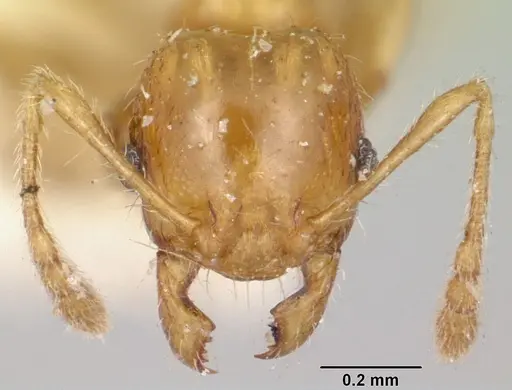
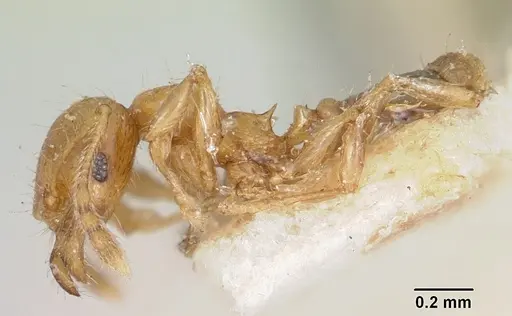
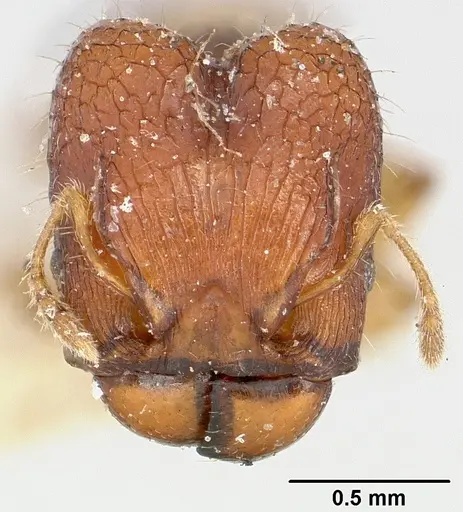
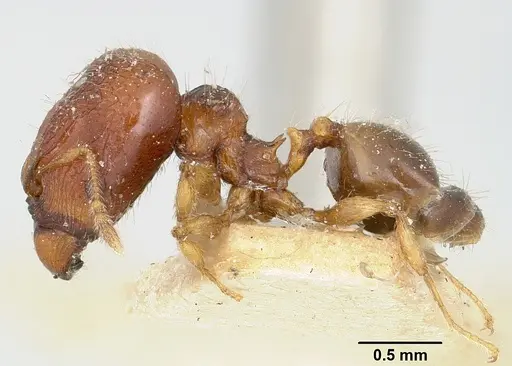
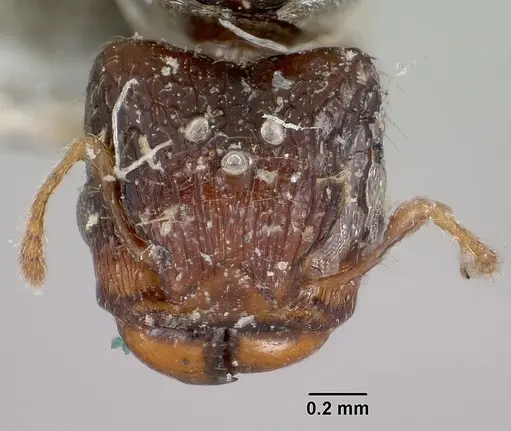
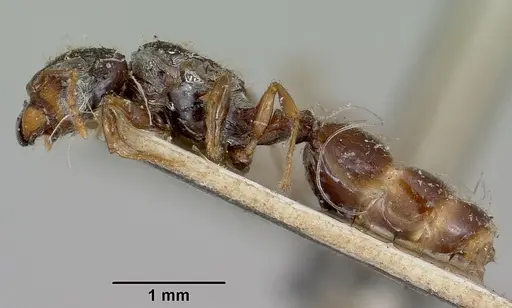
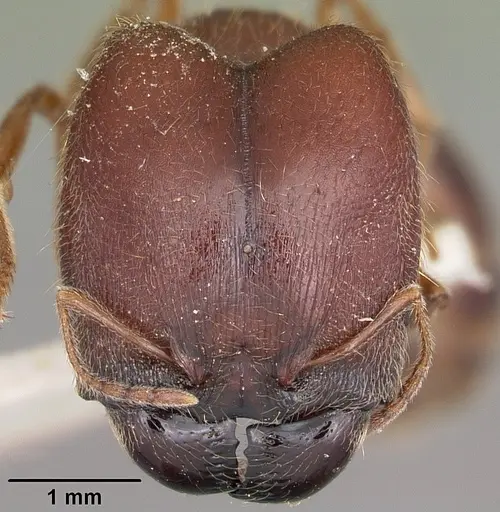
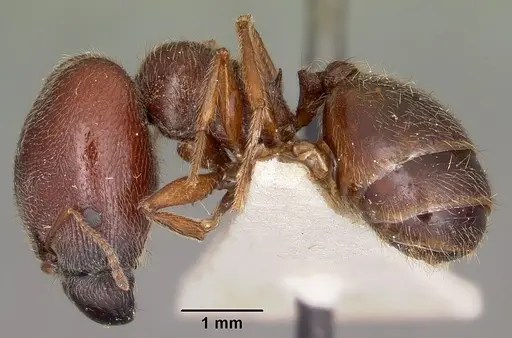
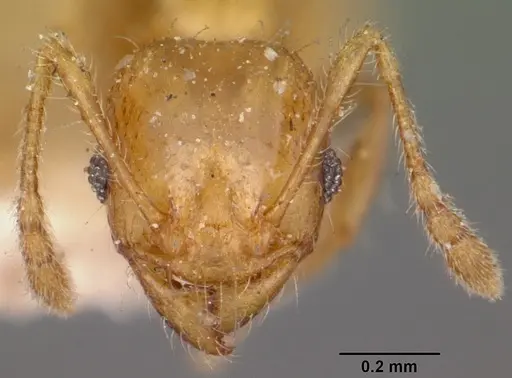
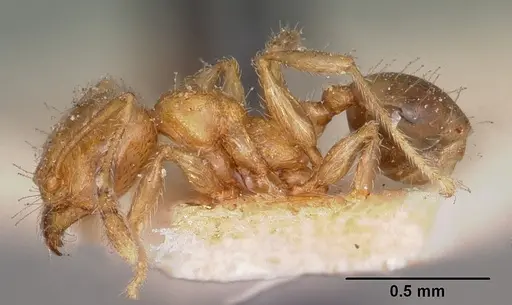
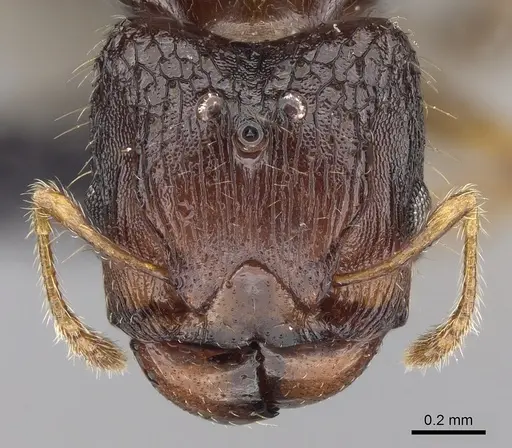
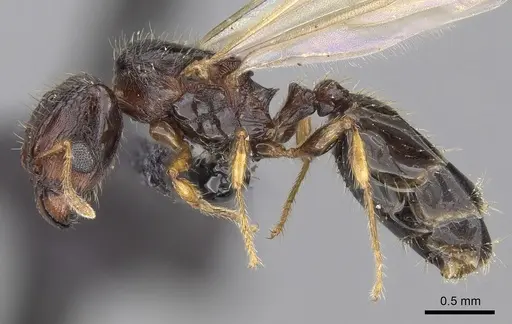
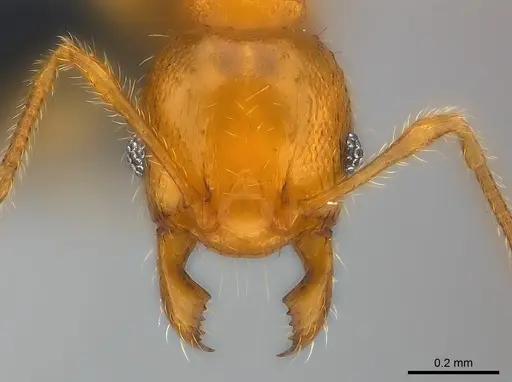
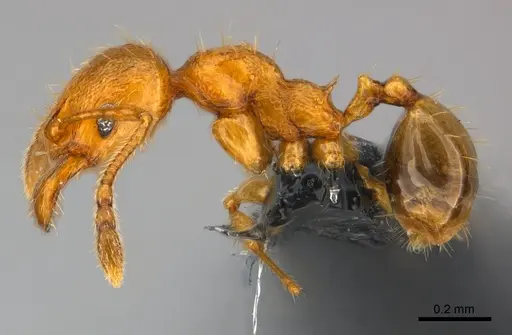
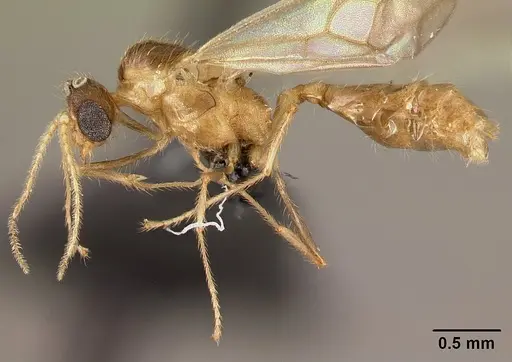
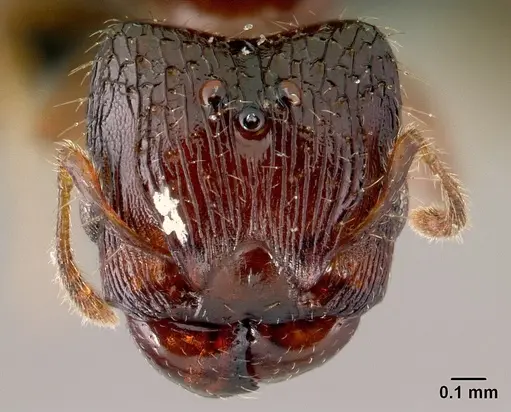
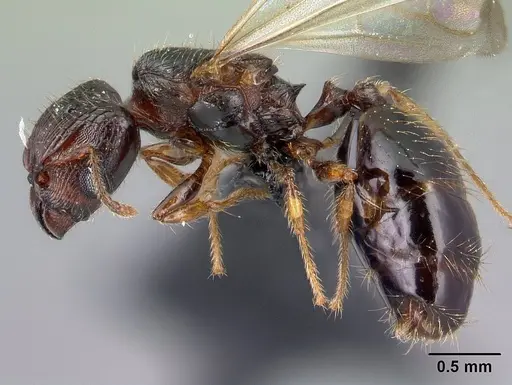
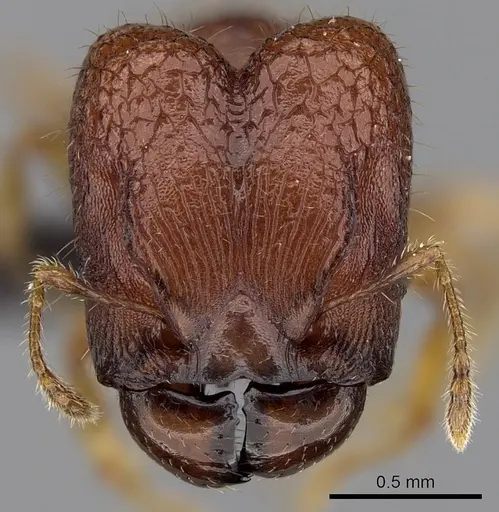
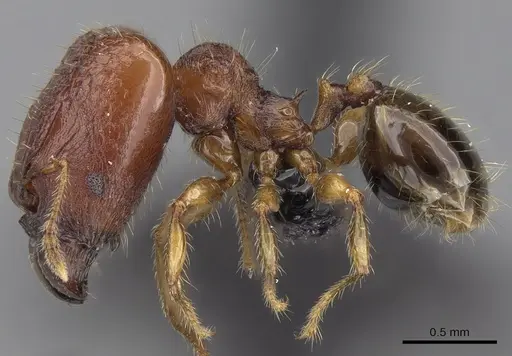
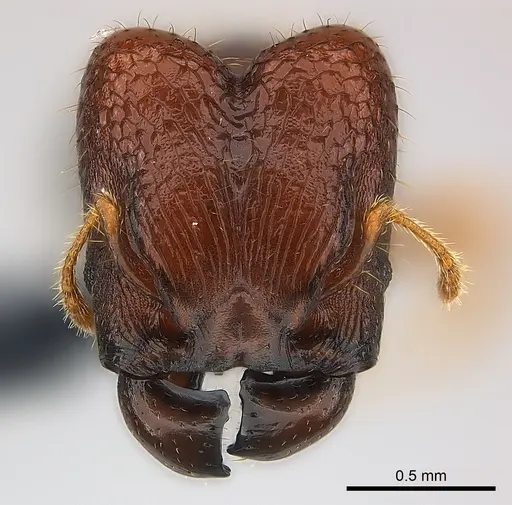
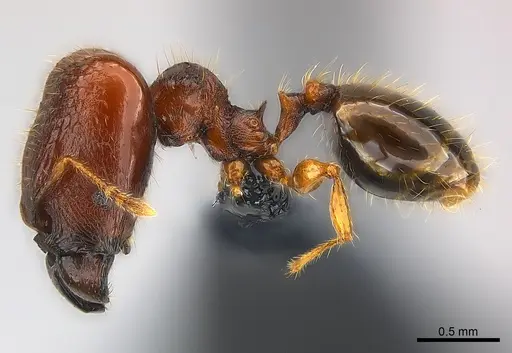
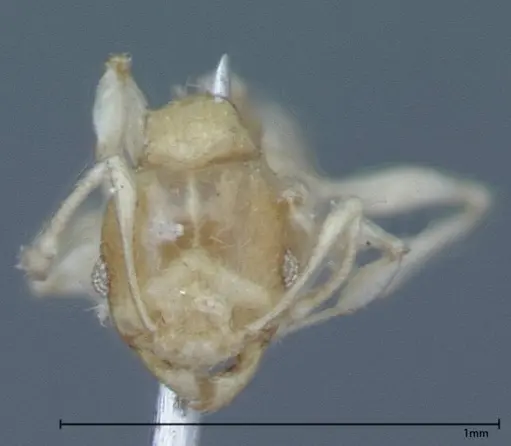
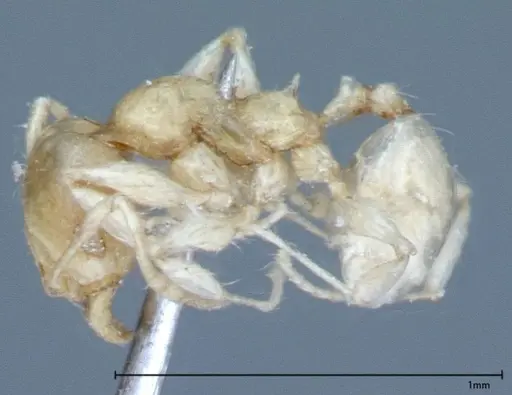
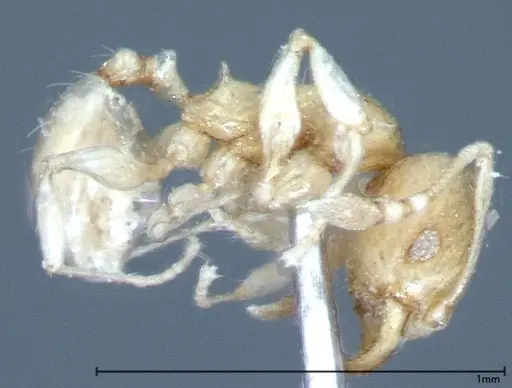
Pheidole braueri is an ant species endemic to Silhouette Island in the Seychelles archipelago . Major workers have a rectangular head longer than wide, and minor workers are smaller with a subrectangular head . Both castes have short scapes and legs, and the color is reddish brown with lighter legs and darker gaster . This species is poorly documented, with no published biological studies beyond morphology and distribution , making it a potential island endemic that is interesting but challenging for antkeepers.
Quick Summary
- Difficulty: Unknown
- Origin & Habitat: Silhouette Island, Seychelles, collected from forest habitats [1][2]
- Colony Type: Unconfirmed, likely monogyne based on typical Pheidole patterns [3]
- Size & Growth:
- Queen: Size data unavailable, no total length measurements in literature. Inferred from Pheidole genus: ~5-8 mm
- Worker: Size data unavailable, no total length measurements. Inferred from Pheidole genus: major workers up to ~3 mm, minor workers up to ~2 mm
- Colony: Unknown
- Growth: Moderate (inferred from genus patterns)
- Development: Estimated 6-8 weeks at 25-28°C (inferred from Pheidole genus) [3] (Development timeline is inferred from genus-level data since no species-specific studies exist)
- Antkeeping:
- Temperature: Keep at 24-28°C, inferred from tropical island habitat [1][2]
- Humidity: Maintain moderate humidity, inferred from forest habitat [1][2]
- Diapause: No, as species is from tropical island near equator [1][2]
- Nesting: Inferred from genus: likely nest in soil or wood, in captivity, test tube setup for founding, Y-tong or plaster nest for growth [3]
- Behavior: Pheidole ants are generally non-aggressive but will defend their nest. Major workers have enlarged heads for seed crushing. They have a functional sting as typical for Myrmicinae, but it is less medically significant to humans. Escape risk is high due to tiny minor workers, use fine mesh barriers.
- Common Issues: minor workers can escape through standard test tube cotton or gaps, use fine mesh and check connections regularly, lack of species-specific care information means keepers must rely on genus-level guidance, overfeeding can lead to mold in small nest setups, remove uneaten prey promptly, slow colony growth may require patience and careful monitoring
Appearance and Identification
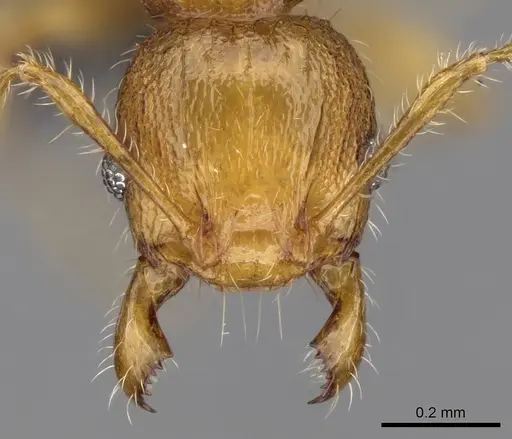
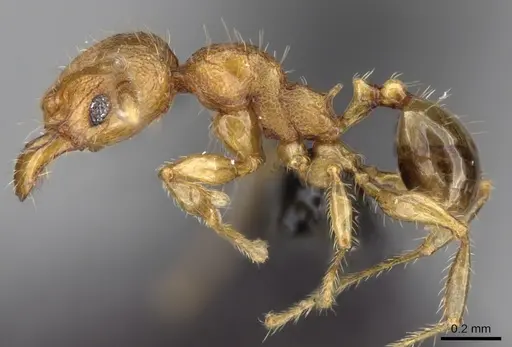
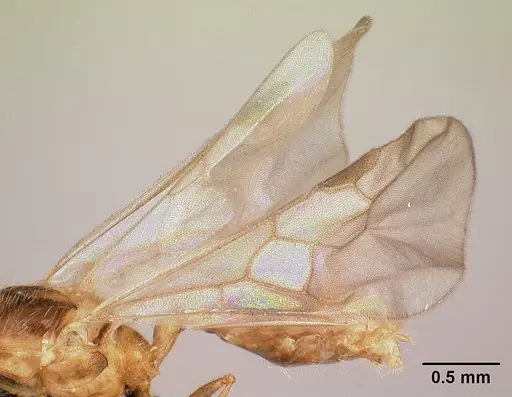
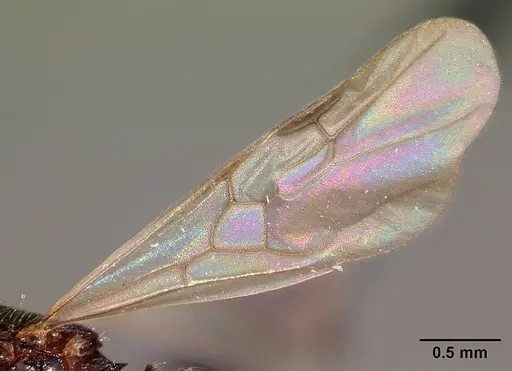
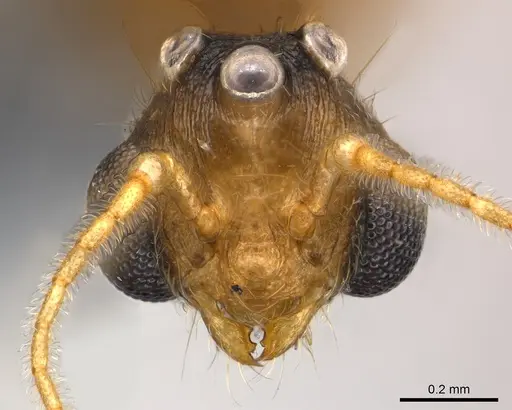
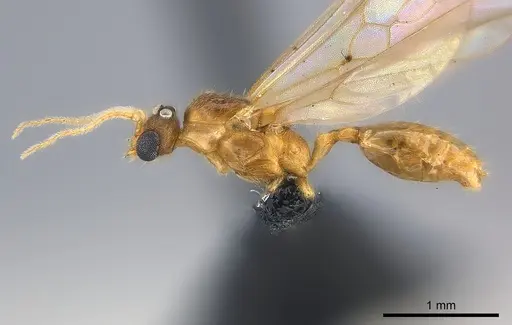
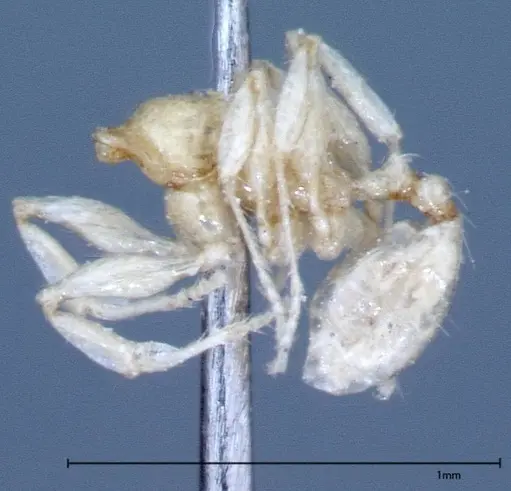
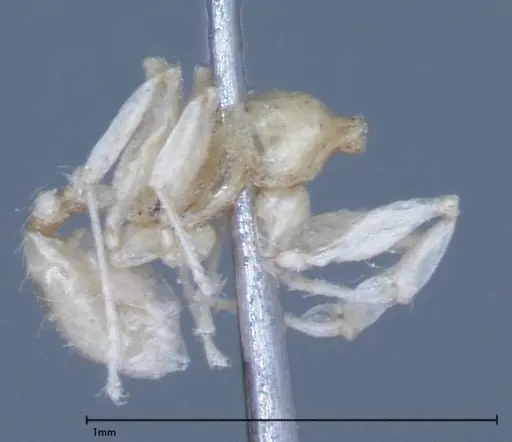
Pheidole braueri has two worker castes. Major workers have a rectangular head longer than wide, with strongly divergent frontal carinae [1]. Minor workers have a subrectangular head with smooth to weakly punctate face [1]. Both castes have short scapes and legs, and the color is reddish brown with lighter legs and darker gaster [1]. This species is only known from Silhouette Island, making it a potential endemic [1][2].
Natural History and Distribution
This species is restricted to Silhouette Island in the Seychelles, where it has been collected in forest habitats [1][2]. No published biological studies exist beyond specimen measurements and distribution [1][2]. This makes it both interesting as a rare endemic and challenging due to lack of care literature.
Housing and Nest Setup
For founding, use a test tube setup with water and cotton [3]. Once workers emerge, transition to a Y-tong or plaster nest scaled to their tiny size [3]. Keep nest chambers appropriate for minor workers, and ensure fine mesh barriers to prevent escape [3].
Feeding and Diet
Like most Pheidole, they are omnivorous. Offer small protein sources like fruit flies and sugar water [3]. Prey should be appropriately small for their size, and uneaten food removed promptly to prevent mold [3].
Temperature and Humidity
Keep at 24-28°C, inferred from tropical habitat [1][2]. Maintain moderate humidity with moist but not waterlogged substrate, inferred from forest environment [1][2].
Colony Development and Growth
Founding queens likely seal themselves in, but founding type is unconfirmed. Development from egg to worker is estimated 6-8 weeks at 25-28°C, inferred from genus patterns [3]. Colony growth is slow initially, but no specific size data exists.
Frequently Asked Questions
How long does it take for Pheidole braueri to produce first workers?
Estimated 6-8 weeks from egg to worker at 25-28°C, inferred from Pheidole genus patterns [3].
What do Pheidole braueri ants eat?
They are omnivorous. Offer small protein sources like fruit flies and sugar water, based on genus patterns [3].
What temperature do Pheidole braueri ants need?
Keep at 24-28°C, inferred from tropical island habitat [1][2].
How big do Pheidole braueri colonies get?
Colony size is unknown for this species. No data on maximum workers exists.
Can I keep multiple Pheidole braueri queens together?
This has not been documented. Colony type is unconfirmed, so combining queens is not recommended without evidence.
Do Pheidole braueri ants need hibernation?
No, as the species is from a tropical island near the equator [1][2].
What is the best nest type for Pheidole braueri?
Start with a test tube for founding, then transition to Y-tong or plaster nest [3].
Why are my Pheidole braueri ants dying?
Common causes include incorrect humidity, temperature stress, mold from overfeeding, or escape due to tiny size. Ensure fine mesh barriers and proper care [3].
Are Pheidole braueri good for beginners?
Difficulty is unknown due to lack of care history. They may be manageable but require attention to humidity and escape prevention.
Report an Issue
The current care sheet is based fully on literature. See inconsistencies, or something that's incorrect? Please , it will be resolved after review from an admin. Contributing to the blogs tab also helps providing information, to make us be able to further improve the caresheets. Thank you for your support!
References

Dit verzorgingsblad is gelicentieerd onder CC BY-SA 4.0 .
Community-blogs
CASENT0101571
Bekijk op AntWeb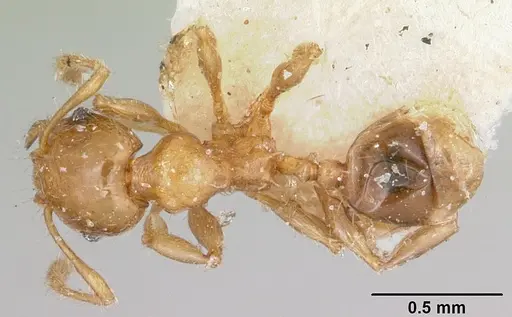
CASENT0101604
Bekijk op AntWeb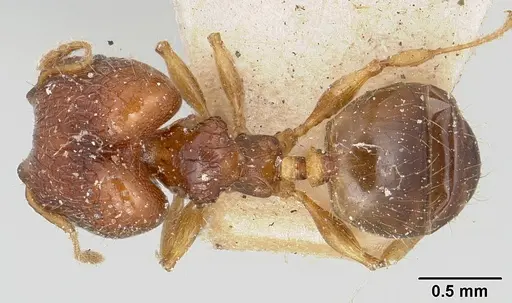
CASENT0101736
Bekijk op AntWeb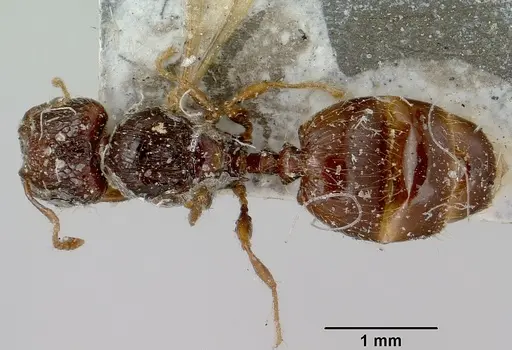
CASENT0104598
Bekijk op AntWeb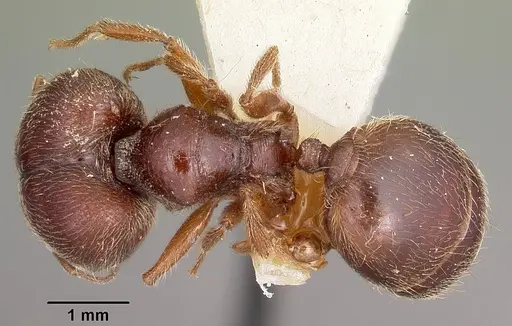
CASENT0104599
Bekijk op AntWeb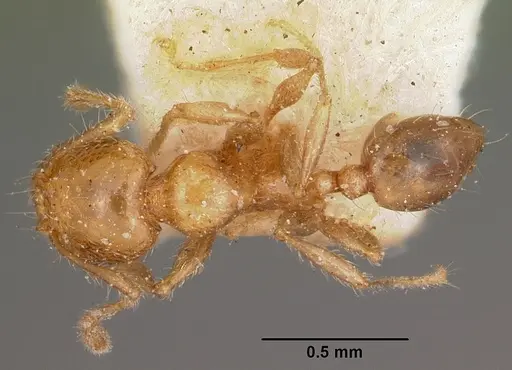
CASENT0159911
Bekijk op AntWeb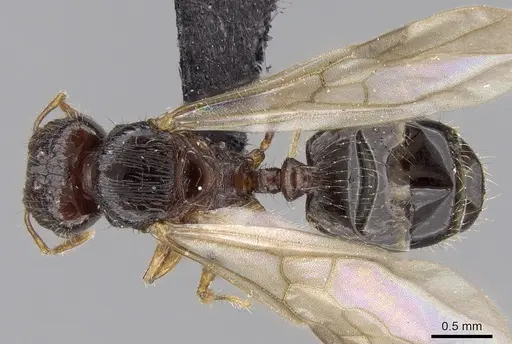
CASENT0159919
Bekijk op AntWeb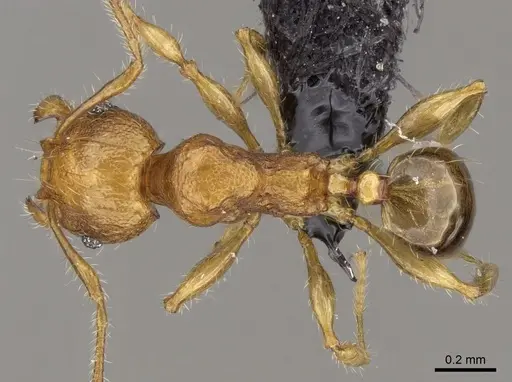
CASENT0159931
Bekijk op AntWeb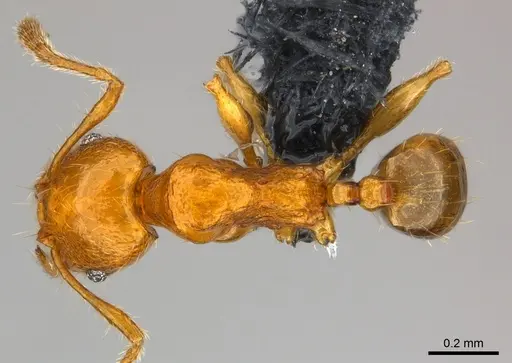
CASENT0159950
Bekijk op AntWeb
CASENT0217234
Bekijk op AntWeb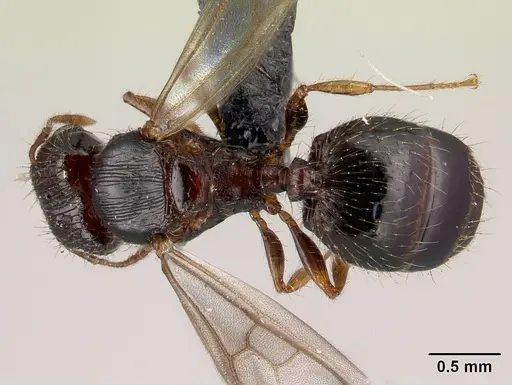
CASENT0217235
Bekijk op AntWeb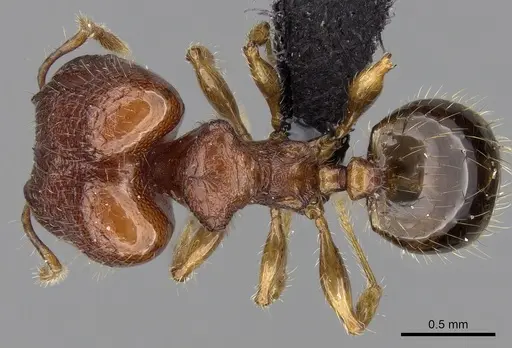
CASENT0218539
Bekijk op AntWeb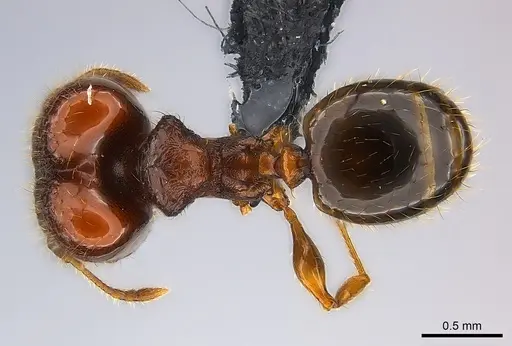
CASENT0218540
Bekijk op AntWeb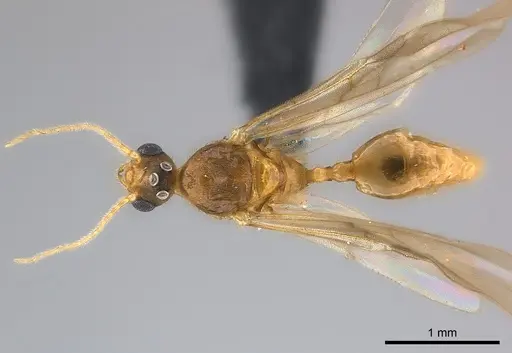
FOCOL0026
Bekijk op AntWeb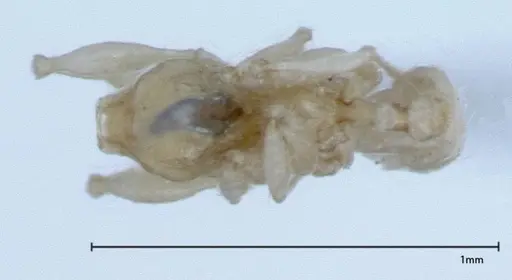
FOCOL0027
Bekijk op AntWeb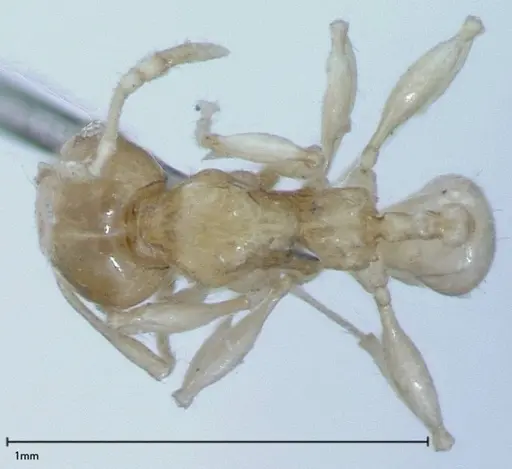
Literatuur
Verspreidingskaart laden...Producten laden...