
Parasyscia villiersi
- Wetenschappelijke naam
- Parasyscia villiersi
- Subfamilie
- Dorylinae
- Auteur
- Bernard, 1953
- Verspreiding
- Gevonden in 0 landen
Introductie
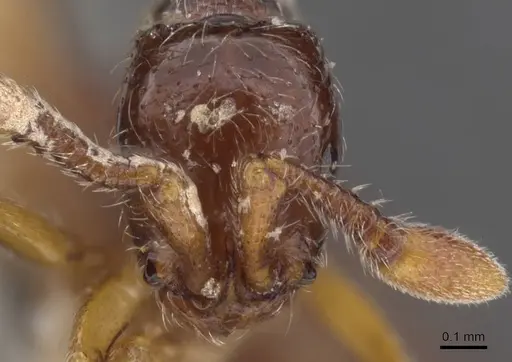
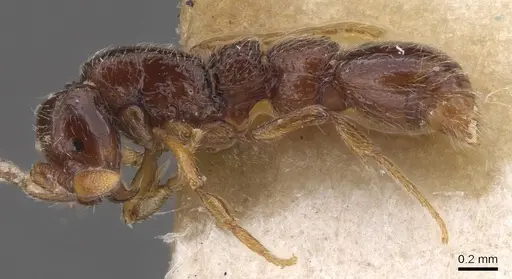
Parasyscia villiersi is a small ant species from the Dorylinae subfamily, originally described from Guinea, West Africa . Workers have dark coloration typical of Dorylinae, but size data is unavailable as no measurements are provided in the literature . This species is known only from Mount Nimba at 700 meters elevation, collected from moss in primary forest . This species is poorly documented in the antkeeping hobby, with no captive care information available. Based on the genus Parasyscia, these ants are likely predatory and form small colonies, but specific details are unconfirmed .
Quick Summary
- Difficulty: Expert
- Origin & Habitat: Guinea, West Africa, found in primary forest at 700m elevation in Mount Nimba, collected from moss [1]. The tropical forest environment suggests high humidity and stable temperatures.
- Colony Type: Unknown, colony structure has not been documented in scientific literature.
- Size & Growth:
- Queen: Size data unavailable, no queen specimens described [1]
- Worker: Size data unavailable, no measurements provided for workers [1]
- Colony: Unknown, no colony size data exists for this species
- Growth: Unknown, no development data available
- Development: Unknown, no species-specific data exists. Based on typical Dorylinae patterns, estimate 6-10 weeks at optimal temperature, but this is unconfirmed [1]. (No species-specific development data exists. Related Dorylinae species suggest several weeks from egg to worker at warm tropical temperatures.)
- Antkeeping:
- Temperature: Likely 22-28°C based on Guinean tropical forest habitat [1]. Start in the mid-20s and observe colony activity.
- Humidity: High humidity required, primary forest moss collection suggests moist conditions [1]. Keep the nest substrate consistently moist but not waterlogged.
- Diapause: Unknown, being a tropical species, they likely do not require true hibernation but may have reduced activity during cooler periods [1].
- Nesting: Natural nesting is in moss and decaying material on the forest floor [1]. In captivity, use a moist naturalistic setup with multiple chambers or a well-hydrated Y-tong or plaster nest. Avoid dry conditions.
- Behavior: Not documented in captivity. Dorylinae ants are typically predatory and may be defensive when guarding their colony. Escape prevention should be excellent regardless of their size, as small ants can escape through tiny gaps. Their activity levels and temperament in captivity are currently unknown, keepers should observe and document their behavior.
- Common Issues: no captive care information exists, keepers must be prepared to experiment and document their findings., tropical humidity requirements mean drying out is a major risk to colony survival., predatory diet may be difficult to meet, live prey is likely essential., extremely rare in the hobby with no established care protocols., wild-caught colonies may have parasites or diseases that are poorly understood.
Species Overview and Natural History
Parasyscia villiersi is known only from the type locality in Guinea, West Africa. The holotype worker was collected in September 1945 from Mount Nimba at 700 meters elevation, found in sifted moss from primary forest [1]. This species was originally described in the genus Cerapachys and transferred to Parasyscia in 2016 following a generic revision [1]. The Dorylinae subfamily contains army ants and their relatives, many of which are predatory, but Parasyscia species tend to form smaller colonies [1].
Housing and Nest Setup
Since this species was collected from moss in primary forest, they likely require humid conditions with access to decaying organic material [1]. A naturalistic setup with a moist substrate like soil and coco fiber would be a good starting point. Alternatively, a Y-tong or plaster nest kept consistently moist can work for Dorylinae species. The key is maintaining high humidity without allowing the nest to become stagnant or moldy. Provide a water tube and ensure the nest material stays damp but not waterlogged. A small outworld for foraging allows you to observe their hunting behavior.
Feeding and Diet
Dorylinae ants are primarily predatory, hunting small invertebrates [1]. Based on related species, Parasyscia villiersi likely accepts small live prey such as springtails, fruit fly larvae, and other micro-arthropods. Sugar sources may or may not be accepted, some Dorylinae will take honey or sugar water, while others are strictly predatory. Start by offering small live prey and observe acceptance. Do not rely on sugar sources unless acceptance is confirmed. Feed small prey items every 2-3 days, adjusting based on consumption.
Temperature and Seasonal Care
Being from tropical Guinea, this species likely prefers warm conditions in the range of 22-28°C [1]. Room temperature in most homes may be suitable, but providing a slight warm zone around 25-26°C may encourage activity and growth. Monitor how the colony responds, if workers become sluggish, slightly increase temperature. As a tropical species, they likely do not require a true diapause or hibernation period. However, they may reduce activity during cooler periods. Avoid temperature extremes and sudden fluctuations.
Behavior and Observation
Nothing is currently documented about the behavior of Parasyscia villiersi in captivity. Based on genus-level patterns, they are likely secretive and may spend much of their time within the nest [1]. Workers probably forage individually or in small groups rather than in large raiding parties. Their small size means they can be overlooked easily. Keep detailed notes on their behavior, activity patterns, and any unique traits you observe, this information contributes to our understanding of this rarely kept species.
Frequently Asked Questions
How do I care for Parasyscia villiersi ants?
Care is not established for this species. Based on their origin in Guinean primary forest, provide high humidity, warm temperatures (22-28°C), and small live prey [1]. This is an expert-level species requiring careful observation and experimentation.
What do Parasyscia villiersi eat?
Likely predatory on small invertebrates [1]. Offer live springtails, fruit fly larvae, and other micro-arthropods. Sugar acceptance is unknown, some Dorylinae take honey occasionally, but do not rely on sugar sources.
How big do Parasyscia villiersi colonies get?
Unknown, no colony size data exists [1].
What temperature do Parasyscia villiersi need?
Likely 22-28°C based on their tropical forest habitat in Guinea [1]. Start around 24-26°C and adjust based on colony activity.
How long does it take for Parasyscia villiersi to develop from egg to worker?
Unknown, no species-specific data exists. Based on typical Dorylinae development, estimate 6-10 weeks at optimal warm temperatures, but this is unconfirmed [1].
Is Parasyscia villiersi good for beginners?
No, this is an expert-level species due to the complete lack of captive care information. There are no established protocols, and keepers must be prepared to experiment and document their findings.
Can I keep multiple Parasyscia villiersi queens together?
Unknown, colony structure has not been documented for this species. Do not attempt combining unrelated queens without documented evidence that they will not fight.
Do Parasyscia villiersi need hibernation?
Unlikely, being a tropical species from Guinea, they probably do not require true hibernation [1]. They may have reduced activity during cooler periods but should not be subjected to cold diapause.
Where is Parasyscia villiersi found in the wild?
Only known from Mount Nimba in Guinea, West Africa, at 700m elevation. Collected from moss in primary forest [1].
Report an Issue
The current care sheet is based fully on literature. See inconsistencies, or something that's incorrect? Please , it will be resolved after review from an admin. Contributing to the blogs tab also helps providing information, to make us be able to further improve the caresheets. Thank you for your support!
References

Dit verzorgingsblad is gelicentieerd onder CC BY-SA 4.0 .
Community-blogs
CASENT0913740
Bekijk op AntWeb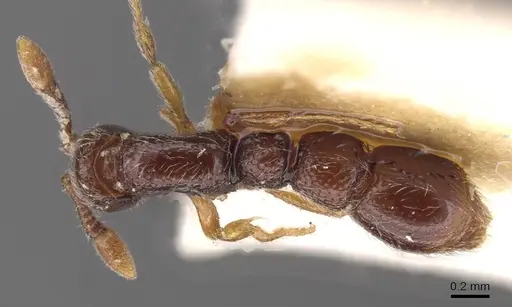
Literatuur
Verspreidingskaart laden...Producten laden...