
Parasyscia inconspicua
- Wetenschappelijke naam
- Parasyscia inconspicua
- Subfamilie
- Dorylinae
- Auteur
- Emery, 1901
- Verspreiding
- Gevonden in 0 landen
Introductie
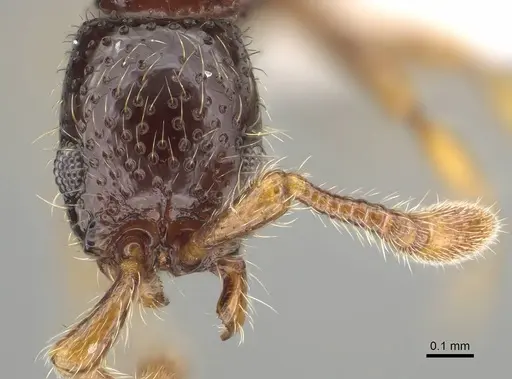
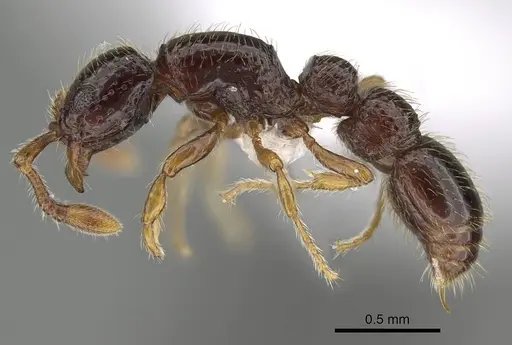
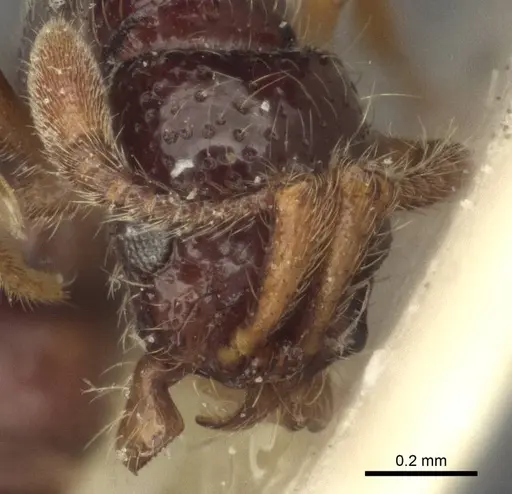
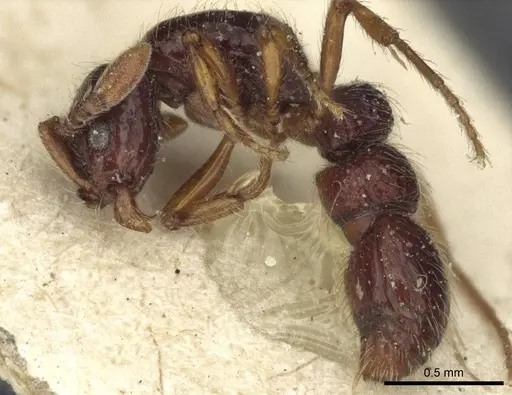
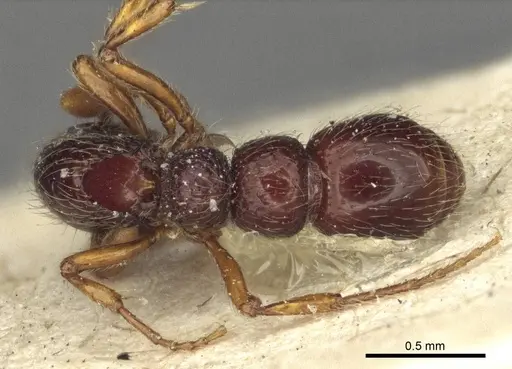
Parasyscia inconspicua is a small army ant in the subfamily Dorylinae. Workers are small, with a generally dark brown to reddish-brown coloration. The genus Parasyscia is distributed in the Oceanian region, including parts of Southeast Asia, Melanesia, and the Pacific islands . As an army ant, this species is predatory and hunts in coordinated groups, making them efficient predators of other small invertebrates .
Quick Summary
- Difficulty: Medium
- Origin & Habitat: Oceanian region, found across parts of Southeast Asia, Melanesia, and Pacific islands [1]. They inhabit tropical forest environments where they nest in soil, under stones, or in rotting wood [2].
- Colony Type: Unconfirmed, colony structure (single-queen or multi-queen) has not been documented for this specific species.
- Size & Growth:
- Queen: size data unavailable
- Worker: size data unavailable
- Colony: Unconfirmed, based on typical army ant patterns, colonies may reach several hundred workers [2]
- Growth: Unconfirmed
- Development: Unknown (No specific data available for this species)
- Antkeeping:
- Temperature: Keep warm, around 24-28°C, as typical for tropical ants [2]
- Humidity: Keep substrate moderately moist, similar to forest floor conditions [2]
- Diapause: No, tropical species do not require hibernation, inferred from Oceanian region climate
- Nesting: Use naturalistic setups with moist substrate or Y-tong nests [2]
- Behavior: Army ants are active predators, workers are small but aggressive toward prey. Escape risk is high due to small size, so use fine mesh barriers [2].
- Common Issues: escape prevention is critical due to small size, use fine mesh barriers [2], tropical species require consistent warmth, cold temperatures slow activity [2], wild-caught colonies may have parasites that can decimate the colony [2], army ants need regular protein input, sugar sources alone are insufficient [2], colony establishment may be slow for beginners during founding phase [2]
Housing and Nest Setup
Parasyscia inconspicua does well in naturalistic setups that mimic their natural tropical forest floor habitat. Use a container with a 2-3cm layer of moist soil or a soil-sand mix. Flat stones or pieces of bark placed on the surface give them cover and hunting grounds. A Y-tong nest with narrow chambers also works well, the chambers should be appropriately sized for their tiny workers. Ensure excellent escape prevention, these ants are very small and will find any gap. Apply fluon or use fine mesh on all openings [2].
Feeding and Diet
As predatory army ants, they need regular protein in the form of small live or dead invertebrates. Offer small prey items like fruit flies, pinhead crickets, small mealworms, or other tiny arthropods. They hunt cooperatively, so even prey larger than individual workers can be tackled by groups. You can also offer small amounts of sugar water or honey occasionally, though protein should be the primary food source. Feed every 2-3 days, removing any uneaten prey after 24 hours to prevent mold [2].
Temperature and Humidity
These are tropical ants requiring warm, humid conditions. Maintain temperatures between 24-28°C, they will become sluggish below 22°C. Use a heating cable on one side of the nest to create a temperature gradient, allowing ants to choose their preferred zone. Keep the substrate consistently moist but not waterlogged, the surface should feel damp but not have standing water. Mist occasionally to maintain humidity, especially in dry environments [2].
Behavior and Colony Dynamics
Parasyscia inconspicua exhibits typical army ant behavior, they are active hunters that form raiding columns in search of prey. Workers are small but determined, working together to subdue larger prey items. They are not aggressive toward humans and their small size means they cannot penetrate human skin with any sting. Colonies will establish foraging trails and can be quite active. The queen's exact role and colony structure remain undocumented [2].
Frequently Asked Questions
How long does it take for Parasyscia inconspicua to produce first workers?
The exact timeline is unknown for this species. No specific data is available [2].
Can I keep multiple Parasyscia queens together?
This has not been documented for this species. Army ant colonies are typically single-queen, but some species can be polygynous. It is not recommended to combine unrelated foundresses without documented evidence [2].
What do I feed Parasyscia inconspicua?
They are predatory and need regular protein. Offer small live or dead invertebrates like fruit flies, pinhead crickets, small mealworms, or other tiny arthropods. Sugar water can be offered occasionally but protein should be the primary food source [2].
Do Parasyscia inconspicua need hibernation?
No, they are tropical ants and do not require hibernation. Keep them warm year-round [2].
How big do Parasyscia inconspicua colonies get?
Colony size is unconfirmed for this species, but based on typical army ant patterns, colonies may reach several hundred workers [2].
Are Parasyscia inconspicua good for beginners?
They are rated as medium difficulty. Their small size and escape risk make them challenging for complete beginners, but they are not as demanding as some other army ant species. They require consistent warmth and regular feeding [2].
When should I move them to a formicarium?
You can keep them in a naturalistic setup from the start. If using test tubes for founding, move to a larger setup once the colony reaches a crowded state [2].
Why are my Parasyscia ants dying?
Common causes include: cold temperatures (below 22°C), too dry substrate, insufficient protein in diet, or parasites from wild-caught colonies. Ensure warm, humid conditions and regular protein feeding [2].
Report an Issue
The current care sheet is based fully on literature. See inconsistencies, or something that's incorrect? Please , it will be resolved after review from an admin. Contributing to the blogs tab also helps providing information, to make us be able to further improve the caresheets. Thank you for your support!
References

Dit verzorgingsblad is gelicentieerd onder CC BY-SA 4.0 .
Community-blogs
CASENT0249313
Bekijk op AntWeb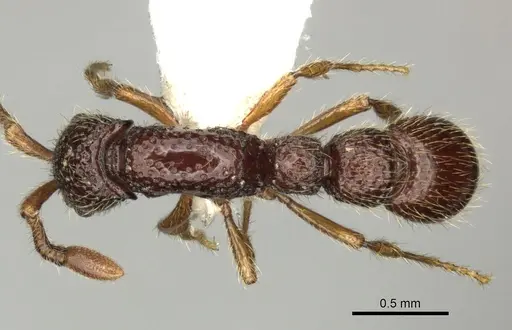
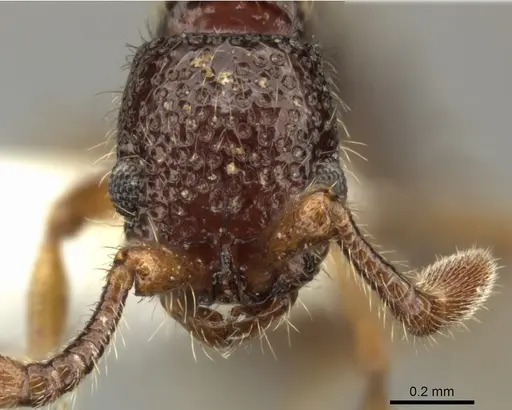
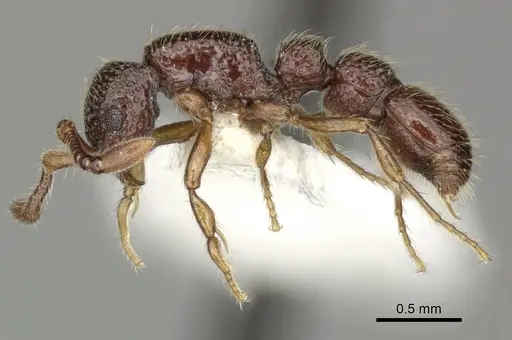
CASENT0434519
Bekijk op AntWeb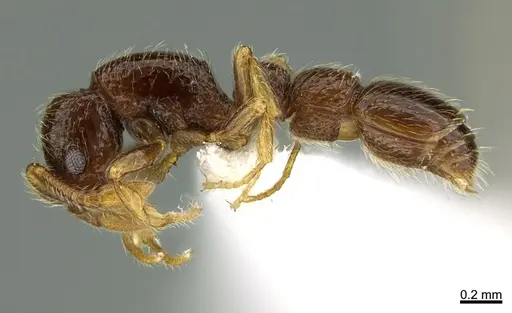
CASENT0434520
Bekijk op AntWeb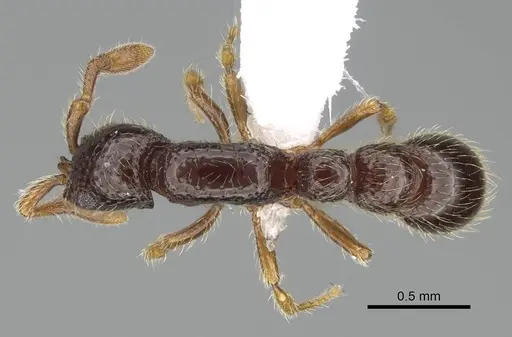
CASENT0916593
Bekijk op AntWeb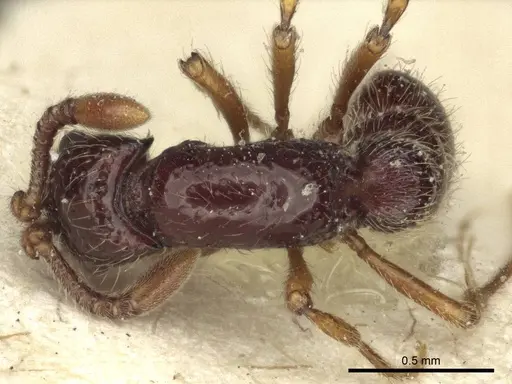
Literatuur
Verspreidingskaart laden...Producten laden...