
Neoponera holcotyle
- Wetenschappelijke naam
- Neoponera holcotyle
- Tribus
- Ponerini
- Subfamilie
- Ponerinae
- Auteur
- MacKay & MacKay, 2010
- Verspreiding
- Gevonden in 1 landen
Introductie
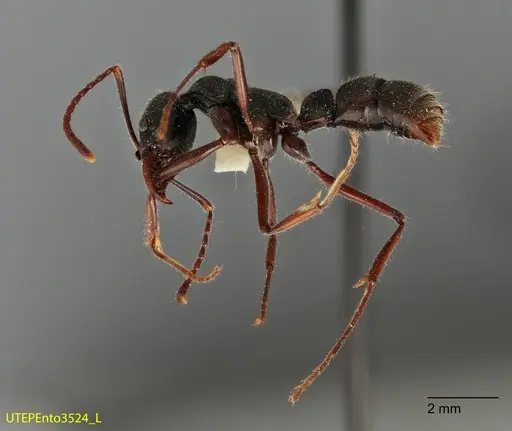
Neoponera holcotyle is a medium-sized ponerine ant found in the Neotropical forests of Costa Rica and Colombia. Workers are robust ants with a functional sting, typical of the Ponerinae subfamily. They inhabit the humid lowland forests of the Valle del Cauca region in Colombia and parts of Costa Rica, where they are typically found nesting in soil or under decaying logs in shaded forest areas . These ants are active predators, hunting small invertebrates on the forest floor.
Quick Summary
- Difficulty: Medium
- Origin & Habitat: Neotropical forests of Costa Rica and Colombia, specifically the Valle del Cauca region in Colombia. They live in humid, shaded forest environments [1][2].
- Colony Type: Colony structure is unconfirmed. No specific data on queen number or ergatoid presence exists for this species.
- Size & Growth:
- Queen: Size data unavailable, estimated 12-15mm based on typical Neoponera genus morphology
- Worker: Size data unavailable, estimated 8-12mm based on typical Neoponera genus morphology
- Colony: Colony size data unavailable for this species
- Growth: Growth rate unconfirmed
- Development: Development time unconfirmed for this species (Ponerine ants typically develop more slowly than many myrmicine species.)
- Antkeeping:
- Temperature: Keep at 24-28°C. These are lowland tropical ants that need consistently warm conditions. A heating cable on one side of the nest creates a gradient allowing ants to self-regulate.
- Humidity: High humidity required, aim for 70-85%. Keep the nest substrate consistently moist but not waterlogged. These forest-floor ants need damp conditions.
- Diapause: No true diapause, these are tropical ants that remain active year-round.
- Nesting: In captivity, they do well in naturalistic setups with moist substrate (soil/peat mix) or in plaster nests with high humidity chambers. They prefer dark, enclosed spaces and will often nest in the moistest areas of their enclosure.
- Behavior: Neoponera holcotyle are active, predatory ants with a sting. Workers are aggressive foragers that hunt small invertebrates. They are not escape artists but their medium size means standard barrier methods work well. Colonies are moderately defensive and will respond to disturbance with alarm pheromones. They are primarily nocturnal or crepuscular foragers.
- Common Issues: tropical warmth requirements mean colonies can struggle in air-conditioned rooms, high humidity needs can lead to mold problems if ventilation is poor, slow growth compared to common ant species may frustrate beginners, predatory diet means they need regular live prey, dead food is often rejected, wild-caught colonies may carry parasites that can decimate captive colonies
Housing and Nest Setup
Neoponera holcotyle does well in naturalistic setups that mimic their forest-floor habitat. Use a mix of soil and peat as substrate, kept consistently moist. A layer of leaf litter on top helps maintain humidity and provides hunting grounds. You can also use plaster nests with built-in water chambers for humidity control. These ants prefer dark, enclosed nesting areas so provide plenty of cover. An outworld for foraging should be connected to the nest via tubing. Because they are medium-sized ants, standard test tubes work for founding colonies but you will need to move them to a larger setup as the colony grows.
Feeding and Diet
As predatory ponerines, these ants need live food to thrive. Offer small insects like fruit flies, small crickets, mealworms, and other appropriately-sized invertebrates. They will typically accept dead prey after some time, but live food triggers stronger hunting behavior. Feed every 2-3 days for established colonies, removing uneaten prey after 24 hours. While they are primarily predatory, they may occasionally accept sugar water or honey as an energy source, though this should not be their primary diet.
Temperature and Heating
Being tropical lowland ants, Neoponera holcotyle needs warm temperatures to thrive. Keep the nest area at 24-28°C consistently. Room temperature is often insufficient, especially in air-conditioned spaces. Use a heating cable or heat mat placed on one side of the nest to create a temperature gradient. This allows ants to move to warmer or cooler areas as needed. Avoid direct heat that could dry out the nest. Temperature drops below 20°C for extended periods can weaken and eventually kill colonies.
Humidity Management
These forest-floor ants require high humidity, ideally 70-85%. Keep the substrate consistently moist but never waterlogged, standing water in the nest can drown brood. Mist the enclosure regularly and consider using a water reservoir in plaster nests. Good ventilation is important to prevent mold, but avoid excessive airflow that dries out the nest. A hygrometer helps monitor conditions. If you see condensation constantly dripping inside the nest, reduce misting, if the substrate feels dry, increase moisture.
Defense Mechanism
Neoponera holcotyle has a functional sting, as is typical of ants in the subfamily Ponerinae. The sting delivers venom that is painful to vertebrates. When threatened, workers will use their sting to defend the colony.
Behavior and Temperament
Neoponera holcotyle workers are active hunters that patrol their territory looking for prey. They have a moderately painful sting, similar to other Ponerine ants, though reactions vary by individual. Colonies are moderately defensive, disturbing the nest will bring out aggressive workers ready to sting. They are not overly aggressive toward humans during routine care but will defend their nest vigorously. Workers are primarily nocturnal, so you may see more activity in the evening and night hours. They do not form supercolonies and each colony maintains its own territory.
Frequently Asked Questions
How long does it take for Neoponera holcotyle to raise first workers?
Exact development time is unconfirmed for this species. Ponerine ants typically develop more slowly than many common ant species, expect several months for first workers. The queen will hunt for food during the founding period if she is semi-claustral.
What do Neoponera holcotyle ants eat?
They are predatory ants that need live insects. Feed small crickets, fruit flies, mealworms, and other appropriately-sized invertebrates. They may eventually accept dead prey but live food triggers natural hunting behavior.
Are Neoponera holcotyle good for beginners?
They are rated as medium difficulty. While not the hardest species, their need for warm temperatures, high humidity, and live food makes them more challenging than species like Lasius or Tetramorium. They are better suited for keepers with some experience.
What temperature do Neoponera holcotyle need?
Keep them at 24-28°C consistently. Use a heating cable or heat mat to maintain these temperatures, as room temperature is often too cool, especially in air-conditioned spaces.
How big do Neoponera holcotyle colonies get?
Exact colony size data is unavailable for this species. Based on typical Neoponera genus patterns, colonies may reach several hundred workers at maturity.
Do Neoponera holcotyle need hibernation?
No, they are tropical ants without a true diapause requirement. They remain active year-round with consistent warmth. Cooler temperatures may reduce activity but should not be used to induce hibernation.
What humidity level do Neoponera holcotyle require?
They need high humidity, ideally 70-85%. Keep the nest substrate consistently moist but not waterlogged. These forest-floor ants are accustomed to damp conditions.
Can I keep multiple Neoponera holcotyle queens together?
Colony structure is unconfirmed for this species. Combining unrelated queens is not recommended as they will likely fight. Only attempt pleometrosis if you have experience and are prepared to separate them.
When should I move Neoponera holcotyle to a formicarium?
Move them when the test tube colony outgrows the water reservoir or when you see 20+ workers. A naturalistic setup with moist substrate works well, or a plaster nest with humidity chambers.
Why is my Neoponera holcotyle colony dying?
Common causes include: temperatures below 20°C, low humidity, mold from overwatering with poor ventilation, lack of live prey, or parasites from wild-caught colonies. Check all environmental parameters first.
Are Neoponera holcotyle aggressive?
They are moderately defensive. Workers will sting to defend the nest when threatened. During routine care, they are manageable, but expect defensive behavior when the nest is disturbed.
Report an Issue
The current care sheet is based fully on literature. See inconsistencies, or something that's incorrect? Please , it will be resolved after review from an admin. Contributing to the blogs tab also helps providing information, to make us be able to further improve the caresheets. Thank you for your support!
References

Dit verzorgingsblad is gelicentieerd onder CC BY-SA 4.0 .
Community-blogs
ICN001374
Bekijk op AntWeb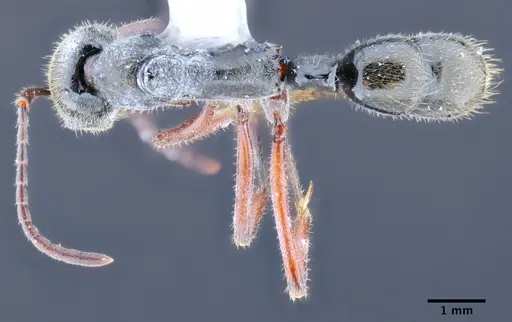
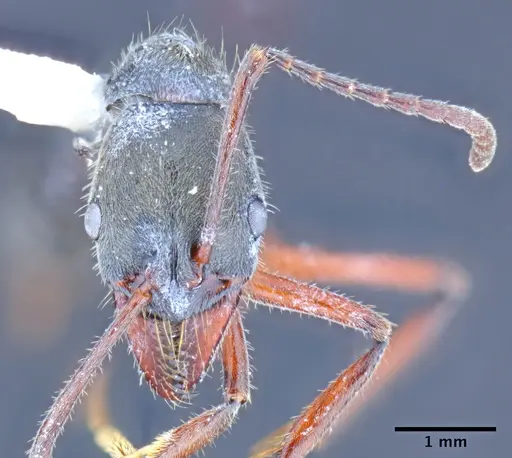
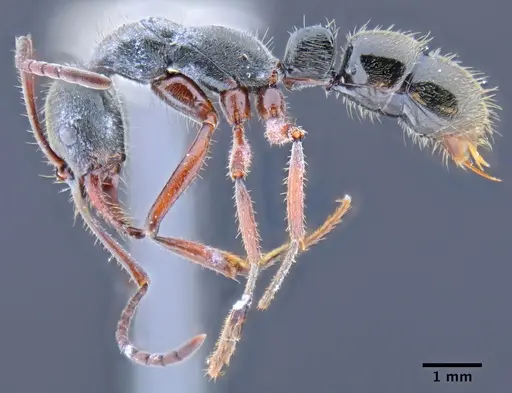
UTEPENTO3524
Bekijk op AntWeb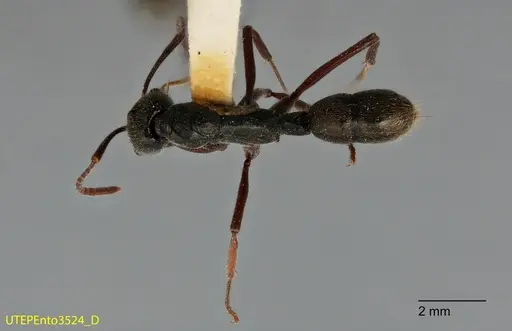
Literatuur
Verspreidingskaart laden...Producten laden...