
Neivamyrmex latiscapus
- Wetenschappelijke naam
- Neivamyrmex latiscapus
- Subfamilie
- Dorylinae
- Auteur
- Emery, 1901
- Verspreiding
- Gevonden in 0 landen
Introductie
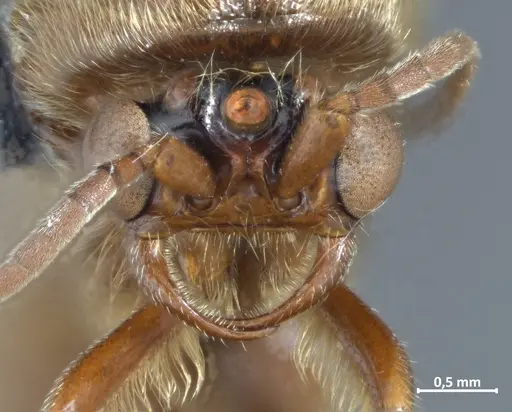
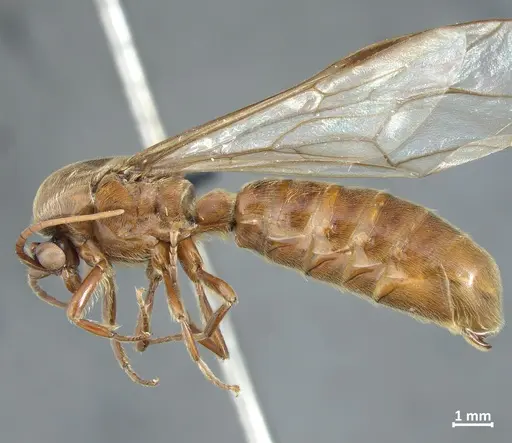
Neivamyrmex latiscapus is a Neotropical army ant species native to Brazil, with documented records extending into northern Argentina (Misiones province) . This species belongs to the subfamily Dorylinae and is classified within the Subordinate Camponotini functional group, meaning it occupies a different ecological niche than the more aggressive raid-conducting army ants . Males were originally described by Emery in 1901 from Rio de Janeiro specimens. As with other Neivamyrmex species, these ants are predatory and participate in coordinated foraging raids, though as subordinates they rely on different strategies than classic Eciton army ants. The genus Neivamyrmex contains over 150 species of army ants distributed throughout the Americas.
Quick Summary
- Difficulty: Expert
- Origin & Habitat: Neotropical Brazil and northern Argentina (Misiones province). This species inhabits tropical and subtropical forest environments in the Rio de Janeiro region and surrounding areas [1]. The natural habitat consists of humid forest floor ecosystems where they nest in soil or decaying wood and conduct raids on other ant colonies.
- Colony Type: Colony structure is unconfirmed for this species. As an army ant, colony structure may follow typical patterns with a single queen, though this has not been documented.
- Size & Growth:
- Queen: Size data unavailable, queen measurements have not been described in available literature
- Worker: Size data unavailable, worker measurements have not been described in available literature
- Colony: Unknown, colony size has not been documented for this species
- Growth: Unknown, growth rate has not been studied
- Development: Unconfirmed, development timeline has not been documented for this species. Related Neotropical army ants typically develop in several weeks at tropical temperatures. (No direct development data exists for this species.)
- Antkeeping:
- Temperature: Keep at tropical temperatures. Aim for warm conditions in the low-to-mid 20s°C range. A heating cable on one side of the nest creates a gradient allowing ants to self-regulate.
- Humidity: Maintain high humidity, think humid tropical forest floor. Keep the nest substrate consistently moist but not waterlogged. Provide a water source nearby. Army ants desiccate quickly in dry conditions.
- Diapause: No, this is a Neotropical species. In captivity, maintain stable warm conditions year-round.
- Nesting: Natural nesting occurs in soil or decaying wood. In captivity, a naturalistic setup with moist substrate (soil or sand mixture) works well. Y-tong nests with high humidity chambers are also suitable. Provide darkness and minimal disturbance. Avoid acrylic nests.
- Behavior: Army ants are highly active predators that conduct coordinated raids on other ant colonies and arthropod nests. They are aggressive foragers but as a subordinate Camponotini species, their raiding behavior likely differs from classic Eciton army ants. Workers are small to medium-sized and fast-moving. Escape prevention is important, they will exploit any gaps. They are primarily nocturnal or crepuscular foragers.
- Common Issues: lack of documented care information makes successful keeping challenging, much is inference from related species, high humidity requirements create mold risk if ventilation is poor, predatory diet means you need constant access to live prey, colonies can starve without proper feeding, stress from disturbance, army ants are sensitive to vibrations and light, difficulty establishing raids in captivity, they may not exhibit typical raiding behavior without proper space, small escape risk, workers can fit through very small gaps
Understanding Neivamyrmex latiscapus
Neivamyrmex latiscapus is a relatively poorly documented army ant species from the Neotropical region. Unlike the famous Eciton army ants that conduct massive daytime raids, Neivamyrmex species often exhibit different behaviors and are classified as subordinate Camponotini, meaning they occupy a different ecological niche within army ant communities [1]. This species was originally described from Rio de Janeiro, Brazil, and has been recorded in northern Argentina's Misiones province, one of the most biodiverse regions in South America [1]. The genus Neivamyrmex contains over 150 species, making it one of the most diverse army ant genera in the Americas. These ants play important ecological roles as predators of other ant species and arthropods, helping regulate prey populations in their native habitats.
Feeding and Diet
As predatory army ants, Neivamyrmex latiscapus feeds primarily on the brood of other ant colonies, particularly those of other ant species. They may also prey on small arthropods and invertebrates they encounter during raids. In captivity, provide a diet based on live prey, small crickets, mealworms, fruit flies, and other small insects are appropriate. Unlike some ants that readily accept sugar water, army ants are primarily protein-focused predators. Feed prey items several times per week, adjusting based on colony size and consumption. Remove uneaten prey after 24 hours to prevent mold. A constant clean water source is essential.
Temperature and Humidity Requirements
Being a Neotropical species, Neivamyrmex latiscapus requires warm, humid conditions. Maintain temperatures in the range of 22-26°C to support normal activity and development. A heating cable placed on part of the nest can create a temperature gradient. High humidity is critical, the nest substrate should remain consistently moist but never waterlogged. Army ants are susceptible to desiccation and will decline rapidly in dry conditions. However, balance humidity with adequate ventilation to prevent mold growth.
Housing and Nesting
In the wild, Neivamyrmex species typically nest in soil, under stones, or in decaying wood. For captive care, a naturalistic setup works well, a container filled with moist soil or sand mixture where the colony can create tunnels and chambers. Y-tong nests with multiple chambers also work, provided humidity is maintained. Keep nesting areas dark and minimize disturbance, as army ants are sensitive to vibrations and light. The outworld should be escape-proof with smooth walls and appropriate barriers. Given their active foraging nature, provide adequate space for the colony to move and potentially conduct raids.
Behavior and Colony Dynamics
Army ants are known for their coordinated raiding behavior, though Neivamyrmex latiscapus as a subordinate species may exhibit different patterns than the classic Eciton raiders. Workers operate in groups, searching for and attacking other ant colonies to capture their brood as food. They are fast-moving and aggressive when hunting. Colonies can reach substantial sizes, though the maximum for this specific species is unknown. Queens are typically larger than workers and may produce many eggs. The colony may exhibit cyclical behavior with nomadic phases when they move frequently and stationary phases when they consolidate at a bivouac.
Frequently Asked Questions
How difficult is Neivamyrmex latiscapus to keep?
This species is rated Expert difficulty due to limited documented care information. Much of what we know is inference from related army ant species. They require specific humidity and temperature conditions, a constant supply of live prey, and minimal disturbance. Only experienced antkeepers should attempt this species.
What do Neivamyrmex latiscapus eat?
As predatory army ants, they primarily eat live prey, the brood of other ant colonies and small invertebrates. In captivity, offer small live insects like fruit flies, pinhead crickets, and mealworms. They are not sugar-feeding ants. Remove uneaten prey after 24 hours.
What temperature do Neivamyrmex latiscapus need?
Keep them warm at 22-26°C. Tropical army ants require consistent warmth to maintain activity and support development. A heating cable on part of the nest creates a gradient for self-regulation.
Do Neivamyrmex latiscapus need hibernation?
No, this is a Neotropical species. Maintain warm, stable conditions year-round. Do not attempt hibernation.
How big do Neivamyrmex latiscapus colonies get?
Colony size is not documented for this specific species. Neivamyrmex colonies can reach thousands of workers, but actual maximum for this species is unknown.
Can I keep multiple queens together?
Colony structure is unconfirmed for this species. Based on typical army ant patterns, single-queen colonies are most likely, but this has not been documented. Combining unrelated queens has not been studied and is not recommended.
How long does it take for first workers to emerge?
The egg-to-worker timeline is unconfirmed for this species. Based on related Neivamyrmex species, development may take several weeks at optimal tropical temperatures, but this is an estimate only.
What humidity level do Neivamyrmex latiscapus need?
Maintain high humidity. Keep the nest substrate consistently moist but not waterlogged. Army ants are susceptible to desiccation and require humid conditions to thrive.
Are Neivamyrmex latiscapus good for beginners?
No. This species is not recommended for beginners. Care information is limited, and they have specific requirements (high humidity, warm temperatures, live prey diet) that make them challenging to keep successfully.
Report an Issue
The current care sheet is based fully on literature. See inconsistencies, or something that's incorrect? Please , it will be resolved after review from an admin. Contributing to the blogs tab also helps providing information, to make us be able to further improve the caresheets. Thank you for your support!
References

Dit verzorgingsblad is gelicentieerd onder CC BY-SA 4.0 .
Community-blogs
DZUP549826
Bekijk op AntWeb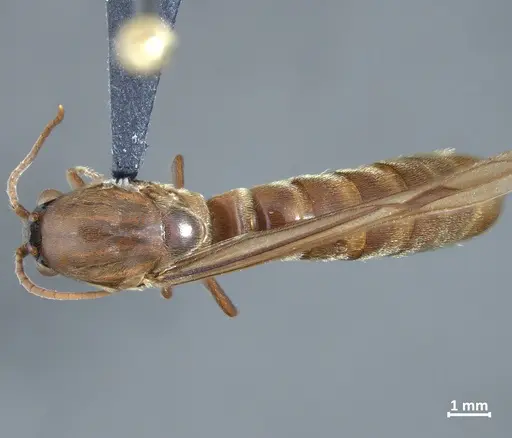
Literatuur
Verspreidingskaart laden...Producten laden...