
Myrmicaria adpressipilosa
- Wetenschappelijke naam
- Myrmicaria adpressipilosa
- Tribus
- Solenopsidini
- Subfamilie
- Myrmicinae
- Auteur
- Santschi, 1928
- Verspreiding
- Gevonden in 0 landen
Introductie
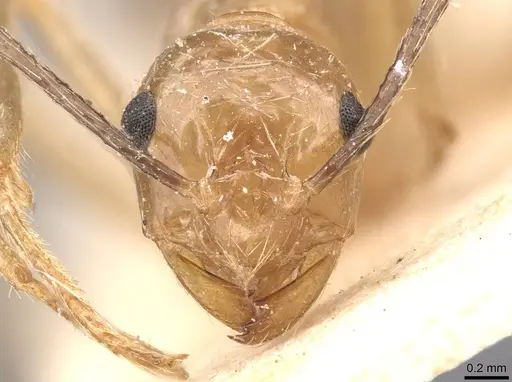
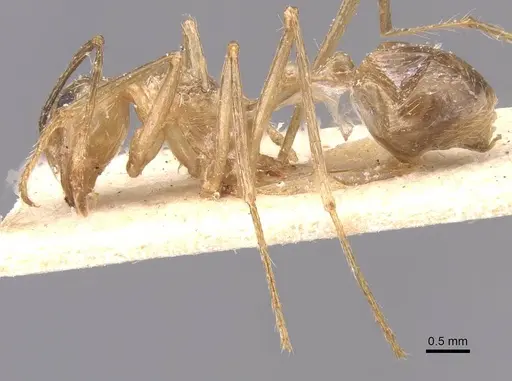
Myrmicaria adpressipilosa is a species native to Southeast Asia, found in Borneo, Java, Malaysia, and Singapore . It is associated with primary and mature secondary forest habitats, including forest edges . Workers can be identified by a large propodeal spiracle and lateral longitudinal carinae on the propodeal declivity . Size data is unavailable from current research. This species is a tramp species, demonstrating adaptability to various environments .
Quick Summary
- Difficulty: Expert
- Origin & Habitat: Native to Southeast Asia, found in Borneo, Java (Indonesia), Malaysia, and Singapore. Associated with primary or mature secondary forest, with records from Nee Soon forest and forest edges in Singapore [2], and lowland rainforest sites in Borneo [1].
- Colony Type: Colony structure is unconfirmed, no specific data on queen number or social organization.
- Size & Growth:
- Queen: Size data unavailable, inferred from Myrmicaria genus patterns
- Worker: Size data unavailable, inferred from Myrmicaria genus patterns
- Colony: Unknown, no specific data on colony size
- Growth: Moderate, inferred from tropical ant patterns
- Development: 6-10 weeks, estimated based on tropical ant development patterns (Development time is estimated, warmer temperatures may speed development)
- Antkeeping:
- Temperature: Keep warm at 24-28°C, inferred as a tropical species from Southeast Asia
- Humidity: Keep nest substrate consistently moist but not waterlogged, inferred from forest habitat [2]
- Diapause: No, tropical species do not require hibernation
- Nesting: Prefer soil or rotting wood in forest settings, in captivity, use Y-tong, plaster, or soil nests with humid conditions, inferred from habitat [2]
- Behavior: Defensive and will sting when threatened, primary defense is a sting with piperidine alkaloids, typical of Myrmicinae tribe Solenopsidini. Active foragers that hunt prey. As a tramp species, adaptable but escape prevention is important due to moderate size.
- Common Issues: stings during colony disturbances due to defensive behavior, escape risk due to moderate size, ensure tight seals on setups, maintaining warm and humid conditions year-round can be energy-intensive, invasive species warning, do not keep in non-native countries to prevent ecological damage
Housing and Nest Setup
Use a naturalistic setup that mimics forest floor habitat. A Y-tong (AAC) nest or plaster formicarium with soil chambers works well. These ants prefer enclosed, humid spaces with moderate chamber size. Provide a water reservoir to maintain humidity, but avoid direct water contact with the colony. An outworld area allows for foraging. For founding colonies, use a test tube setup, transitioning to a larger nest once the colony grows. Ensure the setup allows observation while maintaining dark, humid conditions [2][1].
Feeding and Diet
This species is primarily predatory, hunting small invertebrates in nature. In captivity, offer protein sources such as small crickets, mealworms, fruit flies, and other small insects. They may accept sugar water or honey as supplemental energy. Feed every 2-3 days, adjusting based on colony consumption. Remove uneaten prey after 24 hours to prevent mold. A varied diet supports colony health.
Temperature and Seasonal Care
Maintain temperatures between 24-28°C year-round for optimal activity. Use a heating cable on one side of the nest to create a gradient. Avoid temperatures below 20°C, as this can slow development. No hibernation is required, these ants remain active when kept warm.
Behavior and Temperament
Myrmicaria ants are defensive and will sting when threatened, using venom composed of piperidine alkaloids. They are active foragers that hunt prey. As a tramp species, they are adaptable, but escape prevention is important due to their moderate size. Monitor for aggression during colony maintenance.
Growth and Development
Colony growth is moderate, with founding queens raising the first brood alone. Development from egg to worker likely takes 6-10 weeks under warm conditions. Growth rate is steady with proper care. Exact colony size maximums are unknown.
Frequently Asked Questions
How long does it take for Myrmicaria adpressipilosa to produce first workers?
Based on tropical ant development patterns, expect first workers within 6-10 weeks after queen lays eggs. Warmer temperatures speed development.
Do Myrmicaria adpressipilosa ants sting?
Yes, they can sting when threatened. Their sting is defensive and uses piperidine alkaloids, typical of their subfamily.
What temperature do Myrmicaria adpressipilosa need?
Keep them warm at 24-28°C year-round. As a tropical species, they do not tolerate cool temperatures.
Are Myrmicaria adpressipilosa good for beginners?
This species is rated as Expert difficulty due to its invasive potential and specific care needs. It is not recommended for beginners.
What do Myrmicaria adpressipilosa eat?
They are primarily predatory, hunting small insects. Offer protein sources like crickets and mealworms, with supplemental sugar water.
How big do Myrmicaria adpressipilosa colonies get?
Colony size is unknown, no specific data is available from research.
Do Myrmicaria adpressipilosa need hibernation?
No, they do not require hibernation as a tropical species.
Can I keep multiple Myrmicaria adpressipilosa queens together?
Colony structure is unconfirmed. It is not recommended to combine unrelated queens due to likely aggression.
What humidity level do Myrmicaria adpressipilosa need?
Keep the nest substrate consistently moist but not waterlogged, inferred from their forest habitat.
Where is Myrmicaria adpressipilosa found in the wild?
This species is native to Southeast Asia, specifically Borneo, Java, Malaysia, and Singapore, associated with forest habitats [2][1].
Report an Issue
The current care sheet is based fully on literature. See inconsistencies, or something that's incorrect? Please , it will be resolved after review from an admin. Contributing to the blogs tab also helps providing information, to make us be able to further improve the caresheets. Thank you for your support!
References

Dit verzorgingsblad is gelicentieerd onder CC BY-SA 4.0 .
Community-blogs
CASENT0179017
Bekijk op AntWeb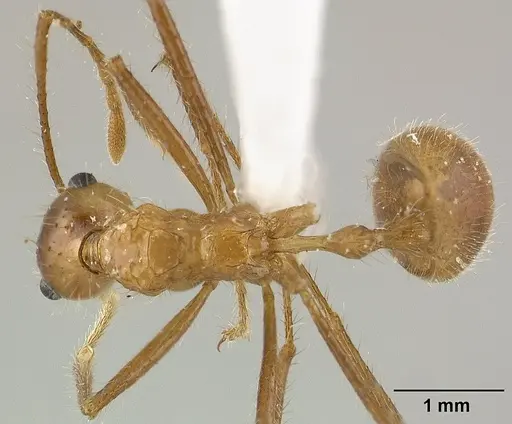
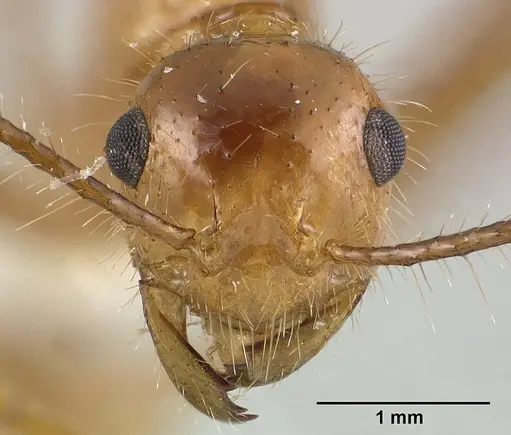
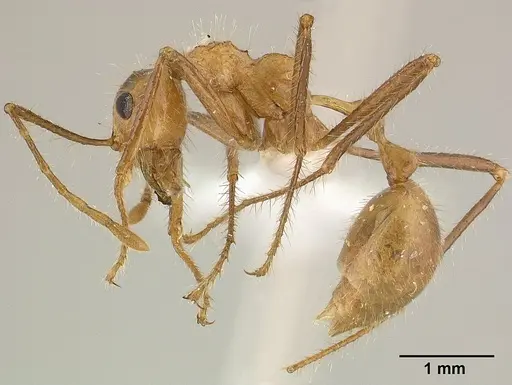
CASENT0913032
Bekijk op AntWeb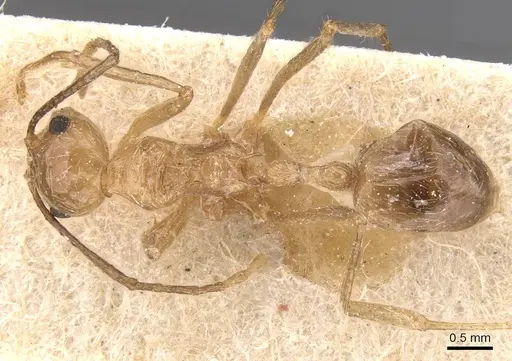
Literatuur
Verspreidingskaart laden...Producten laden...