
Myrmica zojae
- Wetenschappelijke naam
- Myrmica zojae
- Tribus
- Myrmicini
- Subfamilie
- Myrmicinae
- Auteur
- Radchenko, 1994
- Verspreiding
- Gevonden in 0 landen
Introductie
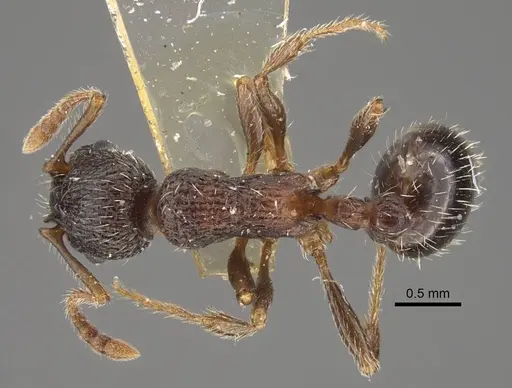
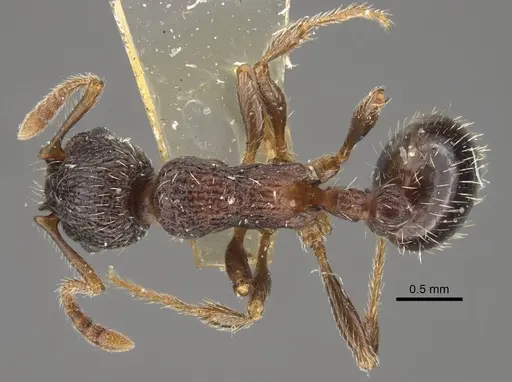
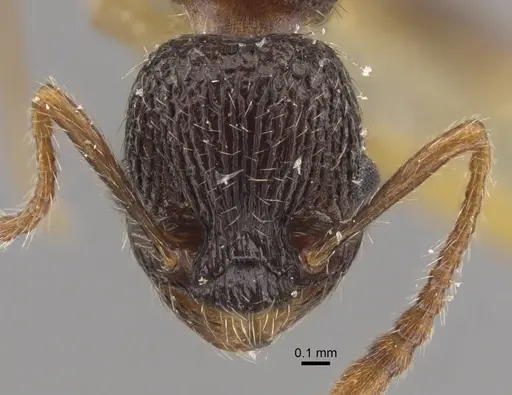
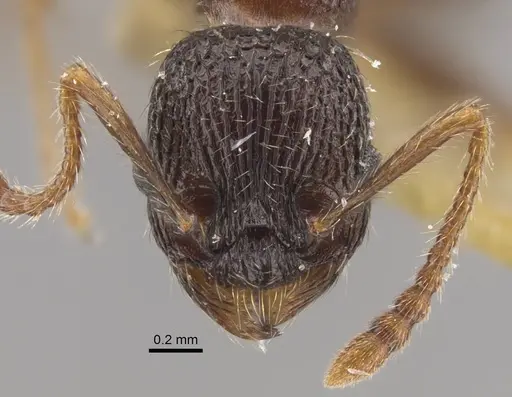
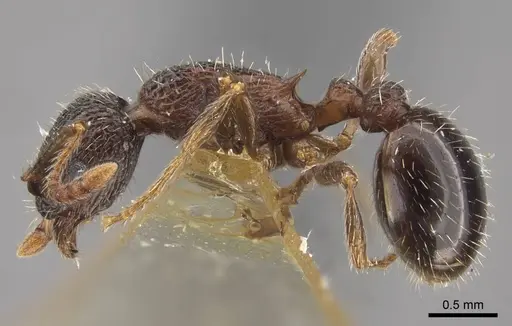
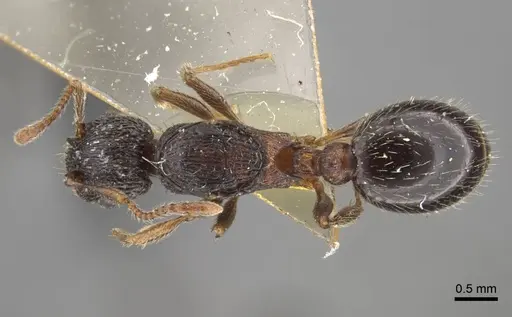
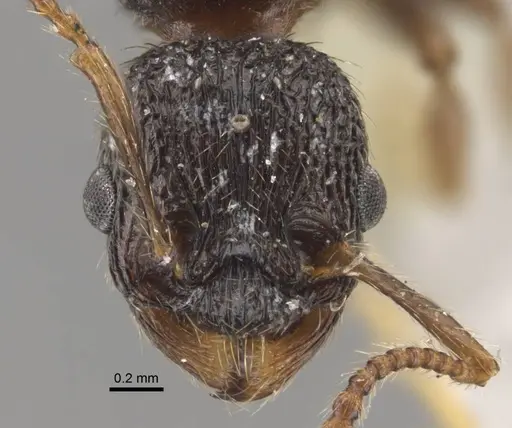
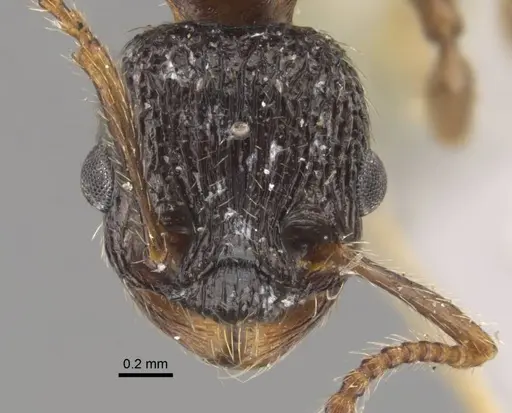
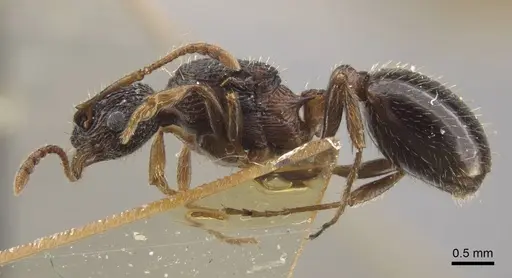
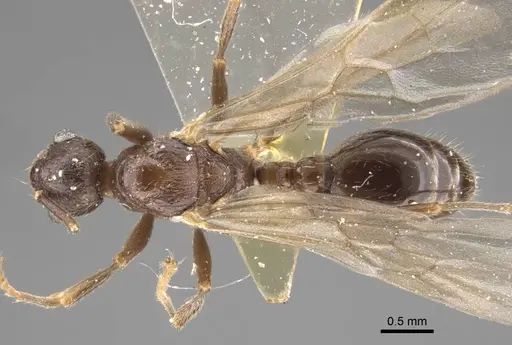
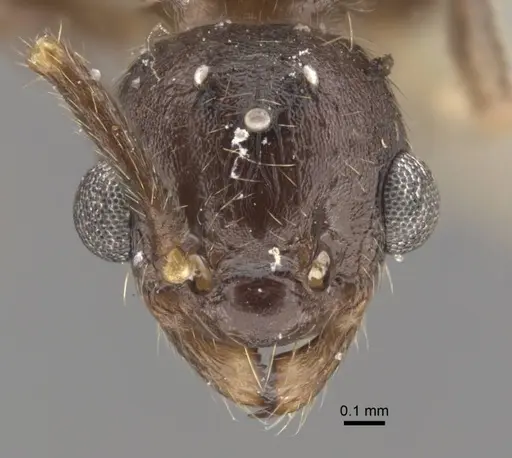
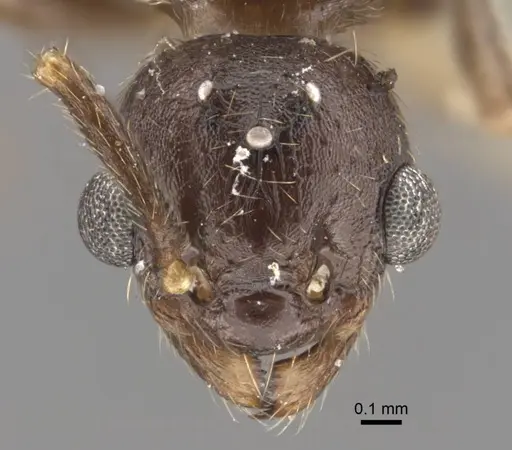
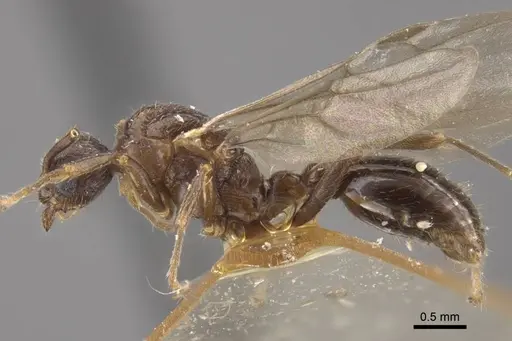
Myrmica zojae is a small Myrmica ant species native to southeastern Russia, specifically the SE Altai and southern Ural Mountains . Workers have a distinctive appearance with a dark head and gaster contrasting against a reddish-brown alitrunk and legs. The most notable feature is the large lobe at the base of each antenna, which sticks up and forward - this distinguishes it from related species like Myrmica lobicornis and is why it belongs to the lobicornis-complex . This is a xerophilous species, meaning it prefers dry conditions - it inhabits steppe habitats where it builds nests directly in soil . In the wild, colonies are found in park larch forests and meadow steppes at higher elevations in the Kurai depression. The species was discovered and named after Russian myrmecologist Dr. Zoja Alexandrovna Zhigulskaya, who collected the type specimens in 1964 .
Quick Summary
- Difficulty: Medium
- Origin & Habitat: Native to southeastern Russia, specifically the SE Altai and southern Ural Mountains. This is a steppe species that builds nests in soil, found in park larch forests and meadow steppes at higher elevations [3][2].
- Colony Type: Colony structure is unconfirmed for this specific species. Most Myrmica are single-queen colonies (monogyne), though some species can have multiple queens. The genus typically shows ergatoid (wingless) replacement reproductives.
- Size & Growth:
- Queen: ~5-7mm, inferred from Myrmica genus [1]
- Worker: ~4-6mm, inferred from Myrmica genus [1]
- Colony: Unknown for this species, related Myrmica typically reach several thousand workers
- Growth: Moderate, typical Myrmica development takes 6-10 weeks from egg to worker at optimal temperature
- Development: 6-10 weeks (estimated based on related Myrmica species) (Development time depends on temperature, warmer conditions within acceptable range speeds development. First workers (nanitics) are typically smaller than mature workers.)
- Antkeeping:
- Temperature: Keep at room temperature, roughly 18-22°C. As a species from temperate Russia, they can tolerate cooler conditions than tropical ants but prefer stable moderate warmth. Avoid overheating.
- Humidity: Low to moderate, this is a xerophilous (dry-loving) species. Keep nest substrate moderately dry, similar to their steppe habitat. Allow areas to dry out between waterings.
- Diapause: Yes, Myrmica from temperate regions require a winter dormancy period. Provide 3-4 months at 5-10°C during winter, simulating natural seasonal cycles.
- Nesting: Soil-nesting species. In captivity, a test tube setup works well for founding colonies. For established colonies, a Y-tong or plaster formicarium with some damp soil works well. Provide a dry to moderately humid nest chamber with access to a water tube.
- Behavior: Typical Myrmica temperament, moderately defensive when disturbed but not overly aggressive. Workers are active foragers, both collecting honeydew from aphids and hunting small insects. They have a functional stinger but rarely use it on humans due to their small size. Escape risk is moderate, standard barrier methods (Fluon, vaseline) are sufficient. Workers are reasonably visible and easy to observe.
- Common Issues: dry conditions are essential, this species is xerophilous and will struggle in constantly damp or humid nests, hibernation is critical, failure to provide proper winter dormancy can weaken or kill colonies over time, founding behavior is unconfirmed for this species, do not assume claustral founding without evidence, wild-caught colonies may carry parasites that can decimate captive colonies, related species can be aggressive toward other ant species, keep separate from other ant colonies
Natural History and Distribution
Myrmica zojae is endemic to southeastern Russia, specifically the Altai Mountains region and southern Urals. This is a cold-temperate region with harsh winters and relatively dry summers, the species has adapted to these conditions. They inhabit steppe environments, building nests directly in soil. In their native range, they can be found in park larch forests and meadow steppes at elevations around the Kurai depression [3]. The species was first described in 1994 by Radchenko based on specimens collected in June-July 1964 [1]. The distinctive scape lobes that give this species its name (lobicornis-complex) are thought to play a role in colony communication and recognition.
Housing and Nest Setup
This is a soil-nesting species that prefers dry to moderately humid conditions. For founding colonies, a standard test tube setup works well, fill the tube about one-third with water, plug with cotton, and place the queen in the dry portion. The queen will seal herself into a chamber and remain there until her first workers emerge. For established colonies, a Y-tong or plaster formicarium works well. Provide a nest chamber that is relatively dry with a separate water tube for humidity. Because this is a xerophilous species, avoid overly damp conditions, the nest should have some dry areas where ants can retreat if humidity rises. An outworld (foraging area) allows you to observe workers hunting and collecting food. [3]
Feeding and Diet
Like most Myrmica species, Myrmica zojae is omnivorous with a preference for protein. Workers will collect honeydew from aphids in the wild, so sugar sources like honey water or sugar water are readily accepted. Protein comes from hunting small insects, flightless fruit flies, small crickets, mealworms, and similar small prey items are ideal. Feed protein prey 2-3 times per week, and keep a sugar source available at all times. Remove uneaten prey after 24-48 hours to prevent mold. In the founding phase, the queen typically does not forage, she survives entirely on stored fat reserves until her first workers emerge and begin foraging.
Temperature and Seasonal Care
Myrmica zojae comes from temperate Russia, so they prefer cooler conditions than many tropical ant species. Keep the nest at room temperature, roughly 18-22°C. They can tolerate temperatures down to around 15°C without issue and should not be heated above 25°C. Most critically, this species requires a winter dormancy period. Each autumn (typically October-November), gradually reduce temperatures to simulate approaching winter. Provide 3-4 months at 5-10°C in a refrigerator or cold garage. During this time, the colony will be largely inactive. Resume normal temperatures in spring. Failure to provide proper hibernation can weaken colonies and shorten queen lifespan.
Colony Development
The founding queen seals herself into a chamber and does not leave to forage. She relies on stored fat reserves to survive and produce eggs. The first brood develops through the typical ant life stages: egg to larva to pupa to worker. This process typically takes 6-10 weeks at optimal temperature, though it may take longer in cooler conditions. The first workers, called nanitics, are usually smaller than mature workers. Once nanitics emerge, the queen stops caring for the brood directly and focuses on egg-laying, while workers take over all colony tasks including foraging, nursing, and nest maintenance. Colony growth is initially slow but accelerates as the worker population increases.
Frequently Asked Questions
How long does it take for Myrmica zojae to produce first workers?
Expect 6-10 weeks from egg to first worker at room temperature (around 20°C). This may take longer in cooler conditions. The founding queen seals herself in and the process cannot be rushed without risking her health.
Do Myrmica zojae ants sting?
Yes, Myrmica ants have a functional stinger. However, due to their small size (workers are only about 4-6mm), they rarely penetrate human skin and the sting is mild compared to larger ants. Some people may still feel a slight burn or itch.
What temperature range is best for Myrmica zojae?
Keep them at 18-22°C, room temperature is ideal. They can tolerate 15-25°C but avoid extremes. As a species from temperate Russia, they prefer cooler conditions than tropical ants.
Do Myrmica zojae need hibernation?
Yes, this species requires a winter dormancy period. Provide 3-4 months at 5-10°C each winter, typically from late October through February. This is essential for colony health and queen longevity.
How humid should the nest be?
Keep it relatively dry, this is a xerophilous (dry-loving) species from steppe habitats. The nest should have some damp areas but also dry zones where ants can retreat. Avoid constantly wet or humid conditions.
Can I keep multiple Myrmica zojae queens together?
Not recommended. While some Myrmica can be pleometrotic (multiple queens found a nest together), this is risky and most colonies function best with a single queen. Combining unrelated foundresses often leads to fighting.
What do Myrmica zojae eat?
They accept sugar sources (honey water, sugar water) and protein prey (fruit flies, small crickets, mealworms). Feed protein 2-3 times per week and keep sugar water available at all times once workers emerge.
Are Myrmica zojae good for beginners?
They are moderate difficulty. The founding process is straightforward, but they require proper hibernation and dry nest conditions, which may be unfamiliar to completely new antkeepers. Experience with Myrmica or similar temperate ants is helpful.
How big do Myrmica zojae colonies get?
Exact colony size is unconfirmed for this species, but related Myrmica typically reach several thousand workers. Growth is moderate, expect a year or more to reach 100 workers, then faster expansion.
When do Myrmica zojae have nuptial flights?
Nuptial flight timing is unconfirmed for this specific species. Based on their collection period in June-July in the Altai region, flights likely occur during summer months. Males and new queens would emerge for their mating flights at this time.
Report an Issue
The current care sheet is based fully on literature. See inconsistencies, or something that's incorrect? Please , it will be resolved after review from an admin. Contributing to the blogs tab also helps providing information, to make us be able to further improve the caresheets. Thank you for your support!
References

Dit verzorgingsblad is gelicentieerd onder CC BY-SA 4.0 .
Community-blogs
Literatuur
Verspreidingskaart laden...Producten laden...