
Myrmica pachei
- Wetenschappelijke naam
- Myrmica pachei
- Tribus
- Myrmicini
- Subfamilie
- Myrmicinae
- Auteur
- Forel, 1906
- Verspreiding
- Gevonden in 0 landen
Introductie
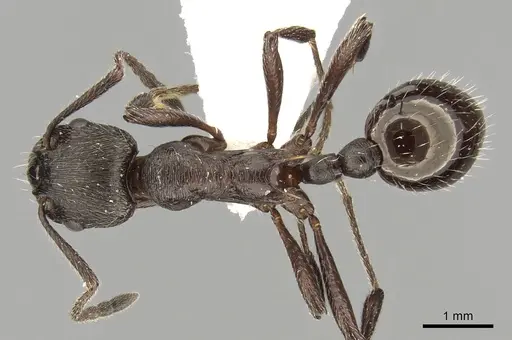
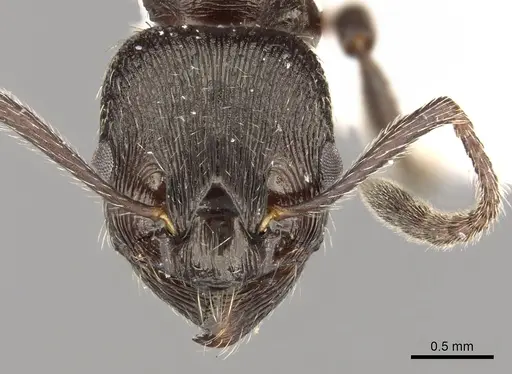
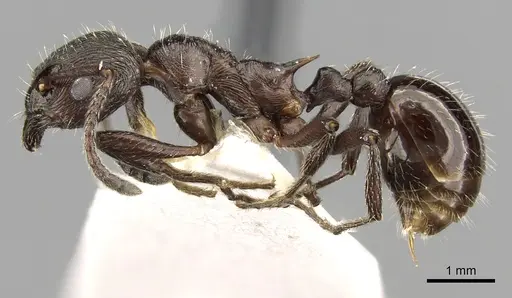
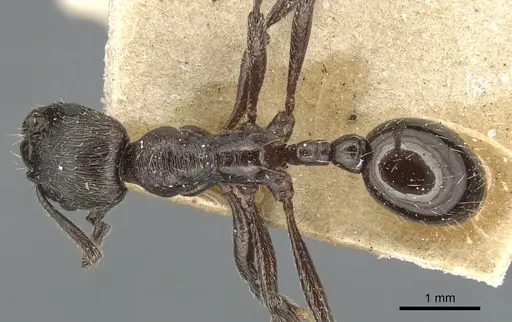
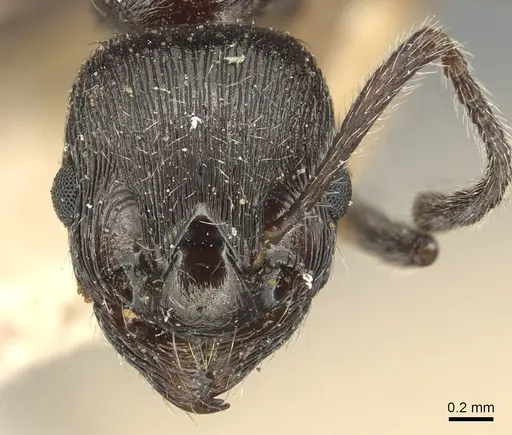
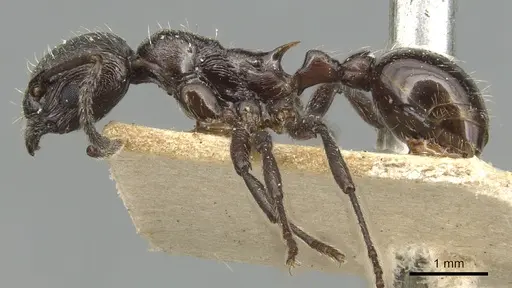
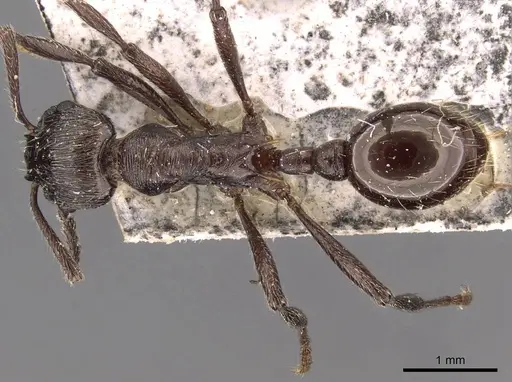
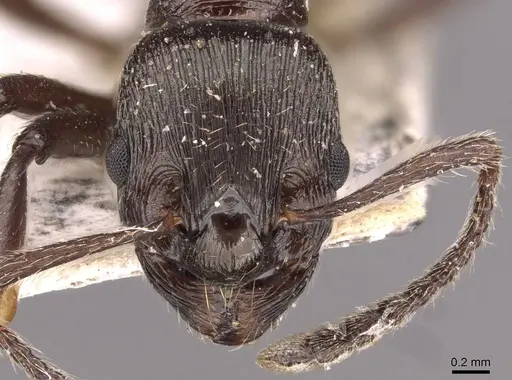
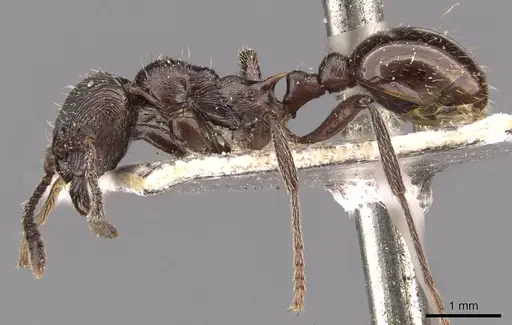
Myrmica pachei is a small, high-altitude ant native to the Himalayas. It is found in Nepal, Bhutan, and northern India (Arunachal Pradesh, Sikkim, West Bengal) . Workers are approximately 4-5 mm, inferred from typical Myrmica sizes [inferred from genus patterns]. They have a distinctive feature among Myrmica: dense fine transverse rugulosity (crosswise wrinkles) on the alitrunk (middle body section) . Their antennal scapes are unusually long, extending beyond the back of the head . This species belongs to the pachei-group, which is defined by this transverse rugulosity . This cold-hardy species lives at extreme altitudes between 2600-3600 meters . Colonies are small, usually up to 30 workers . They nest under stones in wet soil or in tree trunks, in areas with grass, low vegetation, and scattered pine trees . The species was named after Swiss climber Pache, who was killed in an avalanche in 1905 .
Quick Summary
- Difficulty: Medium
- Origin & Habitat: Himalayan region of Nepal, Bhutan, and northern India (Arunachal Pradesh, Sikkim, West Bengal). Found at altitudes of 2600-3600 m, nesting under stones in wet soil or in tree trunks, in areas with grass, low vegetation, and scattered Pinus trees [2][3].
- Colony Type: Small colonies with up to 30 workers. Likely single-queen (monogyne) based on typical Myrmica patterns, but this has not been directly confirmed. Founding behavior is unconfirmed [2].
- Size & Growth:
- Queen: Approximately 6-7 mm, inferred from typical Myrmica queen sizes
- Worker: Approximately 4-5 mm, inferred from typical Myrmica workers
- Colony: Up to 30 workers in wild colonies [2]
- Growth: Moderate, small colony size suggests slower development
- Development: Estimated 8-12 weeks based on typical Myrmica development in cool conditions (Development likely slower due to cold high-altitude origin, expect 2-3 months to first workers at optimal temperature)
- Antkeeping:
- Temperature: Keep between 15-24°C, with an ideal range of 18-22°C. This is a cold-hardy species, avoid overheating. Room temperature is often suitable. If additional heating is needed, use a heating cable on one side of the nest to create a gentle gradient [2].
- Humidity: Maintain 65-85% humidity. Keep the nest substrate consistently moist but not waterlogged. Mist occasionally and provide a water tube. These ants come from damp Himalayan habitats so drying out is a greater risk than overwet conditions [2].
- Diapause: Yes, this species requires a winter dormancy period. Based on their high-altitude origin and the timing of alate collection (June and October), they likely need hibernation at cool temperatures (5-10°C) for 3-4 months during winter [2].
- Nesting: Use a test tube setup for founding colonies. For established colonies, Y-tong (AAC) or plaster nests work well. Keep substrate consistently moist. They accept narrow chambers but need enough space for small colony growth. Avoid dry conditions, their natural habitat is damp soil under stones [2].
- Behavior: Workers are active foragers, typical of Myrmica species. They are not particularly aggressive but will sting if threatened. Escape risk is moderate, use standard barrier methods. They are opportunistic foragers that likely collect honeydew and small insects. The small colony size means they will not produce massive worker numbers, making them suitable for observation but not for impressive displays [5].
- Common Issues: overheating is a serious risk, this cold-hardy species does poorly in warm conditions, small colony size means slow growth, beginners may lose patience and abandon the colony, drying out is a major threat, their natural habitat is consistently damp soil, hibernation failure, colonies may not survive winter if not given proper cool dormancy period, escape prevention is still important despite small size, use proper barriers
Housing and Nest Setup
Myrmica pachei does well in standard test tube setups for founding colonies. Use a test tube with a water reservoir at one end, stopped with cotton, this provides consistent humidity. For established colonies, Y-tong (AAC) or plaster nests work well. The key is maintaining moisture, these ants come from damp soil habitats in the Himalayas. Avoid completely dry formicaria. Provide a small outworld for foraging. Since colonies stay small (under 30 workers), you don't need large setups. A test tube with 15-20 cm of water reservoir provides enough moisture for several weeks [2].
Temperature Management
This is the most critical aspect of keeping M. pachei. They are adapted to cool Himalayan conditions at 2600-3600 m altitude, where temperatures range from 15-24°C. Keep them in the cooler end of this range, around 18-22°C is ideal. They do NOT tolerate heat well. Room temperature (around 20°C) is often perfect. If you need to warm them slightly, use a heating cable on only ONE side of the nest to create a temperature gradient, never heat the entire nest. Never exceed 25°C. In winter, they benefit from natural room-temperature cooling or placement in a cool basement/garage for hibernation [2].
Feeding and Diet
Like other Myrmica species, M. pachei is likely an opportunistic feeder. Offer sugar water or honey water as an energy source, replace every 2-3 days. For protein, provide small insects like fruit flies, small mealworms, or cricket pieces. Feed protein 2-3 times per week. Since colonies are small, offer very small portions. Remove uneaten prey after 24 hours to prevent mold. They likely also collect honeydew in nature, so sugar sources are important. Observe your colony, if workers ignore sugar water, try honey or diluted jam.
Seasonal Care and Hibernation
M. pachei likely requires a winter dormancy period. In their natural Himalayan habitat, temperatures drop significantly below freezing at 3000-3600 m altitude. Reduce temperature to 5-10°C for 3-4 months, typically from late October to early March in the Northern Hemisphere. Place the colony in an unheated room, basement, or garage. Do not feed during hibernation. Keep the nest slightly moist but not wet, the cotton reservoir should still have some water. Return to normal temperatures gradually in spring. Alates (reproductives) were collected in June and October, suggesting nuptial flights occur during the summer monsoon season [2].
Colony Growth Expectations
Wild colonies reach only about 30 workers, so don't expect massive colonies in captivity. Growth is moderate, expect 6-12 months from founding to first workers, then slow addition of new workers. The founding period (queen alone raising first brood) typically takes 2-3 months in cool conditions, assuming it follows typical Myrmica claustral patterns (though undocumented for this species). Nanitics (first workers) will be smaller than normal workers. Be patient, small colony size is normal for this species. A healthy colony might reach 20-40 workers over 1-2 years. This makes them suitable for keepers who enjoy observing small, manageable colonies [2].
Frequently Asked Questions
How long does it take for Myrmica pachei to produce first workers?
Expect 8-12 weeks from egg to first worker at optimal temperatures (around 18-22°C). Cooler conditions will slow development. Based on typical Myrmica founding behavior, the queen likely seals herself in and raises the first brood alone (claustral founding), but this has not been directly documented for M. pachei.
What temperature do Myrmica pachei ants need?
Keep them between 15-24°C, with 18-22°C being ideal. This is a cold-hardy Himalayan species that does NOT tolerate heat. Room temperature is often perfect. Never exceed 25°C [2].
Do Myrmica pachei ants need hibernation?
Yes, likely. Based on their high-altitude habitat, they probably require a winter dormancy period at cool temperatures (around 5-10°C) for 3-4 months, from late October through winter [2].
How big do Myrmica pachei colonies get?
Colonies are small, wild colonies reach only about 30 workers [2]. In captivity, a healthy colony might reach 40-50 workers over 1-2 years, but don't expect massive colonies.
What do Myrmica pachei ants eat?
Offer sugar water or honey water as an energy source, and small insects like fruit flies, small mealworms, or cricket pieces for protein. Feed protein 2-3 times per week and keep sugar water available. Replace sugar water every 2-3 days. This is based on typical Myrmica diet.
Can I keep Myrmica pachei in a test tube?
Yes, test tubes work well for founding colonies. Use a tube with a water reservoir stopped with cotton to maintain humidity. Keep the tube in a cool, stable location. For established colonies, Y-tong (AAC) or plaster nests work well [2].
Do Myrmica pachei ants sting?
Yes, like other Myrmica species, they can sting if threatened. However, they are not particularly aggressive and the sting is mild. They are more likely to flee than attack.
Are Myrmica pachei good for beginners?
They are rated as medium difficulty. The main challenges are temperature management (they need cool conditions) and providing proper hibernation. If you can keep them cool in summer and provide winter dormancy, they are manageable for intermediate antkeepers.
Where is Myrmica pachei found in the wild?
This species lives in the Himalayan region of Nepal, Bhutan, and northern India (Arunachal Pradesh, Sikkim, West Bengal) at altitudes between 2600-3600 meters. They nest under stones in wet soil or in tree trunks [2][3].
Why is Myrmica pachei unusual among Myrmica ants?
M. pachei has a distinctive feature not commonly seen in Myrmica, dense fine transverse rugulosity (crosswise wrinkles) on the alitrunk (middle body section). This unusual trait places it in the pachei species-group, along with Myrmica villosa [3].
Report an Issue
The current care sheet is based fully on literature. See inconsistencies, or something that's incorrect? Please , it will be resolved after review from an admin. Contributing to the blogs tab also helps providing information, to make us be able to further improve the caresheets. Thank you for your support!
References

Dit verzorgingsblad is gelicentieerd onder CC BY-SA 4.0 .
Community-blogs
Literatuur
Verspreidingskaart laden...Producten laden...