
Myrmica kryzhanovskii
- Wetenschappelijke naam
- Myrmica kryzhanovskii
- Tribus
- Myrmicini
- Subfamilie
- Myrmicinae
- Auteur
- Arnol'di, 1976
- Verspreiding
- Gevonden in 0 landen
Introductie
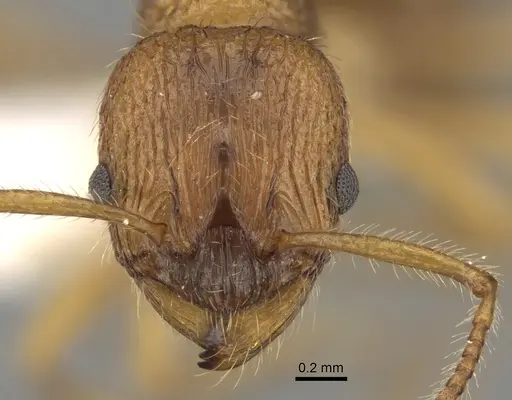
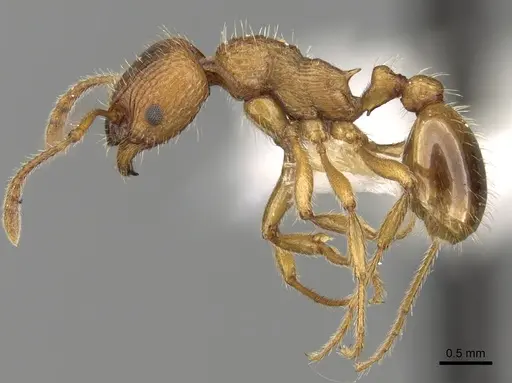
Myrmica kryzhanovskii is a member of the dshungarica-complex of the rubra species group. Workers are distinguished by long semierect hairs on the antennal scape and legs, and more than 15 rugae on the frons between the frontal carinae . Size data is unavailable for this species, but based on Myrmica genus patterns, workers are approximately 4-6 mm long. It is found in Tajikistan and Kyrgyzstan at elevations around 1500 meters, inhabiting nut forests and dry meadows . The species was described by Arnol'di in 1976 and named after Prof. Oleg Leonidovich Kryzhanovski. There was a printing error in the original description where the holotype was marked as a queen but was actually a worker .
Quick Summary
- Difficulty: Medium
- Origin & Habitat: Tajikistan and Kyrgyzstan, mountainous regions at approximately 1500m elevation in nut forests and dry meadows [2][3]
- Colony Type: Unconfirmed, no specific data on queen number for this species, but based on typical Myrmica patterns, likely monogyne
- Size & Growth:
- Queen: approximately 5-7 mm inferred from Myrmica genus
- Worker: approximately 4-6 mm inferred from Myrmica genus
- Colony: up to several hundred workers inferred from related Myrmica species
- Growth: Moderate inferred from Myrmica genus patterns
- Development: 6-10 weeks inferred from related Myrmica species (Development time estimated from genus-level data for Myrmica species in similar habitats)
- Antkeeping:
- Temperature: Keep cool, around 18-22°C, as this is a high-altitude species inferred from habitat description
- Humidity: Moderate humidity, allow substrate to dry partially between water additions inferred from dry meadow habitat
- Diapause: Yes, winter hibernation required for 2-3 months at 5-10°C inferred from temperate mountain species
- Nesting: Y-tong or plaster nests with soil substrate, provide a humidity gradient inferred from nesting preferences
- Behavior: Workers are moderately aggressive and will defend the nest vigorously, with a functional stinger inferred from Myrmica genus patterns. Escape risk is moderate due to small size.
- Common Issues: overheating is a major risk, this mountain species prefers cool conditions and can die from excessive heat, colonies may struggle if humidity is too high, their dry meadow habitat means they prefer drier conditions, hibernation failure can cause colony decline, ensure proper winter rest period of 2-3 months at cool temperatures, poorly known species means limited guidance exists, monitor colony behavior and adjust care accordingly
Nest Preferences
In the wild, Myrmica kryzhanovskii nests in soil under stones in dry meadow habitats at high altitude [2]. For captive care, Y-tong nests with plaster or soil substrate work well. This species prefers drier conditions than many Myrmica, so ensure good drainage and avoid overly damp substrates. Provide a gradient from moist to dry within the nest so workers can choose their preferred microclimate [2].
Feeding and Diet
Myrmica kryzhanovskii is a predator and omnivore. Workers hunt small invertebrates like fruit flies and pinhead crickets, and collect honeydew. Offer protein-rich foods like small insects 2-3 times per week and provide constant access to sugar water. Remove uneaten prey after 24-48 hours to prevent mold.
Temperature and Care
This high-altitude species from Tajikistan and Kyrgyzstan prefers cool conditions. Keep nest temperatures between 18-22°C and avoid overheating. Room temperature is often ideal. During winter, provide a proper hibernation period of 2-3 months at 5-10°C.
Behavior and Temperament
Myrmica kryzhanovskii has typical Myrmica defensive behavior, workers are alert and will attack perceived threats. They possess a functional stinger and can deliver a painful sting. Workers are active foragers during daylight hours. Escape prevention is straightforward with standard barriers due to small size [1].
Colony Growth and Development
Specific development timelines are not documented for this species. Based on related Myrmica species, expect 6-10 weeks from egg to first worker at optimal temperature. Initial colonies grow slowly, then accelerate once workers emerge. Growth rate is moderate.
Frequently Asked Questions
How long does it take for Myrmica kryzhanovskii to have first workers?
Based on related Myrmica species, expect 6-10 weeks from egg to first worker at optimal temperature (around 20°C). The exact timeline is not documented for this specific species, so monitor your colony and adjust temperature if development seems slow.
What temperature should I keep Myrmica kryzhanovskii at?
Keep them at 18-22°C. This is a high-altitude mountain species that prefers cool conditions. Avoid temperatures above 28°C as they can be fatal. Room temperature is typically ideal.
Do Myrmica kryzhanovskii ants sting?
Yes, they can sting. Myrmica ants have a functional stinger and will use it if threatened. The sting is painful but not dangerous to healthy humans. Handle with care and avoid provoking the colony.
What do Myrmica kryzhanovskii eat?
They eat small insects and arthropods like fruit flies and pinhead crickets, and collect honeydew. Offer protein prey 2-3 times per week and provide constant access to sugar water or honey water. Remove uneaten prey after 24-48 hours.
Do Myrmica kryzhanovskii need hibernation?
Yes, they require a winter hibernation period of 2-3 months at 5-10°C. This is essential for their health, as they are adapted to cold mountain conditions in Tajikistan and Kyrgyzstan.
Is Myrmica kryzhanovskii good for beginners?
This is a moderately difficult species to keep. While not the hardest, it is poorly documented and requires specific conditions (cool temperatures, proper hibernation, drier humidity). Beginners may want to start with more common Myrmica species like Myrmica rubra that have more established care guidelines.
How big do Myrmica kryzhanovskii colonies get?
Based on related species in the rubra group, colonies likely reach up to several hundred workers over 2-3 years. The exact maximum is not documented.
What humidity level does Myrmica kryzhanovskii need?
Keep humidity moderate, allowing the substrate to dry partially between water additions. This is a dry meadow species from high altitude, so they prefer drier conditions than many lowland Myrmica.
Can I keep multiple Myrmica kryzhanovskii queens together?
This species is likely monogyne based on typical Myrmica patterns, but unconfirmed. Combining unrelated queens is not recommended as they likely fight. If you capture a founding queen, keep her alone until claustral founding is complete.
When should I move Myrmica kryzhanovskii to a formicarium?
Keep founding colonies in test tubes until they have a stable number of workers. Once the colony is established and growing, you can move to a Y-tong or plaster nest. For this dry-preferring species, ensure the formicarium has good drainage and some dry areas.
Report an Issue
The current care sheet is based fully on literature. See inconsistencies, or something that's incorrect? Please , it will be resolved after review from an admin. Contributing to the blogs tab also helps providing information, to make us be able to further improve the caresheets. Thank you for your support!
References

Dit verzorgingsblad is gelicentieerd onder CC BY-SA 4.0 .
Community-blogs
CASENT0280828
Bekijk op AntWeb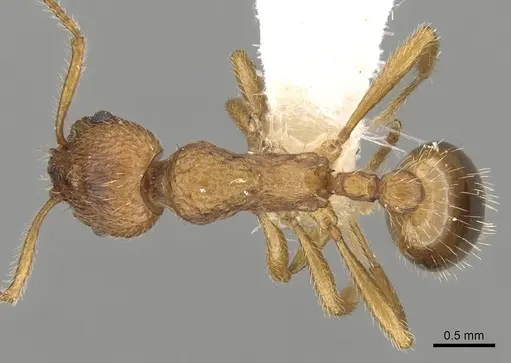
Literatuur
Verspreidingskaart laden...Producten laden...