
Myrmica collingwoodi
- Wetenschappelijke naam
- Myrmica collingwoodi
- Tribus
- Myrmicini
- Subfamilie
- Myrmicinae
- Auteur
- Radchenko & Elmes, 1998
- Verspreiding
- Gevonden in 0 landen
Introductie
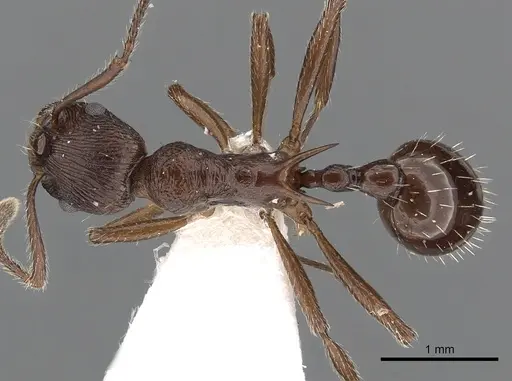
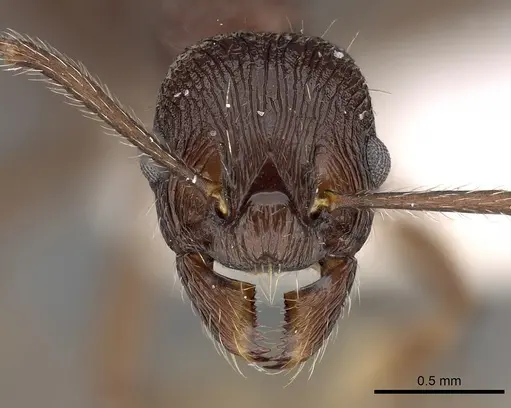
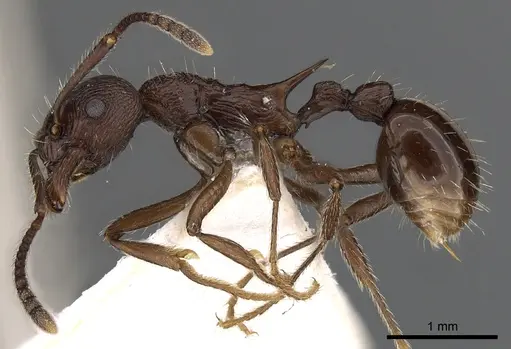
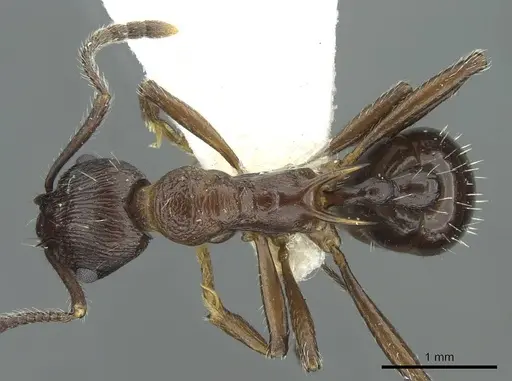
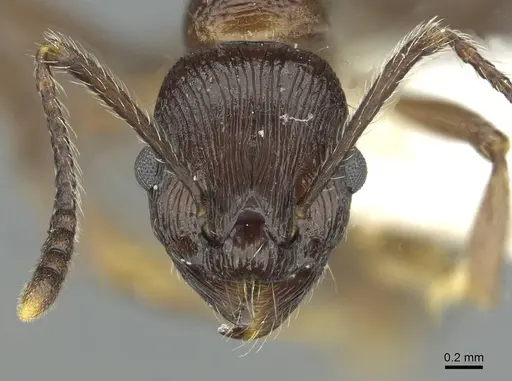
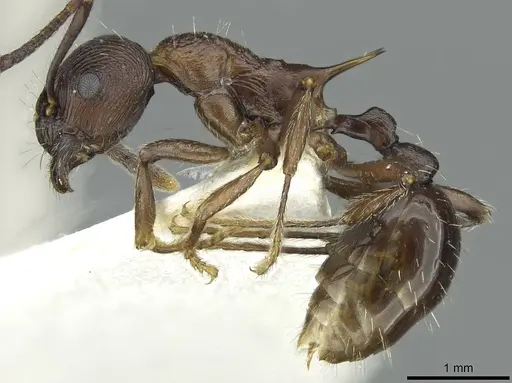
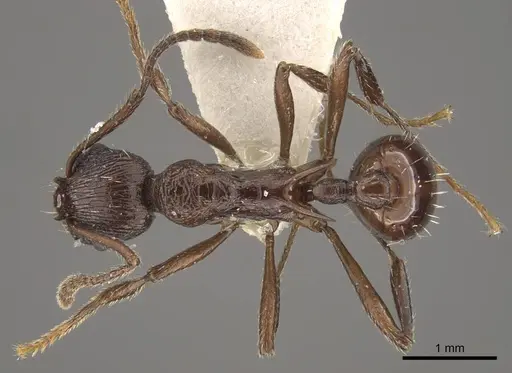
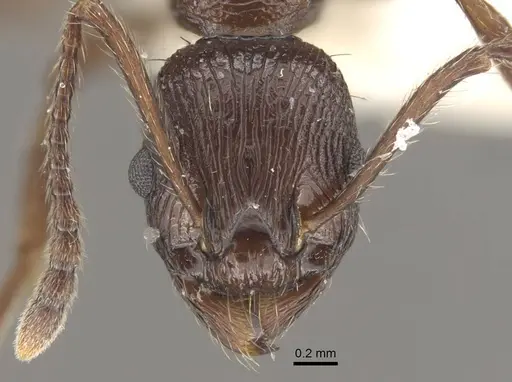
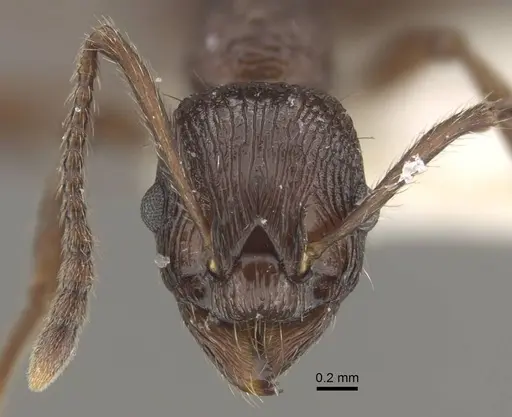
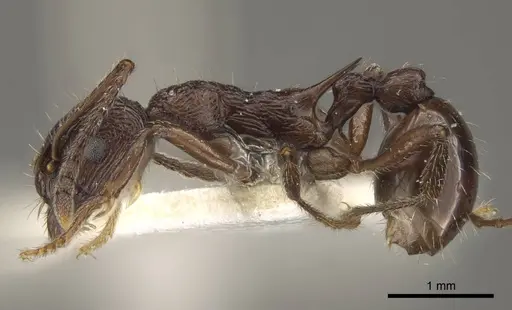
Myrmica collingwoodi is a small reddish-brown ant species belonging to the boltoni-complex within the genus Myrmica. It was described in 1998 and remains one of the least studied ant species in the world. Workers are characterized by their lighter coloration compared to related species, fine sculptural details on the head and alitrunk, and distinctive long propodeal spines that point backward and slightly upward. The species also has notable hairs on the temples and cheeks. This ant is a true Bhutan endemic, found only in the high Himalayan regions at elevations between 2450-3100 meters above sea level . The queen has been described, but males remain unknown .
Quick Summary
- Difficulty: Unknown, likely Expert due to limited data
- Origin & Habitat: High Himalayan regions of Bhutan, found at altitudes of 2450-3100m [1]. The type specimens were collected from Dorjula, Bhutan at 3100m elevation [3]. This is an extremely high-altitude species adapted to cool mountainous conditions.
- Colony Type: Unconfirmed, likely monogyne based on typical Myrmica patterns, but colony structure has not been documented
- Size & Growth:
- Queen: Size data unavailable, estimated ~5-6mm based on related Myrmica species in the boltoni-complex
- Worker: Size data unavailable, estimated ~4-5mm based on related Myrmica species
- Colony: Unknown, no colony size data available
- Growth: Unknown, likely slow to moderate given high-altitude origin
- Development: Unknown, likely 8-12 weeks based on typical Myrmica development at cool temperatures (No direct data exists. Related Myrmica species from cool climates typically take 2-3 months for complete development.)
- Antkeeping:
- Temperature: Cool conditions required, aim for 15-20°C based on high-altitude origin. This species is adapted to cold mountain environments and likely cannot tolerate typical room temperatures. A cooling setup or placement in a cool area would be essential.
- Humidity: Moderate humidity preferred, typical of mountain forest habitats. Keep nest substrate moist but not waterlogged.
- Diapause: Yes, strong hibernation required given high-altitude origin. Expect 4-5 months of cold dormancy at 5-10°C during winter.
- Nesting: Natural nesting under stones or in soil at high elevations. In captivity, a test tube setup or plaster nest with moderate moisture would be appropriate. Avoid overheating.
- Behavior: Virtually unknown in captivity. Based on typical Myrmica behavior, they are likely moderately aggressive when disturbed and possess a functional stinger. Workers probably forage for small insects and honeydew. Escape risk is moderate, standard test tube barriers should suffice but ensure tight-fitting lids.
- Common Issues: no captive husbandry data exists, this is an extremely rare species in the antkeeping hobby, high altitude requirements mean most keepers cannot provide suitable cool temperatures, hibernation failure likely kills colonies, this species needs prolonged cold dormancy, virtually no information on founding behavior or development, males have never been described, suggesting nuptial flight biology is unknown, risk of acquiring wild-caught colonies that may have been damaged during collection
Distribution and Habitat
Myrmica collingwoodi is known only from the high Himalayas in Bhutan and northern India. The species has been recorded at elevations between 2450-3100 meters above sea level, making it one of the highest-dwelling Myrmica species in the region [1]. The type locality is Dorjula in Bhutan, where specimens were collected at 3100m elevation [3]. This extreme altitude means the species is adapted to cool, potentially snowy conditions and would not survive in warm lowland environments. The preliminary checklist of ants from Bhutan confirms this species as a true Bhutan endemic, meaning it is found nowhere else in the world [2].
Identification and Taxonomy
This species belongs to the boltoni-complex within the genus Myrmica, a group of closely related species that can be difficult to distinguish [3]. Myrmica collingwoodi can be identified by several key features: its lighter coloration compared to related species, very fine punctures on the head dorsum, finer sculpture on the alitrunk, and distinctive outstanding hairs on the temples and cheeks. The propodeal spines are distinctly longer than those of the similar species Myrmica martensi, and unlike Myrmica boltoni, the spines are straight and directed backward and slightly upward [3]. The species was described by Radchenko and Elmes in 1998 from worker and queen specimens [4]. Males have never been described, which is unusual and suggests either the males are extremely rare or have not yet been discovered.
Keeping Requirements - Temperature
Temperature management would be the most critical aspect of keeping this species. As a high-altitude Himalayan species found at 2450-3100m elevation, Myrmica collingwoodi is adapted to cool conditions. Unlike most ant species kept in captivity that prefer room temperature, this species would likely thrive in temperatures between 15-20°C. Prolonged exposure to typical room temperatures would probably be harmful. Keepers in warm climates would need to provide cooling, perhaps through a thermoelectric cooler or by keeping the colony in a consistently cool room or basement. During summer months, this could be particularly challenging. The nest should be kept away from direct heat sources and ideally in a temperature-controlled environment. [1]
Keeping Requirements - Hibernation
Given its extreme high-altitude origin, this species almost certainly requires a pronounced hibernation period. In the wild, temperatures at 3000m+ in the Himalayas drop well below freezing during winter, and the ants would enter a state of dormancy. In captivity, you should provide 4-5 months of cold hibernation at temperatures around 5-10°C. This is much longer and colder than what most temperate ant species require. Failure to provide adequate hibernation would likely result in colony decline and death. The hibernation period should be gradual, reduce temperatures slowly in autumn and increase them slowly in spring. A refrigerator or cold cellar could provide suitable hibernation conditions. [1]
Feeding and Diet
No specific dietary information exists for this species, but like other Myrmica ants, they likely are omnivorous with a preference for protein. In the wild, high-altitude Myrmica species typically hunt small insects and arthropods, and tend aphids for honeydew. In captivity, you should offer a varied diet including small live insects such as fruit flies, small mealworms, or pinhead crickets, and sugar sources such as honey water or sugar water. Protein should be offered regularly, especially if a queen is present and producing brood. Given the likely slow metabolism due to cool-temperature adaptation, feeding frequency might be lower than for tropical species.
Nesting in Captivity
In the wild, this species likely nests under stones or in the soil in cold mountainous areas. For captivity, a test tube setup works well for founding colonies, while established colonies could be moved to a plaster nest. The key requirements are moderate humidity and excellent escape prevention. Because this is a small species, standard test tube barriers should prevent escapes, but ensure lids fit tightly. The nest should not be overheated, avoid placing it on heating mats or in direct sunlight. Provide a moisture gradient so ants can choose their preferred humidity level.
Frequently Asked Questions
Is Myrmica collingwoodi available in the antkeeping hobby?
No, this species is virtually unknown in captivity. It is extremely rare and has never been documented in the antkeeping hobby. Only a handful of scientific specimens have ever been collected.
How difficult is Myrmica collingwoodi to keep?
Difficulty is unknown but likely Expert level. This species has never been kept in captivity, and its high-altitude origin means most keepers cannot provide suitable conditions. The primary challenges would be maintaining cool temperatures year-round and providing proper hibernation.
What temperature does Myrmica collingwoodi need?
Keep them cool, around 15-20°C. This is much cooler than most ant species. Typical room temperatures would likely be too warm. A cooling setup would be essential for successful husbandry.
Does Myrmica collingwoodi need hibernation?
Yes, strong hibernation is required. Based on its high-altitude Himalayan origin, provide 4-5 months of cold dormancy at 5-10°C during winter. This is more extreme than most temperate ant species require.
How big do Myrmica collingwoodi colonies get?
Colony size is unknown. No data exists on maximum colony size for this species.
What do Myrmica collingwoodi eat?
Diet is unconfirmed but likely similar to other Myrmica species, small insects and arthropods for protein, plus honeydew or sugar water. Offer live prey and sugar sources regularly.
Can I keep multiple Myrmica collingwoodi queens together?
Colony structure is unconfirmed. Most Myrmica species are single-queen, but polygyny has been documented in some species. Without specific data on this species, combining unrelated queens is not recommended.
How long does development take?
Egg-to-worker timeline is unknown. Based on typical Myrmica development at cool temperatures, expect 8-12 weeks for complete development. The cool-temperature requirement would likely slow development compared to tropical species.
Does Myrmica collingwoodi sting?
Myrmica ants have a functional stinger, and workers can sting if provoked. However, their small size means the sting is unlikely to penetrate human skin significantly. The sting is primarily for defense against other ants and predators.
Where does Myrmica collingwoodi live in the wild?
It lives only in the high Himalayas of Bhutan and northern India, at elevations between 2450-3100 meters. This makes it one of the highest-dwelling ant species in the region.
Report an Issue
The current care sheet is based fully on literature. See inconsistencies, or something that's incorrect? Please , it will be resolved after review from an admin. Contributing to the blogs tab also helps providing information, to make us be able to further improve the caresheets. Thank you for your support!
References

Dit verzorgingsblad is gelicentieerd onder CC BY-SA 4.0 .
Community-blogs
Literatuur
Verspreidingskaart laden...Producten laden...