
Monomorium heggyi
- Wetenschappelijke naam
- Monomorium heggyi
- Tribus
- Solenopsidini
- Subfamilie
- Myrmicinae
- Auteur
- Sharaf, 2021
- Verspreiding
- Gevonden in 0 landen
Introductie
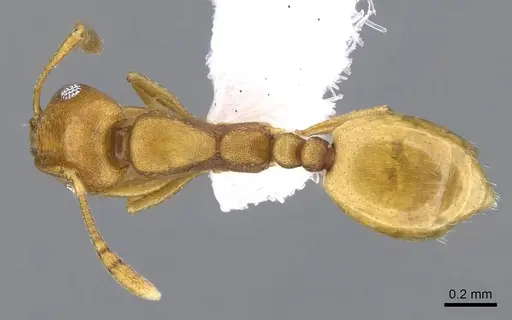
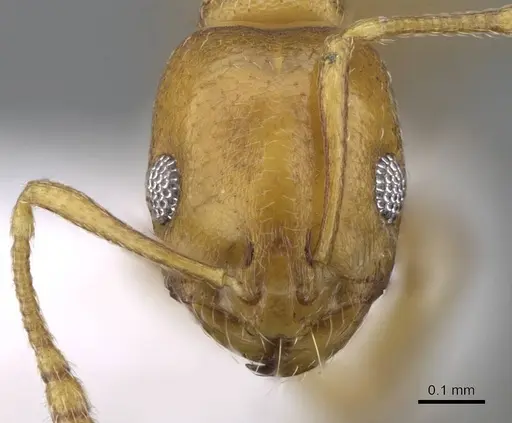
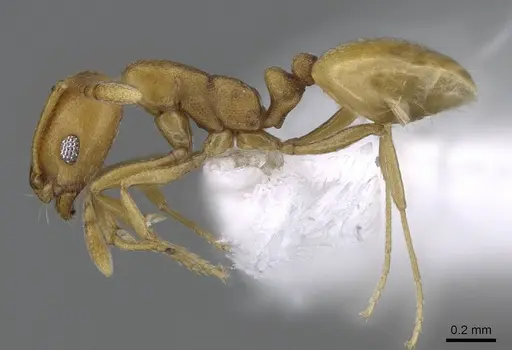
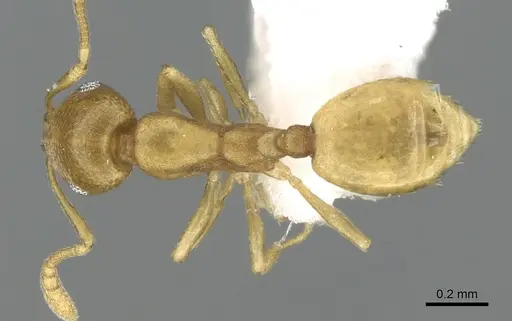
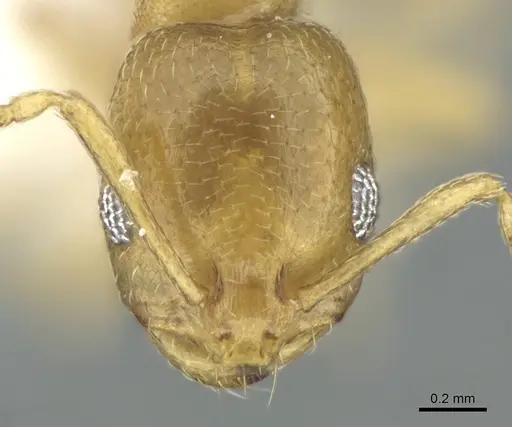
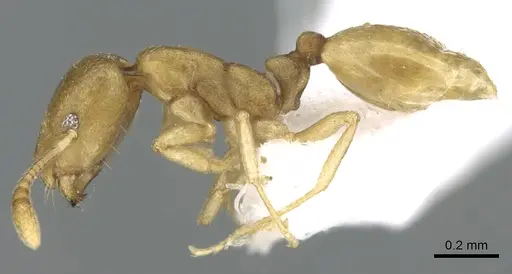
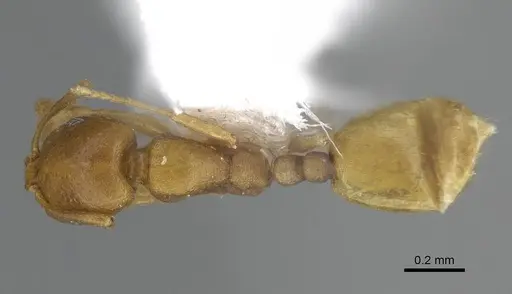
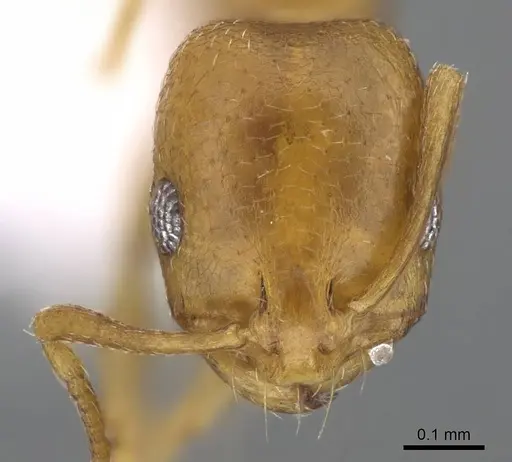
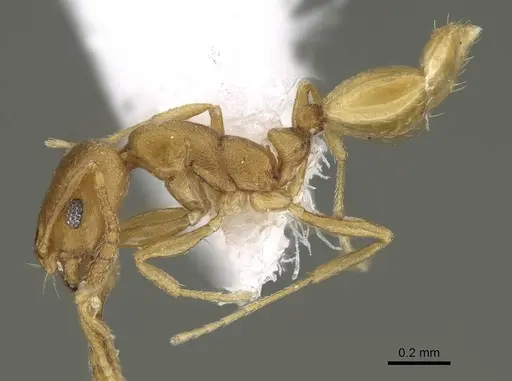
Monomorium heggyi is a tiny yellow ant species recently described from the Shada Al-A'Ala Nature Reserve in southwestern Saudi Arabia. Workers measure 1.5-2.55mm in total length, making them among the smaller ant species you'll encounter. They belong to the Monomorium salomonis species-group and are uniformly yellow in color with relatively long scapes that reach the posterior margin of the head when laid back . This species is endemic to Saudi Arabia, known only from the Al Bahah Province region . This is a newly described species (2021), so captive husbandry information is limited. Based on the genus Monomorium and the species' high-elevation mountain habitat, these ants likely prefer moderate temperatures and moderate humidity. They are probably generalist feeders similar to other Monomorium species, accepting both sugar sources and small protein prey.
Quick Summary
- Difficulty: Medium
- Origin & Habitat: Endemic to the Shada Al-A'Ala Nature Reserve in Saudi Arabia's Al Bahah Province. This is an isolated granite mountain massif at approximately 897m elevation (range 470-2,222m), characterized by relatively high rainfall, diverse habitats, and terraced agricultural fields. The region has Acacia and Juniper as dominant plant species [1][2].
- Colony Type: Likely single queen based on typical Monomorium genus patterns. Colony size is unknown but likely small based on the tiny worker size and related species.
- Size & Growth:
- Queen: Not yet described [1]
- Worker: 1.5-2.55mm [1]
- Colony: Unknown, likely small based on related species
- Growth: Moderate, estimated based on similar small Myrmicinae
- Development: Estimated 6-10 weeks at optimal temperature based on genus-level inference (Development time is estimated from related Monomorium species. Specific data for this species is not available.)
- Antkeeping:
- Temperature: Keep around 22-26°C based on the moderate mountain habitat. A slight gradient is recommended. Avoid extremes, they come from a region with moderate temperatures, not hot desert conditions.
- Humidity: Moderate humidity around 50-60%. The Shada Al-A'Ala region receives relatively high rainfall for Saudi Arabia, so they likely appreciate some moisture. Keep the nest substrate slightly moist but not waterlogged.
- Diapause: Unknown, no data on overwintering requirements. The high-elevation habitat suggests they may experience cooler winters, so a brief cool period (around 15-18°C for 2-3 months) may be beneficial.
- Nesting: No specific nesting data exists. Based on related species, they likely nest in soil or small cavities. A small test tube setup or Y-tong nest with appropriately scaled chambers would work well given their tiny size.
- Behavior: These are tiny, likely docile ants. Based on the genus, they are probably not aggressive. Their small size (1.5-2.55mm workers) means escape prevention is critical, they can squeeze through very small gaps. They are likely generalist feeders, accepting both sugar water/honey and small protein sources like fruit flies or pinhead crickets. This species has a sting but due to its tiny size, any sting would be minimal to humans.
- Common Issues: tiny size means escapes are likely without fine mesh barriers, newly described species means husbandry is not well-established, be prepared to experiment, limited availability as a species, may be difficult to acquire, slow colony growth typical of small ant species can test keeper patience, humidity control is important, too dry or too wet can stress colonies
Housing and Nest Setup
Given their tiny size (1.5-2.55mm workers), Monomorium heggyi requires carefully scaled housing. A standard test tube setup works well for founding colonies, use a small diameter tube to ensure the queen and workers stay close to the water reservoir. For established colonies, a Y-tong (AAC) nest with narrow chambers or a small formicarium with appropriately sized tunnels is recommended. The chambers should be tight enough that workers can easily walk along the walls, avoid large open spaces where tiny ants can get lost or separated from the colony. Escape prevention is critical: use fluon on rim edges and fine mesh (at least 0.5mm or smaller) on any ventilation holes. Even the tiniest gaps will allow these ants to escape. [1]
Feeding and Diet
Based on typical Monomorium behavior, these ants are likely generalist feeders. Offer sugar water (1:4 ratio with water) or honey diluted with water at all times as a carbohydrate source. For protein, small live prey is best, fruit flies (Drosophila), springtails, or tiny crickets are appropriate sized prey. You can also offer small pieces of mealworm or other insect protein. Feed protein every 2-3 days, removing any uneaten prey after 24 hours. Since this is a newly kept species, be prepared to experiment with acceptance, some Monomorium species readily take sugar while others prefer protein. Monitor what your colony consumes most readily and adjust accordingly.
Temperature and Seasonal Care
Based on the species' mountain habitat in the Shada Al-A'Ala Nature Reserve (897m elevation), these ants likely prefer moderate temperatures rather than heat. Aim for 22-26°C in the nest area, with a slight gradient if possible so workers can self-regulate. Room temperature in most homes (20-24°C) should work well. The relatively high rainfall in their native region suggests they appreciate some humidity, aim for around 50-60% relative humidity in the setup. Regarding diapause: no specific data exists, but the elevated habitat suggests they may experience cooler winters. Consider providing a brief cool period (15-18°C for 2-3 months during winter) as many temperate ants benefit from this. Monitor colony activity, if they remain active through winter, you may skip hibernation. [1]
Colony Establishment and Growth
Since this is a newly described species (2021), founding colonies may be challenging to acquire. If you obtain a founding queen, she is likely claustral (will seal herself in and raise the first workers on stored fat reserves). Provide a quiet, dark location and do not disturb the founding chamber for at least 4-6 weeks. Once the first nanitic workers emerge (typically smaller than normal workers), you can begin offering minimal food. Colony growth will likely be slow, small ant species often take months to reach even 20 workers. Be patient and avoid overfeeding, which can lead to mold issues in small setups. The key to success with rare species like this is consistency in care conditions. [1]
Frequently Asked Questions
How long does it take for Monomorium heggyi to produce first workers?
Based on genus-level inference from related species, expect 6-10 weeks from egg to first worker at optimal temperature (around 24°C). This is typical for small Myrmicinae ants. The exact timeline for this specific species has not been documented.
What do Monomorium heggyi ants eat?
Based on typical Monomorium diet, offer sugar water or diluted honey as a constant carbohydrate source, plus small protein prey like fruit flies, springtails, or tiny crickets every 2-3 days. Acceptance of specific foods may vary, experiment to see what your colony prefers.
What temperature do Monomorium heggyi ants need?
Keep them at moderate temperatures around 22-26°C. This matches their mountain habitat in Saudi Arabia which experiences moderate rather than extreme heat. A slight temperature gradient allows workers to choose their preferred zone.
How big do Monomorium heggyi colonies get?
Colony size is not documented. Based on related small Monomorium species, colonies likely remain relatively small. Small colony size is typical for tiny ant species.
Do Monomorium heggyi ants need hibernation?
Diapause requirements are unknown for this species. Based on their elevated mountain habitat, a brief cool period (15-18°C for 2-3 months) during winter may be beneficial. Monitor your colony's activity, if they remain active year-round, hibernation may not be necessary.
Why are my Monomorium heggyi ants escaping?
Their tiny size (1.5-2.55mm) makes escape prevention critical. Use fine mesh (0.5mm or smaller), apply fluon to rim edges, and ensure all connections between outworld and nest are sealed. Check for any gaps even smaller than a millimeter.
Is Monomorium heggyi a good species for beginners?
This is not an ideal beginner species due to its newly described status (2021) and limited availability. Husbandry information is still being developed. For beginners, more established species like Lasius niger or Messor barbarus are better choices. However, if you can acquire a colony and are patient, their care requirements are relatively straightforward.
Can I keep multiple Monomorium heggyi queens together?
Based on typical Monomorium behavior, this species is likely single-queen. Combining unrelated queens is not recommended and has not been documented for this species. If you obtain multiple foundresses, house them separately.
What humidity level do Monomorium heggyi ants need?
Aim for moderate humidity around 50-60%. Their native habitat in the Shada Al-A'Ala region receives relatively high rainfall for Saudi Arabia. Keep the nest substrate slightly moist but avoid waterlogging, which can drown small colonies.
Report an Issue
The current care sheet is based fully on literature. See inconsistencies, or something that's incorrect? Please , it will be resolved after review from an admin. Contributing to the blogs tab also helps providing information, to make us be able to further improve the caresheets. Thank you for your support!
References

Dit verzorgingsblad is gelicentieerd onder CC BY-SA 4.0 .
Community-blogs
Literatuur
Verspreidingskaart laden...Producten laden...