
Monomorium creticum
- Wetenschappelijke naam
- Monomorium creticum
- Tribus
- Solenopsidini
- Subfamilie
- Myrmicinae
- Auteur
- Emery, 1895
- Verspreiding
- Gevonden in 1 landen
Introductie
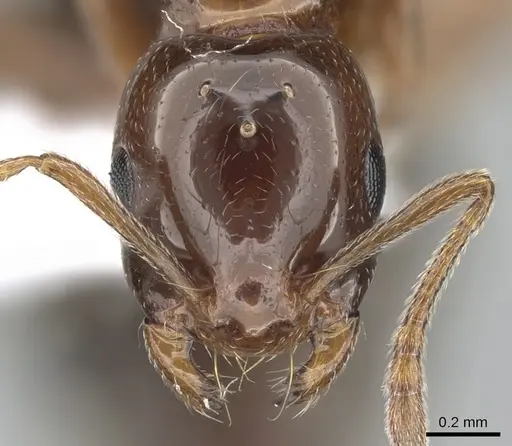
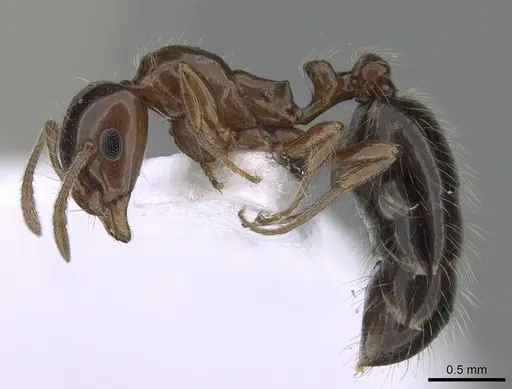
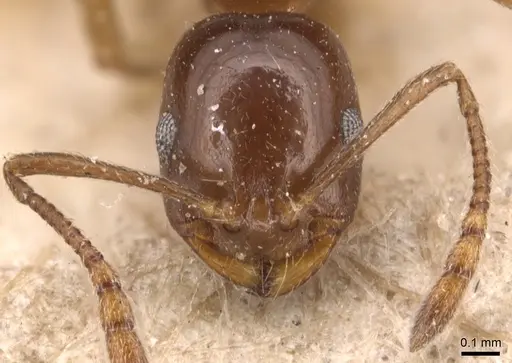
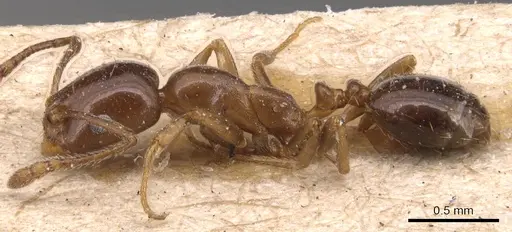
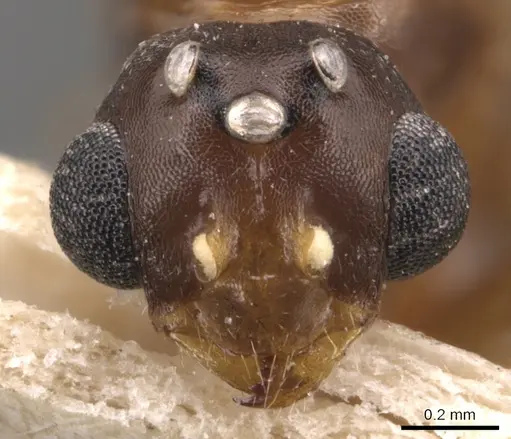
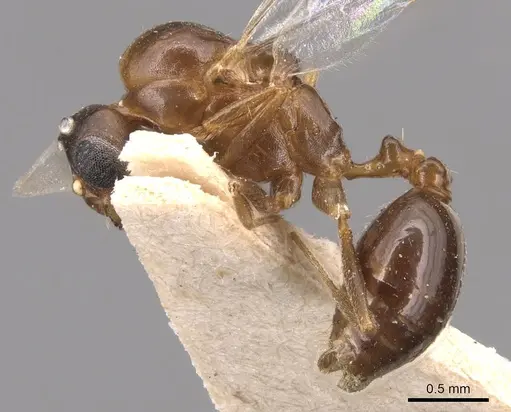
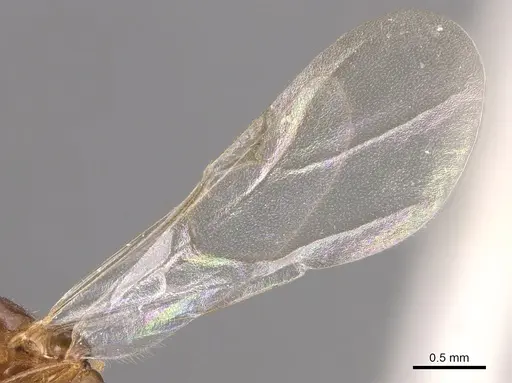
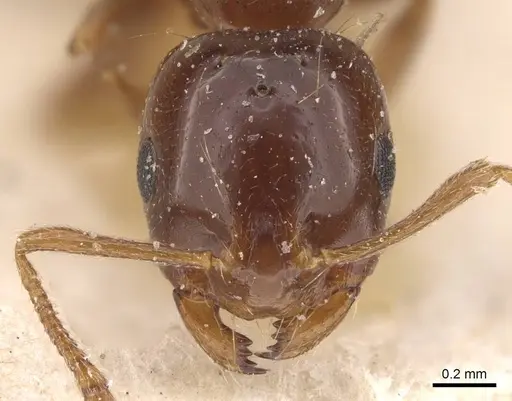
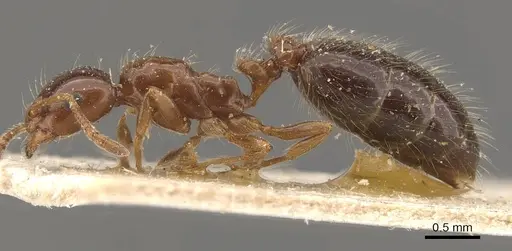
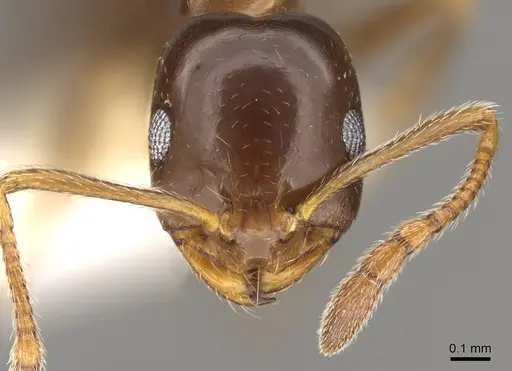
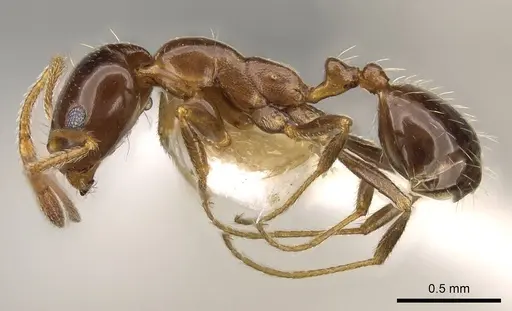
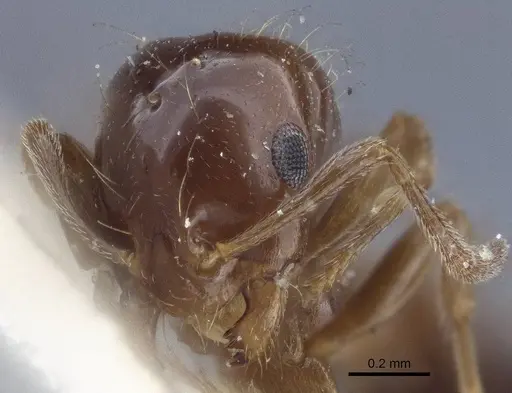
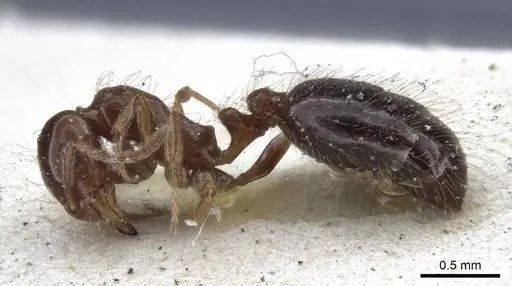
Monomorium creticum is a tiny, dark ant endemic to Crete and the Aegean Islands of Greece . Workers are small and dark brown to black, measuring around 2–3 mm (estimated from male size and genus patterns). Queens are ergatoid (wingless), meaning they lack wings and look similar to workers, this is unusual compared to most ants that have winged queens . Colonies are polygynous, with multiple queens living together peacefully . Their main defense is a sting (typical of the Myrmicinae subfamily and Solenopsidini tribe), but they are not aggressive to humans.
Quick Summary
- Difficulty: Medium
- Origin & Habitat: Endemic to Crete and the Aegean Islands of Greece [1][2]. It occurs in open, sunny habitats from sea level to over 1000 m, nesting in soil or rock rubble in both natural and human-modified areas [4].
- Colony Type: Polygynous (multiple queens per colony). Only ergatoid (wingless) queens are produced, no winged queens exist. These ergatoids serve as replacement reproductives, allowing the colony to survive if the primary queen dies [5][3][6].
- Size & Growth:
- Queen: Ergatoid queens are similar in size to workers, roughly 3–4 mm (exact body length not published, estimate based on male length of 3.5 mm [7] and genus patterns).
- Worker: About 2–3 mm (exact TL not recorded, inferred from male size [7] and related Monomorium species).
- Colony: Likely up to several hundred workers (estimate based on polygynous Monomorium species, not confirmed for this species).
- Growth: Moderate
- Development: Unpublished, likely 6–8 weeks based on related Monomorium species at optimal temperatures (not confirmed). (Development time is not directly documented for this species.)
- Antkeeping:
- Temperature: Keep warm (around 22–28 °C) with a heating cable on one side of the nest to create a gradient. Avoid overheating above 30 °C [4].
- Humidity: Provide a moderate moisture gradient. As a species from sunny, dry Mediterranean habitats, the nest should be mostly dry with one small damp area. Avoid waterlogging [4].
- Diapause: Likely needed. Based on its Mediterranean origin, reduce temperature to 10–15 °C for 2–3 months during winter to mimic natural seasonal cooling.
- Nesting: Y‑tong (AAC) or plaster nests with small chambers work well. Because of their tiny size, all connections must be escape‑proof, use fine mesh (≤0.5 mm) and tight seals. A naturalistic setup with soil and small rocks mimics their natural rock‑rubble nesting sites [4].
- Behavior: Peaceful and non‑aggressive. Workers forage actively for small prey and honeydew. They possess a sting but do not bother humans. Due to their tiny size, escape prevention is critical, any gap larger than about 0.5 mm is an escape route. Multiple queens coexist without fighting [4].
- Common Issues: escape prevention is the top challenge, their tiny size lets them slip through gaps that larger ants can't., polygynous colonies can be tricky to start if you only have a single ergatoid queen, budding (colony splitting) is the natural way to form new colonies., overheating above 30 °C can be fatal, monitor temperatures closely., since ergatoid queens don't fly, you won't see nuptial flights, colony expansion happens via budding or when ergatoids disperse.
The Ergatoid Queen System
Monomorium creticum is unusual because it produces only ergatoid (wingless) queens instead of winged queens [3]. These ergatoids look like large workers and can take over reproduction if the primary queen dies. This was discovered when researchers realized that a separate species description (Monomorium biroi) was actually just an ergatoid queen of M. creticum [5]. For antkeepers, this means you won't see nuptial flights, new colonies form when ergatoids walk away or through colony budding. Polygynous colonies are stable, and multiple queens cooperate [4].
Housing and Nest Setup
Because these ants are so small (workers ~2–3 mm), their nest needs small chambers. Y‑tong (AAC) or plaster nests with narrow tunnels work well. The outworld should be small and escape‑proof: use tight‑fitting lids, fine mesh (≤0.5 mm) on any ventilation, and apply Fluon or a similar barrier to the rim. A naturalistic setup with a thin soil layer and small rocks can mimic their natural rock‑rubble nesting sites in sunny, dry areas [4].
Feeding and Diet
Monomorium creticum is omnivorous. Offer sugar water or honey water as a constant carbohydrate source, and provide protein 2–3 times per week, small insects like fruit flies, pinhead crickets, or crushed mealworms work well. In the wild, they also collect honeydew from aphids [4]. Remove leftover protein after a day to prevent mold.
Seasonal Care and Winter Rest
As a Mediterranean species, M. creticum experiences cooler winters in Crete. A winter rest period (diapause) of 2–3 months at 10–15 °C is recommended. During this time, the colony becomes less active, reduce feeding to once every two weeks. In summer, maintain 22–28 °C, but avoid prolonged temperatures above 30 °C [4].
Colony Establishment
Colonies are best started from an established fragment with several ergatoid queens. Since queens are wingless, you cannot catch them from a nuptial flight. Multiple queens can be introduced together, they don't fight [4]. The colony grows at a moderate pace and may eventually bud into daughter colonies. Ensure the setup has enough space to accommodate polygynous growth.
Frequently Asked Questions
How long does it take for Monomorium creticum to produce first workers?
The exact timeline is not documented, but based on related Monomorium species, you can expect 6–8 weeks from egg to worker at around 25 °C. Growth rate is moderate.
Can I keep multiple queens together in one colony?
Yes, Monomorium creticum is naturally polygynous, so multiple queens live together peacefully. If you introduce new queens, do it gradually in a neutral area to avoid any initial aggression [4][6].
What temperature do Monomorium creticum need?
Keep them warm at 22–28 °C. Use a heating cable on one side of the nest to create a temperature gradient. Avoid temperatures above 30 °C for extended periods [4].
Are Monomorium creticum good for beginners?
They are rated Medium difficulty. The main challenges are escape prevention (they are very small) and understanding the ergatoid queen system. They are not hard to care for once the setup is secure.
Do Monomorium creticum need hibernation?
Yes, they benefit from a winter rest. Reduce temperature to 10–15 °C for 2–3 months in winter. This mimics their natural Mediterranean cycle and helps maintain colony health.
How big do Monomorium creticum colonies get?
Based on related polygynous Monomorium species, colonies likely reach several hundred workers. Exact size is unpublished. Expect moderate growth over 1–2 years.
Why are my Monomorium creticum escaping?
Their tiny size lets them squeeze through gaps as small as 0.5 mm. Check all connections, use fine mesh, and apply Fluon to outworld walls. Even tiny cracks will be found.
What's unusual about Monomorium creticum queens?
They are ergatoid (wingless). No winged queens are produced, so there are no nuptial flights. Ergatoid queens serve as replacement reproductives within the colony, and new colonies form by budding [5][3].
Report an Issue
The current care sheet is based fully on literature. See inconsistencies, or something that's incorrect? Please , it will be resolved after review from an admin. Contributing to the blogs tab also helps providing information, to make us be able to further improve the caresheets. Thank you for your support!
References

Dit verzorgingsblad is gelicentieerd onder CC BY-SA 4.0 .
Community-blogs
CASENT0281548
Bekijk op AntWeb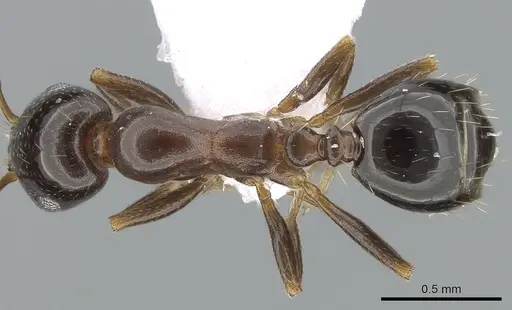
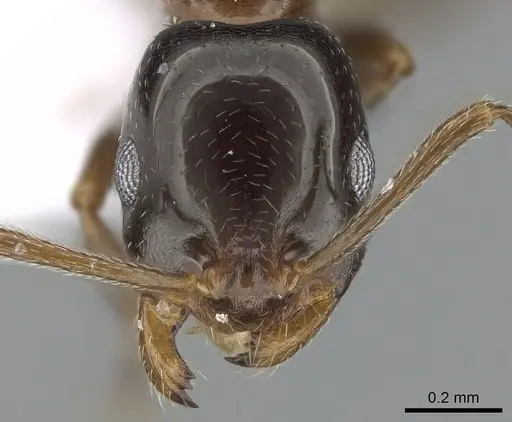
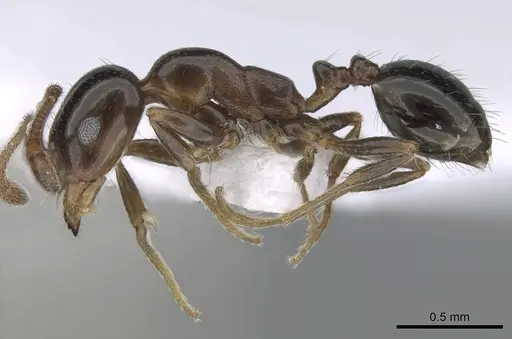
CASENT0281549
Bekijk op AntWeb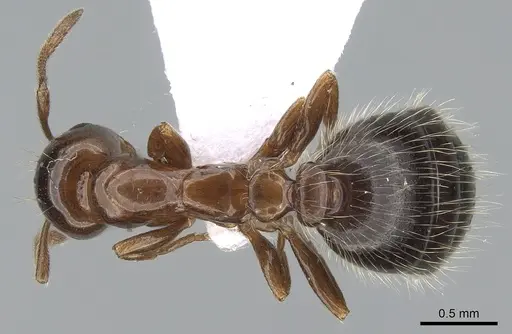
CASENT0904603
Bekijk op AntWeb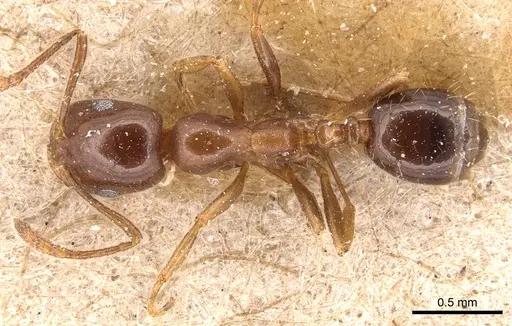
CASENT0904612
Bekijk op AntWeb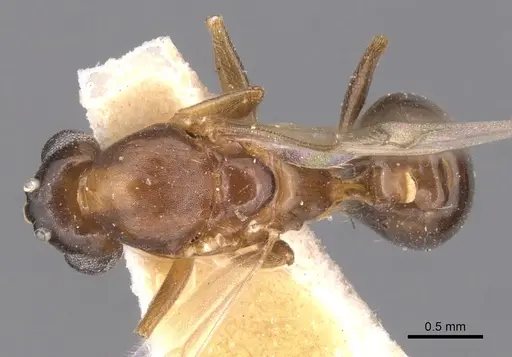
CASENT0908775
Bekijk op AntWeb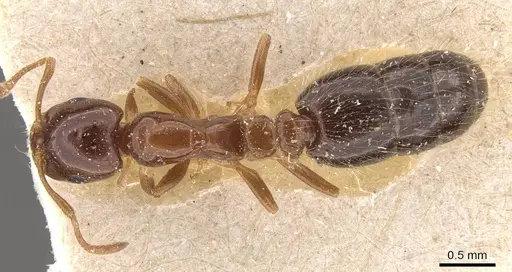
CASENT0908776
Bekijk op AntWeb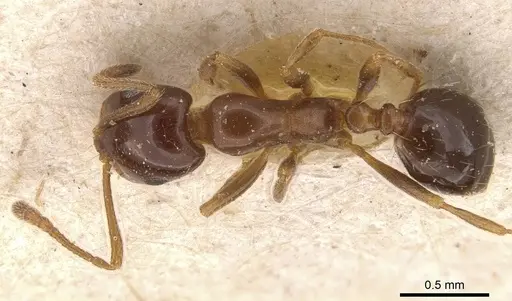
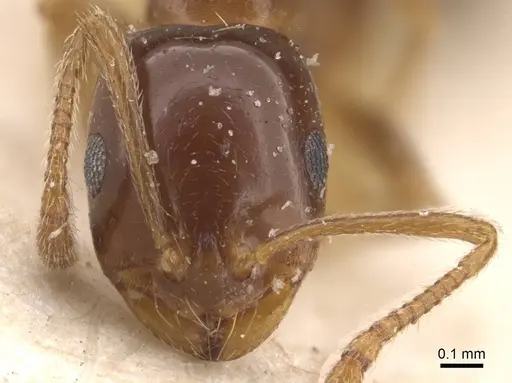
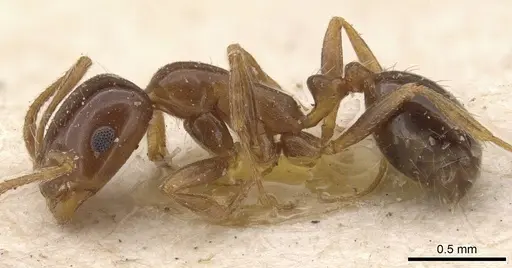
CASENT0914316
Bekijk op AntWeb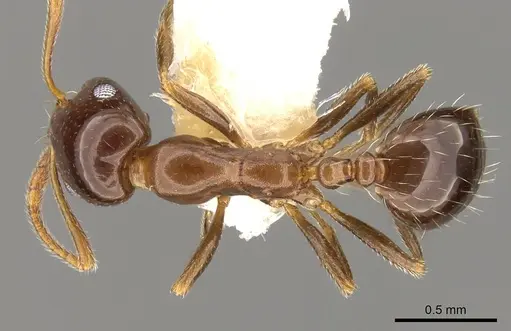
CASENT0916612
Bekijk op AntWeb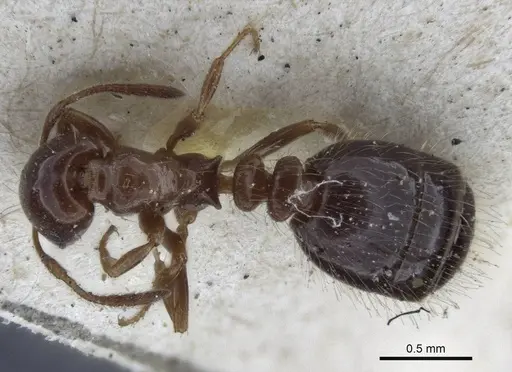
Literatuur
Verspreidingskaart laden...Producten laden...