
Messor testaceus
- Wetenschappelijke naam
- Messor testaceus
- Tribus
- Stenammini
- Subfamilie
- Myrmicinae
- Auteur
- Donisthorpe, 1950
- Verspreiding
- Gevonden in 0 landen
Introductie
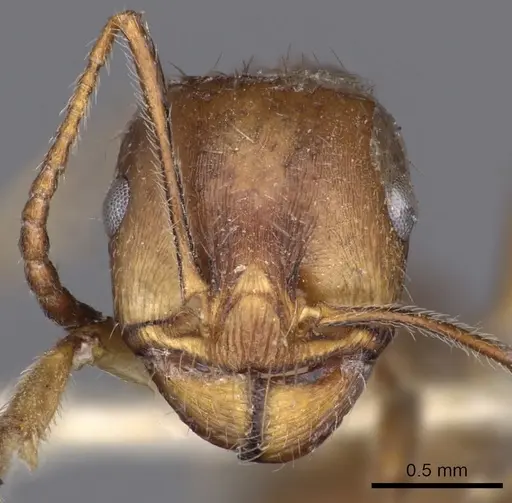
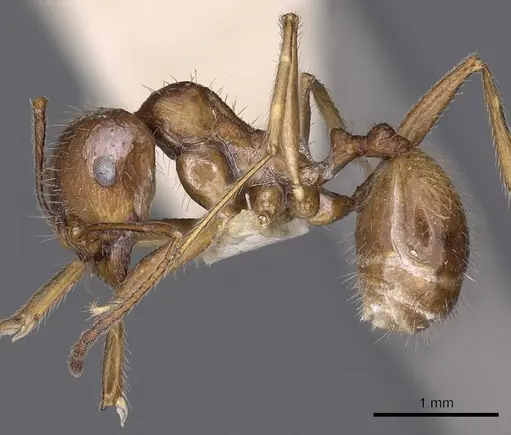
Messor testaceus is a harvester ant species native to the eastern Mediterranean region, specifically Turkey, Iran, and Syria. Workers display distinct size polymorphism with major and minor castes - majors have large, powerful heads adapted for seed processing. The species is reddish-brown to dark in coloration and builds granary nests where they store collected seeds. In Iran, they have been found in moist littoral (coastal) areas, suggesting they prefer areas with access to water but not saturated conditions . What makes M. testaceus interesting is its granivorous diet - unlike most ant species that primarily eat protein or sugar, these ants harvest and process seeds as their main food source. This behavior makes them fascinating to watch as workers crack open seeds to access the nutritious contents inside. Their colony structure features major workers that serve as seed processors, making them visually distinct among harvester ant species .
Quick Summary
- Difficulty: Easy
- Origin & Habitat: Native to Turkey, Iran, and Syria in the Palaearctic region. In Iran, they have been found in moist littoral (coastal) areas, suggesting they prefer areas with access to water but not saturated conditions [1][2][3].
- Colony Type: Colony type is unconfirmed. The genus Messor typically forms single-queen colonies, but specific data for M. testaceus is unavailable.
- Size & Growth:
- Queen: Size data unavailable, inferred from Messor genus (~10-15mm)
- Worker: Size data unavailable, inferred from Messor genus (minor workers ~4-6mm, major workers ~8-12mm)
- Colony: Up to several thousand workers at maturity, typical for Messor genus
- Growth: Moderate
- Development: 8-12 weeks at optimal temperature, inferred from Messor genus patterns (Development time varies with temperature. First workers (nanitics) are smaller than normal workers.)
- Antkeeping:
- Temperature: Keep at 20-26°C. Mediterranean origin means they tolerate room temperature well. A slight gradient is beneficial, warmer side around 24-26°C, cooler around 20-22°C [4].
- Humidity: Moderate humidity (40-60%). These ants prefer drier conditions than tropical species but need a water source. Provide a damp test tube for drinking while keeping the main nest area relatively dry [4].
- Diapause: Yes, a winter rest period of 8-12 weeks at 10-15°C is recommended to simulate natural seasonal cycles. Reduce feeding during this period [4].
- Nesting: Y-tong (AAC), plaster, or naturalistic setups work well. Provide a dry to moderately humid nest chamber with seed storage areas. Avoid overly damp conditions that can cause mold [4].
- Behavior: Generally peaceful and non-aggressive toward keepers. Workers are active foragers that readily collect seeds. Major workers will crack seeds open using their powerful mandibles. They are not known for stinging and pose no danger to humans. Escape risk is moderate, standard barrier methods like fluon on test tube rims are sufficient. Workers are daytime active and can be entertaining to watch as they process and store seeds [4].
- Common Issues: mold in nest due to overwatering, keep nest substrate dry, colonies may fail if not given a proper winter diapause, seed storage can attract pests if not managed, remove uneaten seeds periodically, slow initial growth can lead to overfeeding, offer appropriate portions, major workers can appear alarming to beginners but are harmless
Nest Preferences and Setup
Messor testaceus does well in Y-tong (AAC), plaster, or naturalistic soil nests. The key is providing dry to moderately humid conditions, these are Mediterranean ants, not tropical rainforest species. A nest chamber size of roughly 100x100mm works for a starting colony, with expansion room as the colony grows. Provide a separate outworld area for foraging and seed collection. The nest should have smooth walls to prevent escapes and allow easy observation. Add a water test tube with a cotton plug as a drinking source, this keeps humidity in the foraging area without making the nest chamber too damp [4].
Feeding and Diet
As granivorous ants, Messor testaceus primarily eats seeds. Offer a variety of grass seeds, bird seed, or specialized ant seed mixes. Major workers will crack seeds open to access the nutritious endosperm inside. Remove uneaten seeds periodically to prevent mold. Supplement with protein sources like small insects (fruit flies, small crickets, mealworms) once or twice weekly. Sugar water or honey can be offered occasionally but is not a primary food source for this species. Fresh water should always be available [4].
Temperature and Seasonal Care
Keep your colony at 20-26°C with a slight thermal gradient. Room temperature (around 22°C) is typically ideal for this species. During winter, provide an 8-12 week diapause period at 10-15°C, this mimics their natural Mediterranean seasonal cycle and promotes healthy colony development. Reduce feeding during diapause but maintain water availability. After winter, gradually warm the colony back to normal temperatures and resume regular feeding. This seasonal cycle helps trigger reproductive behavior and keeps the colony healthy long-term [4].
Behavior and Colony Dynamics
Messor testaceus colonies develop distinct castes, minor workers handle general tasks while major workers specialize in seed processing and colony defense. This division of labor is interesting to observe. Colonies grow moderately, expect 6-12 months to first workers from founding, and 2-3 years to reach several hundred workers. Workers are diurnal and actively forage during daylight hours. The species is not aggressive and rarely stings. Major workers may display their mandibles as a threat display but rarely bite. Escape prevention is straightforward, standard fluon barriers on test tube rims and formicarium edges work well [4].
Frequently Asked Questions
Can I keep Messor testaceus in a test tube?
Yes, test tubes work well for founding colonies. Use a standard test tube setup with a water reservoir and cotton plug. Keep the test tube in a dark, quiet location during founding. Once the colony reaches 20-30 workers, consider moving to a small formicarium. The key is keeping the test tube dry, Messor prefers drier conditions than many ant species.
How long until first workers with Messor testaceus?
Expect 8-12 weeks from egg to first worker at optimal temperature (around 24°C). The queen will seal herself in and not leave the founding chamber. Be patient, founding takes time as the queen raises her first brood entirely on her own. First workers (nanitics) will be smaller than normal workers.
What do Messor testaceus eat?
Their primary food is seeds, grass seeds, bird seed, or commercial ant seed mixes work well. They also accept small insects like fruit flies, pinhead crickets, or mealworms for protein. Occasional honey or sugar water is accepted but not required. Always provide fresh water.
Do Messor testaceus ants sting?
They can sting but rarely do. This species is not considered dangerous to humans. Major workers may display their mandibles as a defensive threat, but actual bites or stings are uncommon. They are safe to handle gently and pose no significant danger.
Are Messor testaceus good for beginners?
Yes, this is an excellent species for beginners. They are forgiving of minor care mistakes, do not require high humidity, and are interesting to watch due to their seed-harvesting behavior. Their moderate size and calm temperament make them a great choice for new antkeepers.
Do Messor testaceus need hibernation?
Yes, they benefit from an 8-12 week winter rest period at 10-15°C. This diapause mimics their natural Mediterranean seasonal cycle. Reduce feeding during this time but keep water available. Proper hibernation helps maintain colony health and can trigger reproductive behavior.
When should I move Messor testaceus to a formicarium?
Move from test tube to formicarium when the colony reaches 20-30 workers. Choose a small nest (Y-tong or plaster) with chambers sized appropriately. Ensure the formicarium has a dry nest area and a separate foraging area. They do well in relatively dry conditions, so avoid setups that retain moisture.
How big do Messor testaceus colonies get?
Mature colonies can reach several thousand workers over 2-3 years. Growth is moderate, not as fast as some tropical species but steady. The presence of major workers (soldiers) becomes more pronounced as the colony grows.
Can I keep multiple Messor testaceus queens together?
This is not recommended. The colony type for this species is unconfirmed, but most Messor species are single-queen colonies. Multiple queens will likely fight. Only attempt pleometrosis (founding with multiple queens) if you want to experiment, but this often leads to queen mortality.
Why is my Messor testaceus colony dying?
Common causes include: overwatering leading to mold, improper temperatures (too cold or too hot), lack of proper winter diapause, or poor nutrition. Check that the nest is dry, temperatures are in range (20-26°C), and the colony had a winter rest period. Ensure they are getting seeds and occasional protein.
Report an Issue
The current care sheet is based fully on literature. See inconsistencies, or something that's incorrect? Please , it will be resolved after review from an admin. Contributing to the blogs tab also helps providing information, to make us be able to further improve the caresheets. Thank you for your support!
References

Dit verzorgingsblad is gelicentieerd onder CC BY-SA 4.0 .
Community-blogs
CASENT0900467
Bekijk op AntWeb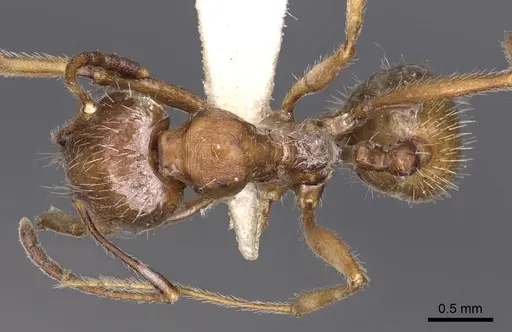
Literatuur
Verspreidingskaart laden...Producten laden...