
Meranoplus linae
- Wetenschappelijke naam
- Meranoplus linae
- Tribus
- Crematogastrini
- Subfamilie
- Myrmicinae
- Auteur
- Santschi, 1928
- Verspreiding
- Gevonden in 0 landen
Introductie
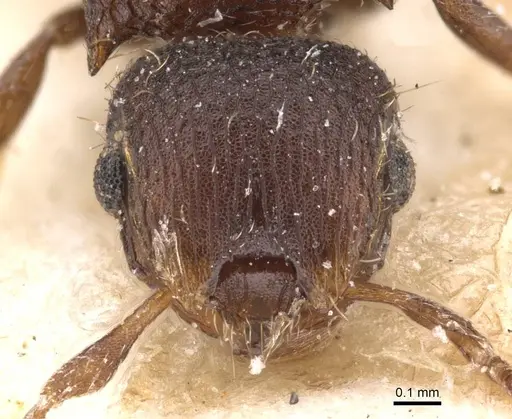
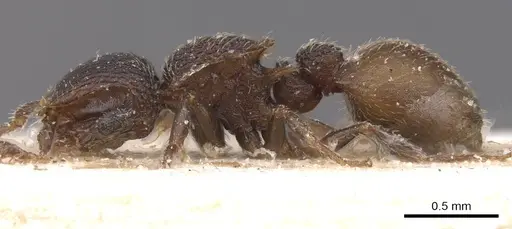
Meranoplus linae is a small myrmicine ant species endemic to Queensland, Australia. Workers are compact ants with a distinctive appearance featuring a broad, flattened head and powerful mandibles. The species was originally described in 1928 as a subspecies of Meranoplus aureolus and was elevated to full species status in 1990. It belongs to the excavatus group within the genus, specifically the aureolus complex. These ants are found only in the Townsville region of northern Queensland, representing a limited geographic distribution within Australia's diverse ant fauna .
Quick Summary
- Difficulty: Unknown, no documented care information exists for this species
- Origin & Habitat: Endemic to Queensland, Australia, specifically the Townsville area. The region features a tropical savanna climate with distinct wet and dry seasons [2].
- Colony Type: Colony structure is unconfirmed. No data exists on whether they are single-queen or multi-queen colonies.
- Size & Growth:
- Queen: Size data unavailable, no measurements documented [1]
- Worker: Size data unavailable, only type specimens described, no measurements provided [1]
- Colony: Unknown, no colony size data available
- Growth: Unknown, no development data exists
- Development: Unknown, no development studies for this species (No data exists to estimate development timeline.)
- Antkeeping:
- Temperature: Estimated 22-28°C based on Queensland tropical distribution. Provide a warm area in the nest and allow the colony to choose its preferred temperature zone.
- Humidity: Likely prefers moderate to dry conditions typical of Queensland savanna. Allow substrate to dry between waterings. Provide a small water dish.
- Diapause: Unknown, no seasonal data available. Queensland species may reduce activity during the dry season but true hibernation is unlikely.
- Nesting: Natural nesting is unconfirmed. Most Meranoplus species nest in soil or under stones. A test tube setup or small formicarium with sandy substrate would be appropriate. Ensure escape prevention as workers may be small.
- Behavior: Behavior is undocumented. Based on genus typical patterns, they are likely ground-nesting and may be seed-harvesters. Escape prevention should be considered given unknown worker size. No data on aggression levels or foraging patterns exists. Defense mechanism: Members of the Myrmicinae subfamily typically have a modified stinger used to smear venom onto enemies rather than piercing flesh.
- Common Issues: no documented care information exists for this species, all advice is estimated, keeping conditions are speculative based on geographic origin rather than research, colonies may fail due to unknown specific requirements, no information on acceptable food sources or feeding schedules, hibernation or seasonal requirements are completely unknown
Species Identification and Taxonomy
Meranoplus linae was originally described by Santschi in 1928 as a subspecies of Meranoplus aureolus. The species was formally elevated to full species status by R.W. Taylor in 1990. The type specimens were collected in Townsville, Queensland in November 1902 by F.P. Dodd. The species is currently classified within the excavatus group of the genus Meranoplus, specifically placed in the aureolus complex, though this assignment was noted as provisional as the type specimen was not directly examined by the reviser [1]. The genus Meranoplus belongs to the subfamily Myrmicinae and tribe Crematogastrini.
Distribution and Natural Habitat
Meranoplus linae is known only from the Townsville region in northern Queensland, Australia. This represents an extremely limited distribution. Townsville features a tropical savanna climate with hot temperatures year-round and a distinct wet season from November to April. The ant fauna of Queensland is diverse, with many Meranoplus species being associated with open woodland and savanna habitats. The specific microhabitat preferences of M. linae remain undocumented, no information exists on whether they prefer shaded or open areas, specific soil types, or nesting under particular substrates. [2]
Estimated Care Requirements
Since no documented care information exists for Meranoplus linae, all recommendations are estimates based on the species' geographic origin and genus-level patterns. Queensland's tropical climate suggests temperatures in the 22-28°C range would be appropriate. Humidity should likely be moderate, allow substrate to dry partially between waterings. A test tube setup works well for founding colonies. For established colonies, a small formicarium with sandy or loamy substrate would mimic natural soil-nesting conditions. Feed a varied diet including small insects and seeds, as many Meranoplus species are seed-harvesters. Always use escape prevention as worker size is unknown and small ants can slip through tiny gaps.
Challenges with This Species
Meranoplus linae represents a significant challenge for antkeepers because virtually no biological or ecological data exists. Unlike well-studied species with documented temperature ranges, humidity preferences, development times, and colony sizes, this species has never been the subject of scientific study beyond its original description. Keepers adopting this species should be prepared for experimental care and should document their observations carefully. Success with this species would contribute valuable knowledge to the antkeeping community. Consider starting with a small colony and adjusting conditions based on colony behavior and health.
Frequently Asked Questions
How do I care for Meranoplus linae ants?
No documented care information exists for this species. Estimates based on Queensland origin suggest temperatures around 22-28°C, moderate humidity, and soil-based nesting. Start with a test tube setup and transition to a small formicarium as the colony grows. Monitor colony health and adjust conditions as needed.
What do Meranoplus linae eat?
Diet is unconfirmed for this species. Based on genus patterns, they likely accept small insects and seeds. Offer a varied diet including fruit flies, small mealworms, and seeds. Sugar water may be accepted but this is speculative.
How big do Meranoplus linae colonies get?
Colony size is unknown, no data exists on maximum colony size for this species.
Do Meranoplus linae ants sting?
Stinging behavior is undocumented for this specific species. Most Myrmicinae ants have stingers, though many are too small to penetrate human skin. Handle with care regardless.
What temperature should I keep Meranoplus linae at?
Estimated 22-28°C based on their Queensland tropical distribution. Provide a temperature gradient so the colony can choose its preferred zone.
How long does it take for Meranoplus linae to develop from egg to worker?
This is completely unknown, no development studies exist for this species.
Are Meranoplus linae good for beginners?
No, this species cannot be recommended for beginners due to complete lack of documented care information. All care advice is speculative. Experienced antkeepers interested in contributing to species knowledge may consider this species.
Do Meranoplus linae need hibernation?
Hibernation requirements are unknown. Queensland species may not require true hibernation but may reduce activity during the dry season.
Can I keep multiple Meranoplus linae queens together?
Colony structure is unconfirmed. No data exists on whether they are single-queen or multi-queen colonies. Combining unrelated queens is not recommended without evidence they can coexist.
Where is Meranoplus linae found in the wild?
This species is only known from Townsville in northern Queensland, Australia, an extremely limited distribution [1][2].
Report an Issue
The current care sheet is based fully on literature. See inconsistencies, or something that's incorrect? Please , it will be resolved after review from an admin. Contributing to the blogs tab also helps providing information, to make us be able to further improve the caresheets. Thank you for your support!
References

Dit verzorgingsblad is gelicentieerd onder CC BY-SA 4.0 .
Community-blogs
CASENT0913021
Bekijk op AntWeb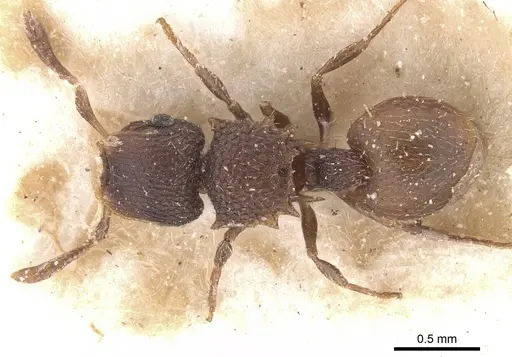
Literatuur
Verspreidingskaart laden...Producten laden...