
Leptogenys sunzii
- Wetenschappelijke naam
- Leptogenys sunzii
- Tribus
- Ponerini
- Subfamilie
- Ponerinae
- Auteur
- Xu & He, 2015
- Verspreiding
- Gevonden in 0 landen
Introductie
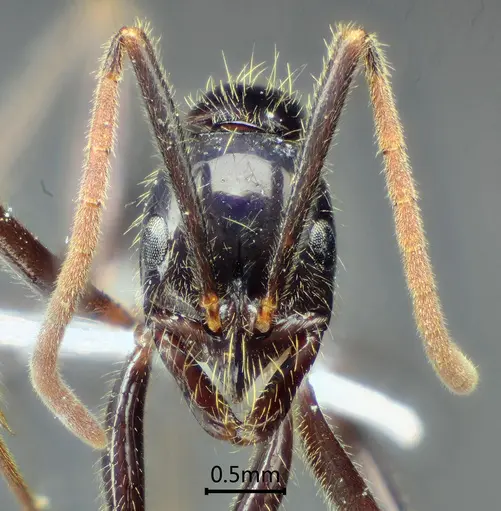
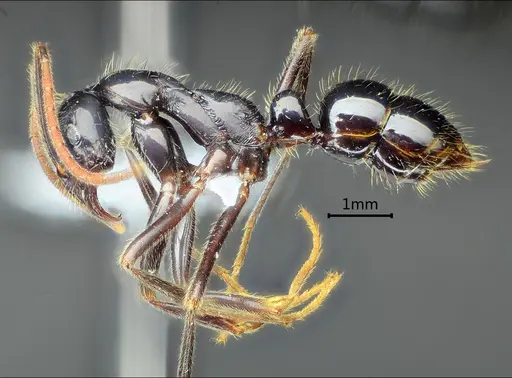
Leptogenys sunzii is a medium-sized predatory ant species from the Ponerinae subfamily, native to Yunnan Province in southern China. Workers measure 7.3-8.7mm total length and have a distinctive appearance: their body is black with a bluish metallic reflection, while the mandibles, antennae, and legs are reddish brown . The head is trapezoidal in shape, and the petiolar node (the segment behind the waist) is relatively tall at about 1.4 times higher than long . These ants were discovered in two different forest types at elevations of 1600-1950m: they forage on the ground in mixed conifer-broadleaf forest and nest in soil in monsoon evergreen broadleaf forest . As a member of the chinensis species group, L. sunzii is closely related to other Leptogenys species known for their predatory hunting behavior, typically targeting isopods and other small arthropods .
Quick Summary
- Difficulty: Medium
- Origin & Habitat: Yunnan Province, China, high elevation (1600-1950m) forests. Found in mixed conifer-broadleaf forest and monsoon evergreen broadleaf forest [1].
- Colony Type: Colony structure is unconfirmed for this species. Based on typical Leptogenys patterns, likely single-queen colonies with claustral founding.
- Size & Growth:
- Queen: Undocumented, no queen measurements available [1].
- Worker: 7.3-8.7mm total length [1].
- Colony: Unknown, no colony size data available for this species.
- Growth: Unknown, growth rate has not been studied.
- Development: Unconfirmed, no direct development data exists. Based on typical Ponerinae patterns, estimate 6-10 weeks at optimal temperature. (Development timeline is unconfirmed for this species. Ponerine ants typically develop slower than myrmicine species.)
- Antkeeping:
- Temperature: Keep around 20-24°C. This species comes from moderate-to-cool highland forests in Yunnan, so avoid overheating. Room temperature is likely suitable.
- Humidity: Moderate to high, they inhabit monsoon evergreen broadleaf forest, indicating preference for damp conditions. Keep nest substrate moist but not waterlogged.
- Diapause: Likely required. Yunnan experiences distinct seasons with cool winters. Provide a cool period (around 10-15°C) for 2-3 months during winter.
- Nesting: Soil-nesting species. In captivity, use a naturalistic setup with moist soil or a Y-tong/plaster nest with chambers scaled to their medium size. Provide a moisture gradient so ants can choose their preferred humidity.
- Behavior: Leptogenys ants are active predators with a functional stinger. Workers forage individually on the ground, searching for prey. They possess a sting that causes pain but are not aggressive toward humans, they will sting only if threatened. They are medium escape artists, ensure enclosures have secure lids. These ants are primarily nocturnal or crepuscular foragers, so they may be more active in dim lighting or at night.
- Common Issues: lack of specific care information makes proper husbandry challenging, predatory diet requirements may be difficult to meet for beginners, high humidity needs can lead to mold problems if not managed properly, slow development may cause keepers to lose patience and overfeed, hibernation requirements are not well documented and may cause colony failure if mishandled
Housing and Nest Setup
Leptogenys sunzii is a soil-nesting species that naturally forms colonies in forest floor soil. For captive care, a naturalistic setup with moist soil works well, this allows you to replicate their natural environment with appropriate moisture levels. A Y-tong or plaster nest with narrow chambers also works, but ensure the chambers are appropriately sized for their medium 7-8mm body size. Provide a water reservoir connected to the nest to maintain humidity without flooding. Because they come from forested habitats, include some form of cover or darkness in the outworld, these ants tend to be more secretive. The outworld should include a shallow water dish and areas for foraging. [1]
Feeding and Diet
Leptogenys species are obligate predators, primarily hunting isopods (woodlice) and other small arthropods in the wild. In captivity, you should offer live prey such as small isopods, springtails, fruit flies, and other tiny insects. Prey should be appropriately sized, no larger than the ant's head. Feed every 2-3 days, removing uneaten prey after 24 hours. Unlike some ants, they are unlikely to accept sugar water or honey as a primary food source, their diet is primarily protein-based. Some keepers report success with occasionally offering small pieces of raw meat or fish, but live prey is always preferable for long-term colony health. [1]
Temperature and Seasonal Care
This species comes from high-elevation Yunnan forests where temperatures are moderate. Keep the nest area at 20-24°C, avoid temperatures above 28°C, as this can stress and kill the colony. Room temperature (around 20-22°C) is often ideal for this species. During winter, provide a cool period around 10-15°C for 2-3 months to simulate their natural seasonal cycle. This cool period helps trigger reproductive cycles and supports colony health. Reduce feeding during this time and ensure the colony has access to water but not excessive moisture that could cause chilling. [1]
Behavior and Handling
Leptogenys sunzii workers are active foragers that search for prey individually. They possess a functional stinger and will use it if threatened, the sting is described as painful but not medically significant for healthy humans. These ants are not aggressive toward the colony's keepers but will defend if provoked. They are medium-sized escape artists, use secure lids and check for gaps in your setup. Activity patterns are not well documented, but related species tend to be more active during dim light conditions, so they may be crepuscular or nocturnal foragers. Provide a dark area in the nest for the colony to retreat to. [1]
Colony Development
The colony development timeline for L. sunzii is not documented, but based on typical Ponerinae patterns, you can expect 6-10 weeks from egg to first worker at optimal temperature. Initial colonies will grow slowly, the first workers (nanitics) will be smaller than mature workers. Ponerine colonies typically remain smaller than many myrmicine species, often reaching only dozens to a few hundred workers rather than thousands. Be patient during the founding phase, queen mortality is highest during the first few months before workers emerge. Do not disturb the queen during founding or overfeed the colony, as excess food can mold and kill the developing brood.
Frequently Asked Questions
How long does it take for Leptogenys sunzii to produce first workers?
The exact timeline is unconfirmed for this species. Based on typical Ponerinae development, expect 6-10 weeks from egg to first worker at optimal temperature (around 20-24°C). Be patient, founding colonies grow slowly and disturbing them can cause queen abandonment.
What do Leptogenys sunzii ants eat?
They are predatory ants that need live prey. Offer small live insects like fruit flies, springtails, and isopods. Remove uneaten prey after 24 hours to prevent mold. They are unlikely to accept sugar water or honey as primary food.
What temperature do Leptogenys sunzii ants need?
Keep them at 20-24°C. They come from high-elevation Yunnan forests and prefer moderate temperatures. Avoid overheating, temperatures above 28°C can kill the colony.
Do Leptogenys sunzii ants need hibernation?
Likely yes. They come from a seasonal climate in Yunnan Province. Provide a cool period (10-15°C) for 2-3 months during winter to support their natural cycle. Reduce feeding during this time.
Are Leptogenys sunzii good for beginners?
They are rated as medium difficulty. The main challenges are providing appropriate live prey, maintaining proper humidity without mold, and being patient through slow colony development. Not the best choice for complete beginners, but manageable for those with some antkeeping experience.
How big do Leptogenys sunzii colonies get?
Colony size is not documented for this species. Based on typical Leptogenys patterns, colonies likely reach dozens to a few hundred workers rather than thousands. Ponerine colonies tend to stay smaller than many common ant species.
Can I keep multiple Leptogenys sunzii queens together?
Colony structure is unconfirmed for this species. Combining unrelated queens is not recommended unless you have specific documentation showing they accept multiple queens. Most Leptogenys species are single-queen colonies.
What type of nest should I use for Leptogenys sunzii?
A naturalistic setup with moist soil works well, or a Y-tong/plaster nest with appropriately sized chambers. They are medium-sized ants so chambers should be scaled accordingly. Ensure good humidity control and provide a water reservoir.
Why is my Leptogenys sunzii colony declining?
Common causes include: overfeeding leading to mold, improper humidity (too dry or too wet), temperatures too high or too low, lack of appropriate live prey, or stress from disturbance. Review each parameter and make gradual adjustments. Colonies may also fail if the queen was disturbed during founding.
Report an Issue
The current care sheet is based fully on literature. See inconsistencies, or something that's incorrect? Please , it will be resolved after review from an admin. Contributing to the blogs tab also helps providing information, to make us be able to further improve the caresheets. Thank you for your support!
References

Dit verzorgingsblad is gelicentieerd onder CC BY-SA 4.0 .
Community-blogs
ANTWEB1060507
Bekijk op AntWeb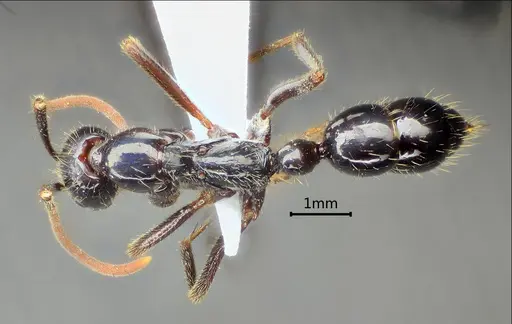
Literatuur
Verspreidingskaart laden...Producten laden...