
Lepisiota arabica
- Wetenschappelijke naam
- Lepisiota arabica
- Tribus
- Plagiolepidini
- Subfamilie
- Formicinae
- Auteur
- Collingwood, 1985
- Verspreiding
- Gevonden in 0 landen
Introductie
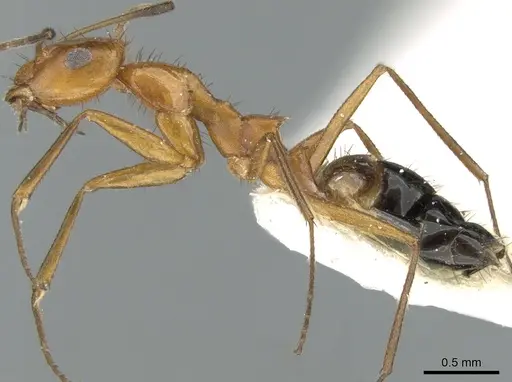
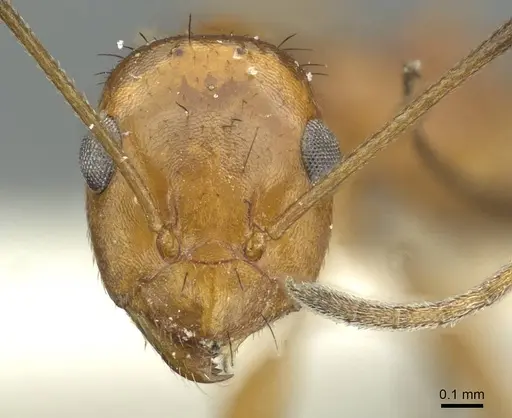
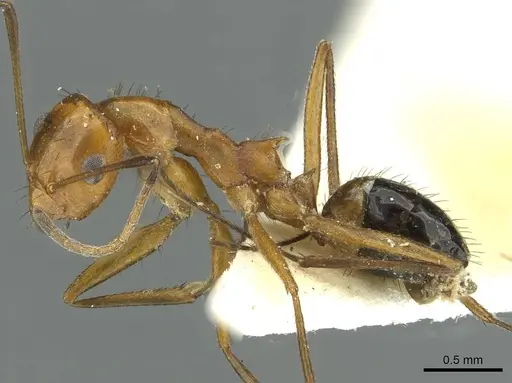
Lepisiota arabica is a small ant species endemic to the southwestern Asir Mountains of Saudi Arabia. Workers have a bicolored appearance with a reddish mesosoma (middle body section) and a darker gaster (abdomen). The body has a coarse, opaque texture with numerous short hairs covering the dorsum. This is an extremely rare species known from only approximately 5 specimens ever collected . This desert-adapted species comes from one of the hottest regions on the Arabian Peninsula. The genus Lepisiota is known for active foraging and relatively fast colony development compared to some other Formicinae ants. However, L. arabica itself has never been documented in the antkeeping hobby - there is no captive care information whatsoever .
Quick Summary
- Difficulty: Unknown, never documented in captivity
- Origin & Habitat: Endemic to the Asir Mountains in southwestern Saudi Arabia, a hot desert region with minimal rainfall. They likely nest in soil or under stones in arid terrain [1].
- Colony Type: Unconfirmed, colony structure has not been studied in the wild
- Size & Growth:
- Queen: Size data unavailable, queen caste has not been described in available literature
- Worker: Approximately 3-4mm, inferred from typical Lepisiota genus worker size range
- Colony: Unknown, colony size has never been documented
- Growth: Unknown, no captive observations available
- Development: Unknown, no development data exists for this species (No species-specific development data exists.)
- Antkeeping:
- Temperature: Likely 24-32°C based on desert origin. Start in the mid-to-high 20s°C range and observe colony activity.
- Humidity: Low to moderate, desert origin suggests they prefer drier conditions. Keep nest substrate slightly moist but allow it to dry between waterings.
- Diapause: Likely minimal or no true diapause, desert species often remain active year-round when temperatures stay warm.
- Nesting: In nature they likely nest in soil or under stones in arid ground. For captivity, a Y-tong (AAC) nest or plaster nest with dry to slightly moist substrate would be appropriate.
- Behavior: Behavior has not been documented in captivity. Based on genus patterns, they are likely active foragers that search for food rather than tending aphids. They are small ants and may be quick-moving. Escape prevention should be excellent due to their tiny size, they can squeeze through standard gaps if not sealed properly.
- Common Issues: no captive husbandry information exists, this species has never been documented in the antkeeping hobby, extremely rare in the wild with only approximately 5 known specimens, wild-caught queens are highly unlikely, desert origin means they likely have specific humidity requirements that differ from common pet species, growth rate and development timeline are entirely unknown, no information on sting capability, assume minimal risk as with most tiny Formicinae
Why This Species Is Extremely Challenging
Lepisiota arabica presents extraordinary challenges that make it unsuitable for most antkeepers. This species has never been documented in the antkeeping hobby, there is no captive care information whatsoever. With only approximately 5 specimens ever collected from the wild, finding a queen to start a colony would be essentially impossible. The species is endemic to a very limited range in Saudi Arabia's Asir Mountains, making wild collection both ethically questionable and practically impossible for most hobbyists. Even if you obtained a queen, there would be no species-specific guidance on temperature, humidity, feeding, or development timelines, you would be experimenting entirely blind. For these reasons, Lepisiota arabica should be considered a species for advanced researchers with specific scientific interests rather than a pet ant [1].
What We Know From Research
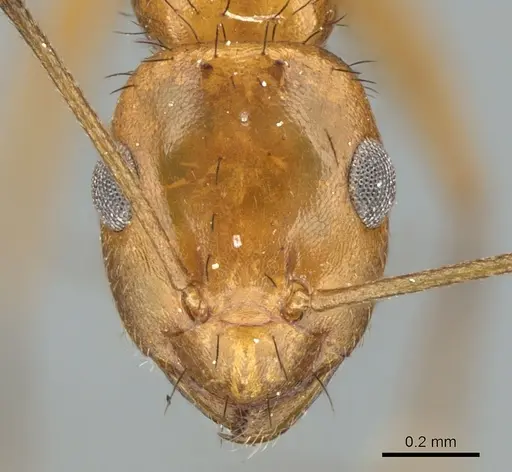
The available scientific literature tells us almost nothing about this ant's biology, only its physical description and limited distribution. Workers have a bicolored appearance: the mesosoma is reddish while the gaster is darker. The body has a coarse, opaque sculpture with numerous short hairs covering the upper surfaces. The head has more than seven pairs of hairs on the posterior margin, and the femurs have hairs as well. This species is known only from the southwestern Asir Mountains in Saudi Arabia, representing an Afrotropical affinity within what is otherwise a Palearctic-influenced region. The combination of morphological features distinguishes it from other Arabian Lepisiota species [2][1].
Inferred Care From Related Species
Since no specific care information exists for L. arabica, we can make educated guesses based on what is known about the genus and its desert habitat. Most Lepisiota species are claustral founders, the queen seals herself in a chamber and raises her first workers on stored body fat without foraging. They are active foragers that hunt small insects and scavenge, rather than farming aphids. Desert species from the Arabian Peninsula typically tolerate temperatures from the mid-20s up to 35°C or higher, and prefer drier conditions than forest-dwelling ants. However, these are generalities, L. arabica could have unique requirements that differ from its relatives. Any captive attempt would be essentially experimental research rather than established husbandry.
Legal and Ethical Considerations
Lepisiota arabica is endemic to Saudi Arabia and appears to be a rare species. Exporting ants from Saudi Arabia would likely require specific permits, and collecting from the wild should be avoided given the species' extreme rarity. If somehow a colony were to be established in captivity, it should never be released in any region outside its native range, as this could cause ecological damage. For antkeepers interested in unusual species, there are far better-documented alternatives from the Lepisiota genus that have established care guides and are available through reputable suppliers [1].
Frequently Asked Questions
Can I keep Lepisiota arabica as a pet ant?
No, this species has never been documented in the antkeeping hobby and no captive care information exists. Additionally, only approximately 5 specimens have ever been collected from the wild, making wild-caught queens essentially impossible to obtain. Consider better-documented Lepisiota species instead.
How big do Lepisiota arabica colonies get?
Unknown, colony size has never been documented.
What do Lepisiota arabica eat?
Not documented specifically. Based on genus patterns, they likely eat small insects and scavenge protein sources. They probably do not tend aphids like some other Formicinae ants.
What temperature do Lepisiota arabica need?
Likely 24-32°C based on their Saudi Arabian desert origin, but this is an estimate. No captive temperature data exists for this species.
How long does it take for Lepisiota arabica to develop from egg to worker?
Unknown, no development timeline has been documented for this species.
Do Lepisiota arabica need hibernation?
Likely no true hibernation, desert species often remain active year-round when temperatures stay warm. If kept in a temperate climate, a brief winter slowdown may be beneficial but is not well-documented.
Is Lepisiota arabica a good species for beginners?
No, this species has never been kept in captivity and has no established care guidelines. It would be extremely challenging even for experienced antkeepers due to complete lack of husbandry information.
Can I find Lepisiota arabica for sale?
Extremely unlikely. This is one of the rarest ant species known, with only about 5 specimens ever collected. It is not available through any known ant suppliers.
Where does Lepisiota arabica live in the wild?
Only known from the southwestern Asir Mountains in Saudi Arabia. This is a hot, arid desert region with minimal rainfall.
Report an Issue
The current care sheet is based fully on literature. See inconsistencies, or something that's incorrect? Please , it will be resolved after review from an admin. Contributing to the blogs tab also helps providing information, to make us be able to further improve the caresheets. Thank you for your support!
References

Dit verzorgingsblad is gelicentieerd onder CC BY-SA 4.0 .
Community-blogs
CASENT0906264
Bekijk op AntWeb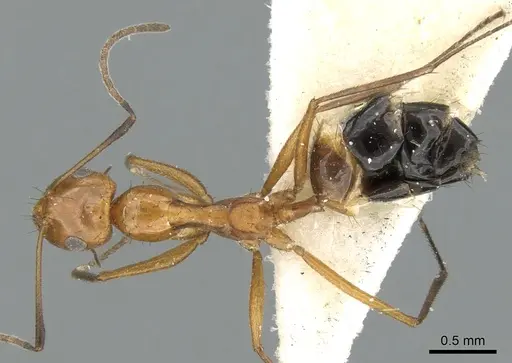
CASENT0912368
Bekijk op AntWeb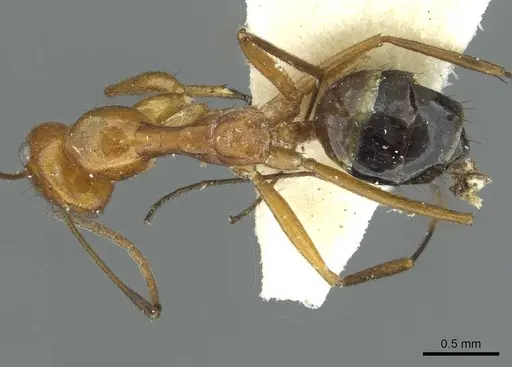
Literatuur
Verspreidingskaart laden...Producten laden...