
Lasius piliferus
- Wetenschappelijke naam
- Lasius piliferus
- Tribus
- Lasiini
- Subfamilie
- Formicinae
- Auteur
- Seifert, 1992
- Verspreiding
- Gevonden in 2 landen
Introductie
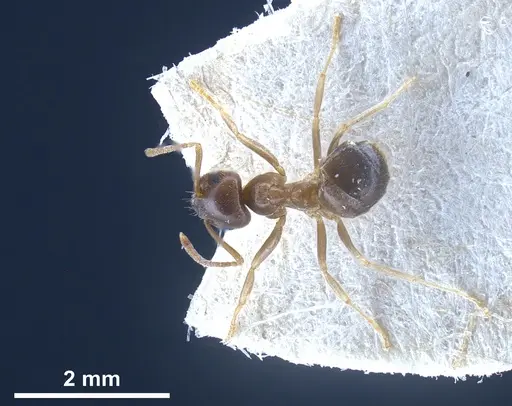
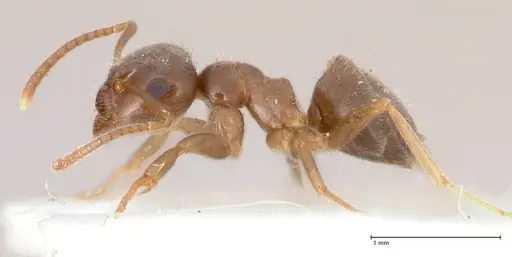
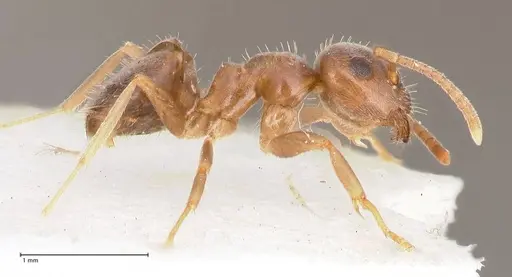
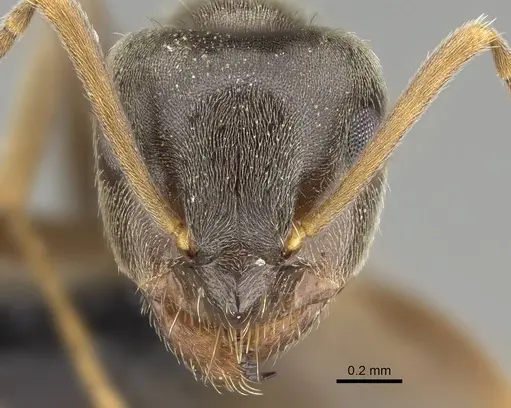
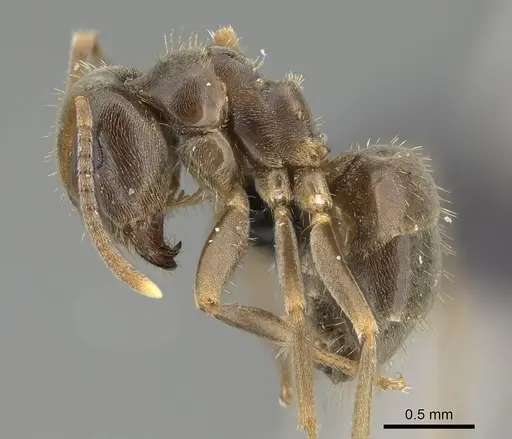
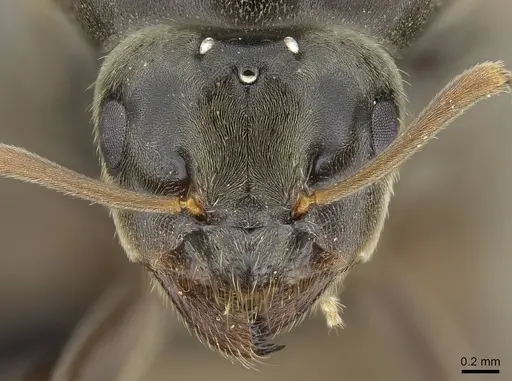
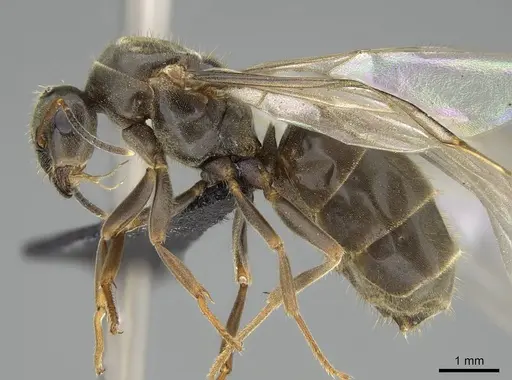
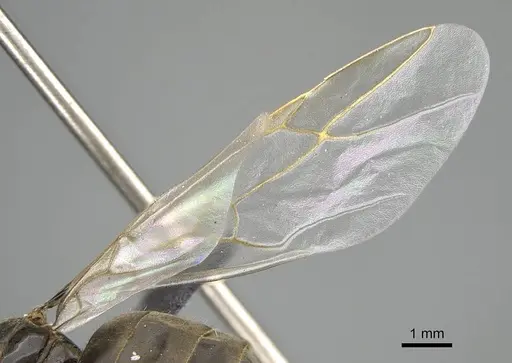
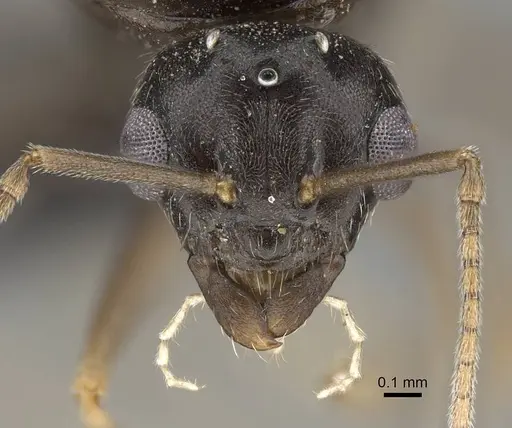
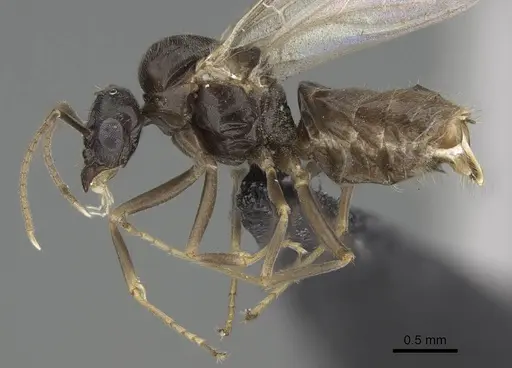
Lasius piliferus is a small ant endemic to the mountains of the Iberian Peninsula and southern France. Workers have a dark brown body with lighter yellowish-brown antennae and legs, covered in relatively dense body pilosity (hairs) compared to related species. This species belongs to the Lasius alienus species group and is distinguished by shorter antennae scapes and greater pilosity than its relatives. Queens are significantly larger with well-developed wings. These ants nest under stones in open, sunny, semi-dry grasslands at elevations ranging from near sea level to over 2000m. When disturbed, they rely on fast, erratic escape movements rather than aggression.
Quick Summary
- Difficulty: Medium
- Origin & Habitat: Mountain grasslands of the Iberian Peninsula and southern France. Found in Sierra de Gredos, Sierra de Quadarrama, and NE Pyrenees at elevations between 1250-2135m. Nests under stones in semi-dry pastures grazed by cattle, horses, or sheep [1][2][3].
- Colony Type: Likely monogyne (single queen) colonies, typical for Lasius s.str. species.
- Size & Growth:
- Queen: ~4-5mm total length, inferred from Lasius genus
- Worker: ~3-4mm total length, inferred from Lasius genus
- Colony: Up to several hundred workers based on related Lasius species
- Growth: Moderate
- Development: 6-10 weeks at optimal temperature based on related Lasius species (Development timeline not directly studied. Related Lasius species typically take 6-10 weeks from egg to worker at room temperature.)
- Antkeeping:
- Temperature: Keep at 18-22°C, room temperature is ideal. As a mountain species from high elevations, they prefer cooler conditions. Avoid overheating.
- Humidity: Moderate humidity. Native to semi-dry grasslands, not wet forests. Keep nest substrate lightly moist but allow some drying between waterings. Provide a humidity gradient.
- Diapause: Yes, requires hibernation. Workers are active from May through early September in the wild [2]. Provide a cold period at 5-10°C from roughly October through April.
- Nesting: Naturalistic setups with stones work well, they naturally nest under stones in the wild. Y-tong (AAC) or plaster nests with appropriately scaled chambers are also suitable. Provide a shallow water reservoir.
- Behavior: Non-aggressive, when disturbed they escape rather than fight. Workers have fast, erratic movements. They attend aphids for honeydew and have been observed tending lycaenid butterfly caterpillars. Foraging is typical Lasius-style, they search individually for sugar sources and protein. Small size means escape prevention is important, use tight-fitting barriers and fine mesh.
- Common Issues: escape prevention is critical due to small worker size, hibernation failure, must provide proper cold period or colony may weaken, overheating, mountain species prefers cooler temperatures, frequently confused with Lasius neglectus or L. psammophilus, slow founding, claustral queens take time to raise first workers
Nest Preferences and Setup
Lasius piliferus naturally nests under stones in open, sunny grasslands at elevations between 1250-1950m [1]. In captivity, they do well in naturalistic setups with flat stones placed on soil, or in Y-tong (AAC) nests with appropriately scaled chambers. The chambers should be sized for their small worker size. They prefer a shallow water reservoir to maintain moderate humidity without becoming waterlogged. Because they're from cooler mountain climates, avoid placing the nest on heating cables. Room temperature (18-22°C) is ideal. Provide some dry areas within the setup since they come from semi-dry habitats [2].
Feeding and Diet
Like other Lasius species, these ants are opportunistic feeders that accept sugar sources and protein. In the wild, they attend aphids for honeydew and have been documented tending lycaenid butterfly caterpillars at multiple locations in France [2][4]. Offer sugar water or honey water as a constant energy source. For protein, provide small insects like fruit flies, small mealworms, or cricket pieces. Feed protein 2-3 times per week, adjusting based on colony size. Remove uneaten prey after 24-48 hours to prevent mold.
Temperature and Seasonal Care
This is a mountain species adapted to cooler temperatures than many common ant pets. Keep the nest area at 18-22°C, room temperature is typically ideal [2]. They are active from May through early September in the wild, then hibernate through winter. During the active season, they do not need additional heating. In fact, overheating can be harmful, avoid placing nests on heating mats unless your room is very cold. In winter (roughly October-April), provide a cold hibernation period at 5-10°C, such as in an unheated garage or basement. This cold period is important for colony health and triggers proper seasonal cycles.
Behavior and Handling
Lasius piliferus is not aggressive, when their nest is disturbed, they rely on escape rather than defense. Workers move in fast, erratic patterns that help them evade predators [2]. They are not known to sting, and their small size means any potential sting would be imperceptible to humans. Because of their small worker size, escape prevention is important. Use tight-fitting lids, apply fluon or similar barriers to container rims, and ensure any ventilation mesh is fine enough to contain them. They are docile colony residents that are fascinating to observe without being difficult to handle.
Colony Founding
Like other Lasius s.str. species, L. piliferus queens are claustral, they seal themselves in a chamber and raise their first workers entirely on stored body fat reserves. The queen does not leave to forage during founding. After mating flights in late July to August, newly mated queens dig small chambers in soil or under stones and seal themselves in [3]. The first workers (nanitics) are smaller than normal workers and will emerge after several weeks. Once workers emerge, the colony expands and foragers begin collecting food. Founding colonies should be left undisturbed in a dark, quiet location until workers appear.
Growth and Development
The complete development timeline from egg to worker has not been specifically documented for this species, but based on related Lasius species, expect 6-10 weeks at optimal temperature (around 20°C). Eggs develop through larval and pupal stages before first workers emerge. The first workers (nanitics) are typically smaller than subsequent workers. Growth rate is moderate, not as fast as some tropical species, but faster than very slow-growing genera. Colonies likely reach several hundred workers over several years. Queen longevity is several years, as typical for Lasius.
Identification and Similar Species
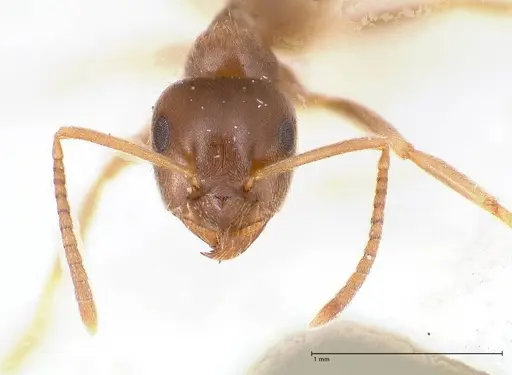
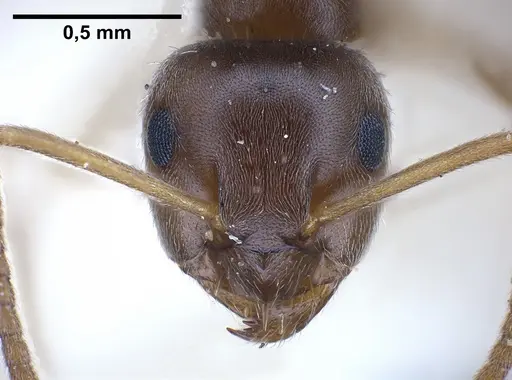
Lasius piliferus belongs to the Lasius alienus species group and can be confused with several related species. It is distinguished by having the most pilosity (body hairs) among its relatives, shorter antennae scapes than L. psammophilus, and a smaller eye size [1]. It is frequently confused with the invasive Lasius neglectus, which has reduced mandibular dentition compared to L. piliferus [5]. Other similar species include L. alienus, L. paralienus, and L. psammophilus. For antkeepers, the key distinguishing features are the relatively hairy body and the preference for dry, sunny mountain meadows.
Frequently Asked Questions
How long does it take for Lasius piliferus to raise first workers?
Based on related Lasius species, expect 6-10 weeks from egg to first worker at room temperature (around 20°C). The exact timeline has not been directly documented for this species.
What temperature do Lasius piliferus need?
Keep them at 18-22°C, room temperature is ideal. They are a mountain species from high elevations and prefer cooler conditions than many ant species. Avoid overheating.
Do Lasius piliferus need hibernation?
Yes, they require a winter hibernation period. In the wild, workers are active from May through early September. Provide a cold period at 5-10°C from roughly October through April.
What do Lasius piliferus eat?
They accept sugar sources (honey water, sugar water) and protein (small insects like fruit flies, mealworms, crickets). In the wild, they attend aphids for honeydew and tend lycaenid butterfly caterpillars.
Are Lasius piliferus good for beginners?
They are moderate difficulty, not as challenging as some species but not the easiest either. Their small size requires good escape prevention, and they need proper hibernation. They are docile and interesting to watch.
How big do Lasius piliferus colonies get?
Colony size is not directly documented, but based on related Lasius species, expect several hundred workers over several years.
Can I keep multiple Lasius piliferus queens together?
Not recommended. This species is likely monogyne (single queen) in the wild. Unlike some Lasius species, they do not form multi-queen colonies. Only keep one queen per founding setup.
When do Lasius piliferus have nuptial flights?
Alate reproductives appear from late July, with nuptial flights occurring at the end of August. This is later than many lowland ant species, consistent with their mountain habitat.
What kind of nest should I use for Lasius piliferus?
Naturalistic setups with stones on soil work well since they naturally nest under stones. Y-tong (AAC) or plaster nests with small chambers are also suitable. Avoid heating the nest, room temperature is ideal.
Why are my Lasius piliferus dying?
Common causes include: overheating (keep below 22°C), improper humidity (they prefer semi-dry conditions), lack of hibernation, or escape due to small size. Check that your setup matches their mountain grassland habitat preferences.
Where can I find Lasius piliferus?
They are endemic to the Iberian Peninsula and southern France. Look in sunny, semi-dry mountain meadows at elevations above 1000m, particularly in the Pyrenees, Sierra de Gredos, and Sierra de Quadarrama. Nests are under stones in grazed pastures.
Report an Issue
The current care sheet is based fully on literature. See inconsistencies, or something that's incorrect? Please , it will be resolved after review from an admin. Contributing to the blogs tab also helps providing information, to make us be able to further improve the caresheets. Thank you for your support!
References

Dit verzorgingsblad is gelicentieerd onder CC BY-SA 4.0 .
Community-blogs
FOCOL0753
Bekijk op AntWeb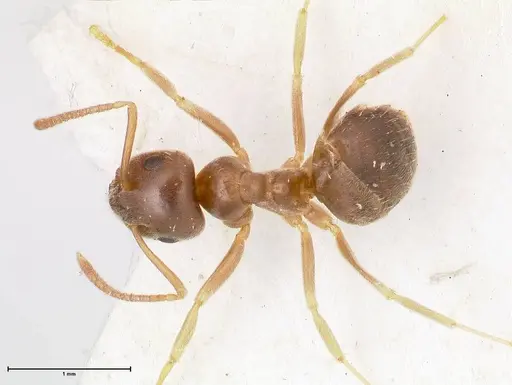
KG03097-2
Bekijk op AntWeb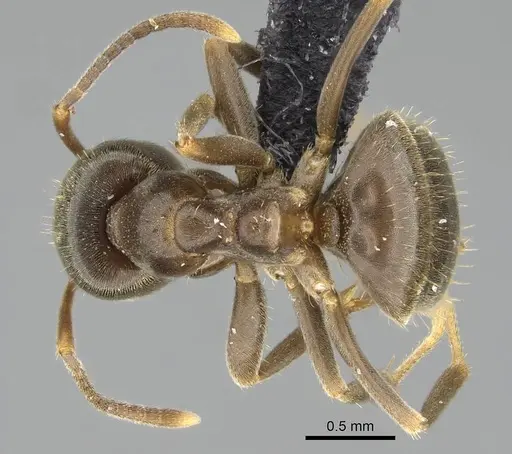
KG03097-3
Bekijk op AntWeb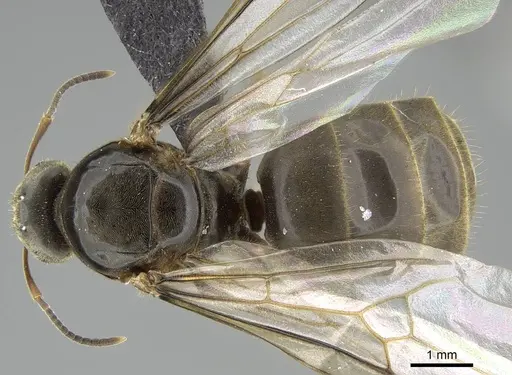
KG03097-4
Bekijk op AntWeb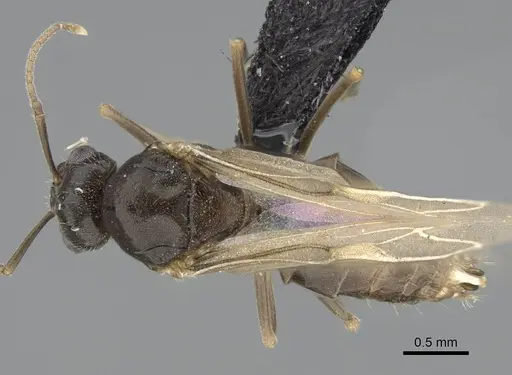
Literatuur
Verspreidingskaart laden...Producten laden...