
Hypoponera wroughtonii
- Wetenschappelijke naam
- Hypoponera wroughtonii
- Tribus
- Ponerini
- Subfamilie
- Ponerinae
- Auteur
- Forel, 1900
- Verspreiding
- Gevonden in 1 landen
Introductie
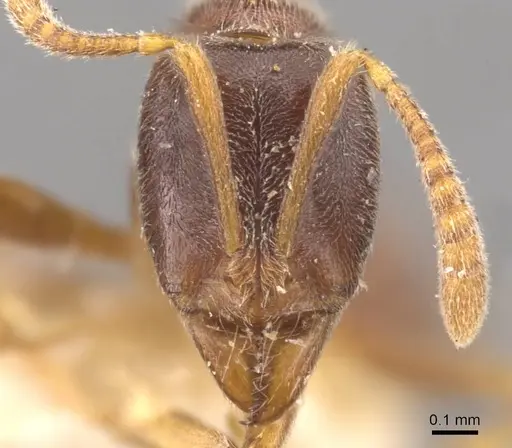
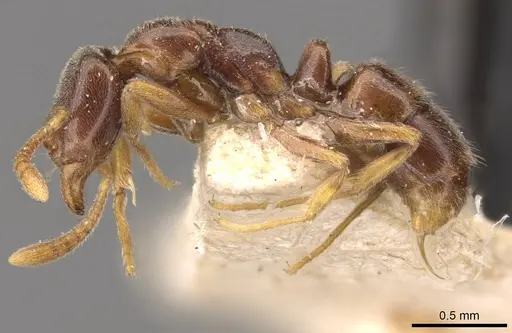
Hypoponera wroughtonii is a small, dark brown ant species native to Northern India, specifically the Himalayan foothills in Arunachal Pradesh, Himachal Pradesh, Sikkim, and Uttarakhand . Workers are tiny ants that inhabit forested areas with good leaf litter at elevations ranging from 420m to 2800m. The species was originally described as a variety of Hypoponera confinis in 1900 and was elevated to full species status in 2015. It is allopatric to its close relative Hypoponera aitkenii, which is found in southern India. These ants can be distinguished from related species by their relatively large size and longer petiole node.
Quick Summary
- Difficulty: Medium
- Origin & Habitat: Northern India, specifically the Himalayan foothills in Arunachal Pradesh, Himachal Pradesh, Sikkim, and Uttarakhand. They live in forested habitats with good leaf litter at elevations ranging from 420m to 2800m [1][2].
- Colony Type: Colony structure is unconfirmed. Based on typical Ponerine patterns, likely single-queen colonies.
- Size & Growth:
- Queen: ~3-3.5 mm, inferred from Hypoponera genus
- Worker: ~2.5-3 mm, inferred from Hypoponera genus
- Colony: Unknown, likely small to moderate based on typical Ponerine colony sizes
- Growth: Moderate, inferred from genus patterns
- Development: 6-10 weeks, estimated based on typical Ponerine development (Development time is estimated from related Ponerine species. Temperature will significantly affect development speed.)
- Antkeeping:
- Temperature: Keep around 22-26°C. Based on their Himalayan distribution, they prefer cooler conditions than tropical ants. Avoid temperatures above 28°C [1].
- Humidity: High humidity required, these are forest floor ants from leaf litter habitats. Keep nest substrate consistently moist but not waterlogged. Think damp forest floor conditions.
- Diapause: Likely yes, Himalayan species probably requires a winter rest period. Further research needed.
- Nesting: In captivity, they do well in test tubes or small nests with moist substrate. Provide a small water reservoir. They prefer tight, humid chambers typical of leaf litter nesting ants.
- Behavior: Hypoponera ants are predatory Ponerines with a stinger. Workers are small and relatively slow-moving. They likely hunt small invertebrates like springtails and micro-arthropods in the leaf litter. Escape prevention is critical due to their tiny size, they can squeeze through standard test tube barriers. Use fine mesh and tight-fitting lids.
- Common Issues: escape prevention is critical due to their very small size, they easily squeeze through gaps in standard equipment, high humidity requirements can lead to mold if ventilation is poor, predatory diet means they need live prey, sugar sources are unlikely to be accepted, slow colony growth may frustrate beginners who overfeed or disturb the nest, wild-caught colonies may have parasites that cause problems in captivity
Nest Preferences and Housing
Hypoponera wroughtonii is a leaf litter ant species that naturally nests in moist forest floor environments. In captivity, they do well in small test tube setups with a consistent water reservoir. The tube should be kept humid but not flooded, aim for condensation on the walls that persists for hours after refilling. Because of their tiny size, standard test tube barriers may not be sufficient. Use fine mesh on any ventilation holes and ensure all connections are tight. Nests with small chambers also work well, but avoid large open spaces that would be unnatural for these small ants. Keep the nest in a dark area or provide a cover, as they prefer dim conditions typical of their leaf litter habitat. [1]
Feeding and Diet
As a Ponerine ant, Hypoponera wroughtonii is predatory and needs live prey. In the wild, they hunt small invertebrates in the leaf litter layer. In captivity, offer small live prey such as springtails, fruit flies, and other tiny arthropods. They are too small to tackle large prey items. You can also try small mealworm pieces, but live prey is preferred. Sugar sources like honey or sugar water are unlikely to be accepted, Ponerines are primarily protein hunters, not sugar seekers. Feed every 2-3 days, offering small amounts that can be consumed within a day. Remove uneaten prey to prevent mold issues in the humid nest environment.
Temperature and Seasonal Care
Based on their Himalayan distribution at elevations up to 2800m, these ants prefer cooler temperatures than most tropical ant species. Keep the nest area at 22-26°C. They can tolerate brief periods slightly outside this range but avoid temperatures above 28°C or below 18°C for extended periods. A gentle heat gradient is beneficial, allow the ants to choose their preferred temperature zone within the setup. During winter, based on their mountain habitat, they likely need a diapause period. Reduce temperatures to around 10-15°C for 2-3 months during winter, mimicking natural seasonal cycles. Do not feed during diapause and minimize disturbances. [1]
Behavior and Temperament
Hypoponera wroughtonii workers are small, dark brown ants that move relatively slowly compared to many other ant species. They possess a stinger, though due to their tiny size, they are unlikely to penetrate human skin effectively. Workers forage individually in the leaf litter, hunting small prey rather than forming large foraging trails. Colonies are likely to be modest in size. The main concern for keepers is escape prevention, these ants can squeeze through remarkably small gaps. Inspect all equipment carefully and use fine mesh barriers. They are not aggressive toward keepers but will use their stinger if handled roughly. [1]
Colony Establishment and Growth
Colony founding details are unconfirmed for this species. Based on typical Ponerine behavior, the queen may hunt for prey during the founding phase, rather than sealing herself away completely like some other ant genera. This means the founding queen may need access to small live prey to feed herself and her first brood. Expect the first workers to emerge after 6-10 weeks at optimal temperature. Initial colony size will be small. Growth is typically slow for Ponerines, with colonies taking many months to reach modest numbers. Be patient and avoid disturbing the nest during this critical period. Do not attempt to feed the founding queen large prey items.
Frequently Asked Questions
Can I keep Hypoponera wroughtonii in a test tube?
Yes, test tubes work well for this species. Use a small test tube with a consistent water reservoir. However, escape prevention is critical, their tiny size means they can squeeze through standard cotton barriers. Use fine mesh or fluon on all openings.
What do Hypoponera wroughtonii ants eat?
They are predatory ants that need live small prey. Offer springtails, fruit flies, and other tiny arthropods. They are unlikely to accept sugar sources like honey or sugar water. Avoid large prey items, their small size limits what they can tackle.
How long does it take for Hypoponera wroughtonii to produce first workers?
Based on typical Ponerine development, expect 6-10 weeks from egg to first worker at optimal temperature (22-26°C). This is an estimate as specific development data for this species is not available.
Are Hypoponera wroughtonii good for beginners?
They are rated as medium difficulty. Their high humidity requirements and need for live prey make them slightly more challenging than beginner species. Their tiny size also requires extra attention to escape prevention. They are best suited for keepers with some antkeeping experience.
Do Hypoponera wroughtonii need hibernation?
Likely yes, based on their Himalayan distribution at high elevations. They probably need a winter rest period of 2-3 months at reduced temperatures (10-15°C) during winter months. This mimics their natural seasonal cycle.
How big do Hypoponera wroughtonii colonies get?
Colony size is not well documented, but based on typical Ponerine patterns, colonies likely reach several hundred workers at most. They are not supercolonial and tend to stay relatively small.
When should I move Hypoponera wroughtonii to a formicarium?
Wait until the colony has at least 30-50 workers and is actively foraging in an outworld. For this small species, a small nest or continued test tube setup works well. Only move when the current setup is clearly too small.
Why are my Hypoponera wroughtonii dying?
Common causes include: temperature too high (above 28°C), humidity too low or inconsistent, mold from poor ventilation, lack of live prey, or escapes due to inadequate barriers. Check these parameters first. Wild-caught colonies may also carry parasites.
Can I keep multiple queens together?
Colony structure is unconfirmed for this species. Based on typical Ponerine patterns, they likely have single-queen colonies. Combining unrelated queens is not recommended without evidence they can coexist.
Report an Issue
The current care sheet is based fully on literature. See inconsistencies, or something that's incorrect? Please , it will be resolved after review from an admin. Contributing to the blogs tab also helps providing information, to make us be able to further improve the caresheets. Thank you for your support!
References

Dit verzorgingsblad is gelicentieerd onder CC BY-SA 4.0 .
Community-blogs
CASENT0907308
Bekijk op AntWeb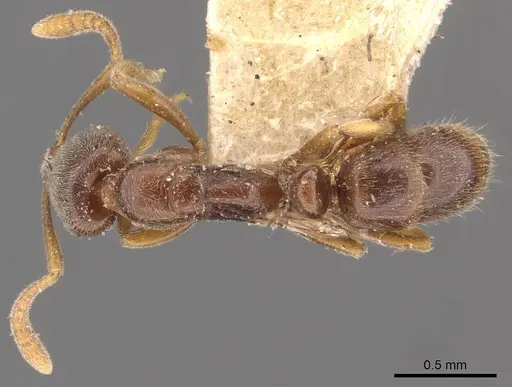
Literatuur
Verspreidingskaart laden...Producten laden...