
Hypoponera sinuosa
- Wetenschappelijke naam
- Hypoponera sinuosa
- Tribus
- Ponerini
- Subfamilie
- Ponerinae
- Auteur
- Bernard, 1953
- Verspreiding
- Gevonden in 0 landen
Introductie
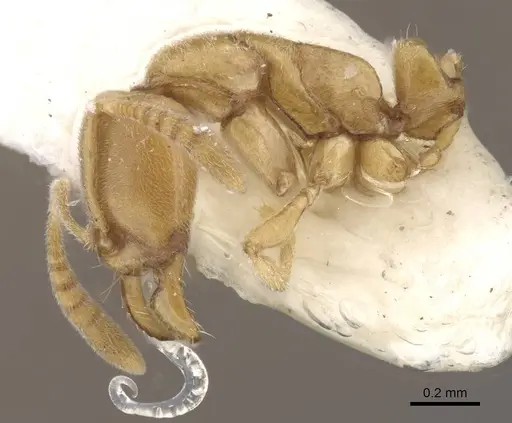
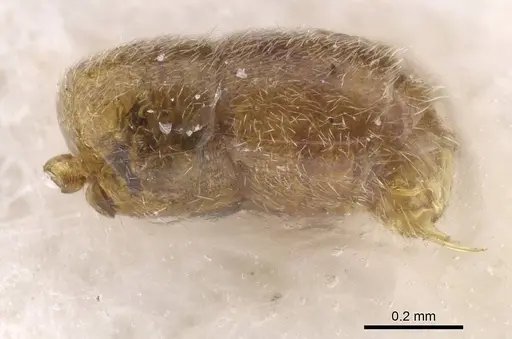
Hypoponera sinuosa is an extremely rare and poorly known ponerine ant species from West Africa. Workers are tiny, making them among the smallest ants in the genus. They are uniformly yellow in color with nearly invisible eyes - only a minute blister-like ommatidium can be detected under strong magnification. The petiole has a distinctive shape with anterior and posterior faces that converge sharply toward the top. This species is known only from a single damaged specimen collected in a forested ravine in Guinea, and no queens, males, or additional specimens have ever been documented. The extreme rarity of this species means virtually nothing is known about its biology in captivity or in the wild .
Quick Summary
- Difficulty: Expert
- Origin & Habitat: Guinea and Ivory Coast in West Africa, specifically collected from a forested ravine environment at Mont Tô [1][2]
- Colony Type: Unknown, only a single worker has ever been collected, no queens or males have been documented [2]
- Size & Growth:
- Queen: Size data unavailable, queens have never been collected [2]
- Worker: Size data unavailable, only head measurements exist for the single known specimen [1]
- Colony: Unknown, colony structure and size are completely unstudied
- Growth: Unknown
- Development: Unknown, no development data exists for this species (Development timeline has not been studied.)
- Antkeeping:
- Temperature: Unclear, no direct data exists. As a West African forest species, they likely prefer warm, humid conditions. Start around 24-28°C and observe colony activity.
- Humidity: Likely requires high humidity given the forested ravine collection location. Keep nest substrate consistently moist but not waterlogged. Ensure good ventilation to prevent mold while maintaining damp conditions.
- Diapause: Unknown, West African species may not require true hibernation, but may have reduced activity periods. No data on seasonal requirements.
- Nesting: No specific nesting data exists. The single specimen was collected in a forested ravine, suggesting they likely nest in soil or rotting wood in humid microhabitats. Use a moist test tube setup or plaster nest with small chambers scaled to their tiny size.
- Behavior: Nothing is known about the behavior of this species. Based on genus-level patterns, Hypoponera ants are typically predatory and have functional stings. They are likely secretive and slow-growing. Escape prevention is critical due to their extremely small size, they can squeeze through standard test tube setups. Handle with care as they may sting if threatened, though the sting may be too small to penetrate human skin.
- Common Issues: extreme rarity and lack of available colonies, this species is essentially never available in the antkeeping hobby, no biological data means all care is experimental guesswork based on genus patterns, tiny size creates serious escape risk, fine mesh barriers are essential, slow growth and poor documentation make this species unsuitable for beginners, no confirmed diet acceptance, must experiment with small live prey
Species Overview and Rarity
Hypoponera sinuosa is one of the rarest and most poorly known ant species in the world. Only a single damaged worker specimen has ever been collected, described originally in 1953 from Guinea. No queens, males, or additional workers have ever been found despite extensive ant surveys in West Africa. This makes it essentially impossible to obtain for antkeeping, and virtually no biological information exists. The species was collected in a forested ravine at Mont Tô in Guinea, suggesting it lives in humid, shaded forest floor environments. The extreme rarity means this species should be considered a scientific curiosity rather than a viable option for captive keeping [1][2].
Identification and Morphology
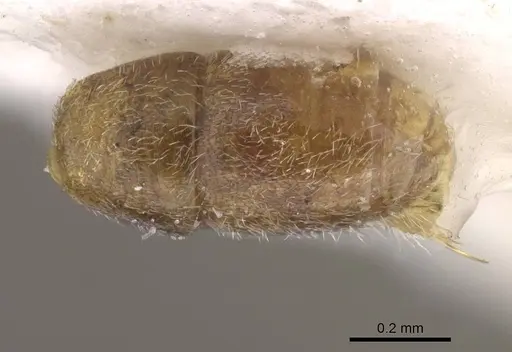
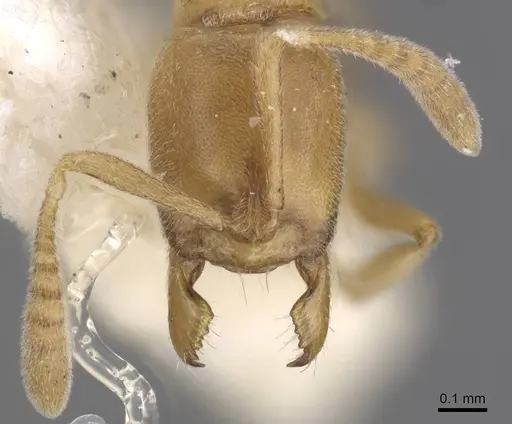
Workers are extremely small, making them among the smallest Hypoponera species. They are uniformly yellow in color throughout. The eyes are nearly absent, only a minute blister-like ommatidium can be detected under specific lighting and angle. The petiole has a distinctive shape with anterior and posterior faces that converge sharply toward the dorsal tip, giving it a wedged appearance. The metanotal groove is distinct on the dorsal mesosoma. These morphological details are important for identification but have no direct bearing on care requirements [1].
Housing and Escape Prevention
Due to their extremely small size, escape prevention is absolutely critical. Standard test tube setups will likely allow escapes through the smallest gaps. Use fine mesh barriers on all openings. Consider using small acrylic nests or plaster setups with chambers scaled to their tiny size. The nest should maintain high humidity while allowing for some ventilation to prevent mold. Given the complete lack of species-specific data, all housing recommendations are based on general Hypoponera genus patterns.
Feeding and Diet
Diet is completely unconfirmed for this species. Based on genus-level patterns, Hypoponera ants are typically predatory, feeding on small invertebrates. In captivity, related species accept small live prey such as springtails, fruit fly larvae, and other micro-arthropods. Sugar sources may be accepted but are not a reliable primary food. Start with small live prey items and observe acceptance. Do not expect this species to be available in the hobby, it remains one of the rarest ants in the world.
Temperature and Seasonal Care
No specific temperature data exists. As a West African forest species from Guinea, they likely prefer warm, humid conditions similar to other tropical Ponerinae. A temperature range of 24-28°C is a reasonable starting point based on related species patterns. Monitor colony activity and adjust accordingly, if workers become sluggish, slightly increase temperature, if they avoid heated areas, reduce temperature. No data exists on diapause or winter requirements, though a West African species likely does not require true hibernation.
Frequently Asked Questions
Can I keep Hypoponera sinuosa as a pet ant?
No. This species is essentially never available in the antkeeping hobby. Only a single worker specimen has ever been collected in scientific history, and no colonies have ever been documented. It remains one of the rarest ant species in the world.
How big do Hypoponera sinuosa colonies get?
Unknown. No colony size data exists for this species. Based on related tiny Hypoponera species, colonies are likely small.
What do Hypoponera sinuosa ants eat?
Unconfirmed. Based on genus patterns, they are likely predatory on small invertebrates. Related species accept small live prey like springtails and micro-arthropods. Sugar acceptance is uncertain.
Do Hypoponera sinuosa ants sting?
Likely yes, based on genus membership in Ponerinae which typically have functional stings. However, due to their extremely small size, the sting may be too small to penetrate human skin. Handle with care regardless.
What temperature do Hypoponera sinuosa ants need?
No specific data exists. Based on their West African origin, a warm temperature in the range of 24-28°C is a reasonable estimate. Adjust based on observed colony activity.
Are Hypoponera sinuosa good for beginners?
No. This species is completely unsuitable for any antkeeper. There is no available colony, no biological data, and no established care protocols. Additionally, the species is so rare it has never been found again since the original collection in 1953.
How long does it take for Hypoponera sinuosa to develop from egg to worker?
Unknown, no development data exists for this species.
Where is Hypoponera sinuosa found in the wild?
Only known from Guinea, West Africa. The single known specimen was collected in a forested ravine at Mont Tô. It has also been reported from Ivory Coast, though no specimens from there have been documented.
Report an Issue
The current care sheet is based fully on literature. See inconsistencies, or something that's incorrect? Please , it will be resolved after review from an admin. Contributing to the blogs tab also helps providing information, to make us be able to further improve the caresheets. Thank you for your support!
References

Dit verzorgingsblad is gelicentieerd onder CC BY-SA 4.0 .
Community-blogs
CASENT0915476
Bekijk op AntWeb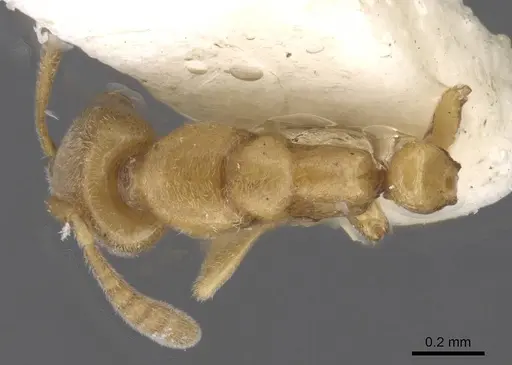
Literatuur
Verspreidingskaart laden...Producten laden...