
Holcoponera ilimani
- Wetenschappelijke naam
- Holcoponera ilimani
- Tribus
- Ectatommini
- Subfamilie
- Ectatomminae
- Auteur
- Lattke, 1995
- Verspreiding
- Gevonden in 0 landen
Introductie
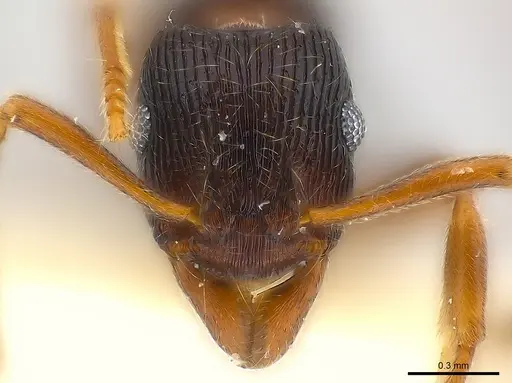
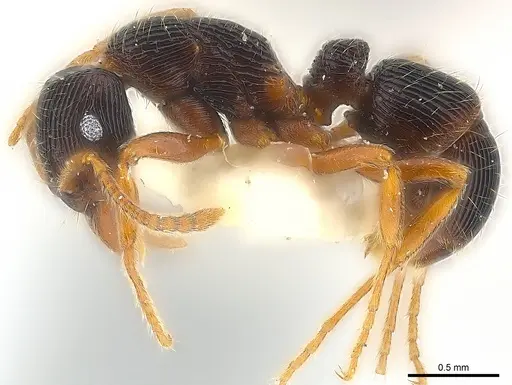
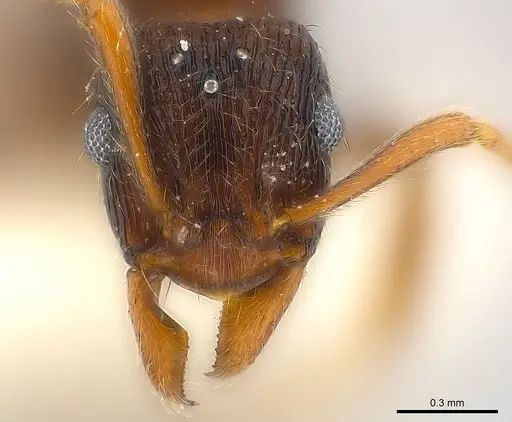
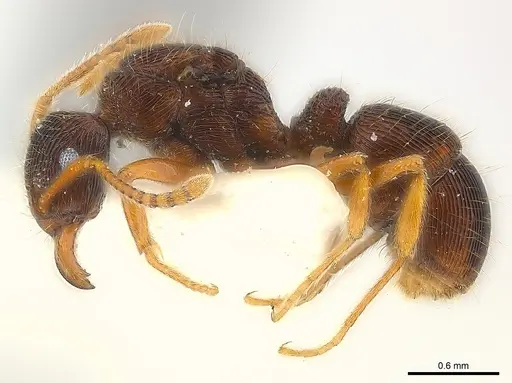
Holcoponera ilimani is a small predatory ant species native to the Bolivian Andes . Workers are slender ants with distinctive morphological features including a scape with moderate to scarce pubescence and at least five erect hairs, a postpetiolar sternite with well-defined costulae or striae, and a propodeal dorsum that sits level with the mesonotum in lateral view . This species was originally described in the genus Holcoponera but has since been reclassified as Gnamptogenys ilimani . As a member of the Ectatomminae subfamily, these ants are predatory hunters that rely on capturing small invertebrates to feed their colonies.
Quick Summary
- Difficulty: Medium
- Origin & Habitat: Bolivian Andes, cloud forest and highland forest habitats in mountainous regions
- Colony Type: Likely monogyne (single queen) colonies based on typical Gnamptogenys patterns, though colony structure is unconfirmed for this specific species
- Size & Growth:
- Queen: Estimated 6-8mm based on genus patterns
- Worker: Estimated 4-6mm based on genus patterns
- Colony: Likely small to moderate, typical Gnamptogenys colonies range from dozens to a few hundred workers
- Growth: Moderate, inferred from related predatory ants
- Development: Estimated 6-10 weeks based on typical Poneroid development at warm temperatures (Development time is estimated based on related species in the genus, specific data for H. ilimani is unavailable)
- Antkeeping:
- Temperature: Keep at 22-26°C, these are subtropical highland ants that prefer warm but not hot conditions. A gentle gradient allows workers to self-regulate.
- Humidity: Moderate to high, cloud forest origin means they appreciate humidity. Keep nest substrate moist but not waterlogged, with some drier areas available.
- Diapause: Likely mild winter slowdown but not true hibernation, Andean species may reduce activity during cooler months without a full diapause
- Nesting: Provide a humid nest with narrow chambers. Y-tong nests, plaster nests, or test tube setups work well. They prefer enclosed spaces with good humidity retention.
- Behavior: These are predatory ants that actively hunt small invertebrates. Workers are likely moderately aggressive when defending the colony but not particularly territorial. They probably forage individually or in small groups rather than forming large raiding parties. Escape prevention should be moderate, their size suggests they cannot squeeze through standard test tube barriers, but fine mesh is still recommended.
- Common Issues: slow colony growth can lead to impatience and overfeeding, which causes mold problems, humidity control is critical, too wet causes flooding and fungal issues, too dry causes brood death, predatory diet requirements mean colonies can struggle if adequate live prey is not available, wild-caught colonies may carry parasites that can devastate captive populations, small colony size means losses are more impactful, each worker matters
Housing and Nest Setup
Holcoponera ilimani does well in enclosed nest setups that retain humidity. A Y-tong (acrylic) nest or plaster nest works well for this species, providing chambers that stay moist without flooding. Test tube setups are also suitable, especially for founding colonies, use a water reservoir connected to a cotton ball that allows gradual moisture wicking. The nest should have chambers sized appropriately for their worker size (roughly 4-6mm). Avoid tall, open spaces that dry out quickly. An outworld area for foraging allows you to offer prey items without disturbing the nest chamber.
Feeding and Diet
As predatory ants, H. ilimani requires protein-rich foods to thrive. Offer small live prey such as fruit flies, pinhead crickets, small mealworms, and other tiny arthropods. They likely accept pre-killed prey as well, but live prey stimulates natural hunting behaviors. Feed protein roughly twice weekly, adjusting based on colony size and consumption. Remove uneaten prey after 24-48 hours to prevent mold. Sugar sources like honey or sugar water may be accepted occasionally but should not be the primary food source for this predatory species.
Temperature and Seasonal Care
Maintain temperatures between 22-26°C for optimal colony health and brood development. These Andean ants prefer warmth but not extreme heat, avoid temperatures above 30°C. A heating cable on one side of the nest creates a gentle gradient allowing workers to regulate their own temperature. During winter months in temperate climates, a mild reduction to around 18-20°C may simulate seasonal changes, but a full hibernation is likely not required for this subtropical species. Monitor colony activity levels as a guide, if workers become sluggish, slightly increase temperature.
Colony Establishment and Growth
Founding colonies may take several months to establish. Queens are likely claustral or semi-claustral, meaning they can seal themselves in and raise the first brood alone, or may need to occasionally forage. The first workers (nanitics) will be smaller than mature workers and the colony will grow gradually over time. Gnamptogenys species typically produce moderate-sized colonies, so growth should be steady but not explosive. Patience is key, predatory ants often grow more slowly than sugar-feeding species. Avoid disturbing the nest during the founding phase as this can cause queen stress and abandonment.
Behavior and Foraging
Workers are active hunters that likely forage individually or in small groups rather than forming large raiding columns. They probably search the outworld for prey items and return them to the nest. When hunting, they use their mandibles to capture and subdue prey. Workers are moderately alert and will defend the nest if threatened, though they are not excessively aggressive. Their small size means they are agile and can access tight spaces. Observe foraging patterns to ensure prey items are being found and consumed.
Frequently Asked Questions
How long does it take for Holcoponera ilimani to produce first workers?
Based on typical Poneroid development, expect first workers (nanitics) around 6-10 weeks after the queen lays eggs, assuming optimal temperatures around 24-26°C. This is an estimate as specific development data for this species is not available.
What do Holcoponera ilimani ants eat?
They are predatory ants that need protein-rich foods. Offer small live prey like fruit flies, pinhead crickets, small mealworms, or other tiny arthropods. Pre-killed prey may be accepted. Feed protein roughly twice weekly and remove uneaten items promptly.
Do Holcoponera ilimani ants sting?
As members of the Ectatomminae (related to Ponerinae), they have the ability to sting, though their small size and mild venom mean stings are rarely significant to humans. They are not considered dangerous.
What temperature do Holcoponera ilimani ants need?
Keep them warm at 22-26°C. This subtropical Andean species prefers moderate warmth. A heating cable on part of the nest creates a gradient for self-regulation.
How big do Holcoponera ilimani colonies get?
Based on typical Gnamptogenys species, colonies likely reach a few hundred workers at maximum. They are not large colony formers like some Lasius or Camponotus species.
Is Holcoponera ilimani a good species for beginners?
This species is rated as medium difficulty. While not the hardest species, the predatory diet requirements and need for careful humidity control make it better suited for keepers who have already established at least one colony successfully.
Do Holcoponera ilimani ants need hibernation?
Full hibernation is likely not required for this subtropical Andean species. A mild winter slowdown to around 18-20°C may be beneficial but is not strictly necessary.
Can I keep multiple Holcoponera ilimani queens together?
Colony structure is unconfirmed for this species, but based on typical Gnamptogenys patterns, they likely form single-queen colonies. Combining unrelated queens is not recommended without specific evidence of multi-queen tolerance.
What humidity level do Holcoponera ilimani ants need?
Moderate to high humidity, they originate from cloud forest habitats. Keep nest substrate moist but not waterlogged, with some slightly drier areas available for the ants to self-regulate.
When should I move Holcoponera ilimani to a formicarium?
For founding colonies, keep them in a test tube setup until the colony reaches at least 10-15 workers and the water reservoir needs replacing. Then you can move them to a more permanent nest like a Y-tong or plaster formicarium.
Report an Issue
The current care sheet is based fully on literature. See inconsistencies, or something that's incorrect? Please , it will be resolved after review from an admin. Contributing to the blogs tab also helps providing information, to make us be able to further improve the caresheets. Thank you for your support!
References

Dit verzorgingsblad is gelicentieerd onder CC BY-SA 4.0 .
Community-blogs
CASENT0179988
Bekijk op AntWeb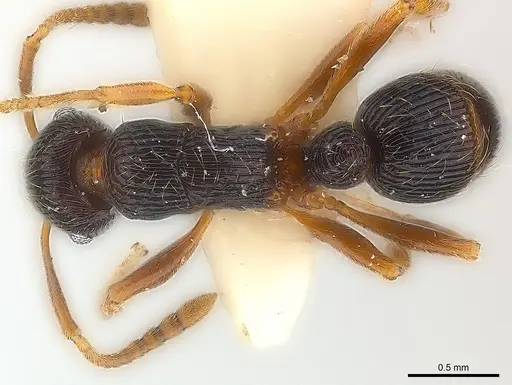
CASENT0179989
Bekijk op AntWeb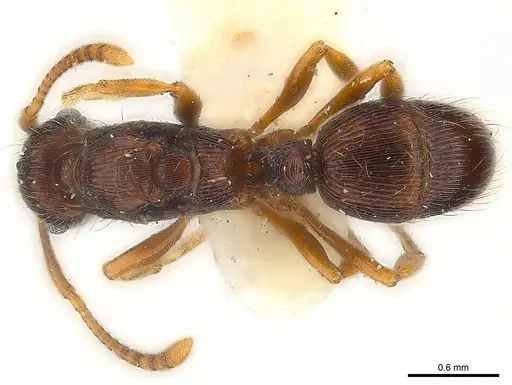
Literatuur
Verspreidingskaart laden...Producten laden...