
Holcoponera cribrata
- Wetenschappelijke naam
- Holcoponera cribrata
- Tribus
- Ectatommini
- Subfamilie
- Ectatomminae
- Auteur
- Emery, 1900
- Verspreiding
- Gevonden in 3 landen
Introductie
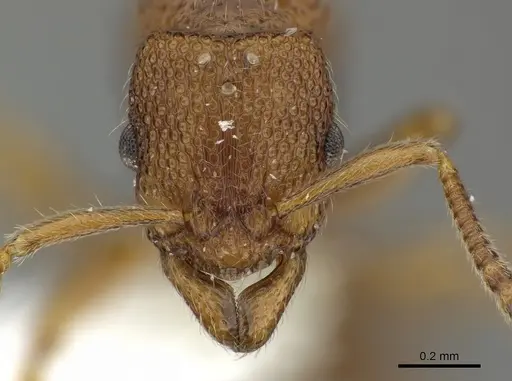
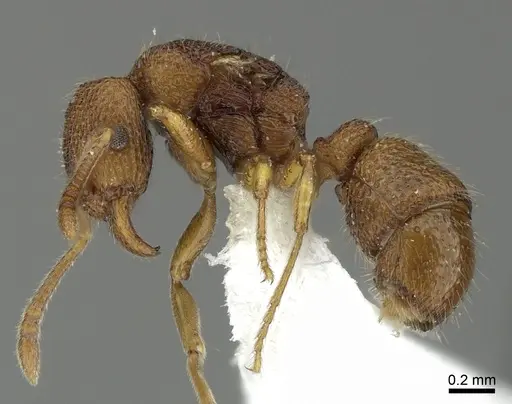
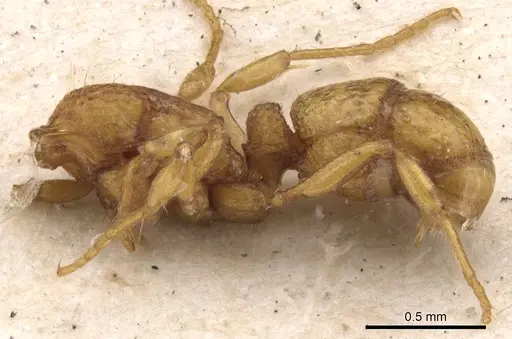
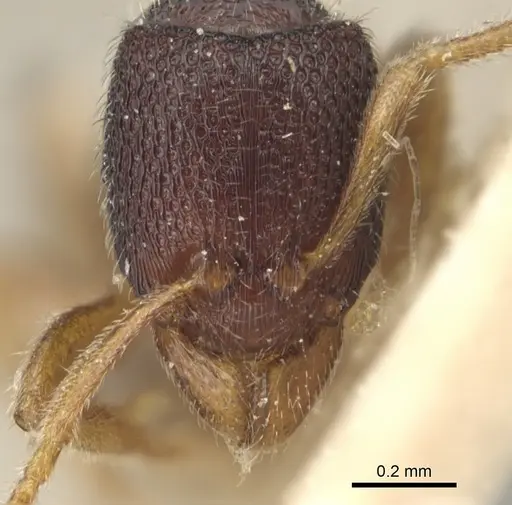
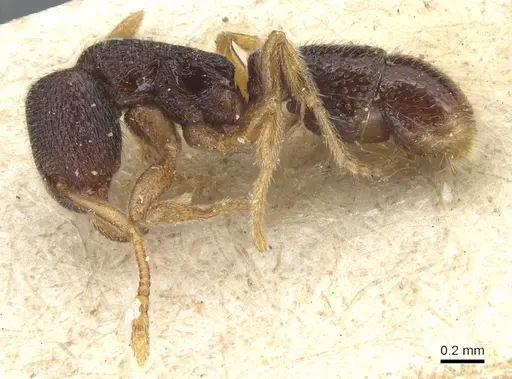
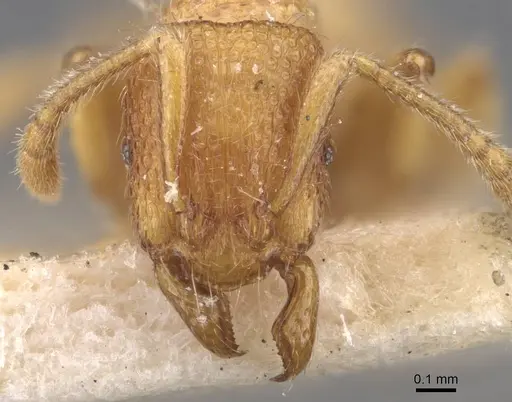
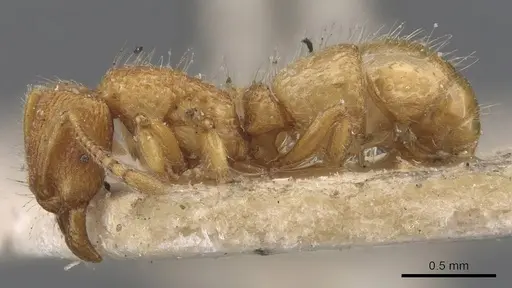
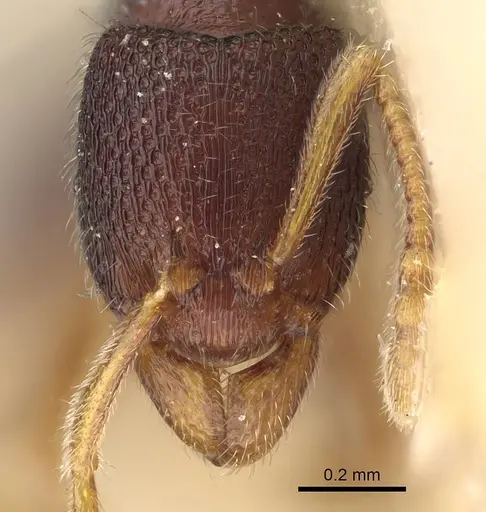
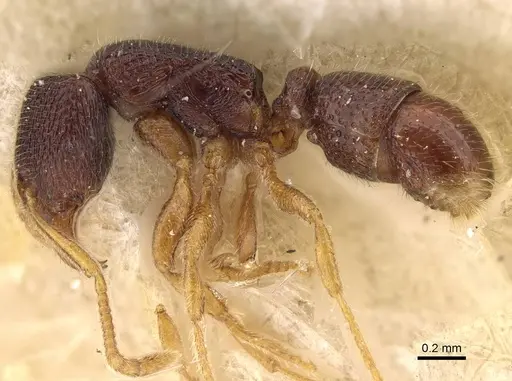
Holcoponera cribrata is a small predatory ant from the Ectatomminae subfamily, found across Southeast Asia and New Guinea including Borneo, Indonesia, Malaysia, Philippines, Singapore, Thailand, and Papua New Guinea . Workers are tiny ants with a dark brown body and reddish-brown mandibles and antennae. The species is notable for extremely small colony sizes averaging just 27 workers, and its unusual reproductive biology - both queens and workers have only two ovarioles (one per ovary), the smallest number known in ant queens . Colonies are monogynous with a single dealate queen, and the species shows fascinating behaviors including larval hemolymph feeding by the queen and workers cutting open cocoons to remove meconium before emergence .
Quick Summary
- Difficulty: Medium
- Origin & Habitat: Southeast Asia and New Guinea, found in forested areas beneath logs, in bamboo leaf mold, and soil cores [1][2]
- Colony Type: Monogynous, single queen colonies with an average of 27 workers (range 6-45) [2]
- Size & Growth:
- Queen: Size data unavailable, inferred from Gnamptogenys genus (~5-7mm)
- Worker: Size data unavailable, inferred from Gnamptogenys genus (~4-6mm)
- Colony: Average 27 workers, maximum around 45 workers in wild colonies [2]
- Growth: Slow
- Development: Unknown, no direct development data exists (Limited by only 2 ovarioles in queens, meaning very few eggs can be produced at once. Larvae spin cocoons before pupation [2].)
- Antkeeping:
- Temperature: Keep warm around 24-28°C, this is a tropical Southeast Asian species. A gentle temperature gradient is recommended.
- Humidity: Maintain moderate to high humidity (60-80%). Keep the nest substrate consistently moist but not waterlogged. These ants live in forest floor environments under stones and logs.
- Diapause: No, as a tropical species from Southeast Asia and New Guinea, they do not require hibernation [1]
- Nesting: Natural nesting occurs under stones and in soil. In captivity, a small test tube setup or Y-tong nest works well. Keep nesting area dark and quiet. The tiny colony size means you don't need large spaces, tight, appropriately-sized chambers are better.
- Behavior: Workers forage individually but will recruit nestmates when finding large prey. They are predatory, using their stinger to subdue prey. Workers are not aggressive toward humans but will defend the nest. The stinger is extremely small and unlikely to penetrate human skin [3]. Escape risk is moderate, their small size means they can slip through small gaps, but small colony sizes make them manageable.
- Common Issues: small colony size means slow growth, don't expect rapid expansion, limited reproductive capacity (only 2 ovarioles) means colonies grow very slowly, queenless colonies may have workers lay eggs that don't develop, this is normal but frustrating for keepers hoping to propagate, tiny size requires good escape prevention despite being non-aggressive, humidity must be maintained, drying out can be fatal in captive setups
Nest Preferences and Setup
In the wild, Holcoponera cribrata nests under stones and in soil, often in forested areas with leaf litter [2]. They prefer dark, humid microhabitats that stay relatively stable. For captive keeping, a small test tube setup works well for founding colonies. The tiny colony size (averaging 27 workers) means you don't need large formicariums, a small Y-tong or soil nest with appropriately-sized chambers is ideal. Keep the nest area dark and place it in a quiet location away from vibrations. The substrate should remain consistently moist but never waterlogged. A small water reservoir connected to the nest helps maintain humidity. Because they're from tropical forests, they benefit from gentle misting of the outworld and occasional moisture additions to the nest.
Feeding and Diet
This is a predatory ant species, the stable isotope data shows a high δ15N value of 7.70,confirming they feed primarily on other small invertebrates [4]. Workers forage individually and will recruit nestmates when they find large prey that cannot be carried alone [2]. In captivity, offer small live prey such as fruit flies, pinhead crickets, small mealworms, and other tiny insects. They likely accept protein-based foods much more readily than sugar. The queen shows larval hemolymph feeding, she bites larvae and licks the hemolymph that leaks from wounds, this is a normal behavior where larvae are not harmed [2]. Workers also cut the tips off cocoons to remove meconium (waste from pupal stage), which appears necessary for proper development [2]. Feed small prey items 2-3 times per week, adjusting based on how quickly the colony consumes them. Remove uneaten prey to prevent mold.
Temperature and Seasonal Care
As a tropical species from Southeast Asia and New Guinea, Holcoponera cribrata requires warm temperatures. Aim for 24-28°C in the nest area. A heating cable on one side of the nest can create a gentle gradient, allowing the ants to regulate their temperature by moving between warmer and cooler areas. Room temperature in most homes (20-24°C) may be too cool, consider using a small heat mat or placing the nest on a warm surface. There is no documented diapause or winter dormancy requirement for this species. They are adapted to year-round warm, humid conditions in their native habitat. Watch for signs of discomfort, if workers cluster persistently away from heat sources, the nest may be too warm, if they become sluggish, it may be too cool. Maintain stable temperatures rather than allowing fluctuations. [1]
Reproduction and Colony Growth
Holcoponera cribrata has remarkably limited reproductive capacity compared to most ants. Both queens and workers have only two ovarioles (one per ovary), the smallest number ever documented in ant queens [2]. This means the queen can only produce a very small number of eggs at once, contributing to the small colony sizes. Queens lay eggs that develop into workers, while workers in queenless conditions lay trophic eggs (smaller, non-developmental eggs) or eggs that resemble queen eggs but fail to develop into larvae [2]. This explains why orphaned colonies rarely succeed in captivity. The queen also practices larval hemolymph feeding, biting larvae to feed on their blood, this behavior is shared with a few other ectatommine species and appears to provide nutrition for the queen during egg-laying [2]. Colony growth will be slow, expect months between the first workers and a modest colony of 20-30 workers.
Behavior and Defense
Workers are small but active predators. They forage individually during the day, searching for small invertebrates in leaf litter and soil. When a worker finds large prey that cannot be carried alone, it returns to the nest and recruits help, workers cooperate to subdue and transport prey back to the nest [2]. The stinger is present but extremely small and unlikely to be felt by humans [3]. Workers are not particularly aggressive and will typically flee rather than attack when the nest is disturbed. However, they will defend their brood and queen if threatened. The most notable defensive behavior is how workers cut open cocoons to remove meconium, this appears necessary for pupal survival and is observed in all wild and lab colonies [2]. The colony's small size makes them relatively easy to handle, but their slow growth requires patience.
Frequently Asked Questions
How long does it take for Holcoponera cribrata to produce first workers?
The exact egg-to-worker timeline is unconfirmed. The limited ovariole count (only 2) means the queen produces very few eggs at once, slowing colony growth significantly.
Can I keep multiple Holcoponera cribrata queens together?
No. This species is monogynous, colonies naturally have only one queen. While one wild colony was found with three dealate queens, only one was mated and reproductive. Combining unrelated queens is not recommended and would likely result in fighting.
Do Holcoponera cribrata ants sting?
They possess a stinger but it is extremely small and unlikely to penetrate human skin. These ants are not considered dangerous to humans and are not aggressive defenders.
What do Holcoponera cribrata eat?
They are predatory ants that hunt small invertebrates. Feed small live prey like fruit flies, pinhead crickets, small mealworms, and other tiny insects. Sugar sources are unlikely to be accepted, they are strict predators.
Why did my queenless colony stop producing workers?
This is normal behavior. When the queen dies, workers may lay eggs, but these eggs do not develop into larvae in this species. Workers can only lay trophic eggs (when a queen is present) or non-viable eggs (queenless). The colony cannot replace its queen without a new mated queen being introduced.
Are Holcoponera cribrata good for beginners?
They are moderate difficulty. The main challenges are their slow growth (limited by only 2 ovarioles), small colony size, and specific humidity/temperature needs. They require patience and careful attention to housing conditions. However, they are not aggressive and don't require special escape prevention beyond standard measures.
How big do Holcoponera cribrata colonies get?
Wild colonies average only 27 workers, with a maximum of around 45 workers [2]. This is one of the smallest colony sizes known in ants. Don't expect large, impressive colonies, these remain modest even at maturity.
Do Holcoponera cribrata need hibernation?
No documented diapause exists. As a tropical species from Southeast Asia and New Guinea, they do not require winter hibernation. However, they may reduce activity during cooler periods and benefit from stable warm temperatures year-round.
Why do workers cut the cocoons?
This is essential for pupal development. Workers always cut off the tip of cocoons and remove the meconium (waste from the pupal stage) before adult emergence. Without this, pupae die. This behavior is normal and necessary, do not interfere with cocoons in the nest.
When should I move Holcoponera cribrata to a formicarium?
Wait until the colony reaches at least 15-20 workers. The small colony size means they can remain in a test tube setup longer than faster-growing species. A small Y-tong or soil nest with appropriately-sized chambers works well. They prefer tight, humid spaces over large open areas.
Report an Issue
The current care sheet is based fully on literature. See inconsistencies, or something that's incorrect? Please , it will be resolved after review from an admin. Contributing to the blogs tab also helps providing information, to make us be able to further improve the caresheets. Thank you for your support!
References

Dit verzorgingsblad is gelicentieerd onder CC BY-SA 4.0 .
Community-blogs
CASENT0616422
Bekijk op AntWeb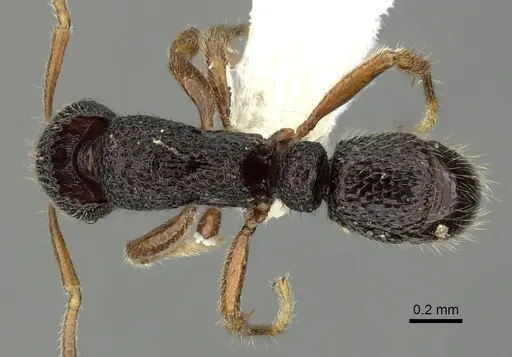
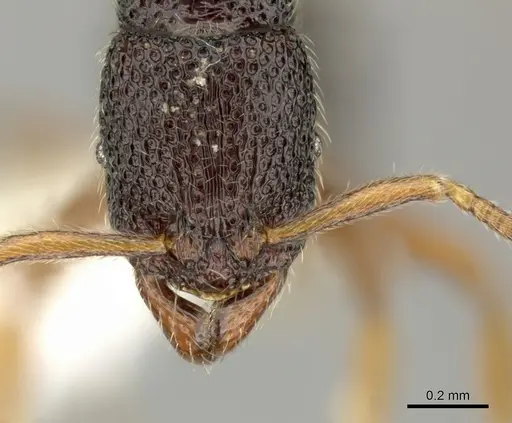
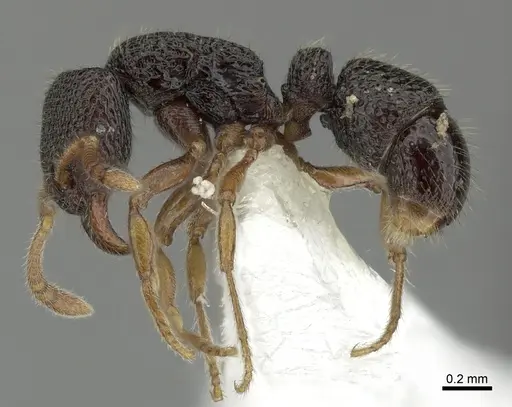
CASENT0616592
Bekijk op AntWeb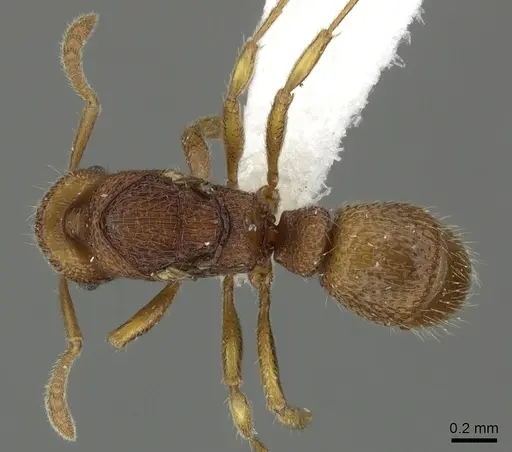
CASENT0900587
Bekijk op AntWeb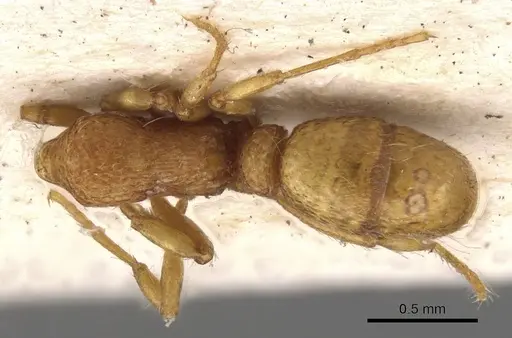
CASENT0903809
Bekijk op AntWeb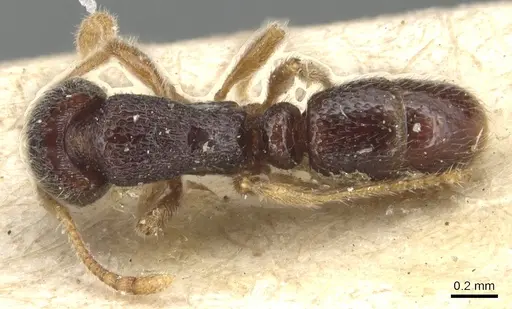
CASENT0907130
Bekijk op AntWeb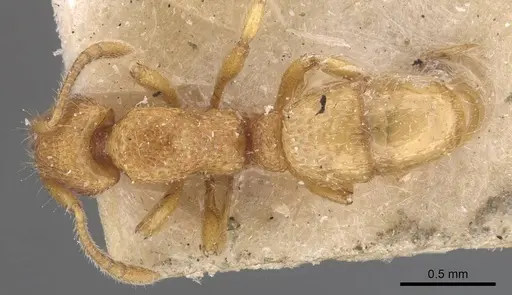
CASENT0922420
Bekijk op AntWeb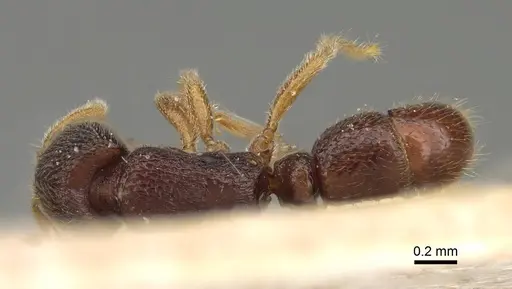
Literatuur
Verspreidingskaart laden...Producten laden...