
Echinopla dubitata
- Wetenschappelijke naam
- Echinopla dubitata
- Tribus
- Camponotini
- Subfamilie
- Formicinae
- Auteur
- Smith, 1862
- Verspreiding
- Gevonden in 0 landen
Introductie
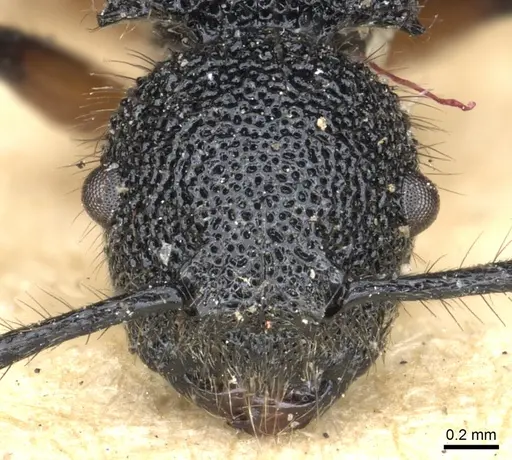
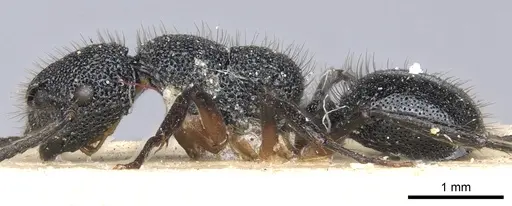
Echinopla dubitata is a slender, dark ant from the serrata species group within the subfamily Formicinae. Workers have a black body, blackish-brown mandibles, antennae, tibiae and tarsi, and brownish-yellow palpi, femora, and last two tarsal segments. They have long black standing setae (stiff hairs) and a shiny gaster with fine cribrate (pitted) surface. The petiole has a long spine on each side, and the metanotal groove is deeply impressed. Originally described from the Indonesian islands of Sulawesi, Ceram, Ternate, and Gilolo, this species is recorded from the Indomalaya region . Not much is known about this species in the antkeeping hobby. It belongs to a genus of spiny-petioled ants that are rarely kept. The weak appressed pilosity and prominent standing setae give workers a bristly look, unlike smoother Camponotus relatives.
Quick Summary
- Difficulty: Unknown, likely Medium to Hard
- Origin & Habitat: Tropical Indonesia (Sulawesi, Ceram, Ternate, Gilolo). Natural nesting habits are not documented, but related Echinopla species typically nest in rotting wood or under bark in forest habitats.
- Colony Type: Colony structure is unconfirmed. Based on genus patterns, likely monogyne (single queen) but this needs confirmation.
- Size & Growth:
- Queen: Unknown, no queen measurements available [2]
- Worker: Unknown, inferred from Echinopla genus (~6-8 mm) [2]
- Colony: Unknown, no data available. Related Echinopla species may reach several hundred workers.
- Growth: Unknown, no development data available
- Development: Unknown, estimated 6-8 weeks based on typical Formicinae patterns at tropical temperatures (No direct development data exists for this species. Estimates based on related Formicinae genera at 24-28°C.)
- Antkeeping:
- Temperature: Keep at 24-28°C (tropical range). A gentle gradient allowing workers to self-regulate is recommended.
- Humidity: Moderate to high humidity. Keep substrate consistently moist but not waterlogged.
- Diapause: Unlikely, being a tropical species from Sulawesi, they probably do not require a diapause period.
- Nesting: Based on genus patterns, likely prefers nesting in rotting wood or under bark. In captivity, a Y-tong (AAC) nest or plaster nest with some moisture retention works well for Formicinae. Provide a foraging area with access to sugar and protein sources.
- Behavior: Behavior is not well documented. As a Formicinae member, they likely have moderate aggression and may spray formic acid when threatened. Escape prevention should be moderate, their estimated size (~6-8mm) means standard barriers work well, but small gaps should still be sealed.
- Common Issues: no documented care information exists, all advice is inferred from genus and related species, tropical origin means they may be sensitive to temperature drops below 20°C, lack of colony size data makes it difficult to plan for long-term keeping, no confirmed diet preferences, likely accepts sugar and protein like related Formicinae, wild-caught colonies may carry parasites or diseases with no documented treatment protocols
Nest Preferences
The natural nesting behavior of Echinopla dubitata has not been directly documented. However, based on genus patterns and the fact that Echinopla species are typically found in forest habitats, they likely nest in rotting wood, under bark, or in similar protected microhabitats. In captivity, a Y-tong (AAC) nest or plaster formicarium with moderate humidity works well for Formicinae species. The nest should have chambers scaled to their worker size (estimated 6-8 mm). Provide a water reservoir to maintain humidity without over-wetting. A foraging area connected to the nest allows workers to access food. Given their tropical origin, ensure the nest is not in a location that experiences temperature drops below 20°C. [1][2]
Feeding and Diet
Diet preferences for Echinopla dubitata have not been studied. As a Formicinae species, they likely have a typical diet consisting of sugar sources (honey, sugar water, nectar) and protein (insects, mealworms, other small arthropods). Related Echinopla species are foragers that likely scavenge and hunt small invertebrates in their natural habitat. In captivity, offer a constant sugar source (honey water or raw honey) and protein prey 2-3 times per week. Remove uneaten prey after 24-48 hours to prevent mold. Fresh water should always be available. Start with sugar water and small protein items and observe acceptance before expanding their diet.
Temperature and Care
Being a tropical species from Sulawesi and surrounding Indonesian islands, Echinopla dubitata requires warm conditions. Maintain temperatures between 24-28°C for optimal colony activity and brood development. A heating cable on one side of the nest can create a temperature gradient, allowing workers to self-regulate by moving between warmer and cooler areas. Avoid temperatures below 20°C as this could stress or kill the colony. Room temperature within this range is acceptable if your home stays consistently warm. Monitor colony behavior, if workers become sluggish or cluster together, the temperature may be too low. High humidity (60-80%) should be maintained to simulate their tropical forest floor origin. [2][1]
Behavior and Temperament
Specific behavioral observations for Echinopla dubitata are not documented in scientific literature. As a Formicinae member, they likely possess moderate defensive capabilities and may use formic acid spraying when threatened, similar to related Camponotini tribe members. Workers are approximately 6-8 mm in size (inferred from genus), making them medium-sized ants that can be handled with reasonable care. Their escape risk is moderate, standard formicarium barriers work well, but ensure all connections are secure. The species has distinctive spines on the petiole, which may serve a defensive or species-recognition function. Activity levels are likely moderate, with workers foraging for food during daylight hours. Colonies should be kept in quiet locations away from vibrations and direct sunlight to minimize stress. [2]
Colony Founding
Colony founding behavior for Echinopla dubitata has not been documented. Based on typical Formicinae patterns, the queen likely seals herself in a chamber (claustral founding) and survives on stored fat reserves until her first workers emerge. The first workers (nanitics) are typically smaller than normal workers. If you acquire a founding queen, provide a small test tube setup with water reservoir, keep her in darkness, and do not disturb her for 4-8 weeks. Once workers emerge, you can begin offering minimal food. Do not expect rapid growth, founding colonies are vulnerable and require stable conditions.
Growth and Development
No specific development timeline data exists for Echinopla dubitata. Based on related Formicinae species in tropical environments, egg-to-worker development likely takes 6-8 weeks at optimal temperatures (24-28°C). Growth rate is estimated as moderate, faster than temperate species but not as rapid as some tropical specialists. Colony size in the wild is unknown, but related Echinopla species typically maintain colonies of several hundred workers. In captivity, expect slow initial growth during the founding phase (first 3-6 months), followed by gradual acceleration as the colony reaches 50+ workers. Patience is essential, tropical Formicinae are not fast growers compared to some Myrmicinae species.
Frequently Asked Questions
How long does it take for Echinopla dubitata to produce first workers?
The exact timeline is unknown, but based on typical Formicinae development at tropical temperatures (24-28°C), expect first workers in approximately 6-8 weeks after the queen lays eggs. The founding phase requires patience, do not disturb the queen during this period.
What do Echinopla dubitata ants eat?
Diet is not specifically documented, but as a Formicinae species, they likely accept sugar sources (honey, sugar water) and protein (insects, mealworms). Offer a constant sugar source and protein prey 2-3 times per week.
Do Echinopla dubitata ants need hibernation?
No. Being a tropical species from Sulawesi, they do not require hibernation or diapause. Keep them
Report an Issue
The current care sheet is based fully on literature. See inconsistencies, or something that's incorrect? Please , it will be resolved after review from an admin. Contributing to the blogs tab also helps providing information, to make us be able to further improve the caresheets. Thank you for your support!
References

Dit verzorgingsblad is gelicentieerd onder CC BY-SA 4.0 .
Community-blogs
CASENT0901881
Bekijk op AntWeb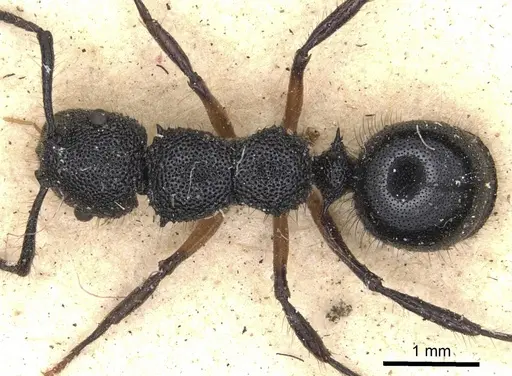
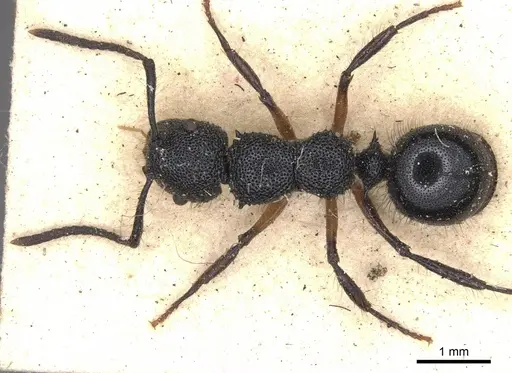
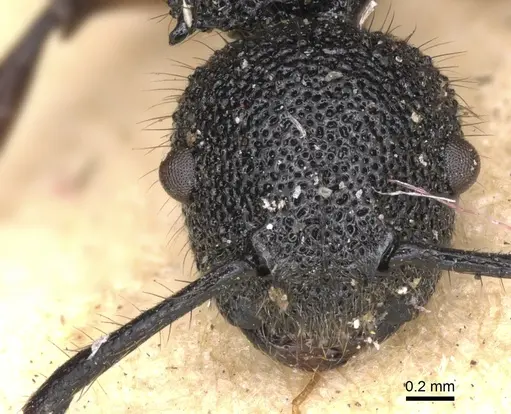
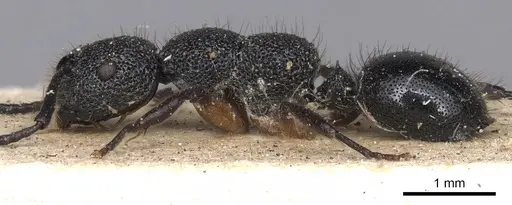
CASENT0903470
Bekijk op AntWeb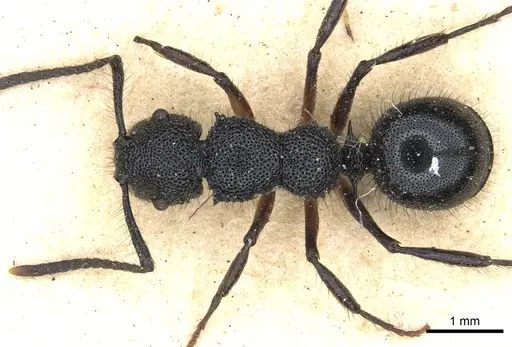
Literatuur
Verspreidingskaart laden...Producten laden...