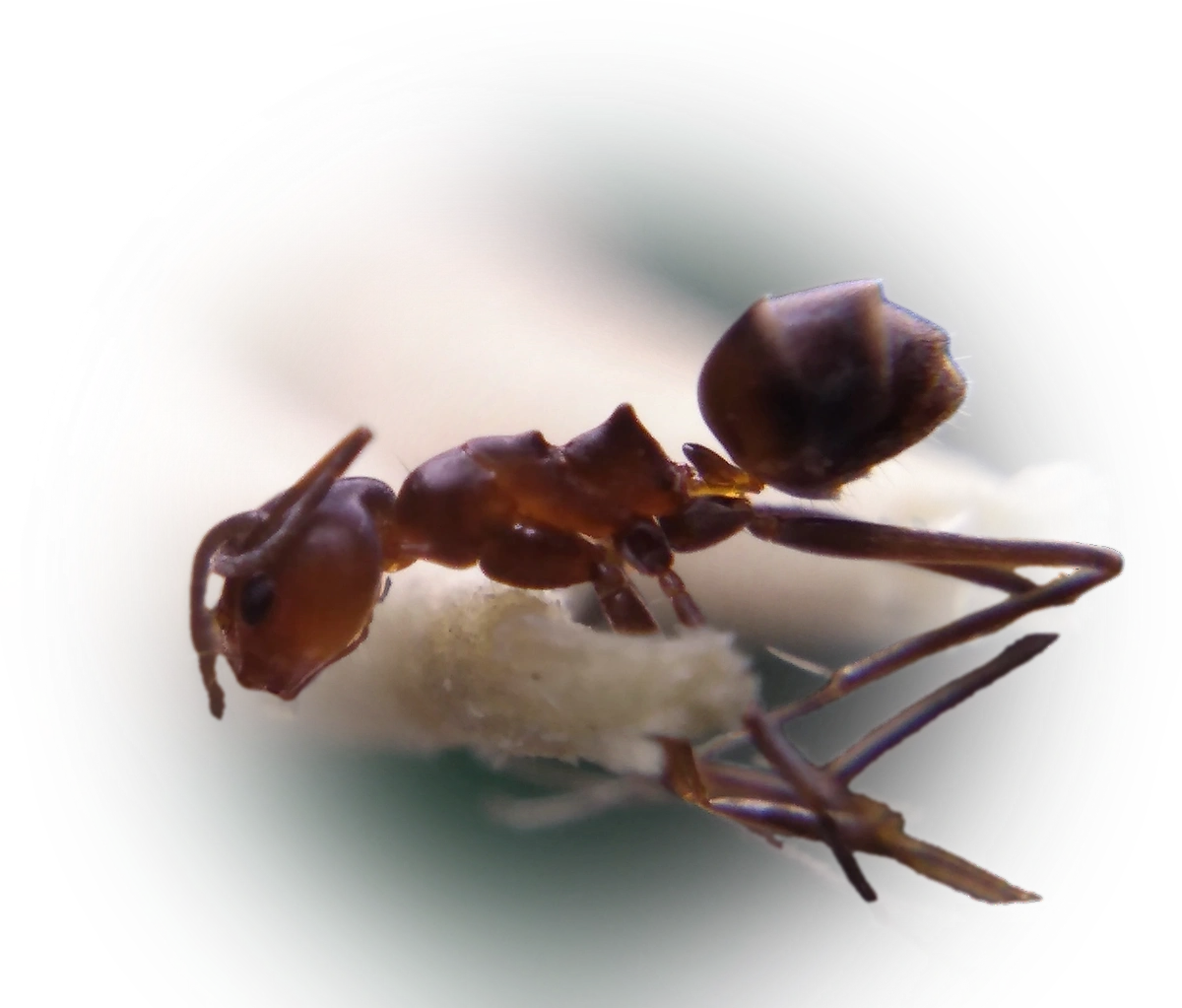
Dorymyrmex biconis
- Wetenschappelijke naam
- Dorymyrmex biconis
- Tribus
- Leptomyrmecini
- Subfamilie
- Dolichoderinae
- Auteur
- Forel, 1912
- Verspreiding
- Gevonden in 1 landen
Introductie
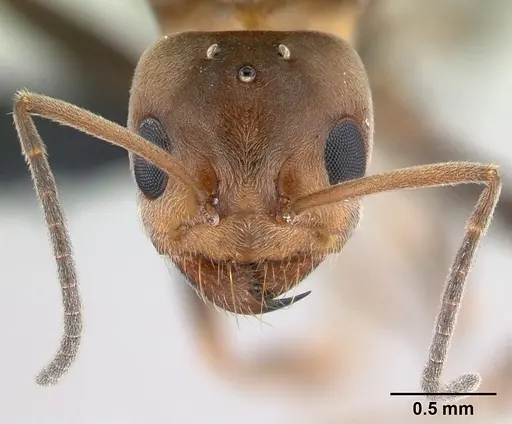
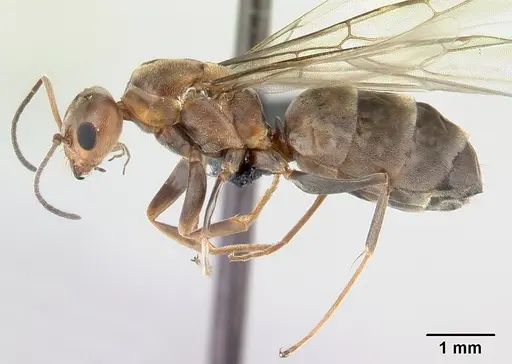
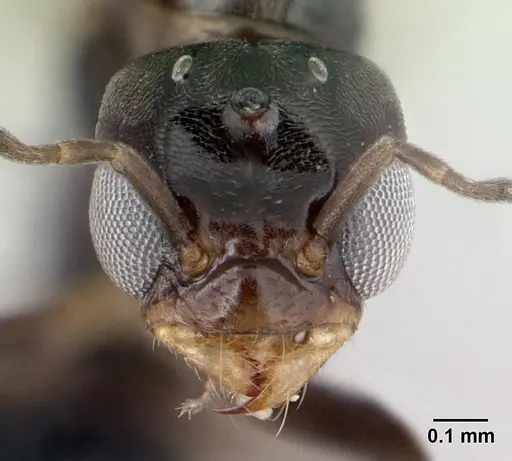
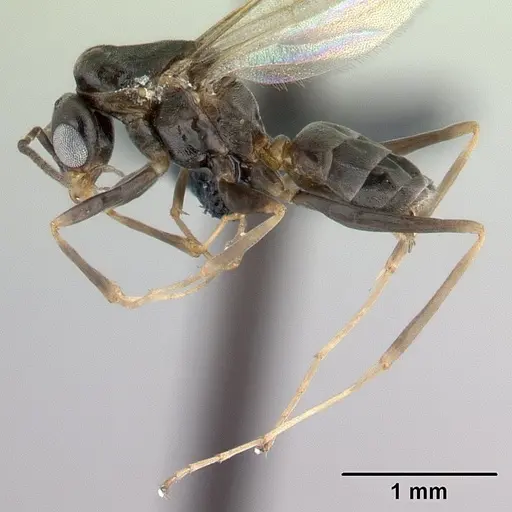
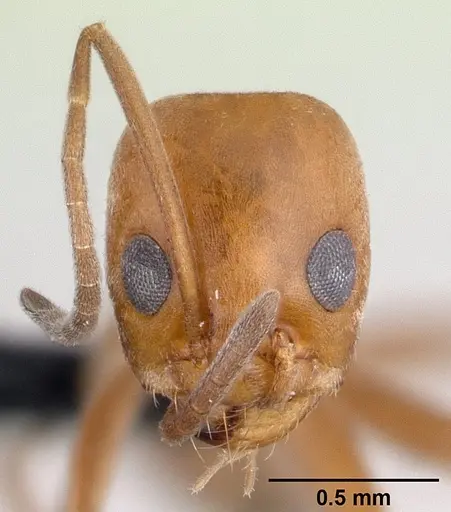
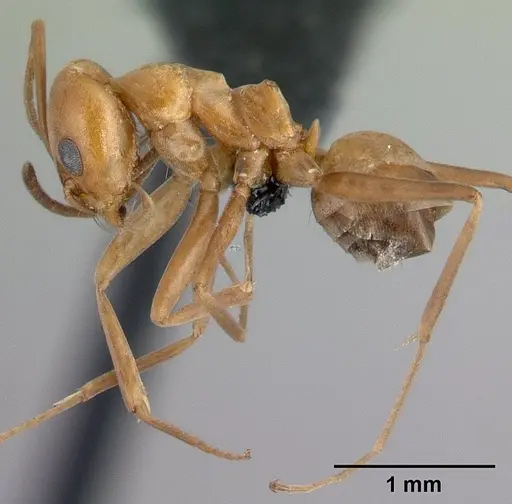
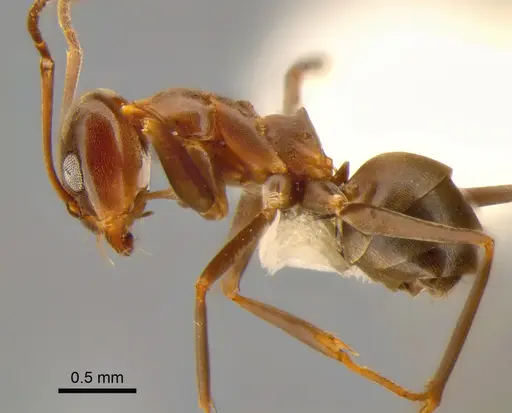
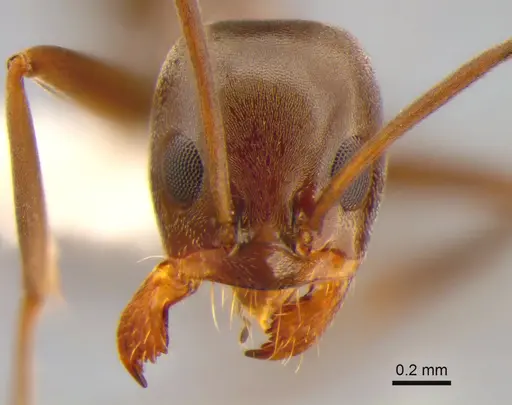
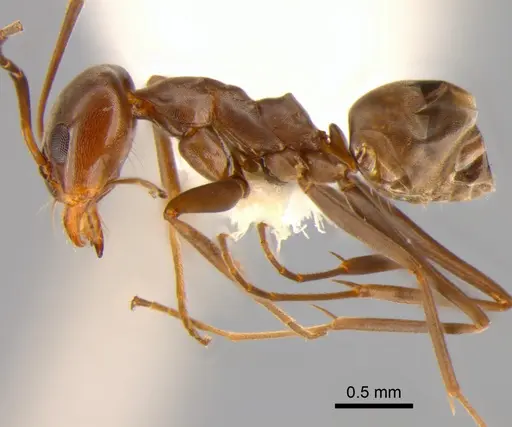
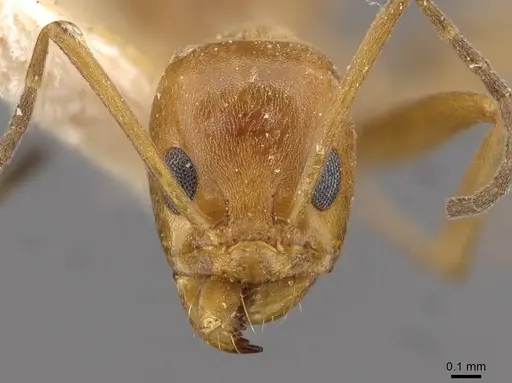
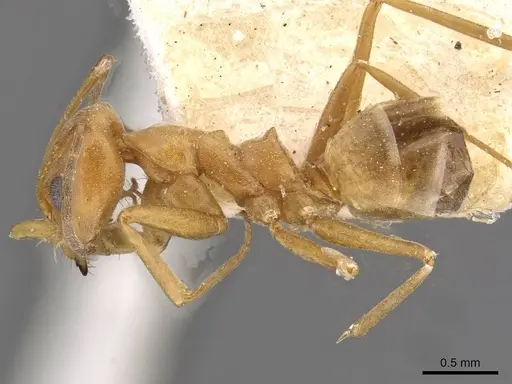
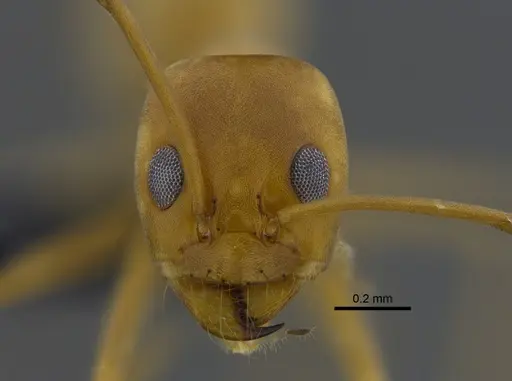
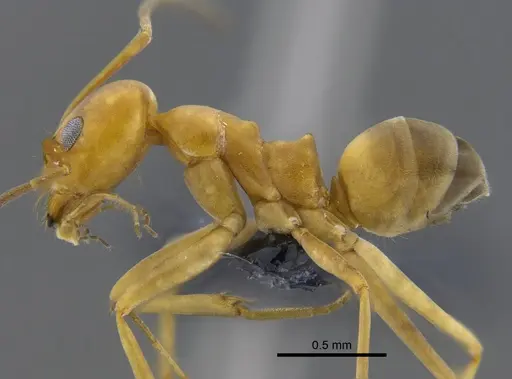
Dorymyrmex biconis is a small dolichoderine ant native to northern South America, found from Venezuela through Colombia and Peru into Brazil . Workers measure 2.8–3.0 mm and are uniformly reddish-brown with a distinctive feature: two prominent tubercles on the mesosoma (the middle body section) – one on the metanotum and another on the propodeum. This double-tubercle pattern makes them easily identifiable among Dorymyrmex species . Queens are darker in color but their total length has not been reported. These ants are highly adaptable, thriving from sea level to over 2300 m elevation, and are particularly common in disturbed urban areas across the Colombian Caribbean region . Colonies are polydomous, meaning they maintain multiple connected nests, with typical colonies containing 100–200 workers and multiple reproductive queens .
Quick Summary
- Difficulty: Easy
- Origin & Habitat: Northern South America – Venezuela, Colombia, Peru, and Brazil. Found from sea level to 2300 m elevation, more common in lowlands. Nests in warm, sunny soil areas devoid of vegetation, including urban environments, dry forests, and mangroves [1][3].
- Colony Type: Polydomous colonies with multiple queens – colonies can have 10–15 alate queens and maintain 2–3 nests within a 10 m² area. Only one nest typically contains reproductives while others are satellite nests [1][4].
- Size & Growth:
- Queen: Size data unavailable – total length not reported in literature. Queens are darker than workers but no TL measurement available [1].
- Worker: 2.8–3.0 mm total length (TL) [1]
- Colony: 100–200 workers typical, up to several hundred [1][4]
- Growth: Moderate – inferred from typical dolichoderine development patterns
- Development: 6–8 weeks (estimated based on related Dolichoderinae species, no direct study) (Development time is unconfirmed for this species. Related dolichoderines typically develop in 6–8 weeks at warm temperatures. Actual timing may vary.)
- Antkeeping:
- Temperature: Warm conditions typical of their tropical habitat. Keep at 24–30 °C with a heating cable on one side of the nest to create a gradient. Native to consistently warm regions [1].
- Humidity: Low to moderate. They nest in dry to moderately moist soil in warm areas. Allow the nest substrate to dry partially between waterings – aim for lightly damp conditions, not saturated [1].
- Diapause: No – as a tropical species, they do not need hibernation. Maintain warm temperatures year-round [1].
- Nesting: Use a dry, warm setup. A Y-tong (AAC) nest or plaster formicarium works well because it holds some humidity without staying wet. Provide a small sand area in the outworld for natural mound-building behavior. Avoid humid, damp setups [1].
- Behavior: Generally calm and non-aggressive. Workers are active foragers for sugary liquids and small insects. They lack a stinger and instead emit defensive chemicals from their anal gland (typical of Dolichoderinae). Moderate escape risk – workers are 3 mm, so standard barriers work, but check for gaps. Polydomous behavior is normal – they may establish satellite nests [1][4].
- Common Issues: colonies may refuse to establish in overly humid nests – provide dry, warm conditions., polydomous behavior means they may try to expand into multiple areas – give them space., as tropical ants, temperatures below 20 °C can slow or stop brood development., wild-caught colonies may have parasites – quarantine and observe new colonies.
Housing and Nest Setup
Dorymyrmex biconis does well in warm, relatively dry nest setups [1]. A Y-tong (AAC) nest or plaster formicarium works well – these materials hold humidity without becoming saturated [1]. The key is providing warmth (24–30 °C) and keeping the nest relatively dry. In the wild, they nest in soil devoid of vegetation in very warm areas [1]. Avoid damp, humid conditions. Provide a small sand area in the outworld where workers can exhibit their natural mound-building behavior – they create small sand mounds around their nest entrance in nature [1]. Test tube setups work for small colonies but may need upgrading as the colony grows. Escape prevention is moderate – workers are about 3 mm, so standard barriers work, but check for gaps regularly.
Feeding and Diet
These ants are omnivorous with a preference for sugary liquids [1]. Offer sugar water, honey, or diluted maple syrup as a constant carbohydrate source. For protein, provide small insects like fruit flies, small crickets, or mealworm pieces. In natural nests, researchers have found remains of Bruchidae beetles and dead thrips in food storage chambers, confirming they scavenge small insects [1]. Feed protein 2–3 times per week and keep sugar water available at all times. Remove uneaten prey after 24–48 hours to prevent mold.
Temperature Requirements
These are warm-climate ants that require temperatures in the 24–30 °C range for optimal activity and brood development [1]. They are native to tropical and subtropical regions of northern South America where temperatures are consistently warm [1]. In captivity, maintain a warm nest area using a heating cable placed on one side of the nest to create a gradient. This allows workers to regulate their own temperature by moving between warmer and cooler areas. Temperatures below 20 °C will slow their activity and may halt brood development entirely. Room temperature (around 22–24 °C) is acceptable but warmer is better for active growth.
Colony Structure and Behavior
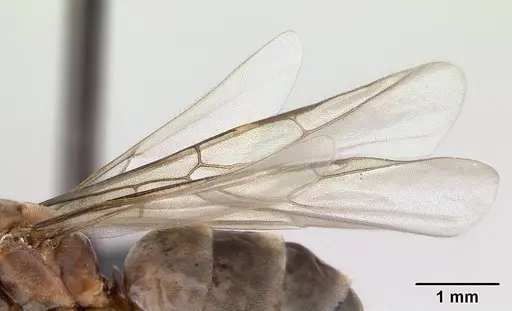
Dorymyrmex biconis has a polydomous colony structure – colonies maintain multiple nests connected by worker traffic. A single colony can have 2–3 nests within about 10 m², but only one nest contains the queens and reproductives, the others are satellite nests where workers live and may raise brood [1][4]. Queens can fly outside the main colony to establish new satellite nests, which explains the multiple-nest arrangement [1]. Colonies typically contain 10–15 alate (winged) queens,8–10 males, and 100–200 workers [1]. This multi-queen system is stable and natural – you do not need to separate queens. Workers are active foragers and will readily explore their outworld for food.
Unique Identification Features
The most distinctive feature of Dorymyrmex biconis is the pair of tubercles on its mesosoma. These are small raised bumps – one on the metanotum (pointing backward) and another on the propodeum (pointing upward) [1]. This double-tubercle pattern is shared with only a few related species (Dorymyrmex bituber, Dorymyrmex pulchellus, and Dorymyrmex tuberosus) [1]. Workers are uniformly reddish-brown and 2.8–3.0 mm long [1]. Queens are darker and larger (body length not recorded). Males are dark brown to black. The species can be identified by the mesosomal tubercles and the reddish-brown color.
Seasonal Care
As a tropical species from northern South America, Dorymyrmex biconis does not require hibernation or diapause [1]. Maintain warm temperatures year-round. They are active throughout the year in their native range and will remain active in captivity if kept warm. There is no specific data on nuptial flight timing – in the tropics, flights likely occur during warm, humid periods. If you have alate reproductives, provide them space to fly and consider providing a mating chamber or allowing them to fly in a secure area if you wish to attempt founding new colonies.
Frequently Asked Questions
How long does it take for Dorymyrmex biconis to produce first workers?
Development time is estimated at 6–8 weeks from egg to worker based on related Dolichoderinae species. No specific study exists for this species, so actual timing may vary. Provide warm temperatures (24–30 °C) to ensure fastest development.
Can I keep multiple Dorymyrmex biconis queens together?
Yes – this species naturally forms polydomous colonies with multiple queens. In the wild, colonies have 10–15 alate queens and maintain multiple connected nests. Queens may fly to establish satellite nests, which is normal behavior [1][4]. You do not need to separate queens.
What temperature do Dorymyrmex biconis need?
Keep them warm at 24–30 °C. These are tropical ants from northern South America. Use a heating cable on one side of the nest to create a gradient. Temperatures below 20 °C will slow or stop their activity [1].
How big do Dorymyrmex biconis colonies get?
Colonies typically reach 100–200 workers, with some colonies reaching several hundred workers. They are not among the largest ant species but maintain stable colony sizes through their polydomous structure [1][4].
What do Dorymyrmex biconis eat?
They are omnivorous with a preference for sugary foods. Offer sugar water, honey, or maple syrup constantly. For protein, provide small insects like fruit flies, small crickets, or mealworm pieces. They will also scavenge insect remains in their nest [1].
Are Dorymyrmex biconis good for beginners?
Yes – they are considered easy to keep. They are adaptable, tolerate a range of conditions, and have moderate colony sizes. The main requirements are warm temperatures and relatively dry nesting conditions. Their polydomous nature means you do not need to worry about queen management [1].
What type of nest should I use for Dorymyrmex biconis?
A Y-tong (AAC) nest or plaster formicarium works well. They prefer warm, dry conditions – avoid setups that stay constantly humid. Provide a small sand area in the outworld for natural mound-building behavior. Test tubes work for founding colonies [1].
Do Dorymyrmex biconis need hibernation?
No – as a tropical species, they do not require hibernation. Maintain warm temperatures year-round. They are active throughout the year in their native tropical habitat [1].
Why are my Dorymyrmex biconis making multiple nests?
This is normal behavior – Dorymyrmex biconis is polydomous, meaning colonies naturally maintain multiple connected nests. Workers may establish satellite nests while the main colony stays with the queen. This is not a problem and is actually healthy colony behavior [1][4].
Report an Issue
The current care sheet is based fully on literature. See inconsistencies, or something that's incorrect? Please , it will be resolved after review from an admin. Contributing to the blogs tab also helps providing information, to make us be able to further improve the caresheets. Thank you for your support!
References

Dit verzorgingsblad is gelicentieerd onder CC BY-SA 4.0 .
Community-blogs
CASENT0179483
Bekijk op AntWeb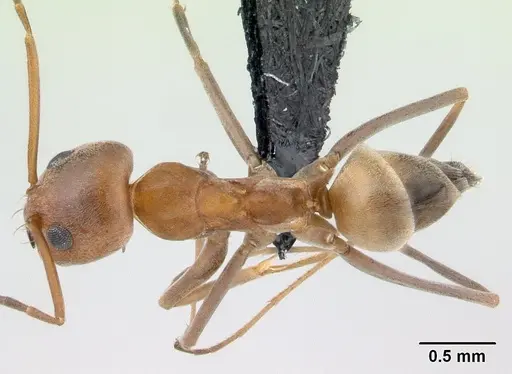
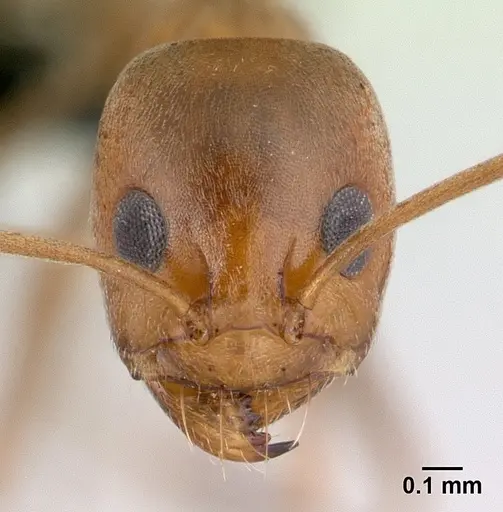
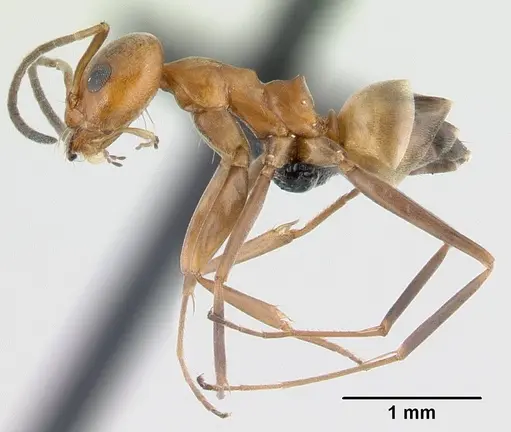
CASENT0192694
Bekijk op AntWeb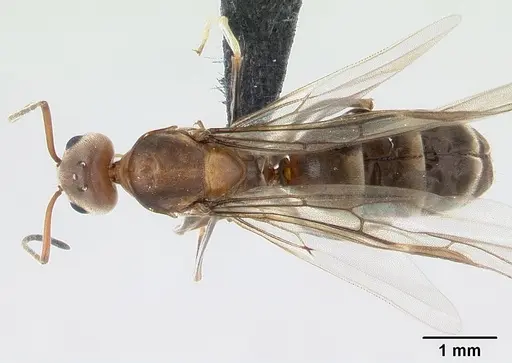
CASENT0192695
Bekijk op AntWeb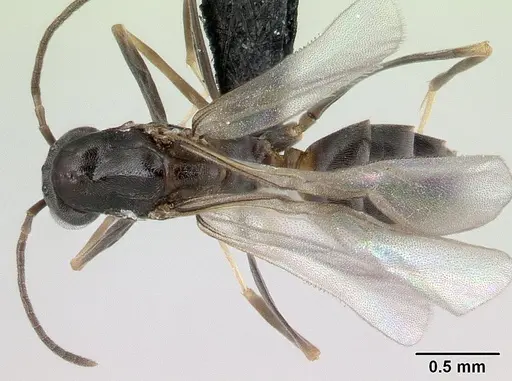
CASENT0192696
Bekijk op AntWeb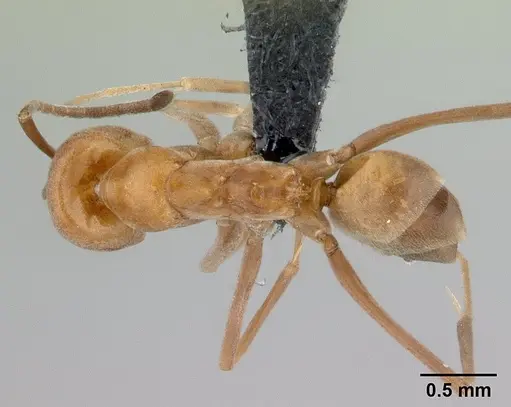
CASENT0249688
Bekijk op AntWeb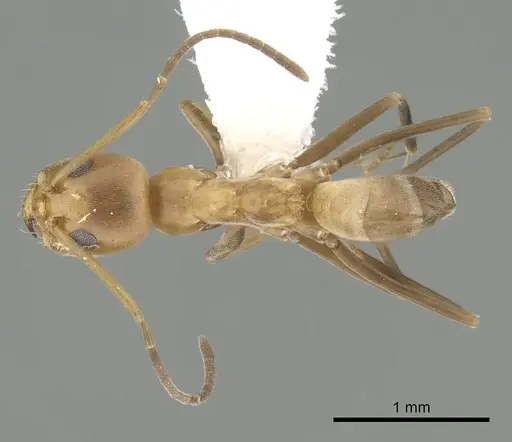
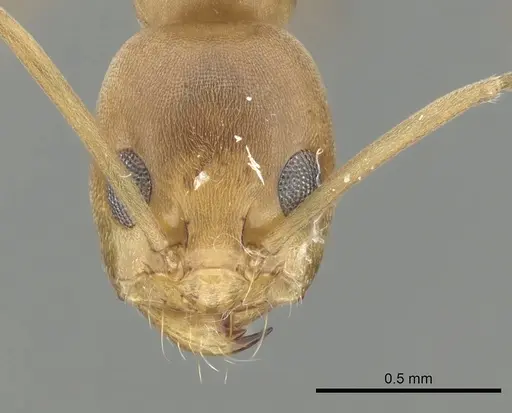
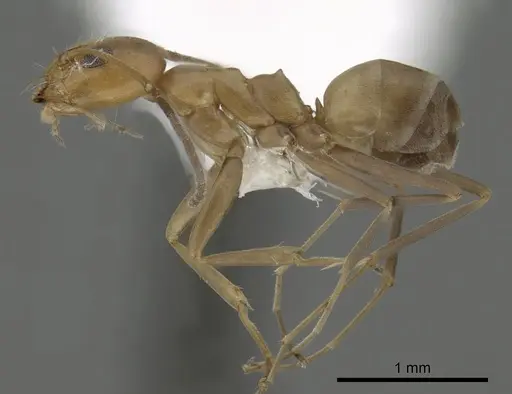
CASENT0841204
Bekijk op AntWeb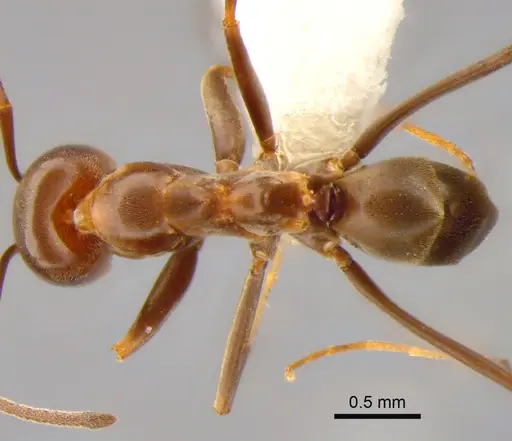
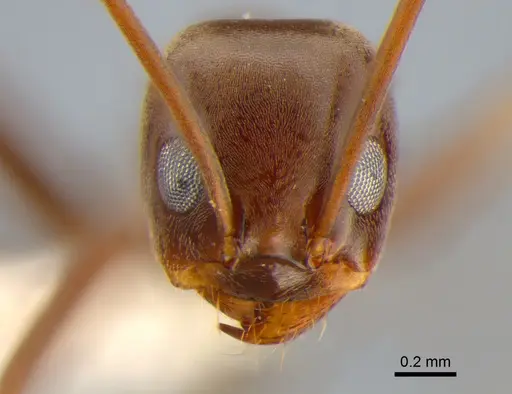
CASENT0843419
Bekijk op AntWeb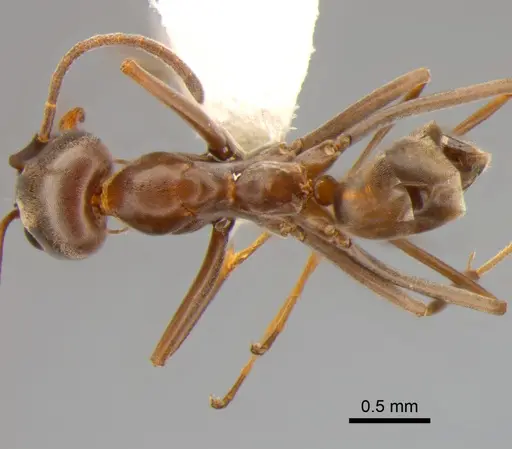
CASENT0909730
Bekijk op AntWeb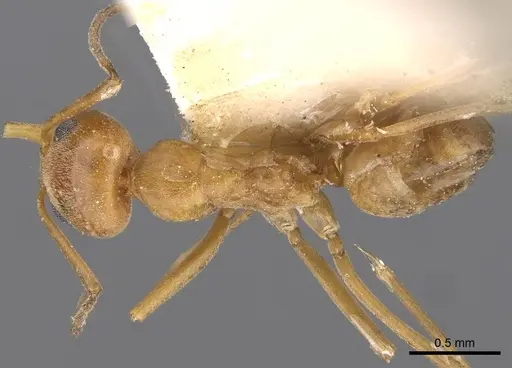
CBUMAGENT41879
Bekijk op AntWeb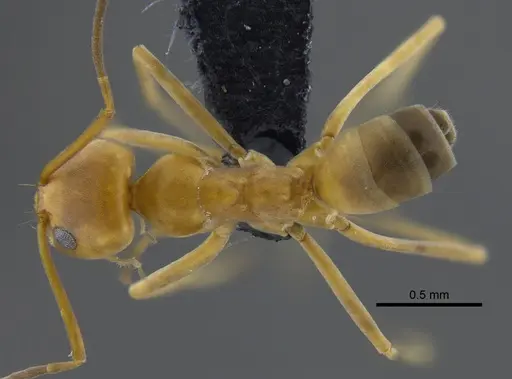
Literatuur
Verspreidingskaart laden...Producten laden...