
Crematogaster hazolava
- Wetenschappelijke naam
- Crematogaster hazolava
- Tribus
- Crematogastrini
- Subfamilie
- Myrmicinae
- Auteur
- Blaimer, 2013
- Verspreiding
- Gevonden in 1 landen
Introductie
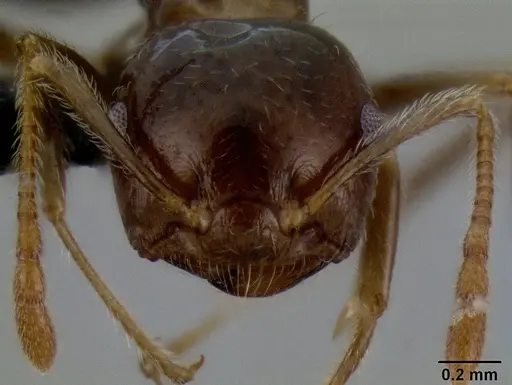
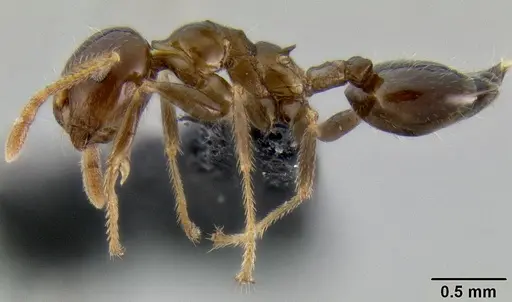
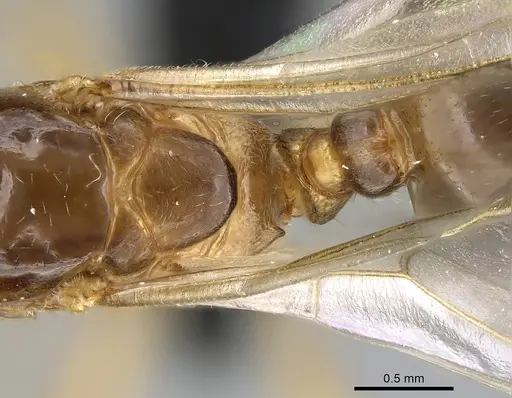
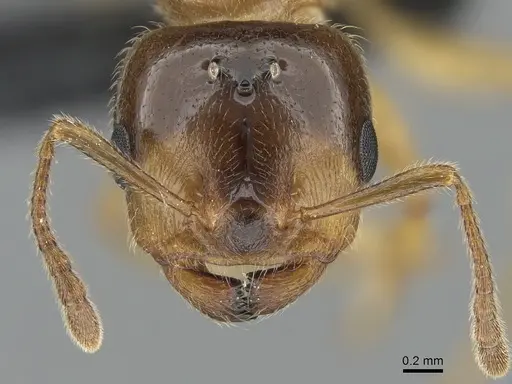
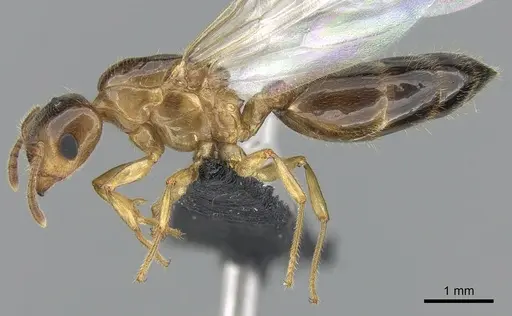
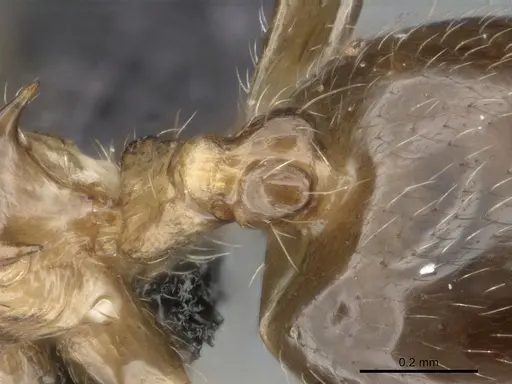
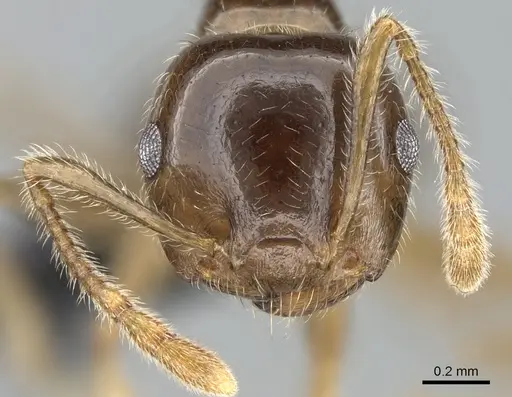
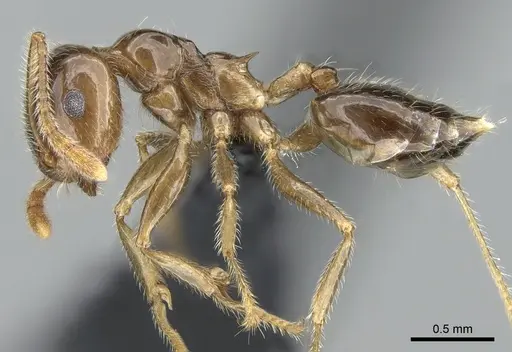
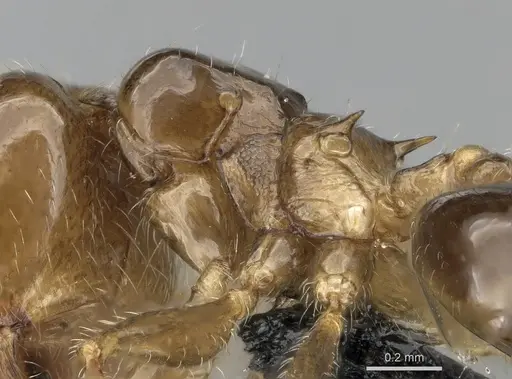
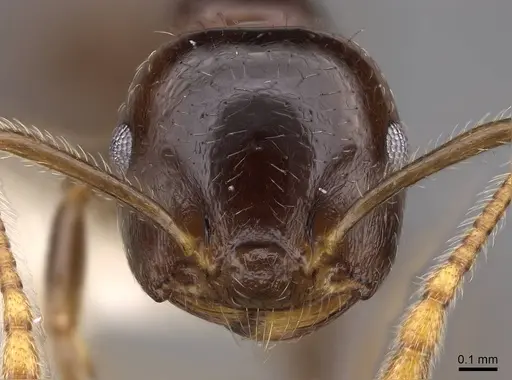
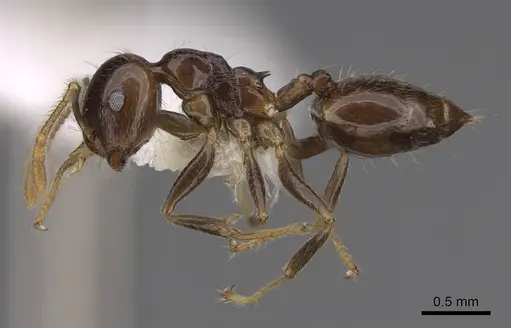
Crematogaster hazolava is a very small ant species native to the humid forests of eastern Madagascar. Workers are tiny, measuring approximately 2-3mm in total length, with a distinctive median longitudinal stripe on the postpetiole that helps identify them. They come in two color forms: brown or yellow. The species belongs to the Crematogaster kelleri group and gets its name from 'hazola', meaning 'tall tree' in Malagasy - a perfect description of their arboreal lifestyle. These ants nest exclusively in dead twigs, branches, and sometimes under bark, typically found 6 meters or more above ground in rainforest canopies [AntWiki]. What makes C. hazolava particularly interesting is their specialized arboreal nesting and the challenges that come with it in captivity. They occur across a wide altitudinal range from 20-1300m, but always within humid forest environments. The species lives alongside close relatives like Crematogaster madagascariensis and Crematogaster kelleri, though they tend to be found in lower numbers when competing for the same arboreal spaces [AntWiki].
Quick Summary
- Difficulty: Medium
- Origin & Habitat: Eastern Madagascar humid forests, from littoral zones to mid-elevation rainforests (20-1300m altitude). Found in protected areas like R.N.I. Betampona and P.N. Ranomafana [1][2].
- Colony Type: Single-queen colonies. Queens are small compared to related species. Colonies are relatively small, typically nesting in single dead twigs or branches [1][2].
- Size & Growth:
- Queen: ~3-4mm total length, inferred from Crematogaster genus
- Worker: ~2-3mm total length, inferred from Crematogaster genus
- Colony: Small colonies based on arboreal twig-nesting behavior
- Growth: Moderate, based on small colony sizes typical of arboreal twig nesters
- Development: Development time unconfirmed for this species (No specific studies exist for this species. Tropical arboreal species typically develop faster than temperate species.)
- Antkeeping:
- Temperature: Keep at 24-28°C. These are tropical forest ants adapted to warm, stable conditions. A gentle temperature gradient allows them to self-regulate.
- Humidity: High humidity required. Their natural habitat is humid rainforest, the nest substrate should stay consistently moist but not waterlogged. Mist the outworld regularly and provide a water source.
- Diapause: No, as a tropical species from Madagascar, they do not require hibernation. Keep them at stable warm temperatures year-round.
- Nesting: Arboreal nesters need tight, enclosed spaces mimicking their natural twig nests. Y-tong (AAC) nests or plaster nests with narrow chambers work well. Provide twigs or branches in a naturalistic setup for them to colonize. They prefer dark, enclosed spaces [1].
- Behavior: Crematogaster ants are known for their characteristic heart-shaped gaster that they can raise and curl over their body when threatened. C. hazolava is relatively calm but will use this defensive display and may emit a chemical alarm. They are arboreal foragers, actively searching for honeydew and small prey in the canopy. Workers are small but agile climbers, ensure your setup has smooth barrier edges to prevent escapes. They are not aggressive toward keepers but will defend their nest vigorously [2].
- Common Issues: escape prevention is critical, their small size means they can squeeze through tiny gaps, dry conditions quickly lead to colony collapse, monitor humidity closely, arboreal nesting means they need vertical space and climbing surfaces, small colony size makes them vulnerable to stress, avoid frequent disturbances, wild-caught colonies may carry parasites that can devastate captive populations
Nest Preferences and Housing
Crematogaster hazolava is an obligate arboreal nester, in the wild, they exclusively colonize dead twigs and branches hanging in the rainforest canopy, typically found 6 meters or more above ground. They occasionally nest under bark, but never in soil. This has major implications for captive care: they need enclosed, vertical spaces that mimic their natural twig homes. Y-tong (AAC) nests work well because they provide the dark, tight chambers these ants prefer. Plaster nests with appropriately scaled chambers are another good option. For a naturalistic setup, you can provide actual dead twigs or small branches anchored vertically, the ants will readily colonize them. The key is providing tight, enclosed spaces with multiple chambers connected by narrow passages. Avoid open, exposed areas, these ants feel safest in the dark interior of enclosed nests. Ensure the nest area stays humid while the outworld can be slightly drier [1][2].
Feeding and Diet
Like most Crematogaster species, C. hazolava is an omnivore with a strong sweet tooth. In nature, they tend honeydew from sap-sucking insects and will also hunt small prey. For captive colonies, offer sugar water or honey as a constant energy source, they'll readily accept it. For protein, provide small live or frozen prey like fruit flies, pinhead crickets, or small mealworms. Given their tiny worker size, prey items should be appropriately scaled. Feed protein regularly for established colonies, and offer sugar sources constantly. Remove uneaten prey after 24 hours to prevent mold. These ants are active foragers who will send workers out to collect food, so ensure they have easy access to feeding stations.
Temperature and Humidity Management
As tropical rainforest ants from eastern Madagascar, C. hazolava requires warm and humid conditions. Keep the nest area at 24-28°C, this is warmer than most room temperatures, so you'll likely need a small heating cable or mat on one side of the nest to maintain these temperatures. Create a gentle temperature gradient so workers can move between warmer and cooler areas. Humidity is critical: aim for high humidity in the nest area. The substrate should feel consistently moist but never waterlogged. Mist the outworld regularly and provide a water test tube as a permanent water source. These ants are sensitive to drying out, if the nest becomes too dry, brood development will slow or stop, and workers may abandon the nest. Monitor condensation on the nest walls as a visual indicator of adequate humidity.
Behavior and Colony Dynamics
Crematogaster hazolava displays the classic Crematogaster defensive behavior: when threatened, workers raise their heart-shaped gaster and curl it over their body, potentially dripping or dabbing opponents with formic acid. This is their primary defense mechanism as part of the Myrmicinae subfamily. They are not particularly aggressive toward keepers but will vigorously defend their nest. Colonies grow relatively slowly compared to ground-nesting ants, this is typical for arboreal species that start in small twig nests. The queen lays eggs continuously once established, but colony size remains moderate because they don't expand into large underground networks. Workers are active foragers who will patrol the outworld searching for food. Their small size makes them excellent climbers, but also means they can escape through tiny gaps, use fluon or other barriers on smooth surfaces and ensure all openings are sealed [2].
Acquiring and Establishing Colonies
C. hazolava is not commonly available in the antkeeping hobby, as it's a recently described species with a limited natural range in Madagascar. If available, colonies are typically wild-caught or from specialized breeders. When acquiring a colony, inspect for parasites, wild-caught Crematogaster colonies can harbor mites or other pests that may kill your colony in captivity. Quarantine new colonies and observe for a few weeks before introducing them to any existing setups. For founding colonies, provide a small test tube setup with high humidity and keep it warm. Once workers emerge, you can gradually introduce them to a larger setup. Be patient, these small arboreal ants grow more slowly than many common species [1].
Frequently Asked Questions
Can I keep Crematogaster hazolava in a test tube?
Yes, test tubes work well for founding colonies. Keep the water reservoir filled and maintain high humidity around the tube. Once the colony reaches 20-30 workers, consider moving them to a Y-tong or plaster nest that better accommodates their arboreal nesting preferences.
What do Crematogaster hazolava ants eat?
They are omnivores that accept sugar sources (honey, sugar water) and small protein prey (fruit flies, springtails, tiny crickets). Offer sugar constantly and protein regularly.
How long does it take for first workers to appear?
Development time is unconfirmed for this species. Tropical arboreal species typically develop faster than temperate species.
Do Crematogaster hazolava ants sting?
They don't sting, but they have a defensive mechanism, they raise their heart-shaped gaster and can dab formic acid on threats. This is more of a chemical defense than a physical one.
Are Crematogaster hazolava good for beginners?
This is a medium-difficulty species. They're not the hardest to keep, but their arboreal nature and humidity requirements make them better suited for keepers who already have some experience with tropical species.
Do Crematogaster hazolava need hibernation?
No. As tropical ants from Madagascar, they do not require hibernation. Keep them warm year-round at 24-28°C.
How big do Crematogaster hazolava colonies get?
Colonies remain relatively small. This is typical for arboreal twig-nesting species that don't expand into large underground networks.
Why are my Crematogaster hazolava escaping?
Their small size means they can squeeze through tiny gaps. Use fine mesh on any ventilation, apply fluon barriers to smooth surfaces, and ensure all lids and connections are tight-fitting.
When should I move my colony to a formicarium?
Move them when the test tube becomes crowded (30+ workers) or the water reservoir runs low. Choose a nest that provides tight, enclosed chambers scaled to their tiny size.
Can I keep multiple Crematogaster hazolava queens together?
Colony structure is unconfirmed for this species. Combining unrelated queens is not recommended as they will likely fight.
Report an Issue
The current care sheet is based fully on literature. See inconsistencies, or something that's incorrect? Please , it will be resolved after review from an admin. Contributing to the blogs tab also helps providing information, to make us be able to further improve the caresheets. Thank you for your support!
References

Dit verzorgingsblad is gelicentieerd onder CC BY-SA 4.0 .
Community-blogs
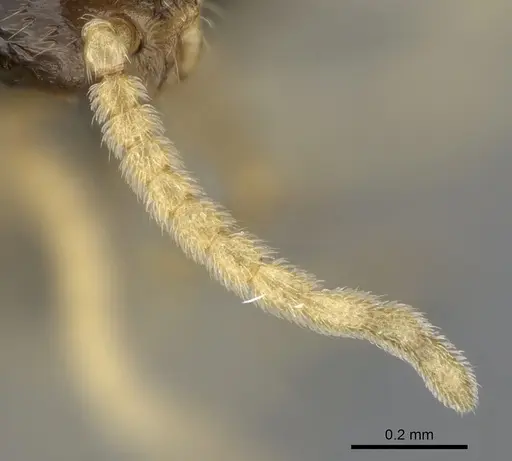
CASENT0058825
Bekijk op AntWeb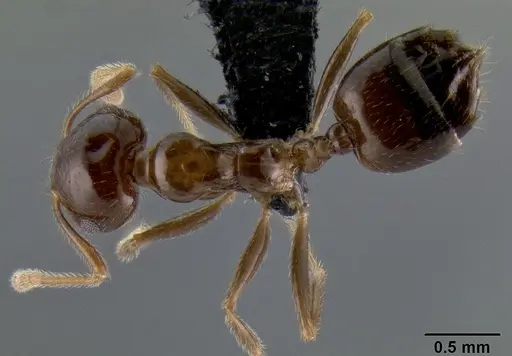
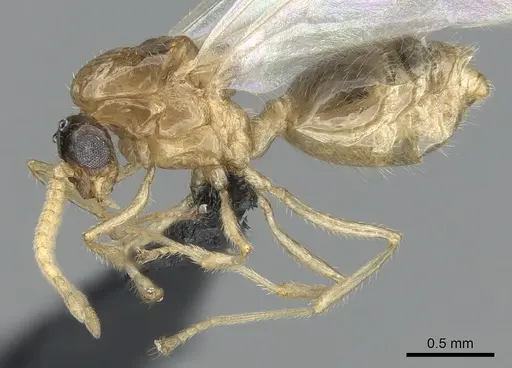
CASENT0160002
Bekijk op AntWeb
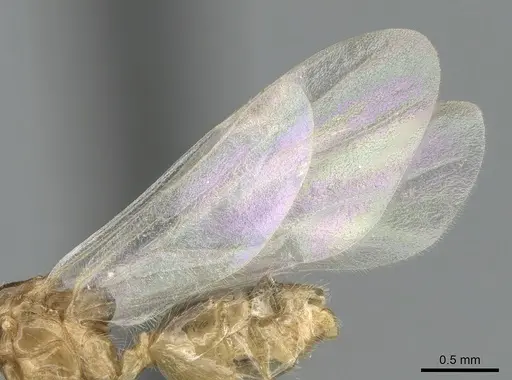
CASENT0317642
Bekijk op AntWeb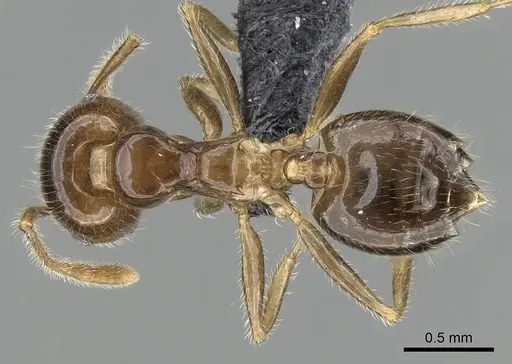
CASENT0317643
Bekijk op AntWeb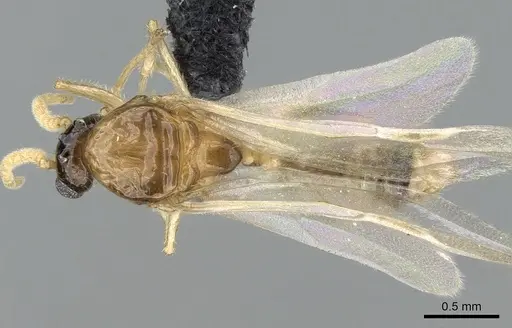
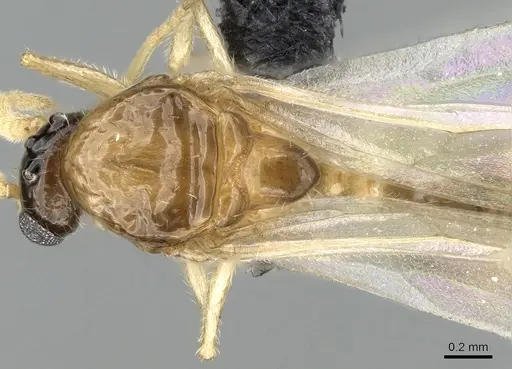
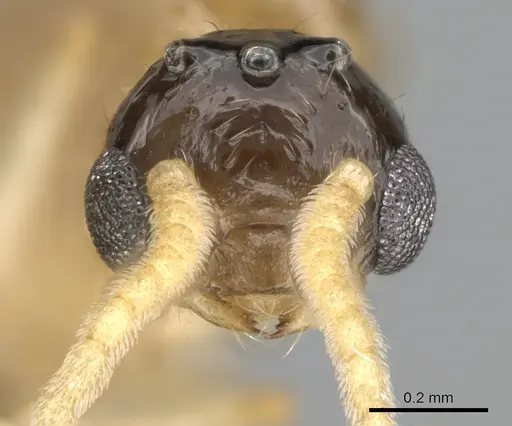
CASENT0922638
Bekijk op AntWeb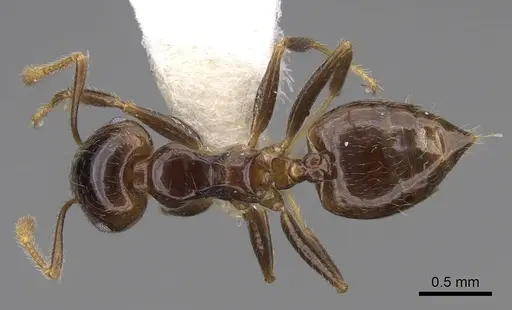
Literatuur
Verspreidingskaart laden...Producten laden...