
Crematogaster fuentei
- Wetenschappelijke naam
- Crematogaster fuentei
- Tribus
- Crematogastrini
- Subfamilie
- Myrmicinae
- Auteur
- Menozzi, 1922
- Verspreiding
- Gevonden in 0 landen
Introductie
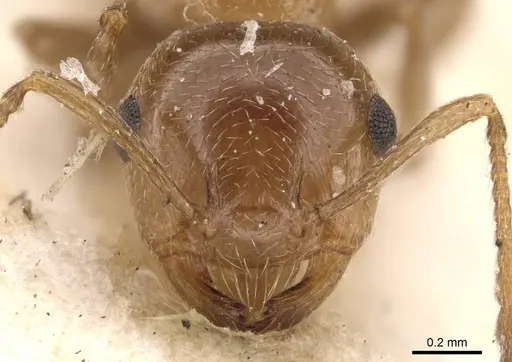
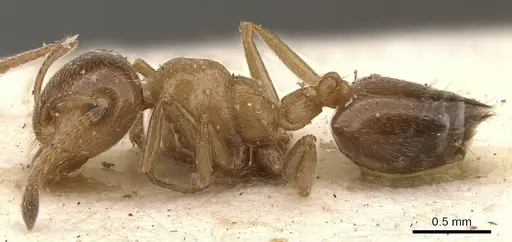
Crematogaster fuentei is a small Myrmicinae ant endemic to the Iberian Peninsula in Spain . Workers have the characteristic heart-shaped abdomen typical of Crematogaster ants - they can raise their abdomen over their head when threatened, earning them the common name 'acrobat ants'. This species is endemic to the Southern Plateau refugium area of Spain, making it a rare find for antkeepers interested in European endemics . The species was originally described as a subspecies of Crematogaster auberti in 1922 and later raised to species status .
Quick Summary
- Difficulty: Medium
- Origin & Habitat: Iberian Peninsula, Spain, endemic to the Southern Plateau refugium area of central Spain [2]. Inhabits Mediterranean habitats with warm, dry summers and mild winters.
- Colony Type: Unknown, colony structure has not been documented for this species.
- Size & Growth:
- Queen: Size data unavailable, no specific measurements exist for this species
- Worker: Size data unavailable, no specific measurements exist for this species [1]
- Colony: Unknown, no colony size data documented for this species
- Growth: Unknown, growth rate has not been studied
- Development: Unknown, no species-specific development data available (Development time is unknown for this species)
- Antkeeping:
- Temperature: Keep at room temperature (20-24°C) as a starting point. They are a Mediterranean species from Spain, so they likely tolerate warmer conditions. Observe colony activity to find their preferred temperature range.
- Humidity: Moderate humidity, these are not moisture-dependent ants. Allow the nest to dry partially between water additions.
- Diapause: Likely required, as a temperate species from central Spain, they probably need a winter rest period. Based on similar Mediterranean Crematogaster species, provide 8-12 weeks at 10-15°C during winter months.
- Nesting: In nature they likely nest under stones, in soil, or in decaying wood, typical of Mediterranean Crematogaster. A Y-tong (AAC) nest or plaster nest works well. They prefer tight chambers over open spaces.
- Behavior: Crematogaster fuentei is generally peaceful. They are active foragers and will readily search for food. The genus is known for their defensive behavior, workers raise their abdomen over their head like an acrobat, which serves as a warning display. They have a small stinger but rarely use it. They form mutualistic associations with butterflies like Tarucus rosaceus, tending the larvae for honeydew [3]. Escape prevention is important due to their small size, use fine mesh barriers.
- Common Issues: small size means escapes are likely without fine mesh barriers, limited distribution data makes exact care requirements uncertain, winter diapause is likely essential but timing must be correct for temperate species, wild-caught colonies may have parasites that affect survival in captivity, very limited species-specific research means much care is inferred from genus patterns
Housing and Nesting
Crematogaster fuentei does well in a Y-tong (AAC) nest or plaster formicarium. They prefer tight chambers scaled to their small size, avoid large open spaces. A test tube setup works for founding colonies. Foraging areas should be simple and easy to clean. Because of their small size, ensure all connections and barriers are secure, these ants can squeeze through surprisingly small gaps. Provide a water tube and occasional misting for humidity, but do not keep the nest constantly wet. [1]
Feeding and Diet
Like other Crematogaster species, they feed on honeydew from aphids and scale insects, plus small insects for protein. In captivity, offer sugar water or honey water as a constant energy source. For protein, provide small prey like fruit flies, pinhead crickets, or mealworm pieces. They are not picky eaters but prefer liquid sugars. Feed protein prey 2-3 times per week, and keep sugar water available at all times. Remove uneaten prey after 24 hours to prevent mold.
Temperature and Seasonal Care
Maintain temperatures between 20-24°C during the active season as a starting point. They are adapted to Mediterranean conditions in Spain, so they likely handle warmth well. During winter, provide a diapause period at 10-15°C for 8-12 weeks, this is likely essential for colony health and reproduction. Reduce feeding during diapause and avoid disturbing the colony. After winter, gradually warm the colony back to active temperatures over 1-2 weeks. [2]
Behavior and Defense
This species displays typical Crematogaster defensive behavior, workers raise their abdomen over their head when threatened, giving them the 'acrobat ant' name. This is a warning display rather than an attack, but they may use their small stinger if provoked. They are not aggressive toward keepers and are generally calm to handle. They are active foragers and will readily explore their outworld for food. Their small size makes them quick movers, use caution when the colony is foraging outside the nest.
Frequently Asked Questions
How long does it take for Crematogaster fuentei to produce first workers?
Unknown, no species-specific development research exists. Development time is likely similar to other Mediterranean Crematogaster species (several weeks to a few months), but this is not confirmed for this species.
Do Crematogaster fuentei ants sting?
They have a small stinger but rarely use it. Their primary defense is the display behavior where they raise their abdomen over their head, this is usually enough to deter threats. The sting is not medically significant to humans.
Can I keep multiple Crematogaster fuentei queens together?
Not recommended, combining unrelated queens of this species has not been documented. Most Crematogaster species establish single-queen colonies. If you have multiple foundresses, house them separately.
What temperature range is best for Crematogaster fuentei?
Keep them at 20-24°C during the active season as a starting point. They are Mediterranean ants from Spain and likely tolerate warmer conditions. Provide a gentle temperature gradient so workers can choose their preferred spot.
Do Crematogaster fuentei need hibernation?
Likely yes, as a temperate species from central Spain, they probably need a winter diapause period. Based on similar species, provide 8-12 weeks at 10-15°C during winter months.
Are Crematogaster fuentei good for beginners?
This species is rated medium difficulty. While generally hardy once established, the very limited species-specific care information and the likely need for proper winter diapause make it better suited for keepers with some experience.
How big do Crematogaster fuentei colonies get?
Unknown, no colony size data has been documented for this specific species. Expect moderate colony sizes based on related Crematogaster species, but this is not confirmed.
What do Crematogaster fuentei eat?
They feed on sugars (honeydew, sugar water, honey) and protein (small insects like fruit flies, pinhead crickets, mealworms). Offer sugar water constantly and protein prey 2-3 times per week.
When should I move Crematogaster fuentei to a formicarium?
Move them when the test tube colony reaches 20-30 workers and the test tube space becomes cramped. They do well in formicariums earlier than some species since they prefer tighter spaces.
Why is my Crematogaster fuentei colony dying?
Common causes include: incorrect humidity (too wet), missing winter diapause, temperature extremes, or parasites from wild-caught colonies. Review your care conditions and ensure diapause was properly provided if applicable.
Report an Issue
The current care sheet is based fully on literature. See inconsistencies, or something that's incorrect? Please , it will be resolved after review from an admin. Contributing to the blogs tab also helps providing information, to make us be able to further improve the caresheets. Thank you for your support!
References

Dit verzorgingsblad is gelicentieerd onder CC BY-SA 4.0 .
Community-blogs
CASENT0908472
Bekijk op AntWeb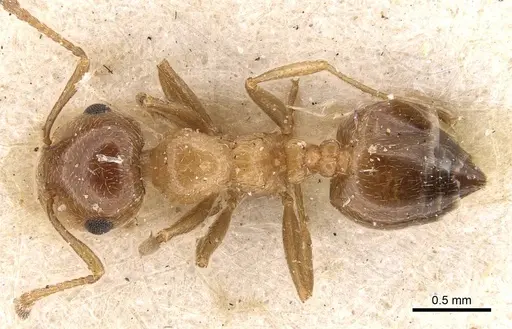
Literatuur
Verspreidingskaart laden...Producten laden...