
Cataulacus catuvolcus
- Wetenschappelijke naam
- Cataulacus catuvolcus
- Tribus
- Crematogastrini
- Subfamilie
- Myrmicinae
- Auteur
- Bolton, 1974
- Verspreiding
- Gevonden in 1 landen
Introductie
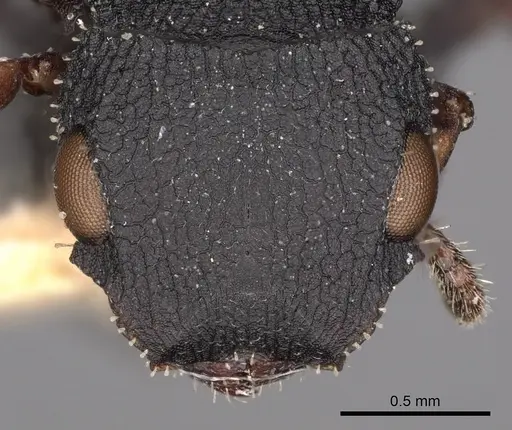
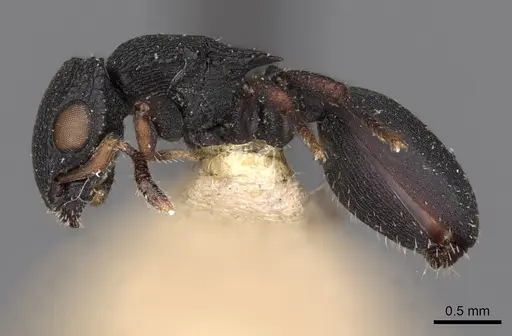
Cataulacus catuvolcus is a small arboreal ant species native to the Philippines, specifically Romblon Island with possible presence on Luzon. Workers measure 4.2-4.8mm in total length with a distinctive appearance featuring a sharp occipital crest, long propodeal spines, and a marginate first gastral tergite. The body is finely and densely reticulate-punctate with longitudinal rugae on the alitrunk. Queens are larger at 5.1-6.0mm and share similar sculpturing but with reduced denticulation on the head sides. This species forms very small colonies of fewer than 100 workers and nests exclusively within small dead twigs, making it a truly arboreal species that rarely descends to the ground [AntWiki].
Quick Summary
- Difficulty: Medium
- Origin & Habitat: Philippines (Romblon Island, possibly Luzon). These ants are arboreal, nesting exclusively within small dead twigs in tropical forest environments [1].
- Colony Type: Small colonies with likely single-queen structure based on typical Cataulacus patterns.
- Size & Growth:
- Antkeeping:
- Temperature: Keep around 24-28°C. As a tropical Philippine species, they require warm conditions similar to their natural habitat.
- Humidity: Moderate to high humidity (60-80%). These arboreal twig-nesters prefer humid conditions but need adequate ventilation to prevent mold. Keep the nest substrate slightly moist without becoming waterlogged.
- Diapause: No, as a tropical species from the Philippines, they do not require hibernation. Maintain consistent warm temperatures year-round.
- Nesting: Arboreal setup is essential. These ants naturally nest in small dead twigs, so provide artificial nests that mimic this, small test tubes, Y-tong nests, or nests with tight chambers scaled to their small size. They will not accept ground-nesting setups.
- Behavior: Diurnal (day-active) based on collection data showing they were only captured during daytime surveys [2]. Generally peaceful and non-aggressive toward keepers. Workers are small but active foragers. Escape risk is moderate, their small size means they can squeeze through small gaps, so use standard barrier methods. They are arboreal by nature and will not explore ground areas much.
- Common Issues: small colony size means losses are harder to recover from, colonies stay small, arboreal nesting requirements limit nest type options, they need tight, twig-like chambers, tropical humidity needs can cause mold problems if ventilation is poor, limited available information means care is somewhat experimental, escape prevention matters despite small colony size
Nest Preferences and Housing
Cataulacus catuvolcus is strictly arboreal, nesting within small dead twigs in their natural habitat. This means they need captive setups that mimic their twig-nesting behavior. Small test tubes with tight-fitting cotton plugs work well for founding colonies. For established colonies, small Y-tong nests with narrow chambers scaled to their 4-5mm worker size are appropriate. Avoid large, open spaces, these ants feel safest in tight, enclosed spaces that resemble their natural twig homes. The nest should be positioned away from direct sunlight and drafts. Because they are arboreal, they do not need a separate outworld area as elaborate as ground-nesting species, a simple setup where the nest tube connects to a small foraging area works fine. [1]
Feeding and Diet
Like most Cataulacus species, these ants are omnivorous, feeding on small insects, honeydew, and nectar in the wild. In captivity, offer a varied diet: sugar water or honey water as a constant energy source, and protein sources like small fruit flies, pinhead crickets, or mealworm pieces. Feed protein once or twice weekly, removing any uneaten prey after 24 hours. Since colonies stay small (under 100 workers), portion sizes should be tiny, a few drops of sugar water and small prey items are sufficient. Observe what your colony accepts and adjust accordingly.
Temperature and Humidity
As a tropical species from the Philippines, Cataulacus catuvolcus requires warm and humid conditions. Maintain temperatures between 24-28°C year-round, they do not tolerate cool conditions. Room temperature in most homes may be too cold, consider using a heating cable on one side of the nest to maintain warmth if needed. Humidity should be moderate to high (60-80%). Keep the nest substrate slightly moist but not wet, these are twig nesters, not soil dwellers, so they are less tolerant of saturated conditions than ground-nesting ants. Good ventilation helps prevent mold while maintaining humidity. Avoid temperature fluctuations and dry air. [1]
Colony Structure and Growth
This species forms notably small colonies, fewer than 100 workers even in mature colonies. This is unusual among ants and means keepers should not expect large, impressive colonies. A mature colony might have just 50-80 workers. The queen measures 5.1-6.0mm and is larger than workers (4.2-4.8mm). Growth is likely slow to moderate, the small colony size suggests they do not produce workers rapidly. Founding colonies will remain tiny for many months as the queen raises her first workers alone. Patience is essential with this species. Do not expect rapid expansion even under ideal conditions. [1]
Behavior and Activity
Research indicates Cataulacus catuvolcus is diurnal, active during daytime hours rather than at night [2]. Workers are small but active foragers, likely searching for honeydew and small prey in the vegetation layer. They are not aggressive and rarely bite keepers. Their small size and arboreal nature mean they are not strong climbers on smooth surfaces, but they can still escape through tiny gaps. Use standard escape prevention with this species. They spend most of their time within the nest or foraging in its immediate vicinity, they are not exploratory ants that will colonize a large outworld.
Frequently Asked Questions
How long does it take for Cataulacus catuvolcus to produce first workers?
The egg-to-worker timeline is unconfirmed for this species. Expect several months from egg to first worker under optimal warm conditions (around 26°C). Founding colonies require significant patience.
Can I keep Cataulacus catuvolcus in a test tube?
Yes, test tubes work well for this species, especially for founding colonies. Use a small test tube with a tight water reservoir and cotton plug. The narrow chamber mimics their natural twig-nesting preference. For established colonies, small Y-tong nests with tight chambers are also suitable.
Do Cataulacus catuvolcus ants sting?
They are small ants and unlikely to sting or cause any pain to human keepers. Their small mandibles cannot penetrate human skin effectively. They are generally peaceful and non-aggressive.
How big do Cataulacus catuvolcus colonies get?
Colonies remain small, fewer than 100 workers even at maturity. This is one of the smaller ant species in cultivation. A mature colony might have 50-80 workers. Do not expect large, impressive colonies.
Do Cataulacus catuvolcus need hibernation?
No. As a tropical Philippine species, they do not require hibernation. Keep them warm year-round at 24-28°C. Temperature drops below 20°C could be harmful.
What do Cataulacus catuvolcus eat?
They are omnivorous. Offer sugar water or honey water as a constant energy source, and protein like small fruit flies, pinhead crickets, or mealworm pieces. Feed protein once or twice weekly. Portion sizes should be small given their tiny colony size.
Are Cataulacus catuvolcus good for beginners?
They are moderate in difficulty. The main challenges are providing proper arboreal nesting conditions and managing expectations, colonies stay very small. They require warm, humid tropical conditions year-round. If you can provide these and accept a small colony, they are manageable.
When should I move Cataulacus catuvolcus to a formicarium?
Move them when the test tube becomes crowded or the water reservoir needs frequent refilling. However, given their small colony size and twig-nesting nature, they can often remain in a well-maintained test tube setup longer than ground-nesting species. A small Y-tong nest works when they need more space.
Can I keep multiple queens together?
Not recommended. There is no documentation of multiple-queen colonies for this species. Based on typical Cataulacus behavior, they are likely single-queen. Keep only one queen per colony.
Why are my Cataulacus catuvolcus dying?
Common causes include: temperatures below 24°C (they need warmth), too dry conditions (they need humidity), mold from poor ventilation, or stress from excessive disturbance. Also ensure they are not being overfed, small colonies produce minimal waste and excess food causes mold. Check that escape prevention is adequate.
What temperature is best for Cataulacus catuvolcus?
Keep them at 24-28°C. This tropical species requires warm conditions year-round. A slight temperature gradient is beneficial but not critical for this small, docile species. Use a heating cable if your room temperature falls below this range.
Is Cataulacus catuvolcus invasive or dangerous?
No. This is a native Philippine species with no known invasive properties. They are small, peaceful arboreal ants that pose no threat to humans or ecosystems outside their natural range.
Report an Issue
The current care sheet is based fully on literature. See inconsistencies, or something that's incorrect? Please , it will be resolved after review from an admin. Contributing to the blogs tab also helps providing information, to make us be able to further improve the caresheets. Thank you for your support!
References

Dit verzorgingsblad is gelicentieerd onder CC BY-SA 4.0 .
Community-blogs
CASENT0900257
Bekijk op AntWeb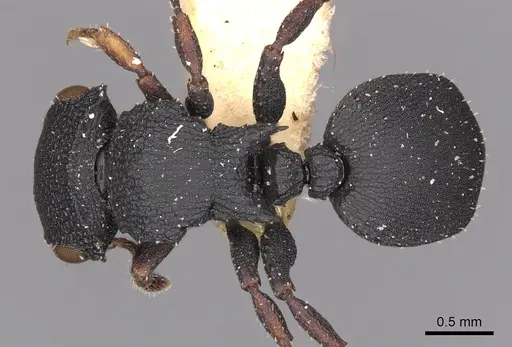
Literatuur
Verspreidingskaart laden...Producten laden...