
Cataglyphis pilisquamis
- Wetenschappelijke naam
- Cataglyphis pilisquamis
- Tribus
- Formicini
- Subfamilie
- Formicinae
- Auteur
- Santschi, 1929
- Verspreiding
- Gevonden in 0 landen
Introductie
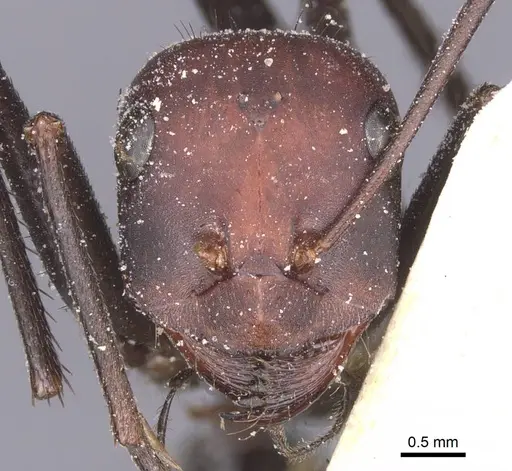
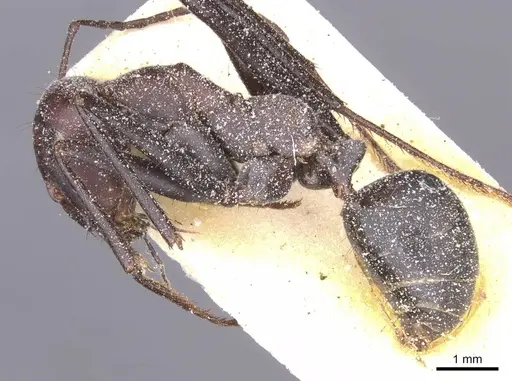
Cataglyphis pilisquamis is a small to medium-sized ant endemic to Morocco, belonging to the Formicinae subfamily. Workers are typically slender and fast-moving, characteristic of the genus Cataglyphis. This species is found only in northern Morocco, particularly in the Oujda-Berkane region and Beni-Snassen mountains . It is closely related to Cataglyphis mauritanica rather than Cataglyphis gaetula, from which it was originally described as a variety . As with other Cataglyphis species, these ants are adapted to warm, dry habitats and are active foragers known for their speed.
Quick Summary
- Difficulty: Medium
- Origin & Habitat: Endemic to northern Morocco in the Palaearctic region. Found in the Oujda-Berkane region and Beni-Snassen mountains, typically nesting under stones in semi-arid habitats [1][2].
- Colony Type: Unknown, colony structure has not been documented for this species.
- Size & Growth:
- Queen: Size data unavailable, inferred from related Cataglyphis species (~10-15mm)
- Worker: Size data unavailable, inferred from related Cataglyphis species (~4-10mm)
- Colony: Unknown, no specific data available for this species
- Growth: Unknown, likely moderate based on genus patterns
- Development: Unknown, no species-specific data available (Development time estimated from related species may not be accurate for C. pilisquamis)
- Antkeeping:
- Temperature: Keep at 24-28°C. Cataglyphis species are thermophilic and prefer warm conditions. A heating cable on one side of the nest creates a suitable gradient.
- Humidity: Low to moderate, prefer dry to slightly moist nest conditions. Provide a shallow water dish for drinking but avoid excessive moisture.
- Diapause: Likely requires a mild winter rest period of 2-3 months at 10-15°C, typical for North African Cataglyphis species.
- Nesting: Natural nesting is under stones in the ground. In captivity, a Y-tong (AAC) nest or plaster nest with dry to slightly damp conditions works well. Avoid overly humid setups.
- Behavior: Active and fast-moving foragers. Workers typically forage individually, searching for dead insects and sugary liquids. They are not particularly aggressive but will defend the nest if threatened. As Formicinae ants, they can spray formic acid as a defense rather than sting. Escape prevention should be moderate, they are not tiny ants but are quick and may escape through small gaps.
- Common Issues: limited availability, this species is rarely available in the antkeeping hobby due to its restricted endemic range, specific humidity requirements, too much moisture can be harmful, unlike many other ants, winter dormancy needs, improper hibernation can weaken or kill colonies, limited research data, care recommendations are largely inferred from genus patterns rather than species-specific studies
Natural History and Distribution
Cataglyphis pilisquamis is an endemic ant species found only in northern Morocco, making it a rare species in the antkeeping hobby. It was originally described as a variety of Cataglyphis gaetula by Santschi in 1929 but is now recognized as a valid species closely related to Cataglyphis mauritanica [1]. The species is found in the Oujda-Berkane region and the Beni-Snassen mountains, where it nests under stones in semi-arid habitats [1][2]. This restricted distribution means wild colonies are not commonly available, and most specimens in collections likely come from specialized breeding efforts.
Housing and Nesting
In the wild, C. pilisquamis nests under stones in the ground, typical of many Cataglyphis species. For captive care, a Y-tong (AAC) nest or plaster formicarium works well. These ants prefer drier conditions than many other ant species, keep the nest substrate slightly moist but not wet. Avoid overly humid setups as this can cause mold and health problems. Provide a temperature gradient using a heating cable on one side of the nest, allowing workers to regulate their temperature by moving between warmer and cooler areas. Outworld space should include a shallow water dish and areas for foraging.
Feeding and Diet
Like other Cataglyphis species, these ants are opportunistic foragers that primarily hunt for small insects and arthropods. In captivity, offer small live or frozen insects such as fruit flies, small crickets, and mealworms. They will also accept sugar water, honey, or diluted syrup as an energy source. Feed protein sources 2-3 times per week and keep sugar water available at all times. Remove uneaten prey after 24-48 hours to prevent mold. Their fast-moving workers are efficient hunters, so ensure prey is appropriately sized for the worker ants.
Temperature and Seasonal Care
Cataglyphis pilisquamis is a thermophilic species adapted to warm North African conditions. Maintain nest temperatures between 24-28°C for optimal brood development. A heating cable placed on part of the nest creates a gradient that allows ants to self-regulate their temperature. During winter, provide a mild hibernation period of 2-3 months at 10-15°C. This winter rest is important for colony health and may trigger reproductive behavior in the following season. Do not hibernate at room temperature or skip hibernation entirely, as this can weaken the colony over time.
Colony Development
The colony founding behavior of C. pilisquamis has not been directly documented. First workers (nanitics) will be smaller than mature workers. Development time is unknown for this specific species. Colony growth rate is not documented, expect several months to reach 50+ workers, with mature colonies potentially reaching several hundred workers based on related species. The slow initial growth during the founding phase is normal and should not be cause for concern.
Frequently Asked Questions
How long does it take for Cataglyphis pilisquamis to raise first workers?
This is unknown, no species-specific data is available. Related Cataglyphis species typically take 6-10 weeks from egg to first worker at optimal temperature (24-28°C), but C. pilisquamis specifically has not been studied.
Do Cataglyphis pilisquamis ants need hibernation?
Yes, they likely require a mild winter rest period of 2-3 months at 10-15°C. This is typical for North African Cataglyphis species and important for long-term colony health.
What do Cataglyphis pilisquamis eat?
They are opportunistic predators that accept small insects (fruit flies, small crickets, mealworms) and sugary liquids (honey water, sugar water). Offer protein 2-3 times weekly and keep sugar water available constantly.
Can I keep multiple Cataglyphis pilisquamis queens together?
This is unknown, colony structure has not been documented for this species. Combining unrelated queens is not recommended as they will likely fight.
What humidity level do Cataglyphis pilisquamis need?
Keep conditions relatively dry, slightly moist nest substrate is sufficient. Avoid the high humidity levels needed by tropical species. A shallow water dish in the outworld provides drinking water.
Are Cataglyphis pilisquamis good for beginners?
This species is rated Medium difficulty. While not the easiest species, their relatively simple humidity requirements make them manageable for intermediate antkeepers. Their restricted distribution makes them harder to acquire than common species.
What temperature is best for Cataglyphis pilisquamis?
Keep the nest at 24-28°C. Use a heating cable on part of the nest to create a temperature gradient, allowing ants to move between warmer and cooler areas as needed.
How big do Cataglyphis pilisquamis colonies get?
Colony size is not documented for this specific species. Based on related species, expect several hundred workers at maturity. Growth is moderate over several years.
When should I move Cataglyphis pilisquamis to a formicarium?
Move from a test tube setup to a proper nest when the colony reaches 30-50 workers and the test tube becomes crowded. Ensure the new setup maintains appropriate dry to slightly moist conditions.
Report an Issue
The current care sheet is based fully on literature. See inconsistencies, or something that's incorrect? Please , it will be resolved after review from an admin. Contributing to the blogs tab also helps providing information, to make us be able to further improve the caresheets. Thank you for your support!
References

Dit verzorgingsblad is gelicentieerd onder CC BY-SA 4.0 .
Community-blogs
CASENT0912202
Bekijk op AntWeb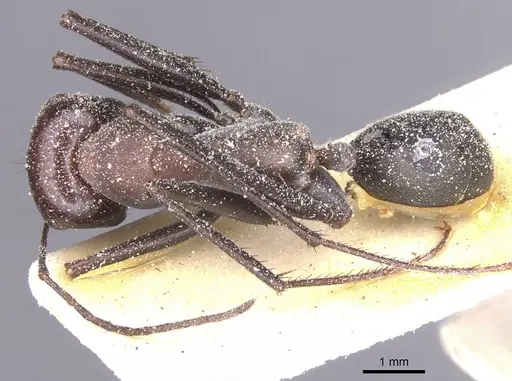
Literatuur
Verspreidingskaart laden...Producten laden...