
Cataglyphis dejdaranensis
- Wetenschappelijke naam
- Cataglyphis dejdaranensis
- Tribus
- Formicini
- Subfamilie
- Formicinae
- Auteur
- Khalili-Moghadam <i>et al.</i>, 2021
- Verspreiding
- Gevonden in 0 landen
Introductie
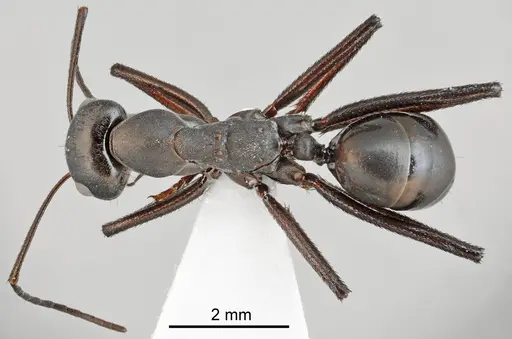
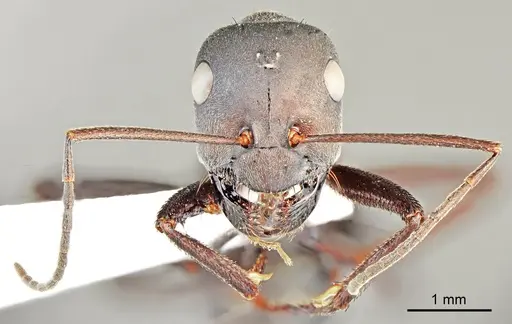
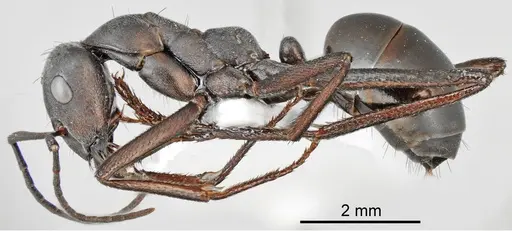
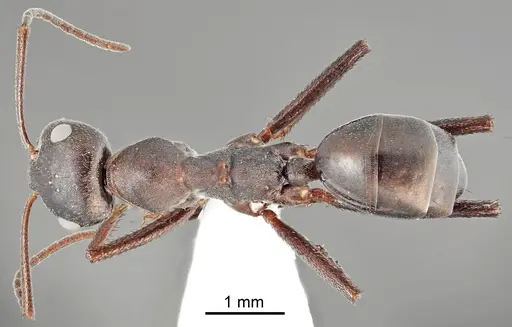
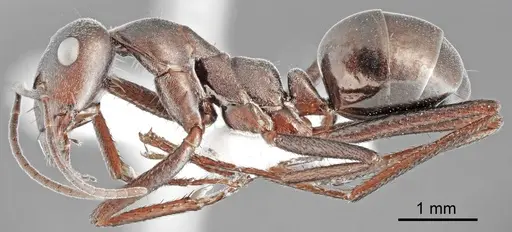
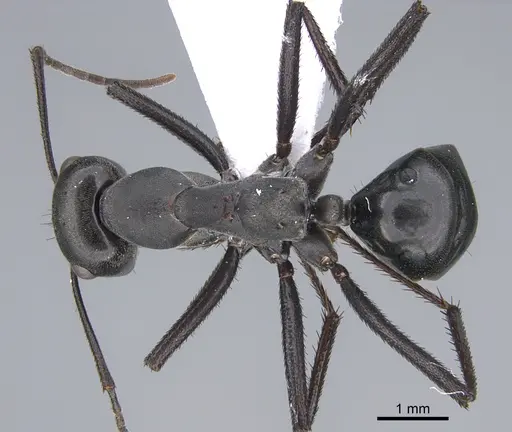
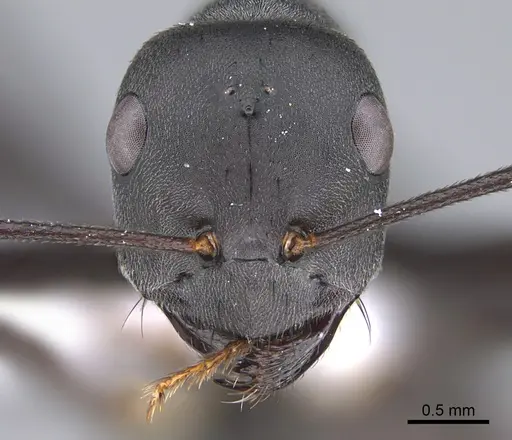
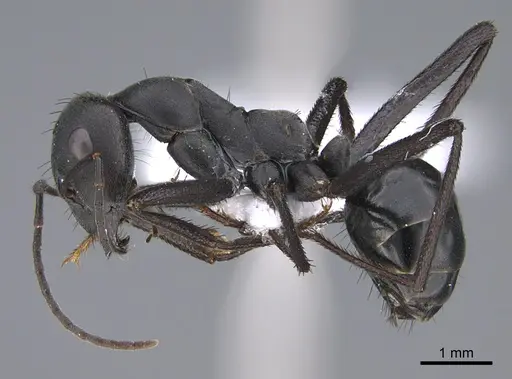
Cataglyphis dejdaranensis is a recently described ant species from the high mountains of Iran, part of the C. altisquamis species-group. Major workers are striking for their completely black coloration and large heads. Minor workers are smaller and tend to be slightly paler, appearing brown to dark brown. Both castes have distinctive dense black setae covering their legs. This is a high-altitude specialist, found only in the mountains of Iran at elevations exceeding 2300 meters, where it nests under large stones on mountain pastures .
Quick Summary
- Difficulty: Unknown, insufficient captive data
- Origin & Habitat: Endemic to Iran, found in high mountain pastures at 2319-2778m elevation. Nests located under large stones in areas with scant vegetation or grass-covered grazing areas [1][2].
- Colony Type: Unconfirmed, colony structure has not been documented in scientific literature
- Size & Growth:
- Queen: Undescribed, queen morphology not yet documented [1]
- Worker: Approximately 5-8mm, inferred from Cataglyphis genus patterns (major workers larger, minor workers smaller)
- Colony: Unknown, no colony size data available
- Growth: Unknown, no development data available
- Development: Unknown, no species-specific development data available (Cataglyphis species typically develop in 6-10 weeks at warm temperatures, but this high-altitude population may have different requirements.)
- Antkeeping:
- Temperature: Start around 20-24°C and observe colony activity. Being a high-altitude mountain species from Iran, they likely prefer cooler conditions than typical desert Cataglyphis. Provide a temperature gradient if possible.
- Humidity: Dry to moderate, mountain pastures are typically dry with low humidity. Keep nest substrate moderately dry, avoiding excessive moisture.
- Diapause: Likely yes, high-altitude temperate species from Iran will probably require a winter rest period. Provide 3-4 months of reduced temperatures around 10-15°C.
- Nesting: Natural nesting is under large stones on mountain ground. In captivity, a naturalistic setup with stone slabs or a Y-tong/plaster nest with dry conditions would likely work well. Avoid overly humid environments.
- Behavior: Behavior is not well documented. Cataglyphis are typically fast-moving, active foragers that scavenge and hunt for small prey. They are generally not aggressive toward keepers but can move quickly. Escape risk is moderate, workers are a decent size but not tiny, standard escape prevention measures should suffice.
- Common Issues: high altitude requirements are poorly understood, may not tolerate typical room temperatures, no captive breeding data exists, wild-caught colonies may struggle in captivity, winter dormancy requirements are unconfirmed but likely necessary for this temperate species, specific dietary needs are unknown, may be selective feeders, limited availability as a newly described species
Discovery and Taxonomy
Cataglyphis dejdaranensis was only described in 2021,making it one of the newest ant species in the hobby's knowledge base. It belongs to the C. altisquamis species-group, which includes several Iranian mountain-dwelling species. The species name refers to Dejdaran Valley in Iran's Chaharmahal Va Bakhtiari province, where researchers collected specimens at 2319m elevation. A second population was found at Cheri in the Koohrang area at an even higher elevation of 2778m. This species remains extremely rare in both scientific collections and the antkeeping hobby [1][3].
Natural Habitat and Altitude Adaptation
This species is a true mountain specialist, found exclusively at elevations above 2300 meters in Iran's high mountain ranges. Both documented collecting sites were mountain pastures, one with scant vegetation and another in a grassy grazing area. The ants nested under large stones, which provides insight into their captive housing needs. These high-altitude conditions mean the species is adapted to cooler temperatures and likely experiences significant seasonal temperature swings throughout the year. The environment is probably drier than typical lowland habitats, as mountain pastures tend to have lower humidity [1][2].
Appearance and Identification
Major workers of Cataglyphis dejdaranensis are distinctive for their entirely black or brownish-black coloration, including the head, mesosoma, and gaster. Their legs are black to black-brown, sometimes with slightly paler tarsi. The head is roughly square-shaped, about 1.12 times longer than wide, with large oval eyes. The antennae are long, with the scape measuring about 1.1 times the width of the head. The mesosoma is notably long, about 2.2 times longer than wide. Minor workers are smaller and slightly paler, appearing brown to dark brown rather than pure black. Both castes have a distinctive covering of thick, dense black decumbent setae on their legs [1].
Temperature and Seasonal Care
Because this species comes from high-altitude Iranian mountains, it likely prefers cooler conditions than many common Cataglyphis species. Start around 20-24°C and monitor colony behavior, if workers seem sluggish, slightly warmer temperatures may help, if they cluster away from heat sources, try reducing temperature. As a temperate mountain species, they almost certainly need a winter dormancy period. Provide 3-4 months during winter with temperatures reduced to around 10-15°C. This mimics the natural seasonal cycle they would experience at 2500m+ elevation in Iran. Failure to provide adequate winter rest could prevent proper colony development or cause health issues [1][2].
Housing and Nesting
In the wild, these ants nest under large stones on mountain pastures, suggesting they prefer dry, stable conditions with some ground moisture but not high humidity. For captivity, a naturalistic setup with flat stones placed on a sandy soil mixture works well, this mimics their natural nesting sites. Alternatively, a Y-tong or plaster formicarium with relatively dry conditions would suit them. Avoid overly humid environments or water reservoirs that create condensation. The nest should have a small chamber size appropriate for a medium-sized Cataglyphis species. Standard escape prevention is adequate since workers are not tiny, but always use barriers as a precaution [1].
Feeding and Diet
The specific dietary needs of C. dejdaranensis have not been studied. Like other Cataglyphis species, they are likely generalist scavengers and opportunistic predators. Offer a varied diet including protein sources like small insects (fruit flies, small crickets, mealworms) and sugar sources such as honey water or sugar water. Start with small prey items and observe acceptance. Since they come from a harsh mountain environment, they may be efficient foragers that can go periods between feedings. Fresh water should always be available. Avoid overfeeding, excess food can mold and cause health problems in the colony [4].
Frequently Asked Questions
How long does it take for Cataglyphis dejdaranensis to produce first workers?
The exact development timeline has not been documented for this species. Based on typical Cataglyphis genus patterns, development may take around 6-10 weeks from egg to worker at optimal temperature. However, being a high-altitude species, they may develop slower than desert-dwelling relatives. Patience is essential with this poorly studied species.
What temperature is best for keeping Cataglyphis dejdaranensis?
Start around 20-24°C and adjust based on colony behavior. This high-altitude mountain species from Iran likely prefers cooler conditions than typical desert Cataglyphis. Watch for signs of stress, workers avoiding heated areas may indicate temperatures are too high. A temperature gradient allows ants to choose their preferred zone.
Do Cataglyphis dejdaranensis ants need hibernation?
Almost certainly yes. This species comes from elevations above 2300m in Iran's mountains, where winters are cold and long. Provide 3-4 months of winter rest at 10-15°C during the colder months. This mimics their natural seasonal cycle and is likely essential for colony health and reproduction.
What do Cataglyphis dejdaranensis ants eat?
Their specific diet has not been studied, but they likely accept standard Cataglyphis foods: small insects (fruit flies, small crickets, mealworms) for protein and sugar water or honey for carbohydrates. Start with small prey items and observe feeding behavior. Fresh water should always be available.
Is Cataglyphis dejdaranensis good for beginners?
This species is not recommended for beginners. It was only described in 2021 and has virtually no captive breeding data. Its specific care requirements (temperature, humidity, diet) are not well understood. Additionally, this species is extremely rare in the antkeeping hobby. Consider starting with more established species like Cataglyphis niger or Cataglyphis albicans.
How big do Cataglyphis dejdaranensis colonies get?
Colony size data is not available for this species. The maximum colony size will only become known through captive breeding efforts.
Can I keep multiple Cataglyphis dejdaranensis queens together?
The colony structure of this species has not been documented. Without specific data on C. dejdaranensis, it is not recommended to attempt combining unrelated queens. Keep one queen per colony until more information becomes available.
Where does Cataglyphis dejdaranensis live in the wild?
This species is endemic to Iran, found only in high mountain pastures at elevations between 2319m and 2778m. It has been documented in the Chaharmahal Va Bakhtiari province, specifically in the Koohrang area and Dejdaran Valley. Nests are located under large stones in areas with either scant vegetation or grass cover.
What kind of nest should I use for Cataglyphis dejdaranensis?
A naturalistic setup with large stones placed on sandy soil works well to mimic their natural nesting under stones. Alternatively, a Y-tong or plaster formicarium with relatively dry conditions is suitable. Keep humidity low, these are mountain ants from dry pastures. Avoid nests designed for humidity-loving species.
Report an Issue
The current care sheet is based fully on literature. See inconsistencies, or something that's incorrect? Please , it will be resolved after review from an admin. Contributing to the blogs tab also helps providing information, to make us be able to further improve the caresheets. Thank you for your support!
References

Dit verzorgingsblad is gelicentieerd onder CC BY-SA 4.0 .
Community-blogs
Literatuur
Verspreidingskaart laden...Producten laden...