
Camponotus truebi
- Wetenschappelijke naam
- Camponotus truebi
- Subgenus
- Myrmentoma
- Tribus
- Camponotini
- Subfamilie
- Formicinae
- Auteur
- Forel, 1910
- Verspreiding
- Gevonden in 0 landen
Introductie
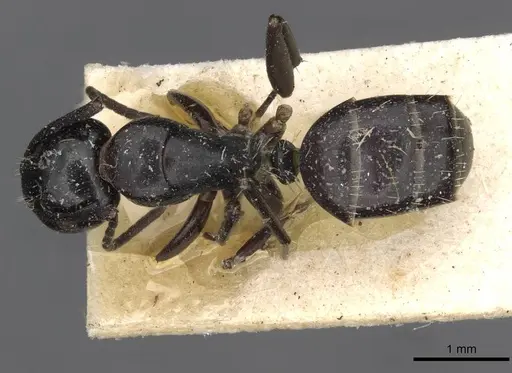
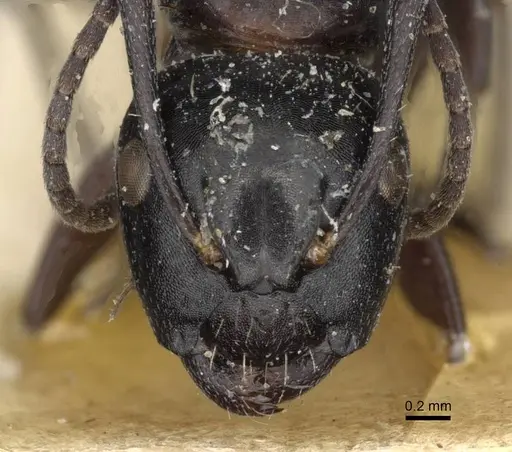
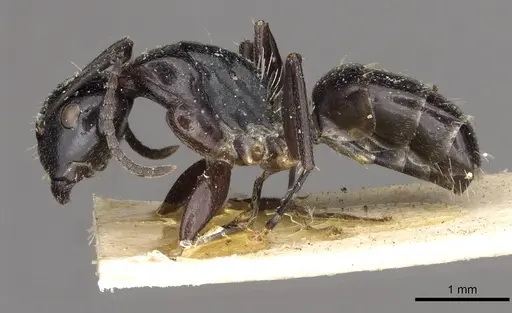
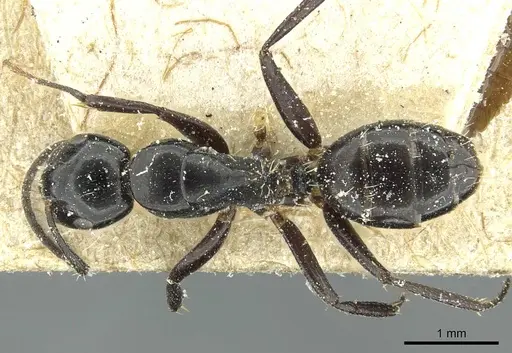
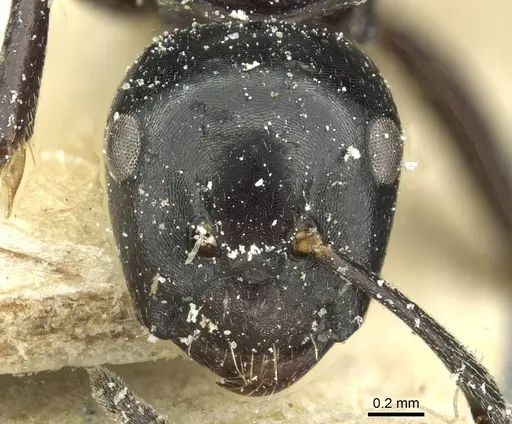
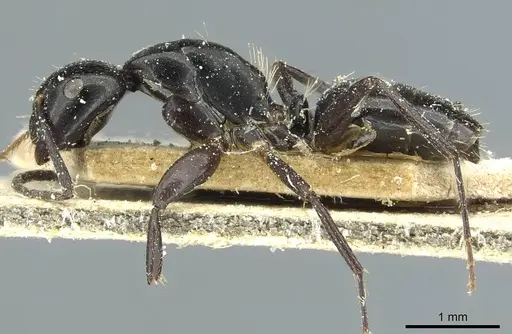
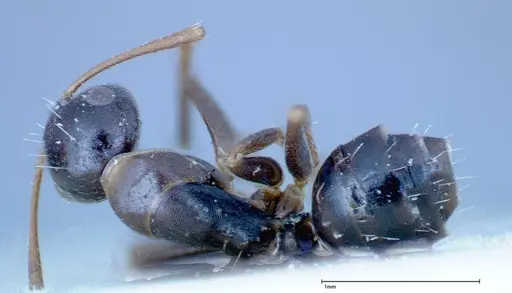
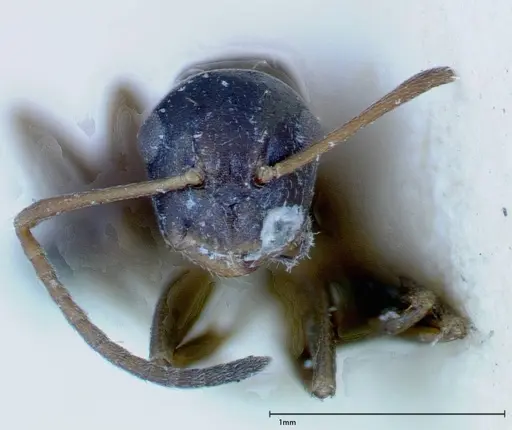
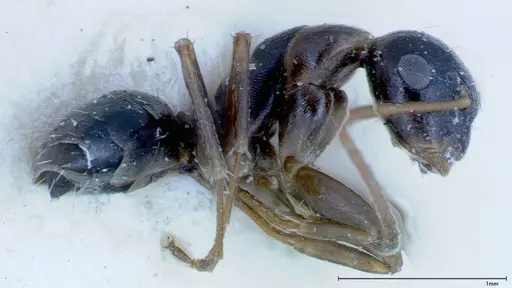
Camponotus truebi is a small Camponotus species native to Taiwan, belonging to the subgenus Myrmentoma. Minor workers measure approximately 2.7mm in length, with majors significantly larger . The body is primarily black with a brown thorax and brownish-red markings on the legs, mandibles, and pronotum. The head is longer than broad with a strongly convex posterior margin, and the antennae extend well beyond the head . This species is endemic to Taiwan, a subtropical island with warm temperatures and high humidity year-round.
Quick Summary
- Difficulty: Medium
- Origin & Habitat: Taiwan (Indomalaya Region), subtropical island environment [2]
- Colony Type: Unconfirmed, colony structure has not been documented for this species
- Size & Growth:
- Queen: Size data unavailable, no documented measurements for queens
- Worker: Minor workers approximately 2.7mm, majors significantly larger [1]
- Colony: Unknown for this species
- Growth: Moderate, typical for Camponotus genus
- Development: Estimated 6-10 weeks based on typical Camponotus development (Development time is estimated from related Camponotus species, actual timeline may vary for this specific species)
- Antkeeping:
- Temperature: Keep at 22-26°C, subtropical species need warmth. A gentle temperature gradient allows workers to regulate their conditions.
- Humidity: High humidity preferred, aim for 60-80%. Keep the nest substrate consistently moist but not waterlogged.
- Diapause: No true diapause required, being a subtropical species from Taiwan, they do not need hibernation. However, a slight reduction in temperature during winter months (to around 18-20°C) may slow activity and is generally well-tolerated.
- Nesting: In nature they likely nest in rotting wood, under bark, or in soil cavities. In captivity, Y-tong (AAC) nests or plaster nests work well. They prefer tight, dark chambers. Avoid overly dry conditions.
- Behavior: These are relatively active foragers compared to some larger Camponotus species. Workers search for food both in the nest and in the outworld. They are not particularly aggressive but will defend their colony if threatened. Minor workers are very small so escape prevention should be taken seriously, they can squeeze through small gaps. They typically forage at night or during cooler hours. Sugar acceptance is likely good given they are Camponotus, and they will also hunt small prey.
- Common Issues: tiny worker size means escape prevention must be excellent, use fine mesh and tight-fitting lids, subtropical species may not tolerate cool temperatures, keep above 20°C, high humidity requirements can lead to mold if ventilation is poor, slow founding phase, new keepers may lose patience during claustral founding, wild-caught colonies may carry parasites that affect captive survival
Housing and Nest Setup
Camponotus truebi is a small species that does well in compact nest setups. Y-tong (AAC) nests work excellently, the narrow chambers mimic their natural cavities in rotting wood or under bark. Plaster nests are also suitable and help maintain humidity. Because they are from humid Taiwan, avoid dry setups like wooden nests. The nest should have dark chambers since these ants prefer dim conditions. Provide a water test tube as a humidity source connected to the nest. For the outworld, a simple foraging area with a feeding station is sufficient. Use tight-fitting lids and fine mesh barriers, their tiny minor workers can escape through surprisingly small gaps. [2]
Feeding and Diet
As Camponotus, these ants are omnivorous and will accept both sugar and protein sources. Offer sugar water, honey, or diluted maple syrup as a constant energy source. For protein, provide small insects like fruit flies, small mealworms, or cricket pieces. They are small workers so prey items should be appropriately sized, tiny fruit flies and springtails are ideal. Feed protein 2-3 times per week, and keep sugar available at all times. Remove uneaten prey after 24-48 hours to prevent mold. Their small size means they cannot take down large prey, scale food to worker size. [2]
Temperature and Humidity
Being from subtropical Taiwan, these ants need warmth and humidity. Maintain temperatures between 22-26°C year-round. A slight drop to 18-20°C in winter is acceptable but not required. Use a heating cable or mat on one side of the nest to create a gentle gradient, this allows workers to regulate their body temperature by moving between warmer and cooler areas. Humidity should be kept at 60-80%, the nest substrate should feel damp but not soggy. A water tube connected to the nest helps maintain humidity. Avoid placing the nest near air conditioning or drafty areas. [2]
Colony Development and Growth
Camponotus colonies grow moderately fast once the first workers emerge. The queen seals herself in during founding and raises her first brood alone on stored fat reserves. Expect 6-10 weeks from egg to first worker at optimal temperature. Initial broods are small but the colony expands quickly once workers begin foraging. Major workers develop later and help with nest maintenance and food processing. Colonies can reach several hundred workers over time. Be patient during founding, the queen may seem inactive but she is caring for her brood in sealed chambers. [2]
Behavior and Temperament
These are relatively active foragers compared to some larger Camponotus species. Workers will venture into the outworld to collect food and are often most active during evening and night hours. They are not particularly aggressive and will typically flee from threats rather than attack. However, they will defend the nest if directly threatened. Their small size makes them less intimidating but they are still capable of biting if provoked. They use chemical trails to recruit nestmates to food sources. The colony will establish defined foraging routes once established. [2]
Frequently Asked Questions
How long does it take for Camponotus truebi to get their first workers?
Expect 6-10 weeks from egg to first worker at optimal temperature (22-26°C). This is typical for Camponotus species. The queen will be inactive during this time as she tends to her brood in the sealed founding chamber.
What do Camponotus truebi ants eat?
They are omnivorous. Offer sugar water, honey, or maple syrup constantly for energy. For protein, feed small insects like fruit flies, small mealworms, or pinhead crickets. Scale prey to their tiny worker size.
Do Camponotus truebi ants need hibernation?
No, they do not require true hibernation. As a subtropical species from Taiwan, they are active year-round. You can reduce temperatures slightly in winter (to around 18-20°C) but this is optional.
Are Camponotus truebi good for beginners?
They are moderate difficulty. The main challenges are their small size (escape prevention is critical), high humidity needs, and the slow founding phase. If you have kept other Camponotus species successfully, this one is manageable.
How big do Camponotus truebi colonies get?
Colony size is not well documented for this specific species. Based on typical Camponotus patterns, they likely reach several hundred to low thousands of workers over several years.
What temperature should I keep Camponotus truebi at?
Keep them at 22-26°C. They are subtropical and need warmth. A heating cable on one side of the nest creates a gradient for workers to regulate their temperature.
Can I keep multiple Camponotus truebi queens together?
This is not recommended. While some Camponotus can be pleometrotic (found colonies together), combining unrelated queens of this species has not been documented and typically leads to fighting.
When should I move Camponotus truebi to a formicarium?
Keep newly caught or purchased colonies in a test tube setup until they have 20-30 workers. Once the colony is established and growing, you can connect them to a formicarium. They do well in Y-tong or plaster nests.
Why are my Camponotus truebi escaping?
Their minor workers are very small, approximately 2.7mm. Use fine mesh (at least 0.5mm holes or smaller) and ensure all lids fit tightly. Check all connection points between the nest and outworld.
Report an Issue
The current care sheet is based fully on literature. See inconsistencies, or something that's incorrect? Please , it will be resolved after review from an admin. Contributing to the blogs tab also helps providing information, to make us be able to further improve the caresheets. Thank you for your support!
References

Dit verzorgingsblad is gelicentieerd onder CC BY-SA 4.0 .
Community-blogs
Literatuur
Verspreidingskaart laden...Producten laden...