
Bull Sugar Ant
Camponotus tauricollis
- Wetenschappelijke naam
- Camponotus tauricollis
- Subgenus
- Myrmotrema
- Tribus
- Camponotini
- Subfamilie
- Formicinae
- Auteur
- Forel, 1894
- Nederlandse naam
- Bull Sugar Ant
- Verspreiding
- Gevonden in 0 landen
Introductie
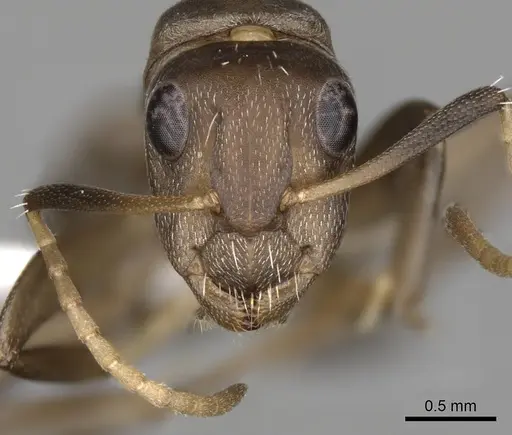
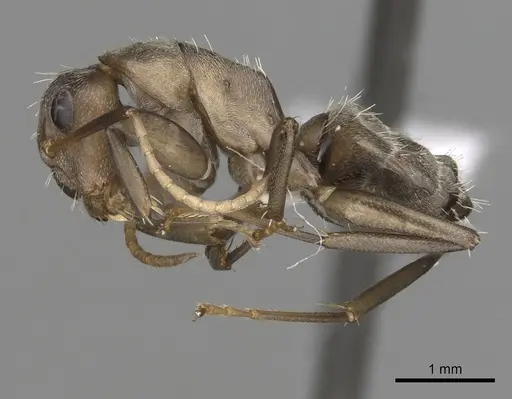
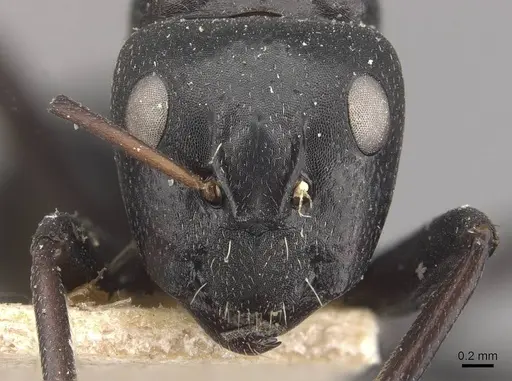
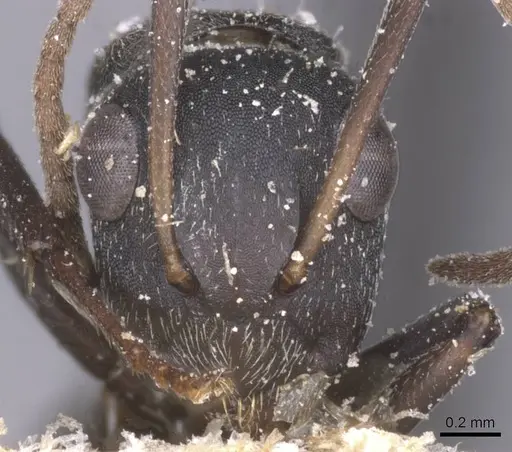
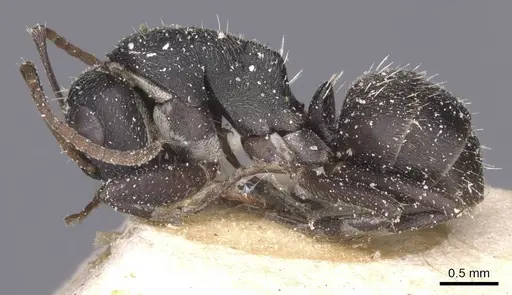
Camponotus tauricollis is a carpenter ant species native to Africa . As with other Camponotus species, workers are polymorphic meaning they come in different sizes - major workers are larger with well-developed heads, while minor workers are smaller. The genus name 'Camponotus' comes from Greek and means 'strength of the head, ' referring to their powerful mandibles. These ants are typical carpenter ants in having a smooth, rounded mesosoma (the middle body section). The specific epithet 'tauricollis' refers to the bull-like neck structure, suggesting this species has a notably thickened neck area.
Quick Summary
- Difficulty: Medium
- Origin & Habitat: Africa, specific region and habitat details are not well documented in available research [1].
- Colony Type: Based on typical Camponotus genus patterns, this species likely forms single-queen colonies, though exact colony structure for this specific species is unconfirmed.
- Size & Growth:
- Queen: Size data unavailable, no species-specific measurements exist. Estimated 12-16mm based on typical Camponotus queen size range.
- Worker: Polymorphic, minor workers approximately 4-6mm, major workers approximately 8-12mm.
- Colony: Mature colonies likely reach several thousand workers based on typical Camponotus growth patterns.
- Growth: Moderate, Camponotus species typically grow more slowly than smaller ants.
- Development: Estimated 6-10 weeks at optimal temperature based on typical Camponotus development. (Development time varies with temperature. First workers (nanitics) are typically smaller than normal workers.)
- Antkeeping:
- Temperature: Keep at 22-26°C, this is the typical optimal range for Camponotus species. A temperature gradient allows ants to regulate their own conditions.
- Humidity: Moderate humidity is suitable. These ants prefer drier conditions compared to many tropical species. Provide a water tube for drinking access.
- Diapause: No, as an African species, this ant does not require winter hibernation. Do not attempt to cool the colony as this could be harmful.
- Nesting: Y-tong (AAC) nests work well, or a naturalistic setup with wood pieces. They prefer tight chambers scaled to colony size. Avoid overly humid conditions that can cause mold.
- Behavior: Typical carpenter ant temperament, generally docile and not aggressive toward keepers. Workers are active foragers that search for sugar sources and protein. They lack a functional sting but can bite and spray formic acid from their acidopore as their primary defense. Escape risk is moderate, use standard barrier methods. Major workers can deliver a mild bite if handled roughly.
- Common Issues: colonies grow slowly which can frustrate beginners, patience is required during the founding phase, test tube setups can flood if water reservoirs are overfilled, use appropriate tube sizes, mold is a common problem in overly humid nests, ensure adequate ventilation, wild-caught colonies may carry parasites that can decimate captive colonies, queens can die during founding if disturbed too often or if conditions are unstable, african species are sensitive to cold, keep temperatures warm year-round
Housing and Nest Setup
Camponotus tauricollis can be started in a simple test tube setup. Fill a test tube one-third with water, plug with a cotton ball, and place the queen in the tube. Cover the tube with a dark cloth to reduce stress. The queen will seal herself into a chamber and begin laying eggs. Once you have 10-20 workers, you can transition to a small formicarium. Y-tong (AAC) nests work excellently for this species, or you can use a naturalistic setup with wooden structures. The key is providing appropriately sized chambers, too large and the ants may feel exposed, too small and they won't have room to grow. Ensure the nest has a water tube attached so workers can access drinking water.
Feeding and Diet
Like other Camponotus species, these ants are omnivorous. They need a constant sugar source, sugar water, honey, or commercial ant nectar works well. For protein, offer insects like mealworms, crickets, or frozen fruit flies. Feed protein 2-3 times per week, and keep sugar water available at all times. Remove uneaten prey after 24 hours to prevent mold. In the wild, these ants would forage for honeydew from aphids and hunt small insects. They are not specialized predators so standard ant food is appropriate. Young colonies can be fed smaller prey items, crushed insects work well for founding colonies.
Temperature and Seasonal Care
Maintain temperatures between 22-26°C for optimal growth and development. A slight temperature gradient is beneficial, warm side around 26°C, cooler side around 22°C. As an African species, this ant does not require hibernation. Keep temperatures warm and stable year-round. Do not expose the colony to cold temperatures as this can be fatal. Some keepers may provide a slight cool period but this is not required and should be done with caution.
Handling and Temperament
Camponotus tauricollis is generally docile and suitable for antkeeping. Workers are not particularly aggressive and will typically flee rather than attack. They lack a functional sting but can bite with their mandibles and spray formic acid as a defense mechanism. The main concern is escape prevention, use Fluon or similar barriers on the rim of your formicarium. When observing your colony, avoid sudden movements or vibrations that could stress the ants. Major workers are more likely to defend if provoked. Overall, this is a rewarding species to watch due to their interesting foraging behaviors and the dramatic size difference between minor and major workers.
Frequently Asked Questions
How long does it take for Camponotus tauricollis to produce first workers?
Expect first workers (nanitics) to emerge in 6-10 weeks under optimal conditions around 24-26°C. The exact timing depends on temperature, warmer conditions speed development, cooler conditions slow it. Founding queens may take longer than established colonies because she must tend all brood alone.
Can I keep multiple Camponotus tauricollis queens together?
Not recommended. While Camponotus is typically monogyne (single queen), combining unrelated foundresses often leads to fighting. If you want to try multi-queen colonies, introduce them while still in founding claustral stage and provide ample space, but success is not guaranteed.
What is the best nest type for Camponotus tauricollis?
Y-tong (AAC) nests work very well, or wooden formicariums. They prefer tight chambers over open spaces. Once established, provide a water tube and keep humidity moderate. Naturalistic setups with wood pieces also work if you can maintain appropriate moisture levels.
How often should I feed Camponotus tauricollis?
Keep sugar water available at all times. Feed protein (insects) 2-3 times per week for established colonies. Founding colonies can be fed less frequently, once weekly is sufficient. Remove uneaten prey after 24 hours to prevent mold.
Does Camponotus tauricollis need hibernation?
No. As an African species, this ant does not require winter hibernation. Keep temperatures warm year-round (22-26°C). Exposing this species to cold temperatures can be harmful or fatal.
Are Camponotus tauricollis good for beginners?
They are rated as medium difficulty. The main challenges are their slower growth compared to smaller ant species and the need to maintain warm temperatures year-round. They are more forgiving than some species but require patience during the founding phase. Their larger size makes them easier to observe than tiny ants.
Why are my Camponotus tauricollis dying?
Common causes include: mold from excessive humidity, temperature extremes (too cold is especially dangerous for this African species), disturbance during founding, parasites from wild-caught colonies, or drowning in water tubes. Check that humidity is moderate, temperatures are warm and stable, and the queen is not being disturbed. Wild-caught colonies often carry parasites that can kill them in captivity.
When should I move Camponotus tauricollis to a formicarium?
Move them once you have 15-25 workers and they seem active in the test tube. The transition should be gradual, connect the test tube to the formicarium and let them explore on their own. Do not force them as this can cause stress. They will move when they feel ready.
How big do Camponotus tauricollis colonies get?
Mature colonies can reach several thousand workers over several years. Growth is slow initially, expect 6-12 months to reach 50 workers. Major workers (soldiers) typically appear once the colony reaches several hundred workers.
Report an Issue
The current care sheet is based fully on literature. See inconsistencies, or something that's incorrect? Please , it will be resolved after review from an admin. Contributing to the blogs tab also helps providing information, to make us be able to further improve the caresheets. Thank you for your support!
References

Dit verzorgingsblad is gelicentieerd onder CC BY-SA 4.0 .
Community-blogs
CASENT0316934
Bekijk op AntWeb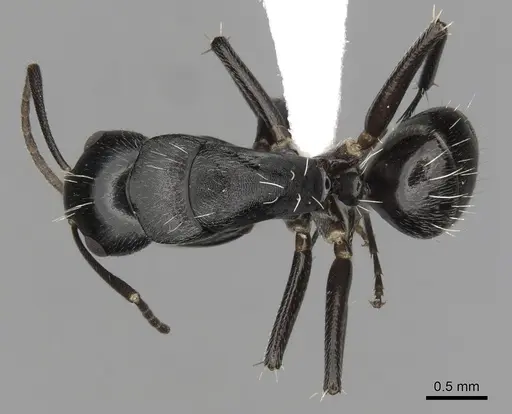
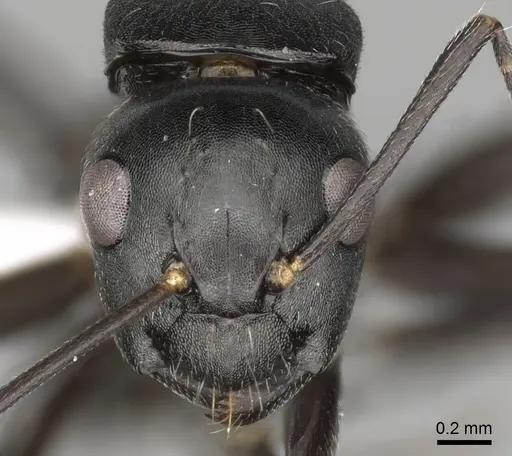
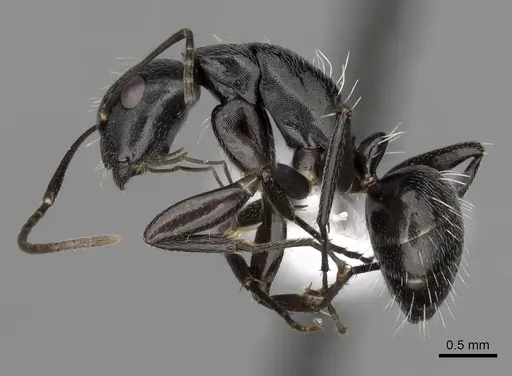
CASENT0415267
Bekijk op AntWeb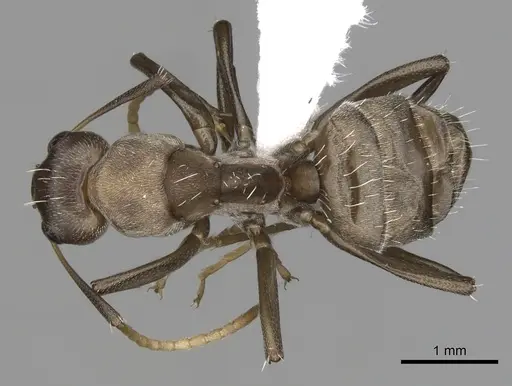
CASENT0910494
Bekijk op AntWeb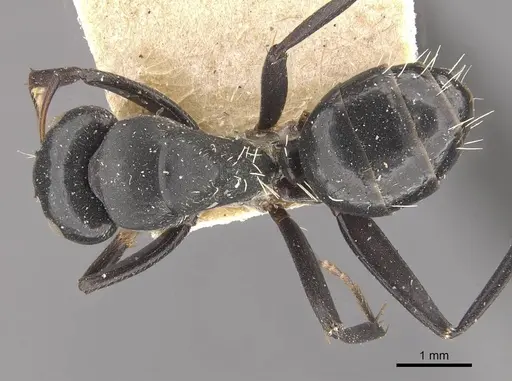
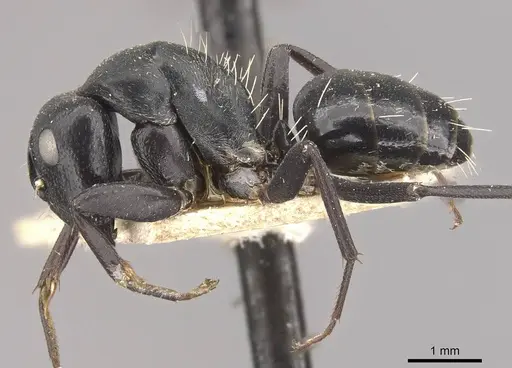
CASENT0910495
Bekijk op AntWeb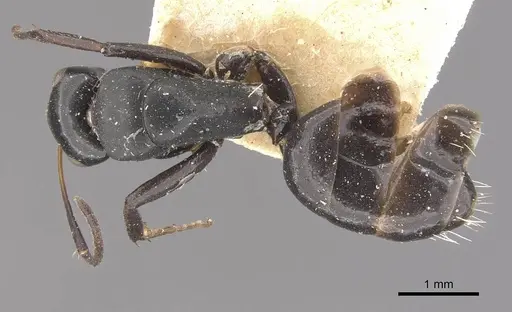
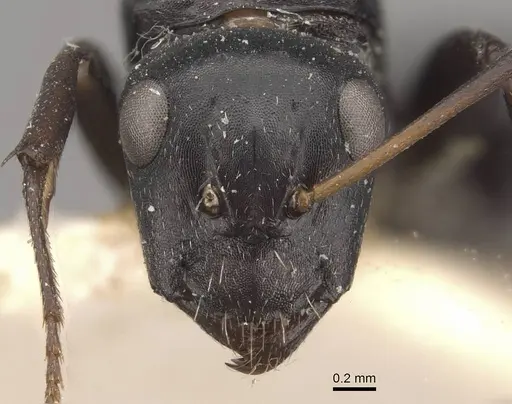
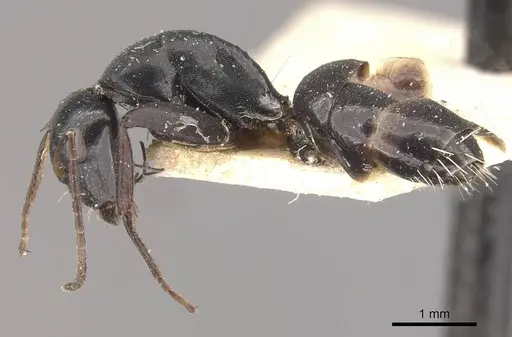
CASENT0911844
Bekijk op AntWeb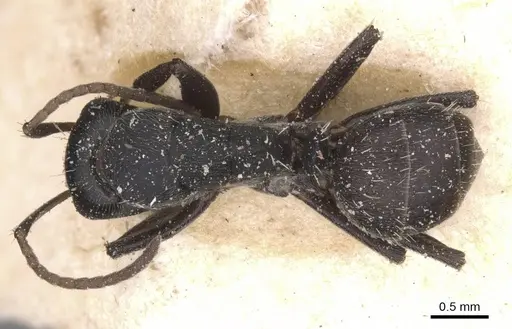
Literatuur
Verspreidingskaart laden...Producten laden...