
Camponotus schulzi
- Wetenschappelijke naam
- Camponotus schulzi
- Subgenus
- Myrmentoma
- Tribus
- Camponotini
- Subfamilie
- Formicinae
- Auteur
- Salata <i>et al.</i>, 2019
- Verspreiding
- Gevonden in 0 landen
Introductie
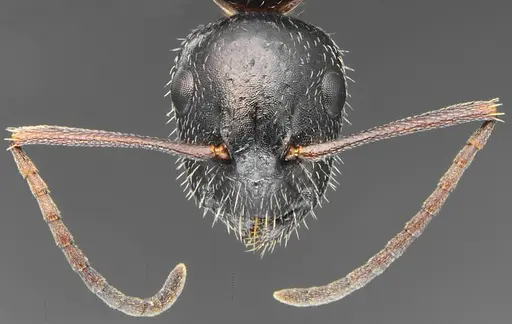
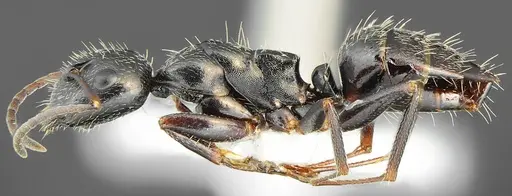
Camponotus schulzi is a small carpenter ant native to western Turkey and Greece. Workers are distinctly polymorphic - major workers can be 1.5 times longer than minor workers . The entire body is uniformly black, including the head, mesosoma, and gaster, with legs ranging from brown to black . This species belongs to the Camponotus kiesenwetteri group and was described in 2019. The species was named after Andreas Schulz, a German amateur myrmecologist who collected much of the material from the Aegean region [AntWiki]. This ant is notable for being a montane species - it was collected at altitudes of 1150-1500 meters in the Bozdag Mountains of Turkey . Like other members of its species group, it prefers warm, arid habitats within coniferous forests, particularly pine forests, where workers can be found foraging on tree trunks and branches . Nothing has been published specifically about the biology of Camponotus schulzi, so keepers must rely on what we know about its close relatives in the kiesenwetteri group.
Quick Summary
- Difficulty: Medium
- Origin & Habitat: Western Turkey (Izmir Province, Bozdag Mountains) and Greece. Found at high altitudes of 1150-1500m in mountainous areas. In nature, they nest in soil, typically sandy soil under trees, between roots, or under small stones [1]. They prefer warm, arid habitats within coniferous forests, especially pine forests [1].
- Colony Type: Colony structure is unconfirmed for this species. Based on typical Camponotus patterns, they likely form single-queen colonies (monogyne), though this has not been directly documented.
- Size & Growth:
- Queen: Size data unavailable, no published measurements for queens exist. Based on Camponotus genus patterns, queens are likely larger than majors, possibly 9-12mm
- Worker: Polymorphic, major workers are approximately 1.5 times longer than minor workers. No total body length measurements are available, but head length measurements indicate majors are significantly larger than minors [1].
- Colony: Unknown, no published data on maximum colony size for this species.
- Growth: Unknown, development data has not been documented for this species.
- Development: Unknown, specific development time has not been documented for this species. (Development time is unknown. Related species in the genus typically take several months from egg to first worker.)
- Antkeeping:
- Temperature: Keep nest area at 24-28°C. This species comes from warm, arid Mediterranean habitats and tolerates higher temperatures well. A heating cable on one side of the nest creates a temperature gradient they can choose from [1].
- Humidity: Low to moderate. These ants naturally inhabit warm, dry pine forest habitats. Keep the nest substrate slightly moist but allow it to dry between waterings. Avoid constant dampness, think sandy, well-drained soil conditions [1].
- Diapause: Likely yes. Based on their origin in temperate Turkey and Greece, they probably require a winter rest period. Keep at 10-15°C for 2-3 months during winter. This aligns with other Camponotus species from similar climates.
- Nesting: In captivity, they do well in Y-tong (AAC) nests, plaster nests, or naturalistic setups. They naturally nest in soil under stones or between roots, so a nest with some soil chambers works well. Avoid overly humid conditions, these are not rainforest ants [1].
- Behavior: Workers are primarily arboreal, spending most of their time on tree trunks and branches in the wild [1]. They are active throughout the day with peak activity at dusk [1]. They are not particularly aggressive toward keepers. Like all Formicinae, they lack a functional sting but can bite and spray formic acid from their acidopore if provoked. They are moderate escape artists for their size, ensure your formicarium has tight-fitting barriers. Workers will forage for honeydew and small insects on vertical surfaces, so provide climbing structures in the outworld.
- Common Issues: high altitude origins mean they may be sensitive to overheating, avoid temperatures above 30°C, colonies may grow slowly, no specific growth data is available for this species, dry habitat preferences mean overwatering can cause mold problems in the nest, since they nest in soil in the wild, they may struggle with fully artificial nests if humidity is not properly balanced, as a newly described species (2019), captive breeding information is limited, be prepared for a learning curve, minor workers are very small and can slip through tiny gaps, check for escape routes regularly
Housing and Nest Setup
Camponotus schulzi does well in Y-tong (AAC) nests, plaster nests, or naturalistic setups that mimic their natural soil-nesting behavior. Since they naturally nest in sandy soil under stones or between roots, a nest with some soil-filled chambers works particularly well. They are not large ants so chambers don't need to be oversized. Provide a water test tube as a hydration source in the outworld. Because they come from dry, warm habitats, ensure good ventilation to prevent mold while maintaining slight substrate moisture. The outworld should include climbing structures since workers are arboreal and feel more comfortable moving on vertical surfaces rather than open ground. [1][2]
Feeding and Diet
Like other Camponotus species, C. schulzi is omnivorous. In the wild, workers forage on tree trunks for honeydew from aphids and scale insects, plus small insects and other protein sources [1]. In captivity, offer a mix of sugar sources (honey water, sugar water) and protein (small insects like fruit flies, small mealworms, or crickets). Feed protein 1-2 times per week, and keep a constant sugar source available. Since they are arboreal foragers, place food on elevated surfaces or climbing structures in the outworld rather than on the floor. Remove uneaten prey after 24-48 hours to prevent mold.
Temperature and Seasonal Care
Keep the nest at 24-28°C, with a slight gradient if possible. This species tolerates warm conditions well since it naturally inhabits warm, arid Mediterranean pine forests in Turkey [1]. A heating cable on one side of the nest (placed on top to avoid drying out the nest) allows workers to regulate their temperature by moving between warmer and cooler areas. During winter, provide a diapause period of 2-3 months at 10-15°C to simulate their natural seasonal cycle. This aligns with their origin in temperate western Turkey and Greece where temperatures drop significantly in winter. Reduce feeding during diapause and keep the colony relatively undisturbed.
Colony Development and Growth
As a newly described species (2019), specific development data for Camponotus schulzi is not available. The colony will grow from a founding cluster to adult workers over time. These ants are distinctly polymorphic, major workers can be 1.5 times larger than minor workers [1]. This polymorphism becomes more pronounced as the colony grows. Founding colonies should be left mostly undisturbed and fed sparingly, overfeeding in the early stages often causes mold problems that can kill the colony. Once workers are established (usually 20+ workers), you can gradually increase feeding.
Behavior and Foraging
Workers are primarily active on tree trunks and branches in the wild, though they also forage on the ground and in leaf litter [1]. They are active throughout the day with peak foraging at dusk [1]. In captivity, they will explore the outworld but prefer to travel along edges and climbing structures. They are not aggressive toward keepers and typically flee rather than attack when disturbed. Like all Formicinae, they lack a functional sting but may bite and spray formic acid if handled roughly. They are moderate escape artists, use standard barrier methods like fluon on the rim of the formicarium. Their small size means they can slip through small gaps, so check for escape routes regularly.
Frequently Asked Questions
How long does it take for Camponotus schulzi to have first workers?
This is unknown. Specific development time for Camponotus schulzi has not been documented in scientific literature.
Is Camponotus schulzi a good species for beginners?
This is a medium-difficulty species. They are more forgiving than tropical ants but require attention to temperature and humidity. As a newly described species (2019), less captive husbandry information is available compared to more common ants. Beginners should ensure they can provide the warm, dry conditions this species needs.
What do Camponotus schulzi ants eat?
They are omnivorous. Offer sugar sources (honey water, sugar water) constantly and protein (small insects like fruit flies, small mealworms) 1-2 times per week. They naturally forage on tree trunks, so place food on elevated surfaces or climbing structures in the outworld.
What temperature do Camponotus schulzi need?
Keep the nest at 24-28°C. They come from warm Mediterranean habitats in Turkey and Greece and tolerate heat well. A heating cable on one side of the nest creates a gradient they can use to regulate their temperature.
Do Camponotus schulzi need hibernation?
Yes, likely a 2-3 month winter rest at 10-15°C. This species comes from temperate Turkey and Greece where winters are cool. Reduce feeding during this period and keep the colony undisturbed.
How big do Camponotus schulzi colonies get?
Colony size is not documented. Based on related species in the kiesenwetteri group, colonies may reach several hundred workers over time. They are distinctly polymorphic with major workers significantly larger than minors.
Can I keep multiple Camponotus schulzi queens together?
This has not been documented. Based on typical Camponotus behavior, it is likely single-queen (monogyne) species. Combining unrelated queens is not recommended as they typically fight.
What type of nest is best for Camponotus schulzi?
Y-tong (AAC) nests, plaster nests, or naturalistic setups with soil chambers work well. They naturally nest in soil under stones or between roots in sandy soil. Ensure good ventilation while maintaining slight moisture, these are dry habitat ants, not rainforest species.
Why are my Camponotus schulzi dying?
Common issues include: overheating (keep below 30°C), overwatering causing mold, or improper diapause. Since they come from high-altitude montane habitats, they may be sensitive to constant heat. Also ensure escape prevention, minors are very small and can slip through tiny gaps.
Report an Issue
The current care sheet is based fully on literature. See inconsistencies, or something that's incorrect? Please , it will be resolved after review from an admin. Contributing to the blogs tab also helps providing information, to make us be able to further improve the caresheets. Thank you for your support!
References

Dit verzorgingsblad is gelicentieerd onder CC BY-SA 4.0 .
Community-blogs
CASENT0876001
Bekijk op AntWeb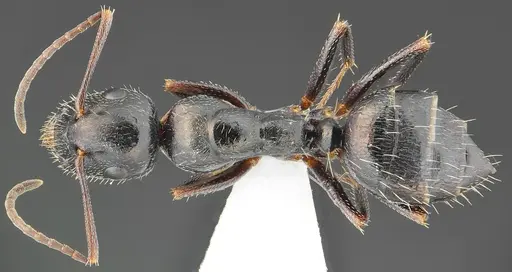
Literatuur
Verspreidingskaart laden...Producten laden...