
Camponotus orinobates
- Wetenschappelijke naam
- Camponotus orinobates
- Subgenus
- Paramyrmamblys
- Tribus
- Camponotini
- Subfamilie
- Formicinae
- Auteur
- Santschi, 1919
- Verspreiding
- Gevonden in 1 landen
Introductie
Camponotus orinobates is a carpenter ant species native to East Africa, found in Kenya and Rwanda [AntWiki]. This species belongs to the Formicinae subfamily and Camponotini tribe. Workers vary in size with major workers larger than minors - exact measurements for this species are not available, but genus members typically range from 6-10mm. In the wild, they nest in the ground, rotten branches, and twigs, rarely entering living wood . They are highly generalistic in diet, accepting a wide variety of food sources . The genus Camponotus is one of the most diverse ant groups globally, known for nesting in wood and typically nocturnal foraging patterns.
Quick Summary
- Difficulty: Medium
- Origin & Habitat: This species comes from the Afrotropical region, specifically Kenya and Rwanda. In Rwanda, they have been recorded in Akagera National Park and the Nyungwe tropical rainforest at elevations around Igishigishigi and Karamba sites [3][2]. They inhabit areas from humid rainforests to drier savannah environments, demonstrating adaptability to different microhabitats [2]. The type localities in Kenya include Mt Kenya's eastern slope at unspecified elevation, the Ambous River at 1800m, and Kijabé at 2100m [1].
- Colony Type: Colony structure is unconfirmed for this specific species. Based on typical Camponotus patterns, they likely form single-queen (monogyne) colonies.
- Size & Growth:
- Queen: Size data unavailable, inferred from Camponotus genus (~12-16mm)
- Worker: Size data unavailable, inferred from Camponotus genus (~6-10mm, majors larger than minors)
- Colony: Maximum colony size data unavailable, inferred from Camponotus genus (several hundred workers)
- Growth: Moderate, inferred from Camponotus genus patterns
- Development: Estimated 6-10 weeks at 24-26°C, inferred from related Camponotus species (Development time is estimated from related species, specific timing for C. orinobates has not been directly studied)
- Antkeeping:
- Temperature: Keep around 24-26°C with a slight gradient. A heating cable on one side of the nest can create a temperature gradient if needed, inferred from Camponotus genus patterns.
- Humidity: Moderate humidity around 50-60%. They tolerate a range from humid rainforest to drier conditions in the wild [2]. Keep the nest substrate slightly moist but not waterlogged. Provide a water tube as a constant moisture source.
- Diapause: Likely not required, this is a tropical/subtropical species from East Africa. However, a slight cooling period during winter months may be beneficial if kept in a temperate climate. More research needed on their exact seasonal requirements.
- Nesting: Provide a nest with rotting wood or a test tube setup. In captivity, Y-tong (AAC) nests or plaster nests work well. They prefer narrow chambers typical of their natural nesting in twigs and rotten branches [2]. Avoid very large, open spaces, they do best in appropriately scaled chambers.
- Behavior: Based on Camponotus genus patterns, they are generally calm and non-aggressive. Workers are moderately sized and primarily nocturnal foragers in the wild but may adjust to daytime feeding in captivity. Escape risk is moderate, ensure standard barrier precautions but they are not particularly escape-prone like tiny species. They are generalist feeders and will accept most offered foods.
- Common Issues: colonies may stall if temperatures drop too low, keep warm and stable, overfeeding can lead to mold in the nest, remove uneaten food promptly, wild-caught colonies may have parasites, quarantine and monitor new colonies, queens can be difficult to establish in captivity, provide quiet, dark location during founding, test tube setups work well for founding but may need upgrading as colony grows
Nest Preferences and Housing
In the wild, Camponotus orinobates nests in the ground, rotten branches, and twigs, rarely entering living wood [2]. For captive care, provide a nest that mimics these conditions. Y-tong (AAC) nests work well because they allow you to control humidity easily. Plaster nests are another good option as they hold moisture well. Test tubes can work for founding colonies but may need to be upgraded as the colony grows. The chambers should be appropriately sized, not too large or open, as these ants prefer tight, enclosed spaces similar to what they would find in twigs and rotten wood in nature. Ensure the nest has some darkness as they prefer dim conditions during founding.
Feeding and Diet
Camponotus orinobates is highly generalistic, meaning they accept a wide variety of foods [2]. Offer protein sources like small insects (fruit flies, mealworms, small crickets), and sugar sources such as sugar water, honey, or diluted honey. In the wild, they likely forage for honeydew from aphids and other small invertebrates. Feed them small prey items 2-3 times per week, and keep a constant sugar water or honey supply available. Remove any uneaten prey after 24 hours to prevent mold. They are not particularly picky eaters, which makes them easier to keep than some specialist species.
Temperature and Seasonal Care
This East African species prefers warm conditions. Keep the nest area around 24-26°C for optimal brood development. They can tolerate slightly cooler temperatures but may become less active. A heating cable placed on one side of the nest can create a gentle temperature gradient, allowing the ants to choose their preferred warmth. Since they come from a tropical/subtropical region, they likely do not require a true hibernation diapause. However, if you keep them in a temperate climate, a slight reduction in temperature during winter months (down to around 18-20°C) may simulate their natural seasonal cycle. Avoid sudden temperature changes and keep conditions stable.
Defense Mechanism
Camponotus orinobates belongs to the Formicinae subfamily, which lacks a functional sting. Instead, they defend by biting the target and spraying a stream of concentrated formic acid from an acidopore into the wound. This is a common defense mechanism across the Formicinae subfamily.
Behavior and Colony Dynamics
Camponotus orinobates follows typical carpenter ant behavior, they are generally calm and not overly aggressive based on genus patterns. Workers are moderately sized and primarily nocturnal foragers in the wild, though they may adjust their activity patterns in captivity. The colony starts with a single claustral queen who seals herself in a chamber and raises the first workers alone using her stored fat reserves. Once the first workers (nanitics) emerge, the colony grows progressively. Major workers develop as the colony matures, taking on different roles. These ants communicate through chemical signals and will defend their colony if threatened. They are not known for being particularly escape-prone, but standard barrier precautions are always recommended.
Frequently Asked Questions
How long does it take for Camponotus orinobates to raise first workers?
Based on typical Camponotus development, expect 6-10 weeks from egg to first worker at optimal temperature (24-26°C). The exact timeline for this specific species has not been studied, so this is an estimate from related species.
What do Camponotus orinobates ants eat?
They are generalist feeders. Offer small insects like fruit flies, mealworms, or small crickets for protein, and provide constant access to sugar water or honey. They will also accept other sweet liquids and may scavenge on small pieces of fruit.
Can I keep multiple Camponotus orinobates queens together?
Colony structure is unconfirmed for this species. Based on typical Camponotus patterns, they likely form single-queen (monogyne) colonies. Combining unrelated queens is not recommended as they will likely fight. Only one queen should be kept per colony.
What temperature do Camponotus orinobates need?
Keep them warm at 24-26°C. A slight temperature gradient is ideal so ants can move to warmer or cooler areas as needed. Avoid temperatures below 18°C for extended periods.
Are Camponotus orinobates good for beginners?
They are rated as medium difficulty. They are more forgiving than some species but do require stable warm conditions. Their generalist diet makes feeding straightforward. They are a good intermediate species for antkeepers who have kept simpler species like Lasius.
How big do Camponotus orinobates colonies get?
Maximum colony size data unavailable, inferred from Camponotus genus patterns, colonies commonly reach several hundred workers in captivity.
Do Camponotus orinobates need hibernation?
Probably not, they come from tropical East Africa. A slight cooling in winter may be beneficial if kept in a temperate climate, but a true hibernation diapause is likely not required.
When should I move my colony to a formicarium?
Move them when the test tube becomes crowded or when you see significant brood development. For Camponotus, this is typically when the colony reaches 20-30 workers. Make sure the formicarium has appropriately sized chambers.
Why is my Camponotus orinobates colony not growing?
Check temperature first, they need warmth for brood development. Also ensure the queen is still alive and laying eggs. Poor nutrition or too-low humidity can also slow growth. If the colony is newly founded, be patient, claustral queens take time to raise first workers.
Report an Issue
The current care sheet is based fully on literature. See inconsistencies, or something that's incorrect? Please , it will be resolved after review from an admin. Contributing to the blogs tab also helps providing information, to make us be able to further improve the caresheets. Thank you for your support!
References

Dit verzorgingsblad is gelicentieerd onder CC BY-SA 4.0 .
Community-blogs
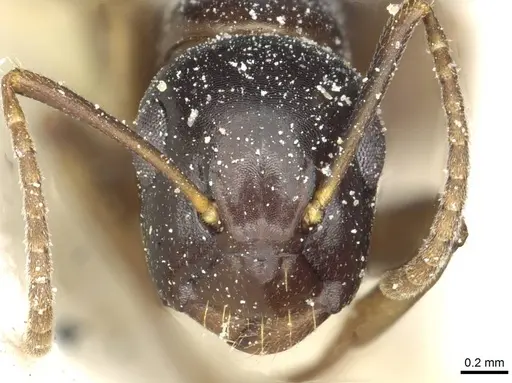
CASENT0911874
Bekijk op AntWeb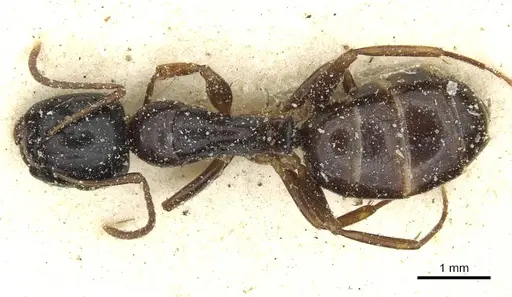
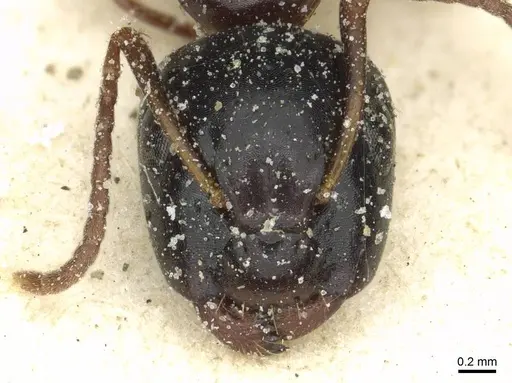
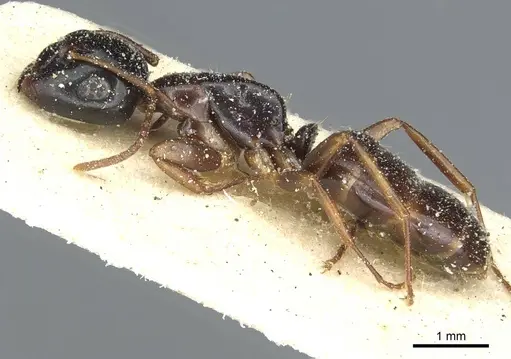
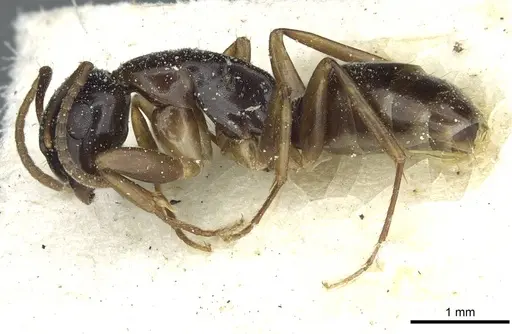
CASENT0911875
Bekijk op AntWeb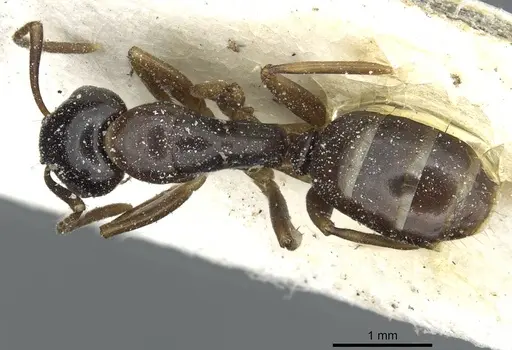
Literatuur
Verspreidingskaart laden...Producten laden...