
Camponotus fervidus
- Wetenschappelijke naam
- Camponotus fervidus
- Subgenus
- Tanaemyrmex
- Tribus
- Camponotini
- Subfamilie
- Formicinae
- Auteur
- Donisthorpe, 1943
- Verspreiding
- Gevonden in 0 landen
Introductie
Camponotus fervidus is a carpenter ant species native to the Indomalaya region, specifically found in Borneo, Indonesia, and Malaysia (Sarawak) [AntWiki]. The species was originally described as Formica fervens by Smith in 1857 but was renamed C. fervidus by Donisthorpe in 1943 after the original name was found to be a junior primary homonym [AntWiki]. This is a poorly documented species with limited scientific research available. As a tropical Camponotus from Borneo, it likely shares typical carpenter ant behaviors including nesting in wood and tending honeydew-producing insects. Like other Formicinae, it lacks a functional sting and instead defends by biting and spraying formic acid from its acidopore [AntWiki].
Quick Summary
- Difficulty: Medium
- Origin & Habitat: Borneo, Indonesia, and Malaysia (Sarawak). This is a tropical species from the Indomalaya region, typically found in forested areas where it likely nests in rotting wood or under bark [1][2].
- Colony Type: Colony structure is unconfirmed. Most Camponotus species are single-queen (monogyne) colonies, though this has not been specifically documented for C. fervidus.
- Size & Growth:
- Queen: Size data unavailable, no specific measurements exist for this species. Typical Camponotus queens range from 12-20mm.
- Worker: Size data unavailable, no specific measurements exist for this species. Typical Camponotus workers range from 4-12mm depending on caste.
- Colony: Unknown for this specific species
- Growth: Moderate, typical for Camponotus genus
- Development: Development time is unconfirmed for this species. Tropical Camponotus species typically develop faster than temperate ones. (No species-specific development data exists. Inferred from genus-level patterns.)
- Antkeeping:
- Temperature: Keep at 24-28°C. As a tropical species from Borneo, warmer conditions are appropriate. A heating cable on one side of the nest creates a gradient allowing ants to self-regulate.
- Humidity: Moderate to high humidity. Tropical forest environments are typically humid. Keep nest substrate slightly moist but not waterlogged. Provide a water tube for drinking water.
- Diapause: No true diapause required. Tropical ants from stable environments remain active year-round. If your colony shows reduced activity in winter, reduce temperature slightly rather than attempting full hibernation.
- Nesting: Y-tong (AAC) nests or plaster nests work well for medium-sized Camponotus. Provide a dark, quiet location. Naturalistic setups with rotting wood or cork bark also suit this species since they are carpenter ants that naturally nest in wood.
- Behavior: Generally calm and non-aggressive for a Camponotus species. Workers are typically slow-moving and confident when foraging. They lack a functional sting but will bite and spray formic acid if threatened. Escape risk is moderate, ensure standard escape prevention with Fluon barriers or petroleum jelly on rim edges.
- Common Issues: limited documentation means care requirements are inferred from genus patterns rather than species-specific research, tropical species are sensitive to temperature drops, keep consistently warm, carpenter ants may chew through soft materials in their enclosure, slow founding phase, queens can take months to produce first workers, wild-caught colonies may carry parasites that affect captive survival
Nest Preferences
Camponotus fervidus is a carpenter ant, meaning it naturally nests in wood. In the wild, colonies are typically found in rotting logs, under bark, or in hollow stems. For captive care, a Y-tong (AAC) formicarium works well, these provide the dark, enclosed chambers that carpenter ants prefer. Plaster nests with channels carved to appropriate sizes are also suitable. The nest should be placed in a quiet area away from direct sunlight and vibrations. An outworld area allows workers to forage and dispose of waste. Since this species comes from humid tropical environments, some moisture in the nest substrate helps, but avoid waterlogging. [2]
Feeding and Diet
Like most Camponotus species, C. fervidus is omnivorous with a preference for sugar sources. Offer a constant supply of sugar water or honey diluted with water. They also readily accept protein sources including mealworms, crickets, and other insects. Feed protein prey several times per week, adjusting based on colony size and brood development. Remove uneaten prey after 24-48 hours to prevent mold. Fresh water should always be available, a test tube with a cotton plug works well. [2]
Temperature and Seasonal Care
As a tropical species from Borneo, C. fervidus requires warm conditions year-round. Maintain nest temperatures between 24-28°C. Temperatures below 22°C can slow activity and brood development significantly. A small heating cable placed on one end of the nest creates a thermal gradient that ants can use to self-regulate. Place the heating element on top of the nest rather than underneath to avoid drying out the substrate. Unlike temperate species, this ant does not require a true hibernation period. During winter, simply reducing room temperature slightly may be sufficient if the colony shows reduced activity. Avoid sudden temperature changes. [2]
Colony Founding and Growth
Queen founding is likely claustral, the queen seals herself in a small chamber and raises the first brood alone without foraging. She relies entirely on stored fat reserves and wing muscles for energy. This process can take several months depending on temperature. The first workers (nanitics) are typically smaller than mature workers. After the nanitics emerge, the colony expands gradually. Camponotus colonies are long-lived. Growth is moderate, expect the first year to produce a modest number of workers. Patience is essential during the founding phase. [2]
Behavior and Temperament
Camponotus fervidus is generally a calm, non-aggressive species. Workers are relatively slow-moving compared to some active ants, which makes them interesting to observe. They are primarily nocturnal or crepuscular foragers in the wild, though they may remain active throughout the day in captivity. When threatened, they may bite and spray formic acid but rarely sting. Workers communicate using chemical trails and may employ tandem running to recruit nestmates to food sources. This species is not known for being particularly escape-prone, but standard escape prevention measures should still be used. [2]
Frequently Asked Questions
How long does it take for Camponotus fervidus to produce first workers?
Development time is unconfirmed for this species. Expect several months from egg to first worker at optimal temperatures. The queen seals herself in during founding and raises the first brood alone. Patience is critical, some colonies take 3-6 months to produce nanitics.
What do Camponotus fervidus ants eat?
They are omnivorous. Offer sugar water or honey constantly as their primary energy source. Feed protein (insects like mealworms, crickets) several times per week. They will also accept fruit and other sweet substances. Always provide fresh water.
What temperature is best for Camponotus fervidus?
Keep them at 24-28°C. As a tropical species from Borneo, they need consistent warmth. A heating cable on part of the nest creates a gradient. Avoid temperatures below 22°C for extended periods.
Is Camponotus fervidus a good species for beginners?
This is a moderate-difficulty species. The main challenge is that this species is poorly documented, so care is based on genus-level knowledge rather than species-specific research. If you have experience with other Camponotus species, this is manageable. Complete beginners may prefer better-documented species.
How big do Camponotus fervidus colonies get?
Exact colony size is unknown for this species. Based on typical Camponotus patterns, colonies can potentially reach several thousand workers over several years.
Do Camponotus fervidus need hibernation?
No true hibernation is required. As a tropical species from stable environments, they remain active year-round with only slight seasonal variations. Simply reducing temperature slightly in winter if the colony slows down is sufficient.
What type of nest is best for Camponotus fervidus?
Y-tong (AAC) formicariums or plaster nests work well. They prefer dark, enclosed spaces typical of carpenter ants. Provide appropriately sized chambers, not too large for small colonies. A naturalistic setup with cork bark or rotting wood also mimics their natural nesting preferences.
Can I keep multiple Camponotus fervidus queens together?
This is not recommended. Most Camponotus are single-queen (monogyne) species. While some can be polygyne, there is no data on this for C. fervidus specifically. Combining unrelated queens risks fighting and colony failure.
Why is my Camponotus fervidus colony declining?
Common causes include: temperature too low, insufficient food (especially protein), too much moisture causing mold, parasites from wild-caught colonies, or stress from vibrations or light. Review each parameter and make gradual adjustments.
Report an Issue
The current care sheet is based fully on literature. See inconsistencies, or something that's incorrect? Please , it will be resolved after review from an admin. Contributing to the blogs tab also helps providing information, to make us be able to further improve the caresheets. Thank you for your support!
References

Dit verzorgingsblad is gelicentieerd onder CC BY-SA 4.0 .
Community-blogs
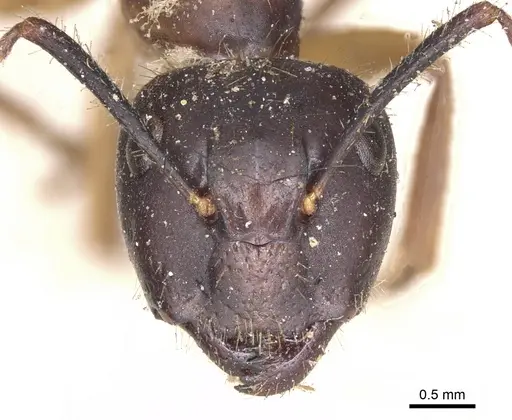
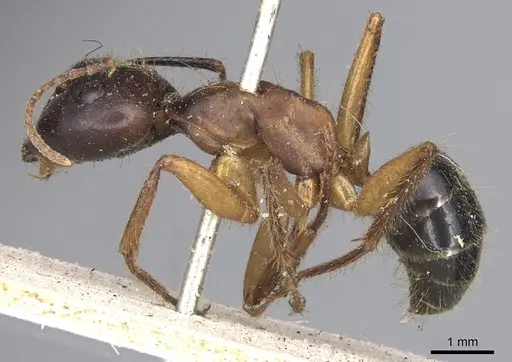
CASENT0901900
Bekijk op AntWeb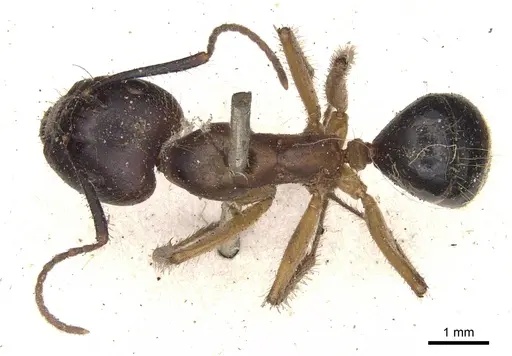
Literatuur
Verspreidingskaart laden...Producten laden...