
Camponotus cordiceps
- Wetenschappelijke naam
- Camponotus cordiceps
- Subgenus
- Myrmothrix
- Tribus
- Camponotini
- Subfamilie
- Formicinae
- Auteur
- Santschi, 1939
- Verspreiding
- Gevonden in 0 landen
Introductie
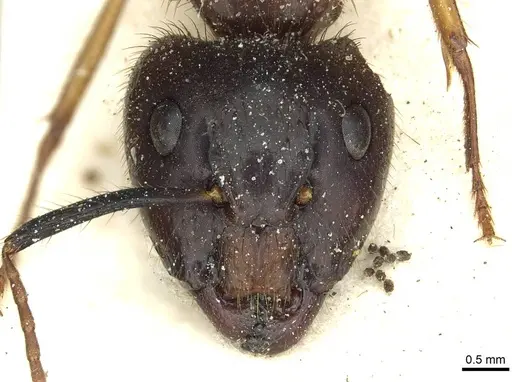
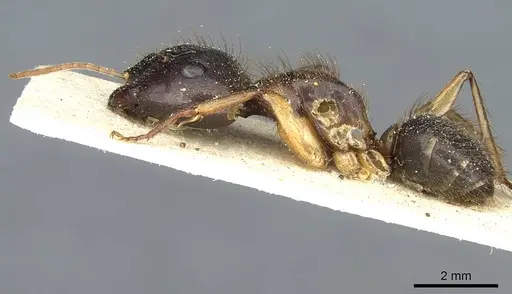
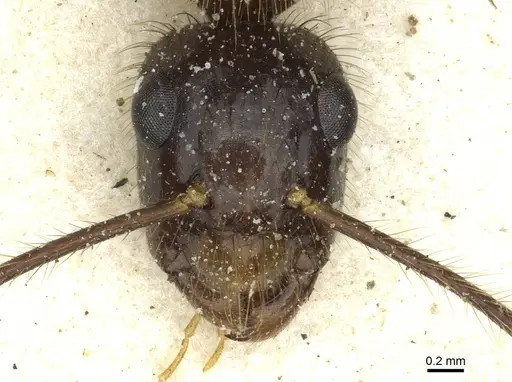
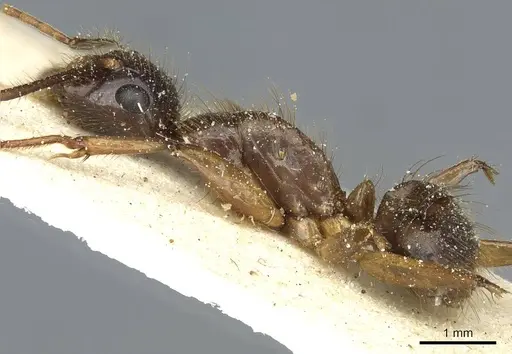
Camponotus cordiceps is a Neotropical carpenter ant species native to northern Argentina, specifically found in the provinces of Corrientes and Misiones . This ant belongs to the subgenus Myrmothrix and displays polymorphism with distinct major and minor worker castes. Workers are typically reddish-brown to dark brown with the characteristic Camponotus body shape - a rounded thorax and a relatively smooth, glossy abdomen. Major workers develop enlarged heads used for defensive tasks and brood care. As a member of the Subordinate Camponotini functional group, this species is generally less aggressive compared to other carpenter ants, making them more manageable in captivity .
Quick Summary
- Difficulty: Medium
- Origin & Habitat: Native to the Neotropical region of Argentina, specifically the provinces of Corrientes and Misiones. These areas feature subtropical humid forests with warm temperatures year-round [1].
- Colony Type: Unconfirmed. Colony structure in the wild has not been specifically documented for this species.
- Size & Growth:
- Queen: Size data unavailable for this species, inferred from Camponotus genus patterns to be approximately 12-18mm
- Worker: Minor workers: approximately 6-9mm, Major workers: approximately 10-14mm, inferred from Camponotus genus patterns [2]
- Colony: Estimated up to several thousand workers based on typical Camponotus colony development
- Growth: Moderate, Camponotus species typically take several months to a year to establish first workers
- Development: Estimated 6-10 weeks at optimal temperature based on typical Camponotus development (Development time varies with temperature, warmer conditions within acceptable range accelerate development)
- Antkeeping:
- Temperature: Keep nest area at 24-28°C. Argentina's Misiones province experiences warm subtropical conditions. A heating cable on one side of the nest creates a gentle gradient allowing ants to self-regulate.
- Humidity: Maintain moderate to high humidity (60-80%). The subtropical forest habitat suggests they prefer moist conditions. Keep nest substrate consistently damp but not waterlogged.
- Diapause: Unlikely, being from subtropical Argentina, year-round activity is probable. However, a slight winter slowdown period (4-6 weeks at 15-18°C) may be beneficial if colony shows reduced activity.
- Nesting: In nature, Camponotus species typically nest in rotting wood, under bark, or in hollow stems. In captivity, Y-tong (AAC) nests, plaster nests, or naturalistic setups with wood pieces work well. They prefer dark, secure nesting sites.
- Behavior: This species is part of the Subordinate Camponotini group, indicating generally peaceful temperament with low aggression toward conspecifics and keepers [1]. Workers are moderately active foragers that search for sugar sources and protein. They are not known to be particularly aggressive or territorial. Escape prevention is important, use standard Camponotus-level barriers as workers can squeeze through small gaps when determined. As a Formicine ant, they lack a functional sting but can bite and spray formic acid from their acidopore as a defense mechanism.
- Common Issues: slow founding phase can lead to beginner impatience and overfeeding, colonies may stall if temperature drops too low or fluctuates wildly, wild-caught colonies may carry parasites that cause colony collapse, major workers can block nest entrances if they feel threatened, give them space
Nest Preferences and Setup
Camponotus cordiceps will readily accept most standard captive nest setups. Y-tong (AAC) nests work exceptionally well, providing the dark, secure environment these ants prefer. The nest should have chambers appropriately sized to the colony size, too large and the ants may feel exposed. Plaster nests or naturalistic setups with rotting wood pieces also mimic their natural nesting preferences. Ensure the nest has a built-in water reservoir to maintain humidity without over-wetting the substrate. Given their subtropical origin, these ants appreciate a humid environment but also need some ventilation to prevent mold buildup. [2]
Feeding and Diet
Like other Camponotus species, Camponotus cordiceps is omnivorous with a preference for sugar sources. Offer a constant supply of sugar water (1:3 ratio sugar to water) or honey diluted with water. For protein, provide insects such as mealworms, small crickets, or fruit flies. They will also accept small amounts of fruit or seeds. Feed protein sources 2-3 times per week, adjusting based on colony size and consumption. Remove uneaten prey after 24-48 hours to prevent mold. During the founding phase, if the queen is claustral, she would require no food as she relies on stored fat reserves to raise her first brood, however, founding behavior is unconfirmed for this species.
Temperature and Seasonal Care
Maintain nest temperatures between 24-28°C for optimal brood development. This species originates from the warm subtropical region of Argentina where temperatures remain relatively stable year-round. A heating cable placed on one side of the nest creates a thermal gradient that allows ants to regulate their own temperature. Avoid temperatures below 20°C for extended periods as this can slow development and weaken the colony. While a true diapause may not be required, some keepers report reduced activity during winter months, if observed, a brief 4-6 week period at 15-18°C can be provided, but this is optional for this subtropical species. [1]
Colony Founding and Development
Founding behavior is unconfirmed for this specific species. Based on typical Camponotus patterns, the founding queen may seal herself into a small chamber and raise her first brood on stored fat reserves. This founding phase typically lasts several months until the first workers (nanitics) emerge. These first workers are smaller than mature workers but immediately begin foraging to feed the growing colony. Growth is moderate, expect several months before you see major workers developing. Patience is key during the founding phase as overfeeding or disturbing the queen can cause colony failure.
Behavior and Temperament
As a member of the Subordinate Camponotini functional group, this species displays relatively peaceful temperament compared to more aggressive Camponotus like C. floridanus or C. pennsylvanicus [1]. Workers are not particularly aggressive and are unlikely to swarm even when the nest is disturbed. Major workers may block nest entrances with their enlarged heads when threatened, this is a defensive behavior, not an attack. Workers are moderately active foragers, primarily searching for honeydew and small insects. They do not exhibit extreme escape artist behavior but standard barrier precautions should still be taken. The presence of major workers adds visual interest to established colonies.
Frequently Asked Questions
How long does it take for Camponotus cordiceps to produce first workers?
Estimated 6-10 weeks from egg to first worker at optimal temperature (24-28°C). This is typical for Camponotus species. If the queen is claustral, she seals herself in and raises the first brood entirely on stored fat reserves, though founding behavior is unconfirmed for this species.
What do Camponotus cordiceps eat?
They are omnivorous with a strong preference for sugar. Offer sugar water or diluted honey constantly. For protein, provide insects like mealworms, small crickets, or fruit flies 2-3 times per week. They will also accept small fruit pieces.
Are Camponotus cordiceps good for beginners?
They are rated Medium difficulty. While more forgiving than some species, the long founding phase (several months to first workers) requires patience. Their peaceful temperament makes them manageable once established.
What temperature do Camponotus cordiceps need?
Keep nest temperatures between 24-28°C. Being from subtropical Argentina, they prefer warm, stable conditions. A heating cable on one side of the nest creates a gradient for self-regulation.
How big do Camponotus cordiceps colonies get?
Based on typical Camponotus patterns, mature colonies can reach several thousand workers over several years. The presence of major workers typically appears after the colony is well-established.
Can I keep multiple Camponotus cordiceps queens together?
Not recommended. While colony structure is not specifically documented for this species, Camponotus are typically single-queen species. Combining unrelated queens often results in fighting.
Do Camponotus cordiceps need hibernation?
Unlikely, being from subtropical Argentina, they do not require a true diapause. Some reduction in activity during winter months may occur naturally, but a formal hibernation period is not necessary.
When should I move Camponotus cordiceps to a formicarium?
Wait until the colony has 20-30 workers before moving from the founding setup. A test tube or small container works fine for the founding phase. Moving too early can stress the colony and cause queen abandonment.
Why is my Camponotus cordiceps colony not growing?
Common causes include: temperatures below 20°C, overfeeding leading to mold, insufficient protein, or disturbance during the critical founding phase. Ensure optimal conditions and minimize nest disturbances until workers emerge.
Report an Issue
The current care sheet is based fully on literature. See inconsistencies, or something that's incorrect? Please , it will be resolved after review from an admin. Contributing to the blogs tab also helps providing information, to make us be able to further improve the caresheets. Thank you for your support!
References

Dit verzorgingsblad is gelicentieerd onder CC BY-SA 4.0 .
Community-blogs
CASENT0911812
Bekijk op AntWeb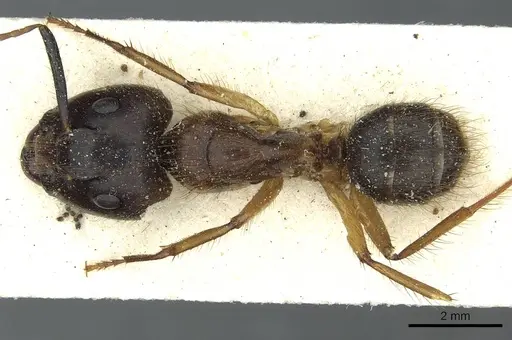
CASENT0911813
Bekijk op AntWeb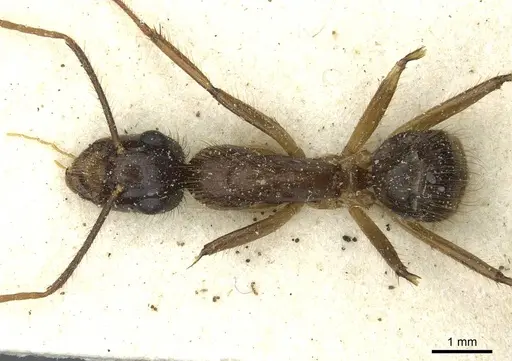
Literatuur
Verspreidingskaart laden...Producten laden...