
Camponotus concilians
- Wetenschappelijke naam
- Camponotus concilians
- Subgenus
- Myrmoplatys
- Tribus
- Camponotini
- Subfamilie
- Formicinae
- Auteur
- Forel, 1915
- Verspreiding
- Gevonden in 0 landen
Introductie
Camponotus concilians is a small carpenter ant native to Simeulue Island, Indonesia, located about 130 km off the west coast of Sumatra. Workers measure 4-4.5mm in total length and are monomorphic, meaning all workers look the same size. Their body is yellowish brown to brown with a dark brown antennal scape, and they have a smooth to lightly sculpted appearance that gives them a subtle shine. The queen is significantly larger at 7.5mm total length and has a striking color pattern: her head, mesosoma, and petiole are extensively yellowish orange, while her gaster is black with a yellow tinge on the first segment. This species is distinctive among rattan-inhabiting ants for its pale coloration and lack of erect hairs on the mesosoma and petiole . What makes C. concilians interesting is its specialized habitat association. This ant lives exclusively inside rattan palms, nesting in the hollow stems and leaf sheaths of these climbing plants. This is unusual because most Camponotus species nest in wood or soil, making this species a specialist that requires specific conditions to thrive in captivity. The species was only recently elevated to full species status in 2021,having previously been considered a subspecies of Camponotus korthalsiae .
Quick Summary
- Difficulty: Medium
- Origin & Habitat: Simeulue Island, Aceh Province, Indonesia, a tropical island off the west coast of Sumatra. In nature, these ants live exclusively inside rattan palms, nesting in the hollow stems and leaf sheaths of these climbing plants [1]. The habitat is tropical forest with high humidity.
- Colony Type: Colony structure is unconfirmed for this species. Based on typical Camponotus patterns, single-queen colonies are most common, but this has not been specifically documented.
- Size & Growth:
- Queen: 7.5mm [1]
- Worker: 4-4.5mm [1]
- Colony: Unknown, no specific data exists for this species
- Growth: Moderate, typical for tropical Camponotus species
- Development: Estimated 6-8 weeks at tropical temperatures (25-28°C) based on typical Camponotus development (Development time is estimated from related Camponotus species as no specific study exists for this species.)
- Antkeeping:
- Temperature: Keep at 25-28°C. Being a tropical species from Indonesia, they need warm conditions year-round. A heating cable on one side of the nest creates a suitable gradient.
- Humidity: High humidity is essential, think tropical forest understory. Keep the nest substrate consistently moist but not waterlogged. Rattan stems naturally maintain humid internal conditions.
- Diapause: No, as a tropical species from near the equator, they do not require hibernation. Keep them warm year-round.
- Nesting: This is the most critical aspect. In captivity, provide a nest that mimics rattan stem conditions, narrow, enclosed chambers with high humidity. Y-tong (AAC) nests or plaster nests with tight chambers work well. Avoid dry, open setups.
- Behavior: Workers are moderately active and typically forage individually rather than in large raiding parties. As a Carpenter ant, they are not aggressive toward humans but may defend their nest if threatened. They can bite, though their small size means any bite would be minimal. Escape risk is moderate, their 4-4.5mm worker size means they can fit through small gaps, so standard escape prevention measures apply. They are likely nocturnal or crepuscular in their foraging patterns.
- Common Issues: dry conditions are the biggest killer, these ants need constant humidity to survive, improper nesting setup leading to colony abandonment or failure to accept the nest, providing inappropriate care (dry wood-nesting setup instead of humid enclosed chambers), slow founding phase leading to impatient keepers disturbing the queen, tropical temperature requirements mean they cannot be kept in cool rooms without heating
Housing and Nest Setup
The most important aspect of keeping Camponotus concilians is matching their natural nesting environment. In the wild, these ants live inside rattan palm stems, which provide narrow, enclosed, and consistently humid conditions. In captivity, you should replicate this with a Y-tong (AAC) nest or a plaster nest that has tight, narrow chambers. The chambers should be sized appropriately for their 4-4.5mm workers, not too large or they may feel exposed and vulnerable.
Avoid dry, naturalistic setups with soil or sand. These ants are specialists adapted to the protected interior of plant stems, not exposed forest floor conditions. A test tube setup can work for founding colonies if kept humid, but expect to move them to a proper formicarium once the colony reaches 15-20 workers. The nest should have a water reservoir to maintain humidity, and you should monitor moisture levels regularly, the substrate should feel consistently damp but never have standing water. [1]
Feeding and Diet
Camponotus concilians will accept a typical carpenter ant diet. Offer sugar sources regularly, a drop of honey water or sugar water every few days provides essential energy for workers and helps the queen sustain egg production. For protein, offer small insects like fruit flies, small mealworms, or cricket pieces. Given their small worker size (4-4.5mm), prey items should be appropriately sized, not larger than the ants themselves.
In their natural rattan habitat, they likely forage for honeydew from aphids or scale insects that live on the rattan palm, plus small insects they can capture. A varied diet helps ensure colony health. Feed protein 2-3 times per week for established colonies, and keep sugar water available at all times. Remove any uneaten prey after 24 hours to prevent mold issues in the humid nest environment.
Temperature and Seasonal Care
As a tropical species from Simeulue Island, Indonesia (near the equator), Camponotus concilians requires warm temperatures year-round. Keep the nest area at 25-28°C consistently. Unlike temperate ant species that need hibernation, this tropical species does not require a diapause period. In fact, cool temperatures below 20°C could slow their development significantly or even harm the colony.
Use a heating cable or heating mat on one side of the nest to maintain these temperatures, especially if your room temperature is below 25°C. Place the heating element on top of the nest (never underneath, as this can cause moisture evaporation issues). Monitor with a thermometer to ensure the warm side stays in the ideal range while providing a slight gradient so workers can self-regulate by moving between warmer and cooler areas of the nest. [1]
Colony Founding and Early Development
The founding behavior of this species has not been specifically documented. Like many Camponotus species, queens may seal themselves into a small chamber and raise the first workers (nanitics) using stored fat reserves. This founding phase typically takes 4-8 weeks at warm tropical temperatures, though exact timing is unknown for this species.
During founding, the queen needs complete darkness and minimal disturbance. Do not check on her frequently, this is a common mistake that leads to queen stress and colony failure. Once the first nanitic workers emerge, the colony will gradually expand. Be patient during this early phase, it can take several months for a founding colony to reach 20-30 workers.
Behavior and Temperament
Camponotus concilians workers are moderately active and likely forage individually or in small groups, rather than forming large raiding parties. They are not particularly aggressive toward humans, but like all carpenter ants, they can bite if threatened or handled roughly. Their small size (4-4.5mm) means any bite would be minimal and barely noticeable.
These ants are likely nocturnal or crepuscular, becoming more active during cooler parts of the day and at night when foraging in their natural rattan habitat. In captivity, you may notice increased activity in the evening hours. They are not escape artists in the aggressive sense, but their small size means they can slip through small gaps. Use standard escape prevention (fluon on rim edges, tight-fitting lids) and you should have no issues. Their specialized rattan-nesting lifestyle means they are adapted to enclosed, protected spaces and may be shy compared to more exposed-nesting ant species. [1]
Frequently Asked Questions
How long does it take for Camponotus concilians to produce first workers?
Based on typical Camponotus development, expect first workers (nanitics) to emerge around 6-8 weeks after the queen lays eggs, assuming temperatures of 25-28°C. This is an estimate since no specific development data exists for this species.
What is the best nest type for Camponotus concilians?
Y-tong (AAC) nests or plaster nests with narrow, enclosed chambers work best. These replicate their natural rattan stem habitat better than dry wood or soil-based naturalistic setups. The key is providing humid, enclosed conditions.
What do Camponotus concilians eat?
They accept typical ant foods: sugar water or honey for energy, and small insects like fruit flies, small mealworms, or cricket pieces for protein. Keep sugar water available at all times.
Do Camponotus concilians need hibernation?
No. Being a tropical species from near the equator in Indonesia, they do not require hibernation. Keep them warm year-round at 25-28°C.
Are Camponotus concilians good for beginners?
This species is rated as Medium difficulty. The main challenge is providing the correct humid, enclosed nesting conditions that mimic their rattan stem habitat. If you can maintain high humidity and warm temperatures, they are manageable for intermediate antkeepers.
How big do Camponotus concilians colonies get?
Colony size is not documented for this species. Based on related rattan-inhabiting Camponotus species, they may reach several hundred workers, but this is an estimate.
Can I keep multiple Camponotus concilians queens together?
This has not been documented for this species. Based on typical Camponotus behavior, single-queen colonies are most common. Combining unrelated queens is not recommended without specific evidence they can coexist.
Why is my Camponotus concilians colony dying?
The most common cause is dry conditions. These ants need consistently high humidity to survive. Check that the nest substrate is moist and that humidity is being maintained. Also ensure temperatures are warm enough (25-28°C).
When should I move Camponotus concilians to a formicarium?
Move them once the colony reaches 15-30 workers and the test tube setup becomes cramped. Make sure the new formicarium provides similar humid, enclosed conditions they are used to. A sudden change in nest conditions can cause colony stress.
Report an Issue
The current care sheet is based fully on literature. See inconsistencies, or something that's incorrect? Please , it will be resolved after review from an admin. Contributing to the blogs tab also helps providing information, to make us be able to further improve the caresheets. Thank you for your support!
References

Dit verzorgingsblad is gelicentieerd onder CC BY-SA 4.0 .
Community-blogs
CASENT0910512
Bekijk op AntWeb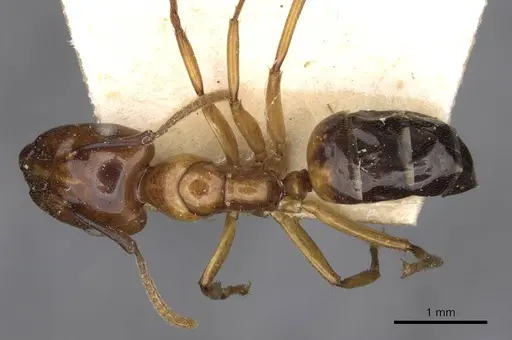
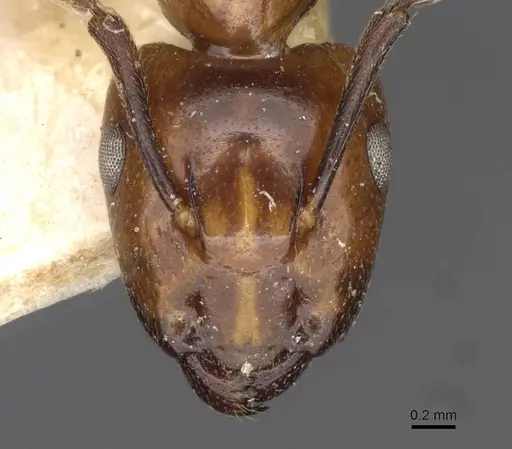
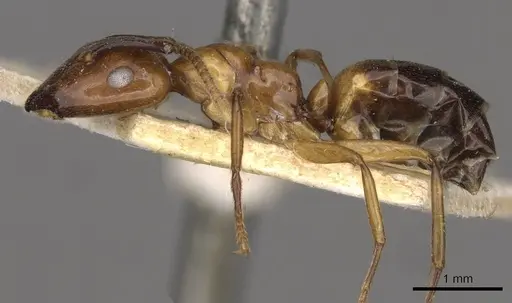
Literatuur
Verspreidingskaart laden...Producten laden...