
Camponotus barbarossa
- Wetenschappelijke naam
- Camponotus barbarossa
- Subgenus
- Myrmopelta
- Tribus
- Camponotini
- Subfamilie
- Formicinae
- Auteur
- Emery, 1920
- Verspreiding
- Gevonden in 0 landen
Introductie
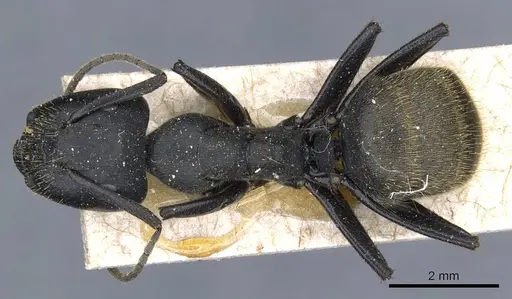
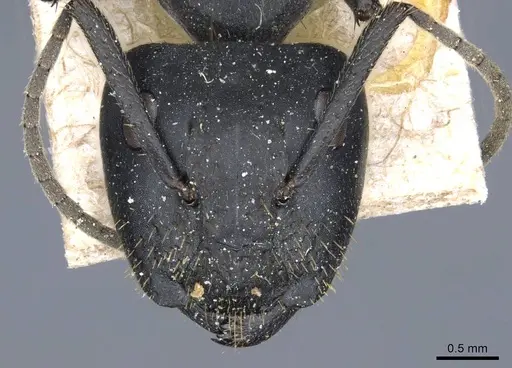
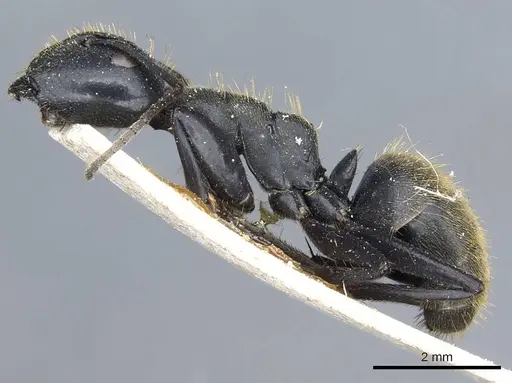
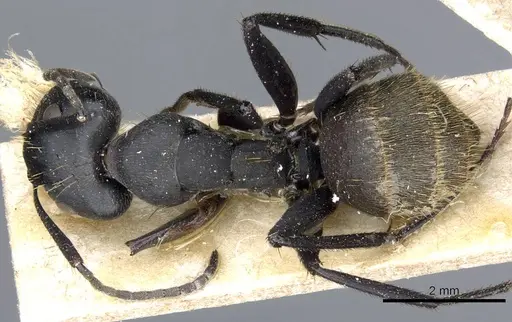
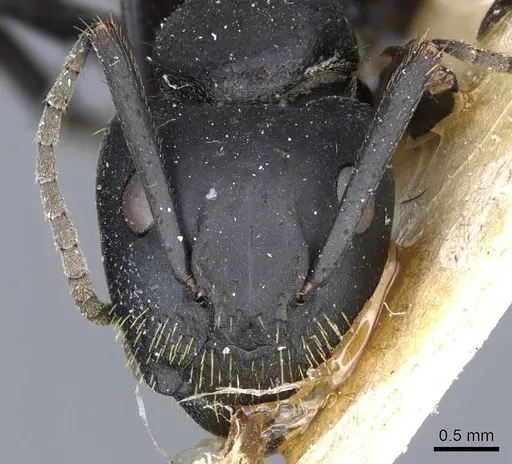
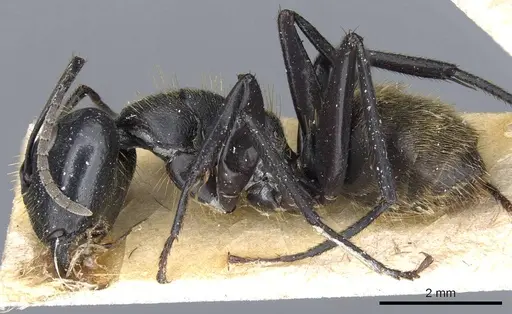
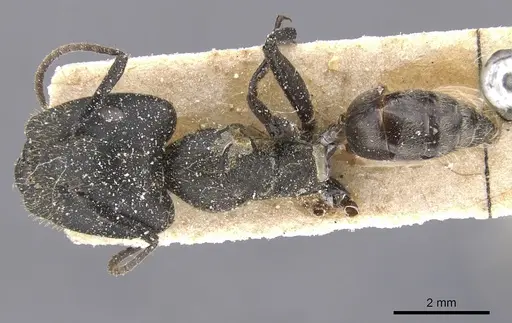
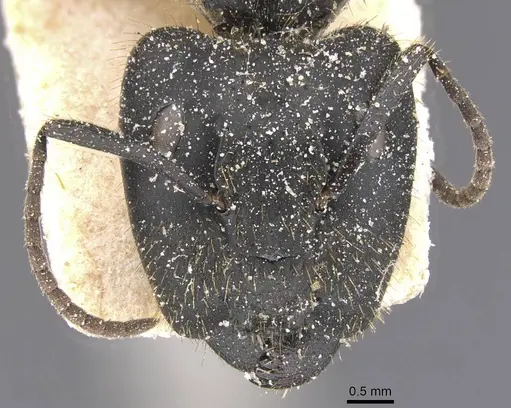
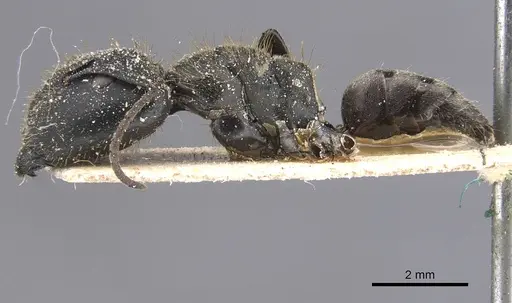
Camponotus barbarossa is a carpenter ant species native to Central Africa, documented in the Democratic Republic of Congo (provinces KN, MN) and Nigeria . These are medium to large ants with the robust, chunky build typical of carpenter ants. Workers vary in size (polymorphic), with major workers significantly larger than minors. The genus Camponotus is known for nesting in wood, though this species may also use soil cavities in its native habitat. This is a tropical species from Central Africa, which influences its temperature and humidity requirements in captivity. Like most carpenter ants, they are omnivorous, feeding on honeydew, small insects, and plant matter.
Quick Summary
- Difficulty: Medium
- Origin & Habitat: Central Africa, documented in the Democratic Republic of Congo (provinces KN, MN) and Nigeria [1][2]. Likely inhabits forest edges and woodland areas typical of Camponotus ecology in tropical regions.
- Colony Type: Colony structure for this specific species has not been directly studied. Based on typical Camponotus patterns, likely single-queen colonies.
- Size & Growth:
- Queen: ~15-18mm, inferred from Camponotus genus patterns
- Worker: ~6-14mm polymorphic (major and minor workers), inferred from Camponotus genus patterns
- Colony: Up to a few thousand workers, inferred from Camponotus genus patterns
- Growth: Moderate
- Development: ~6-10 weeks at optimal temperature, inferred from Camponotus genus patterns (Development time is temperature-dependent, warmer conditions within acceptable range accelerate development. First workers (nanitics) are typically smaller than normal workers.)
- Antkeeping:
- Temperature: Keep at 24-28°C, this is a tropical species that prefers warm conditions. A slight gradient allowing workers to self-regulate is beneficial.
- Humidity: Moderate humidity around 50-70%. Keep nest substrate slightly moist but not waterlogged. Provide a water source.
- Diapause: No true diapause required, this is a tropical species. A slight reduction in temperature during winter months may be beneficial but is not mandatory.
- Nesting: Y-tong (AAC) nests work well for medium-large carpenter ants. Plaster nests also work well and help maintain humidity. They prefer dark, secure nesting sites. Test tube setups work for founding colonies.
- Behavior: Typical carpenter ant temperament, generally calm and not overly aggressive. Workers are robust and can deliver a mild bite if threatened, combined with spraying formic acid. They are primarily nocturnal foragers in nature. Escape risk is moderate due to their larger size, standard barriers work well.
- Common Issues: tropical species may struggle in cool, dry environments, monitor temperature closely, colonies can stall if humidity drops too low, keep substrate moist, slow initial growth during founding phase is normal, avoid disturbing the queen, larger ant species can be more sensitive to disturbance during founding, minimize nest inspections
Housing and Nest Setup
Camponotus barbarossa does well in standard ant-keeping setups. For founding colonies, a test tube setup with a water reservoir works well, the queen will seal herself into a dark chamber and raise her first workers there. Once the colony reaches 15-20 workers, you can transition to a proper nest. Y-tong (AAC) nests are ideal for carpenter ants because they provide the dark, secure environment these ants prefer. Plaster nests also work well and help maintain humidity. Keep the nest in a quiet, dark location with minimal disturbance during the founding stage. Connect an outworld (foraging area) to the nest, sized appropriately for the colony. For a young colony, a small container as an outworld is sufficient, you can expand as the colony grows.
Feeding and Diet
As omnivorous carpenter ants, Camponotus barbarossa accepts a varied diet. Protein sources are essential for brood development, offer small insects like fruit flies, mealworms, or crickets. Sugar sources are readily accepted: honey water, sugar water, or commercial ant sweets provide energy. In nature, these ants also consume honeydew from aphids and plant matter. Feed protein prey 2-3 times per week, and keep a sugar source constantly available. Remove uneaten prey after 24 hours to prevent mold. Fresh fruit slices can be offered occasionally as additional sugar sources. Young colonies may be shy about taking larger prey, offer appropriately sized insects.
Temperature and Humidity Requirements
This tropical species requires warmer conditions than temperate ants. Maintain temperatures between 24-28°C for optimal brood development. Temperatures below 22°C can slow growth significantly, and prolonged cool conditions may harm the colony. A heating cable on one side of the nest creates a beneficial gradient, allowing ants to self-regulate their temperature. Place the heating element on top of the nest, not underneath, to prevent excessive drying. Humidity should be moderate, around 50-70%. The nest substrate should feel slightly moist but never waterlogged. A small water dish in the outworld provides drinking water. Avoid placing the setup near air conditioning vents or drafty areas.
Colony Development and Growth
Camponotus colonies grow steadily once established. After the claustral founding period (queen sealed in alone), the first workers (nanitics) emerge, these are typically smaller than normal workers. The colony then enters a growth phase where worker numbers increase gradually. Major workers (soldiers) appear as the colony matures, typically when the colony reaches several dozen workers. Full maturity, with colonies reaching several thousand workers, may take several years. Growth rate depends heavily on temperature and feeding, warmer conditions and consistent protein availability accelerate development. During winter, growth naturally slows even without diapause. Be patient during the founding phase, it can feel slow, but this is normal for Camponotus species.
Seasonal Care and Winter Management
As a tropical species from Central Africa, Camponotus barbarossa does not require true hibernation. However, a slight seasonal adjustment is beneficial. During winter months in temperate climates, you can reduce temperatures to around 20-22°C for 2-3 months, this mimics natural seasonal variation and may help trigger reproductive cycles. Do not cool the colony below 18°C. Reduce feeding frequency during this period but maintain sugar water availability. The colony will be less active, which is normal. In heated homes that maintain 24°C year-round, the colony may continue growing slowly through winter. Monitor for signs of stress if temperatures drop significantly.
Frequently Asked Questions
How long does it take for Camponotus barbarossa to get their first workers?
Expect 6-10 weeks from egg to first worker at optimal temperature (24-28°C). This is typical for Camponotus species. The exact timing depends on temperature, warmer conditions speed development. The founding phase can feel slow, but this is normal, the queen seals herself in and raises the first brood alone.
What do Camponotus barbarossa ants eat?
They are omnivorous. Offer protein sources like small insects (fruit flies, mealworms, crickets) 2-3 times per week, and keep sugar water or honey constantly available. They also accept fruit and commercial ant sweets. A varied diet supports healthy colony growth.
What temperature do Camponotus barbarossa need?
Keep them at 24-28°C. This tropical species prefers warm conditions. A slight temperature gradient in the setup allows ants to self-regulate. Avoid temperatures below 22°C for extended periods.
Are Camponotus barbarossa good for beginners?
They are rated as medium difficulty. They are more forgiving than some species but require warmer temperatures than temperate ants. If you can maintain consistent warmth and humidity, they are a rewarding species to keep.
When should I move Camponotus barbarossa to a formicarium?
Move them once the test tube colony reaches 15-20 workers. At this size, they need more space and a proper nest. A Y-tong or plaster nest works well. Ensure the new setup has a connection to the outworld and maintains appropriate humidity.
How big do Camponotus barbarossa colonies get?
Mature colonies can reach several thousand workers over several years. Growth is steady but not particularly fast, patience is required. Major workers (larger soldiers) appear as the colony matures.
Do Camponotus barbarossa need hibernation?
No true hibernation is required for this tropical species. A slight temperature reduction to around 20-22°C during winter months (2-3 months) is beneficial but not mandatory. In consistently warm homes, they may continue slow growth year-round.
Why is my Camponotus barbarossa colony not growing?
Common causes include: temperatures too low (below 22°C), insufficient protein feeding, low humidity, or disturbance during founding. Check these parameters first. Also ensure the queen is still alive and laying eggs, a healthy queen should be producing brood.
Can I keep multiple Camponotus barbarossa queens together?
Colony structure for this species has not been directly studied. Based on typical Camponotus patterns, they likely have single-queen colonies. Combining unrelated queens is not recommended as they likely will fight.
Report an Issue
The current care sheet is based fully on literature. See inconsistencies, or something that's incorrect? Please , it will be resolved after review from an admin. Contributing to the blogs tab also helps providing information, to make us be able to further improve the caresheets. Thank you for your support!
References

Dit verzorgingsblad is gelicentieerd onder CC BY-SA 4.0 .
Community-blogs
Literatuur
Verspreidingskaart laden...Producten laden...