
Brachymyrmex attenuatus
- Wetenschappelijke naam
- Brachymyrmex attenuatus
- Tribus
- Myrmelachistini
- Subfamilie
- Formicinae
- Auteur
- Santschi, 1929
- Verspreiding
- Gevonden in 0 landen
Introductie
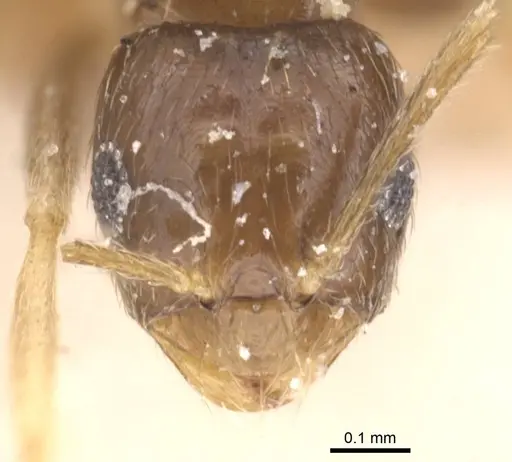
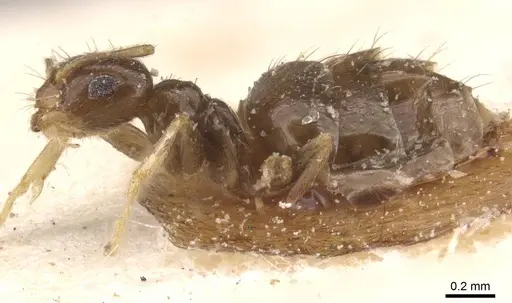
Brachymyrmex attenuatus is a tiny ant species native to southern Brazil, specifically the Atlantic Forest region of Santa Catarina. Workers have a uniformly light to dark brown body with distinctly yellowish legs and antennae. The most distinguishing feature is the dense pubescence covering their gaster. Their antennae have scapes that extend past the back of the head, and their eyes are quite small with only 7-9 ommatidia. This species was raised to full species status in 2019, having previously been classified as a subspecies of Brachymyrmex luederwaldti. Almost nothing is known about their biology in the wild or captive behavior .
Quick Summary
- Difficulty: Unknown
- Origin & Habitat: Native to the Atlantic Forest region of southern Brazil, specifically Santa Catarina state (Blumenau area). The genus Brachymyrmex typically nests in soil, under stones, or in rotting wood in tropical and subtropical environments [1][2].
- Colony Type: Unknown, colony structure has not been documented in scientific literature.
- Size & Growth:
- Queen: Undescribed, no queen measurements are available.
- Worker: Size data unavailable, the research provides head length (0.43-0.47mm) and mesosoma length (0.46-0.52mm) but not total body length [1][2].
- Colony: Unknown, no colony size data exists for this species.
- Growth: Unknown, no development data exists for this species.
- Development: Unknown, no development data exists for this species. (No development data exists for this species.)
- Antkeeping:
- Temperature: Unknown, no research on temperature preferences exists. Based on their Brazilian tropical distribution, room temperature (around 22-26°C) is likely suitable.
- Humidity: Unknown, no research on humidity preferences exists. Based on genus patterns, moderate humidity is likely appropriate.
- Diapause: Unknown, no research on seasonal behavior exists. Given their tropical origin in southern Brazil, they likely do not require hibernation.
- Nesting: No specific nesting data exists. Based on genus patterns, they likely prefer small chambers in soil or rotting wood. A small test tube setup or plaster nest works well for their tiny size.
- Behavior: Completely unstudied in captivity. Based on genus behavior, they are likely docile and non-aggressive. Their tiny size makes escape prevention critical, they can squeeze through extremely small gaps.
- Common Issues: no biological data exists, this is an essentially unknown species in captivity, tiny size makes escape prevention challenging, use fine mesh and tight-fitting lids, growth rate is completely unknown, colonies may grow slowly or quickly, no data exists, humidity requirements are unknown, monitor for signs of stress, no information on what they eat, must experiment with various foods
Appearance and Identification
Brachymyrmex attenuatus workers are among the smallest ants, though exact total length measurements are not available in the research. Their body is uniformly light to dark brown, while their legs and antennae are distinctly yellowish, giving them a two-toned appearance. The most distinguishing feature is the dense pubescence (tiny flattened hairs) covering their gaster. Their antennae have scapes that extend past the back of the head, and their eyes are quite small with only 7-9 ommatidia. These are subtle identification features, but the combination of their tiny size, yellowish appendages, and fuzzy gaster should help distinguish them from other small ants [1][2].
Housing and Nest Setup
Because this species is so small and their natural history is unknown, you need to approach housing carefully. Use a small test tube setup or a appropriately sized plaster nest, these ants need chambers and passages scaled to their tiny size. The nest material should retain moisture well. A small outworld can be a simple container with smooth walls to prevent climbing escapes. Escape prevention is critical given their tiny size, even standard test tube stoppers may have gaps. Use fine mesh barriers and check for any gaps. Start with a simple setup so you can easily observe and adjust conditions as you learn what this species prefers.
Feeding and Diet
The diet of Brachymyrmex attenuatus is completely unstudied. Based on genus patterns, they likely forage for honeydew from aphids and scale insects, and may hunt tiny prey. For captivity, start with standard ant foods: a sugar source (honey water or sugar water) and protein (small insects like fruit flies or small mealworm pieces). Given their tiny size, prey items should be very small. Many Brachymyrmex species readily accept sugar water, but this is not confirmed for B. attenuatus. Offer a variety of foods and track what gets consumed. Remove uneaten food after 24-48 hours to prevent mold.
Temperature and Humidity
Since this species comes from Santa Catarina in southern Brazil, they likely prefer warm, humid conditions similar to the Atlantic Forest. However, no specific temperature or humidity data exists for this species. Aim for room temperature in the 22-26°C range and moderate humidity. Monitor condensation on the nest and the behavior of the ants to gauge if conditions are right. Unlike temperate species, they likely do not need hibernation, but may slow down during cooler periods.
Understanding the Unknown
This is perhaps the most important section: Brachymyrmex attenuatus is essentially a blank slate in antkeeping. Their biology has never been studied in the wild or documented in captivity. Everything in this caresheet is either directly from the two scientific papers describing their morphology (which tell us nothing about behavior, diet, or colony structure) or estimated from genus-level patterns. This makes them an experimental species, you will be learning alongside other keepers. Document your observations carefully. What foods do they accept? How fast does the colony grow? What temperatures and humidity levels do they prefer? This species could become better understood through careful captive observation by antkeepers willing to experiment and share their findings [1][2].
Frequently Asked Questions
How long does it take for Brachymyrmex attenuatus to produce first workers?
Unknown, no development data exists for this species.
What do Brachymyrmex attenuatus ants eat?
Unconfirmed, their diet has not been studied. Based on related species, they likely eat honeydew and small insects. In captivity, try offering sugar water and tiny insects.
Are Brachymyrmex attenuatus good for beginners?
Not recommended for beginners. This is an essentially unknown species with no captive care history. Their tiny size also makes them challenging to house and feed.
How big do Brachymyrmex attenuatus colonies get?
Unknown, no colony size data exists for this species.
Can I keep multiple Brachymyrmex attenuatus queens together?
Not documented. The colony structure of this species is completely unknown. Combining unrelated queens is not recommended since their social behavior is unconfirmed.
Do Brachymyrmex attenuatus need hibernation?
Unknown, no seasonal behavior data exists. Given their tropical origin in southern Brazil, they likely do not require hibernation.
What temperature should I keep Brachymyrmex attenuatus at?
Unknown, no research on temperature preferences exists. Based on their Brazilian distribution, room temperature (around 22-26°C) is likely suitable.
Why are my Brachymyrmex attenuatus escaping?
Their tiny size allows them to squeeze through incredibly small gaps. Use fine mesh, check all lid seams, and ensure any tubing connections are secure.
Is Brachymyrmex attenuatus invasive anywhere?
No, they are only known from their native range in Santa Catarina, Brazil. There are no records of them being introduced anywhere [1].
Report an Issue
The current care sheet is based fully on literature. See inconsistencies, or something that's incorrect? Please , it will be resolved after review from an admin. Contributing to the blogs tab also helps providing information, to make us be able to further improve the caresheets. Thank you for your support!
References

Dit verzorgingsblad is gelicentieerd onder CC BY-SA 4.0 .
Community-blogs
USNMENT00757177
Bekijk op AntWeb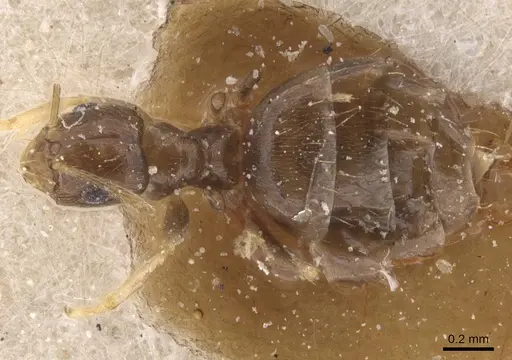
Literatuur
Verspreidingskaart laden...Producten laden...