
Bothriomyrmex kusnezovi
- Wetenschappelijke naam
- Bothriomyrmex kusnezovi
- Tribus
- Bothriomyrmecini
- Subfamilie
- Dolichoderinae
- Auteur
- Emery, 1925
- Verspreiding
- Gevonden in 0 landen
Introductie
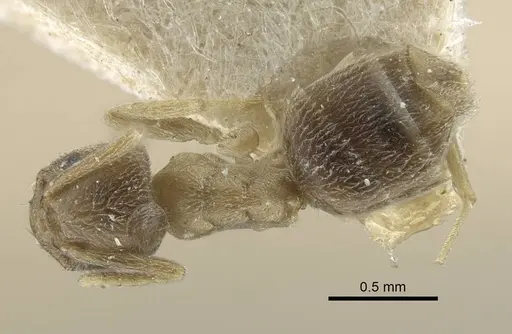
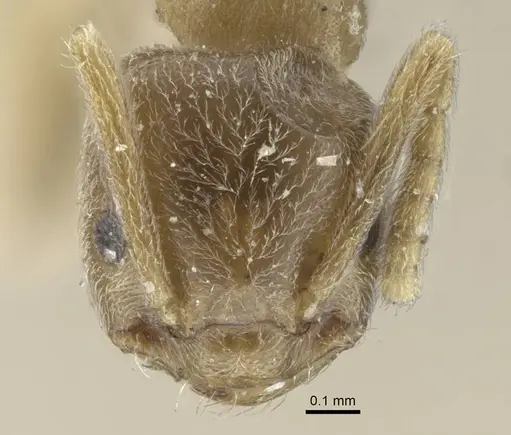
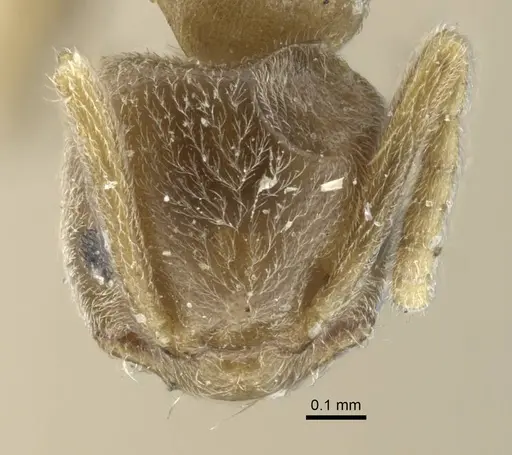
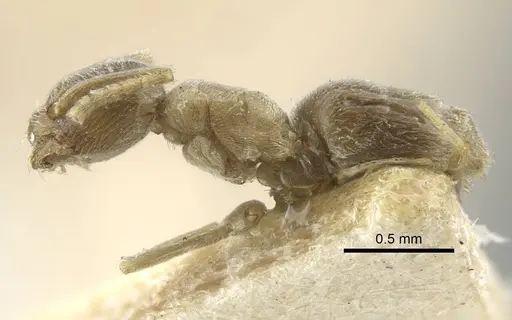
Bothriomyrmex kusnezovi is a small ant species in the Dolichoderinae subfamily. Workers are tiny ants with typical dark coloration found in many Bothriomyrmex species. This species is native to the Palaearctic region, specifically found in Kazakhstan, Kyrgyzstan, and western China . In their natural habitat, these ants live in steppe and mountainous regions of Central Asia, typically nesting under stones or in soil at elevations around 800 meters . The genus Bothriomyrmex is known for small colony sizes and inconspicuous nature. These ants are not aggressive and rely on chemical defenses rather than stinging. This species remains poorly studied in scientific literature, with most records consisting of basic taxonomic descriptions rather than ecological or behavioral observations. The queen was described by Tarbinsky in 1976, confirming this species has fully developed reproductive castes [AntWiki]. What we know about their care comes largely from general knowledge of the genus and related Dolichoderinae ants.
Quick Summary
- Difficulty: Easy
- Origin & Habitat: Central Asia, Kazakhstan, Kyrgyzstan, and western China. They inhabit steppe and mountainous regions at elevations around 800 meters, typically nesting under stones or in soil [1][2].
- Colony Type: Colony structure is unconfirmed. Based on typical Bothriomyrmex patterns, colonies likely have a single queen and remain small. Ergatoid replacement reproductives have not been documented for this specific species.
- Size & Growth:
- Queen: Size data unavailable, no specific measurements exist for this species. Based on genus patterns, likely around 5-7 mm.
- Worker: Size data unavailable, no specific measurements exist for this species. Based on genus patterns, likely around 2-3 mm.
- Colony: Up to 200 workers, inferred from typical Bothriomyrmex colony sizes.
- Growth: Moderate, based on typical small Dolichoderinae development
- Development: Estimated 6-8 weeks at optimal temperature based on related Dolichoderinae species. This is a rough estimate as specific development data does not exist for this species. (Development timeline is inferred from genus-level data, not directly studied for B. kusnezovi.)
- Antkeeping:
- Temperature: Keep at room temperature, ideally 18-24°C. As a temperate Central Asian species, they can tolerate cooler conditions and should be protected from excessive heat. A slight temperature gradient allows workers to self-regulate.
- Humidity: Moderate humidity around 50-60%. These ants prefer drier conditions than many tropical species, reflecting their steppe and mountainous origin. Allow the nest substrate to dry partially between water additions.
- Diapause: Yes, as a temperate species from Central Asia, they require a winter rest period. Reduce temperature to around 10-15°C for 2-3 months during winter. This mimics their natural seasonal cycle in the steppe regions.
- Nesting: They prefer dry to moderately humid nests. A Y-tong (AAC) or plaster nest works well. They do well in test tube setups initially. Provide a small outworld for foraging. Avoid overly humid conditions that can cause mold issues.
- Behavior: These are peaceful, non-aggressive ants that rely on chemical defenses rather than stinging. Workers are small and not particularly fast-moving. They are not escape artists in the typical sense but their tiny size means standard barrier methods should still be used. Colonies remain small and are best suited for observation rather than impressive displays. Workers likely forage for small insects and honeydew in nature.
- Common Issues: small colony size makes them vulnerable to stress, handle gently and avoid disturbing the queen, temperate species require proper hibernation, skipping diapause can weaken colonies over time, they prefer drier conditions, overwatering causes mold problems, limited data means some care aspects are estimates based on genus patterns, not species-specific studies, tiny worker size means they may be overlooked when foraging for small prey
Housing and Nest Setup
Bothriomyrmex kusnezovi can be kept in standard ant keeping setups. For founding colonies, a simple test tube setup works well, fill the tube about one-third with water, plug with cotton, and place the queen in the dark. These ants do not require high humidity, so standard test tube setups are appropriate. Once the colony reaches 20-30 workers, you can transition to a small formicarium. A Y-tong (AAC) nest or plaster nest works well because they allow you to control humidity levels easily. These ants prefer drier conditions than many tropical species, so avoid setups that trap too much moisture. Provide a small outworld for foraging, a simple plastic container connected to the nest works fine. Because workers are small, ensure any connections between nest and outworld are not too large, though escape prevention is less critical than for very fast-moving species. [3]
Feeding and Diet
Like most Dolichoderinae ants, Bothriomyrmex kusnezovi likely accepts a varied diet of sugars and proteins. Offer sugar water, honey, or diluted maple syrup as a constant carbohydrate source. For protein, small insects are appropriate, fruit flies, small mealworms, or pinhead crickets work well. Given their small worker size, prey items should be appropriately sized. In nature, these ants likely forage for honeydew from aphids and small insects. Feed small prey items every few days, removing any uneaten food to prevent mold. Sugar water can be provided continuously via a cotton ball or small container. Observe your colony's preferences, some colonies are more selective than others. [3]
Temperature and Seasonal Care
As a temperate species from Central Asia, B. kusnezovi requires moderate temperatures and a winter rest period. Keep the nest at room temperature, ideally between 18-24°C. They can tolerate cooler conditions better than excessive heat, so avoid placing them near heat sources that might cause overheating. During winter (roughly November through February in the Northern Hemisphere), reduce temperatures to around 10-15°C to provide a proper diapause. This winter rest is important for colony health and queen reproduction. Do not feed during diapause, the colony will be largely inactive. Gradually warm the colony in spring to resume normal activity. This seasonal cycle mimics their natural environment in the steppe regions of Kazakhstan and Kyrgyzstan. [3][1]
Colony Development and Growth
Bothriomyrmex colonies grow more slowly than many common ant species. The queen lays eggs after mating, and the first workers (nanitics) will emerge after several weeks of development. These initial workers are typically smaller than mature workers. Colony growth is gradual, expect several months to reach 30-50 workers, and potentially a year or more to reach larger colony sizes. The small colony size is a characteristic of the genus, not a sign of poor care. Be patient with these ants, they are long-lived and can persist for many years once established. The queen can live for several years, and workers live for several months each. Replacement of workers is gradual rather than the rapid turnover seen in some species. [3]
Behavior and Observation
These are peaceful, unobtrusive ants that are fascinating to observe in their daily activities. Workers are small and move deliberately rather than frantically. They do not sting, their primary defense is chemical, producing formic acid or other deterrent compounds as needed. Colonies are not aggressive and rarely show territorial behavior beyond their immediate nest area. Workers likely forage individually or in small groups rather than forming large raiding parties. Their small colony size makes them ideal for observation without the overwhelming activity of larger species. Watch for queen behavior during egg-laying and the careful tending of brood by workers. The colony will establish predictable routines for foraging and nest maintenance. [3]
Frequently Asked Questions
How long does it take for Bothriomyrmex kusnezovi to produce first workers?
Based on typical Dolichoderinae development, expect first workers (nanitics) to emerge around 6-8 weeks after the queen lays eggs, assuming temperatures around 20-24°C. This is an estimate since specific development data does not exist for this species.
How big do Bothriomyrmex kusnezovi colonies get?
Colonies typically remain small, likely reaching up to 200 workers at maturity. This is typical for the Bothriomyrmex genus, they are not large colony formers like some other Dolichoderinae.
What temperature do Bothriomyrmex kusnezovi need?
Keep them at room temperature, ideally 18-24°C. They are a temperate species and can tolerate cooler conditions. Avoid excessive heat. During winter, provide a cool period around 10-15°C for hibernation.
Do Bothriomyrmex kusnezovi need hibernation?
Yes, as a temperate species from Central Asia, they require a winter rest period. Reduce temperatures to around 10-15°C for 2-3 months during winter. This is important for colony health and queen reproduction.
Can I keep multiple Bothriomyrmex kusnezovi queens together?
This is not recommended. Based on typical Bothriomyrmex behavior, colonies are likely monogyne (single queen). Combining unrelated queens has not been studied for this species and could result in aggression.
What do Bothriomyrmex kusnezovi eat?
They accept sugar sources (honey, sugar water, maple syrup) and small protein sources (fruit flies, small mealworms, pinhead crickets). Feed small prey items every few days and provide sugar water continuously.
Are Bothriomyrmex kusnezovi good for beginners?
Yes, they are considered easy to keep. They are peaceful, require no special heating, and have modest space needs. Their small colony size and slower growth may require patience, but they are forgiving of minor care mistakes.
When should I move Bothriomyrmex kusnezovi to a formicarium?
You can keep them in a test tube setup until the colony reaches 20-30 workers. At that point, a small formicarium or Y-tong nest provides more space. They do well in dry to moderately humid conditions, so choose a nest type that allows humidity control.
Why is my Bothriomyrmex kusnezovi colony not growing?
Growth is naturally slow for this species, be patient. Ensure proper temperatures (18-24°C), adequate food, and proper hibernation during winter. Small colonies are vulnerable to stress, so minimize disturbances. If the queen is alive and laying eggs, the colony is progressing normally.
Report an Issue
The current care sheet is based fully on literature. See inconsistencies, or something that's incorrect? Please , it will be resolved after review from an admin. Contributing to the blogs tab also helps providing information, to make us be able to further improve the caresheets. Thank you for your support!
References

Dit verzorgingsblad is gelicentieerd onder CC BY-SA 4.0 .
Community-blogs
CASENT0905117
Bekijk op AntWeb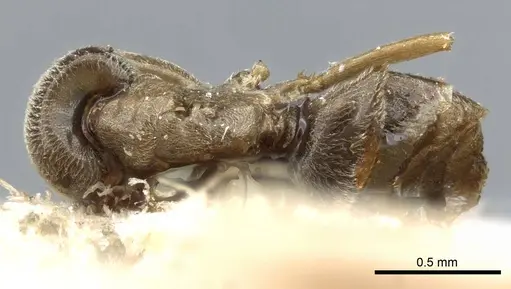
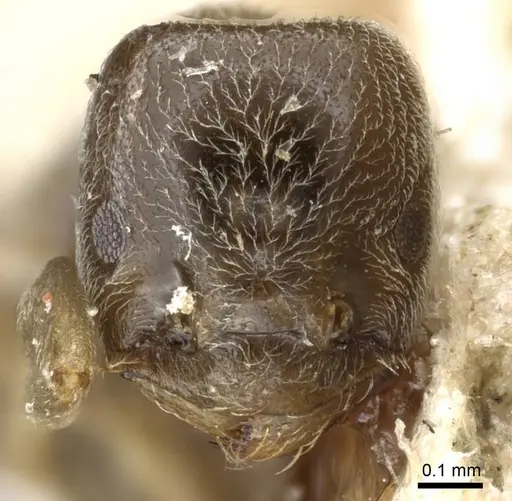
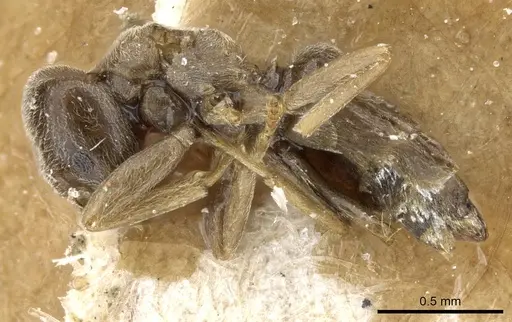
CASENT0917114
Bekijk op AntWeb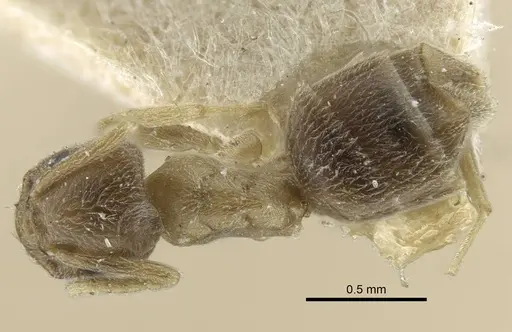
Literatuur
Verspreidingskaart laden...Producten laden...