
Aphaenogaster theryi
- Wetenschappelijke naam
- Aphaenogaster theryi
- Tribus
- Stenammini
- Subfamilie
- Myrmicinae
- Auteur
- Santschi, 1923
- Verspreiding
- Gevonden in 1 landen
Introductie
Aphaenogaster theryi is a rarely encountered species endemic to Morocco, belonging to the gibbosa species group within the genus Aphaenogaster . These ants inhabit a range of habitats across their restricted range, from coastal pine forests near El Jadida and Mamora up to the Atlas Mountains near Beni Mellal and the Ouzoud waterfalls . Found at approximately 33.6°N latitude in the Palearctic region, they experience Mediterranean climate conditions with distinct seasonal changes . As this species has no dedicated biological studies, care must be inferred from related Aphaenogaster species and their Moroccan habitat preferences.
Quick Summary
- Difficulty: Medium
- Origin & Habitat: Endemic to Morocco, ranges from coastal littoral zones (Mamora forest, El Jadida) to Atlas Mountain regions (Beni Mellal, Ouzoud) [3][5].
- Colony Type: Unconfirmed, likely single-queen based on typical Aphaenogaster patterns.
- Size & Growth:
- Queen: Size data unavailable, estimated 6-8mm based on gibbosa group patterns.
- Worker: Size data unavailable, estimated 4-6mm based on genus patterns.
- Colony: Unknown, likely moderate (hundreds to low thousands) based on related Aphaenogaster species.
- Growth: Unknown, estimated moderate based on temperate genus patterns.
- Development: Unknown, estimated 8-12 weeks based on related temperate Aphaenogaster at 25°C. (Timeline is speculative, development likely slows during cooler winter months.)
- Antkeeping:
- Temperature: Likely 20-25°C during activity season, requires cooler winter rest (10-15°C) given extratropical distribution at 33.6°N [4]. Start at 22-24°C and adjust based on activity levels.
- Humidity: Moderate humidity, nest substrate should feel damp but not waterlogged, with slightly drier areas available. Mediterranean soil conditions suggest tolerance for seasonal variation.
- Diapause: Likely yes, winter rest recommended from November to February based on latitude and Palearctic distribution [4].
- Nesting: Likely prefers soil or rock crevices based on genus habits, naturalistic setups with clay/loam or Y-tong nests with narrow chambers should work well.
- Behavior: Generalist foragers likely to scavenge and collect seeds, non-aggressive and moderate speed typical of genus. Escape prevention should be standard for medium-small ants.
- Common Issues: limited availability in the ant trade due to endemic Moroccan distribution., lack of specific care data requires careful observation and gradual adjustment of parameters., wild-caught colonies may carry parasites or fail to adapt to captive conditions., unconfirmed winter rest requirements, colonies may fail if kept too warm year-round., identification challenges, easily confused with other gibbosa group species like Aphaenogaster mauritanica [6].
Natural History and Distribution
Aphaenogaster theryi is found only in Morocco, making it an endemic species with a restricted range [3][5]. Their distribution spans from the coastal Mamora forest near El Jadida up through the Atlas Mountains to Beni Mellal and the Ouzoud region [3]. This altitudinal range suggests adaptability to varying conditions, from coastal Mediterranean scrub to mountain forests. As part of the gibbosa species group, they share morphological traits like a smooth base of the gaster and transverse striation on the pronotum [1], though they can be distinguished from similar species like Aphaenogaster mauritanica [6]. Their presence at 33.6°N latitude places them firmly in the extratropical Palearctic zone, experiencing seasonal temperature variations that likely drive an annual cycle of activity and winter rest [4].
Nest Preferences
While specific nesting biology is unstudied, related Aphaenogaster species typically nest in soil, under stones, or in rock crevices. Given their Moroccan habitat ranging from coastal pine forests to mountain regions, they likely prefer well-drained but moderately humid substrates. In captivity, provide a naturalistic setup with a clay-loam substrate or a Y-tong (AAC) nest with narrow chambers. Include flat stones or bark pieces to simulate their natural microhabitat under forest litter and rocks. Ensure the nest has a moisture gradient, one side slightly damp, one side drier, so the colony can self-regulate. [2]
Temperature and Seasonal Care
Based on their Moroccan distribution at approximately 33.6°N, these ants experience Mediterranean climate patterns with hot, dry summers and mild, wet winters [4]. During the active season (roughly March through October), maintain temperatures around 20-25°C, ideally with a gentle heat gradient using a heating cable on one side of the nest. From November through February, provide a winter rest period at 10-15°C to simulate their natural seasonal cycle. This diapause period is likely essential for long-term colony health and proper brood development, though specific timing has not been documented. Watch for reduced activity and brood development slowing as cues to begin cooling.
Feeding and Diet
As generalist foragers typical of the genus, Aphaenogaster theryi likely accepts a varied omnivorous diet including insect prey, seeds, and sugar sources. Offer small live prey such as fruit flies, springtails, or tiny cricket nymphs twice weekly. Provide seeds (millet, canary seed, or dandelion seeds) as these ants often collect and store seeds in nature. Sugar water or honey water should be offered constantly in a test tube or liquid feeder. Observe their preferences and adjust, if they ignore protein, reduce feeding frequency, if they rapidly consume seeds, provide more. [2]
Colony Founding
Founding behavior has not been directly documented for this species. Based on typical Aphaenogaster patterns, queens likely practice claustral founding, sealing themselves in a chamber and living off stored fat reserves until the first workers hatch. If you obtain a founding queen, house her in a standard test tube setup with water reservoir and cotton plug, kept in a dark, undisturbed location. Do not feed her during the founding phase if she is claustral, though offering a small drop of sugar water near the cotton (not inside the tube) may be accepted. First workers (nanitics) are expected to emerge in approximately 8-12 weeks at 25°C, though this timeline is speculative and may vary significantly.
Frequently Asked Questions
Can I keep Aphaenogaster theryi in a test tube?
Yes, test tubes work well for founding queens and small colonies. Use a standard setup with water reservoir and cotton plug. For larger colonies, move to a naturalistic soil nest or Y-tong formicarium with narrow chambers appropriate for their size.
Do Aphaenogaster theryi need hibernation?
Likely yes. Given their Moroccan distribution at 33.6°N in the Palearctic region, they experience seasonal Mediterranean winters [4]. Provide a winter rest period from November to February at 10-15°C. This cooling period is probably necessary for long-term colony health, though specific requirements remain unconfirmed.
How long until first workers for Aphaenogaster theryi?
The egg-to-worker timeline is unknown for this species. Based on related temperate Aphaenogaster, expect approximately 8-12 weeks at 25°C, though this could vary significantly.
Can I keep multiple Aphaenogaster theryi queens together?
Not recommended. While the specific colony structure is unconfirmed, most Aphaenogaster species are monogyne (single queen). Combining unrelated queens will likely result in fighting and death. Even if pleometrosis (cooperative founding) occurs in this species, it has not been documented.
What do Aphaenogaster theryi eat?
They are likely generalist omnivores typical of the genus. Offer small live insects (fruit flies, springtails), various seeds (millet, canary seed), and sugar sources (honey water or sugar water).
Are Aphaenogaster theryi good for beginners?
Probably not ideal for complete beginners due to limited care data and their endemic status making them rare in the trade. They are better suited to intermediate keepers comfortable with inferring care from related species and managing seasonal temperature cycles including winter rest.
Where do Aphaenogaster theryi come from?
They are endemic to Morocco, found from coastal areas like El Jadida and the Mamora forest up to the Atlas Mountains near Beni Mellal and Ouzoud [3][5]. They are not found naturally anywhere else in the world.
How big do Aphaenogaster theryi colonies get?
Maximum colony size is unknown. Based on related Aphaenogaster species, they likely reach moderate sizes of several hundred to a few thousand workers, though this is speculative.
How do I identify Aphaenogaster theryi?
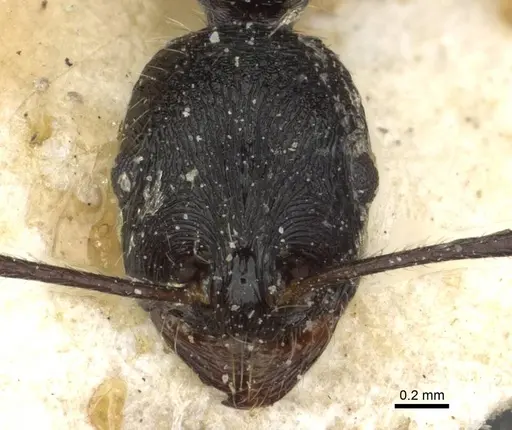
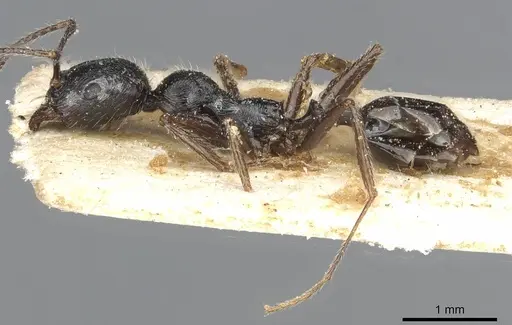
They belong to the gibbosa species group, characterized by a smooth base of the gaster and transverse striation on the pronotum [1]. They can be distinguished from similar Moroccan species like Aphaenogaster mauritanica by specific morphological details [6]. If you obtained them from the wild in Morocco, expert identification is recommended as they resemble other gibbosa group members.
Report an Issue
The current care sheet is based fully on literature. See inconsistencies, or something that's incorrect? Please , it will be resolved after review from an admin. Contributing to the blogs tab also helps providing information, to make us be able to further improve the caresheets. Thank you for your support!
References

Dit verzorgingsblad is gelicentieerd onder CC BY-SA 4.0 .
Community-blogs
CASENT0913135
Bekijk op AntWeb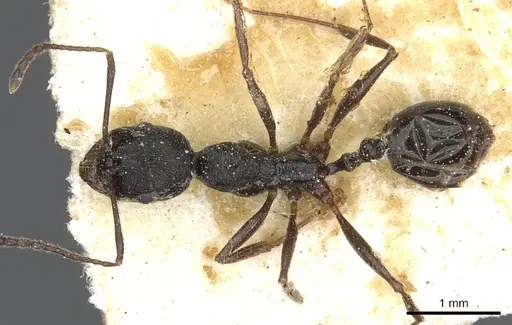
Literatuur
Verspreidingskaart laden...Producten laden...