
Aphaenogaster nadigi
- Wetenschappelijke naam
- Aphaenogaster nadigi
- Tribus
- Stenammini
- Subfamilie
- Myrmicinae
- Auteur
- Santschi, 1923
- Verspreiding
- Gevonden in 1 landen
Introductie
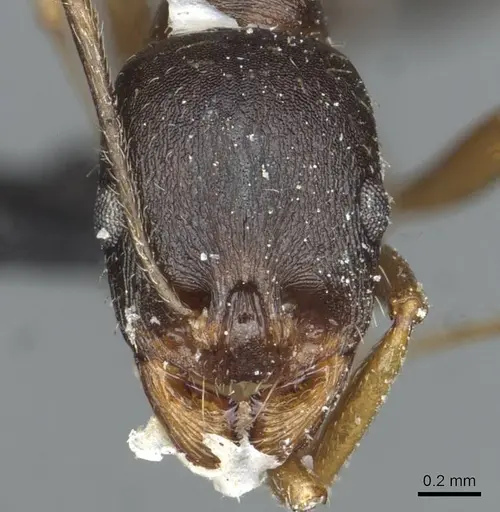
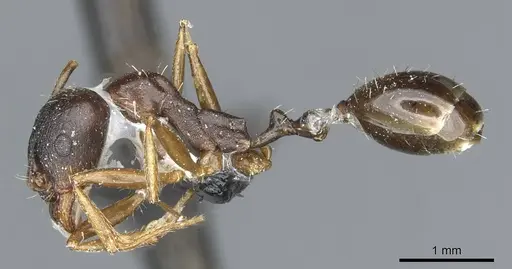
Aphaenogaster nadigi is a small ant species belonging to the gibbosa species group, characterized by small tooth-like propodeal spines with rounded tips and striation limited to the central part of the frons . This species is endemic to Morocco, found across the High Atlas, Middle Atlas, and Rif mountain ranges, as well as coastal regions . It inhabits diverse forest types including cork oak forests (Subéraie), red juniper woodlands, and Thuya forests . As a geographically restricted species with limited care data available, this ant is recommended only for experienced keepers.
Quick Summary
- Difficulty: Hard
- Origin & Habitat: Endemic to Morocco, found in the Atlas Mountains (High Atlas, Middle Atlas) and Rif regions, inhabiting cork oak forests (Subéraie), red juniper woodlands, and Thuya forests [2][3].
- Colony Type: Unknown. Colony structure has not been documented in research.
- Size & Growth:
- Queen: Size data unavailable, no measurements exist for this species.
- Worker: Size data unavailable, no measurements exist for this species.
- Colony: Unknown, no colony size data has been documented.
- Growth: Unknown, growth rate has not been studied.
- Development: Unknown, no developmental studies exist for this species. (Development timing is unconfirmed. Related Aphaenogaster species typically take 6-10 weeks at warm temperatures, but this may not apply to A. nadigi.)
- Antkeeping:
- Temperature: Based on Mediterranean climate at 33°N latitude, likely prefers warm conditions around 22-26°C during active season [4]. Winter cooling likely beneficial.
- Humidity: Based on forest floor habitats, likely prefers moderate humidity with well-drained substrate [2]. Avoid overly wet conditions.
- Diapause: Likely required. Based on extratropical Mediterranean location, this species probably needs a winter rest period with cooler temperatures [4]. Specific requirements unconfirmed.
- Nesting: Likely soil-nesting based on forest floor habitats [2]. Provide well-drained soil or Y-tong setup.
- Behavior: Behavior not documented. Likely active ground-foragers similar to other Aphaenogaster species. Escape risk unknown but likely moderate given small size.
- Common Issues: lack of species-specific care information means you must adapt from general Aphaenogaster knowledge., as a Moroccan endemic, ethical acquisition is difficult and captive breeding success is unconfirmed., wild-caught colonies may carry parasites or mites., unknown founding type requires preparing for different scenarios.
Identification and Endemic Status
Aphaenogaster nadigi belongs to the gibbosa species group, identifiable by small tooth-like spines on the propodeum with rounded tips, plus striation or net-like patterns limited to the central part of the head [1]. This ant is found nowhere else on Earth except Morocco, making it an endemic species [3]. It has been recorded across the High Atlas, Middle Atlas, and Rif mountain ranges, as well as coastal areas of the Atlantic Meseta [2]. Because this species has such a restricted range, collectors should consider the impact of removing specimens from wild populations.
Natural Habitat and Climate
In the wild, Aphaenogaster nadigi lives in forested areas including cork oak forests (called Subéraie), red juniper woodlands, and Thuya forests [2]. The climate at its collection sites around 33°N latitude is Mediterranean, with hot dry summers and mild wet winters [4]. Mountain populations in the Rif and Atlas experience cooler temperatures than coastal areas. Captive colonies likely need warm conditions during the active season and may benefit from cooler winter periods.
Nest Preferences in Captivity
Since Aphaenogaster nadigi lives in forest floor habitats, likely nesting in soil [2], provide a naturalistic setup with well-drained soil or a Y-tong nest with moderate humidity. Avoid overly wet conditions that could cause mold. The nest should offer small chambers appropriate for small ants.
Temperature and Seasonal Care
Maintain temperatures around 22-26°C during the active season [4]. Because this species comes from an extratropical region with seasonal changes, it likely needs a winter rest period at cooler temperatures around 15-18°C, though this has not been confirmed by research. Watch your colony closely, if they slow down or stop brood production, they may be seeking cooler conditions.
Feeding and Diet
While specific diet studies are lacking for this species, Aphaenogaster species are generally scavengers and seed collectors. Offer a varied diet including small live insects like fruit flies or springtails, plus seeds such as chia, flax, or canary seed, and sugar water or honey water. Remove uneaten food promptly to prevent mold in humid conditions.
Conservation and Collection Ethics
Because Aphaenogaster nadigi lives only in Morocco [3], removing wild queens for the pet trade could harm local populations. If you obtain this species, ensure it comes from sustainable sources or captive breeding. Never release captive ants outside their native range.
Frequently Asked Questions
Can I keep Aphaenogaster nadigi in a test tube?
Yes, a test tube setup works for founding colonies, but move them to a soil or Y-tong nest once they grow, as they are forest floor ants that likely need naturalistic conditions.
How long until first workers for Aphaenogaster nadigi?
Unknown. No developmental studies exist for this species.
What temperature do Aphaenogaster nadigi need?
Start around 22-26°C during the active season based on their Mediterranean location [4]. They likely need cooler winter conditions around 15-18°C, but adjust based on colony activity.
Do Aphaenogaster nadigi need hibernation?
Likely yes, as they come from a Mediterranean climate with seasonal changes [4], but specific requirements are unconfirmed. Provide a cooling period in winter.
What do Aphaenogaster nadigi eat?
Likely generalist scavengers like other Aphaenogaster. Offer small insects, seeds, and sugar water, then observe acceptance.
Are Aphaenogaster nadigi good for beginners?
No. The lack of specific care information and their status as a Moroccan endemic make them unsuitable for beginners.
How big do Aphaenogaster nadigi colonies get?
Unknown. Colony size has not been documented in research.
Can I keep multiple Aphaenogaster nadigi queens together?
Not recommended. Whether this species accepts multiple queens is unknown, and unrelated queens will likely fight.
Do Aphaenogaster nadigi sting?
Unknown. Most small Aphaenogaster have stingers but cannot penetrate human skin. They are not considered dangerous.
Report an Issue
The current care sheet is based fully on literature. See inconsistencies, or something that's incorrect? Please , it will be resolved after review from an admin. Contributing to the blogs tab also helps providing information, to make us be able to further improve the caresheets. Thank you for your support!
References

Dit verzorgingsblad is gelicentieerd onder CC BY-SA 4.0 .
Community-blogs
CASENT0913117
Bekijk op AntWeb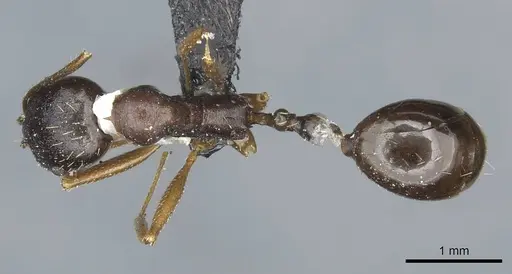
Literatuur
Verspreidingskaart laden...Producten laden...