
Anoplolepis kohli
- Wetenschappelijke naam
- Anoplolepis kohli
- Tribus
- Plagiolepidini
- Subfamilie
- Formicinae
- Auteur
- Forel, 1916
- Verspreiding
- Gevonden in 0 landen
Introductie
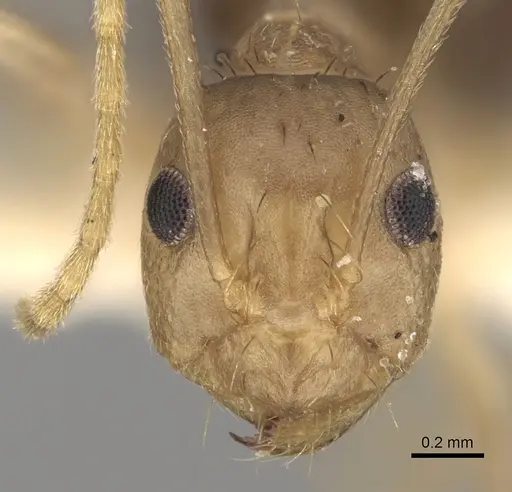
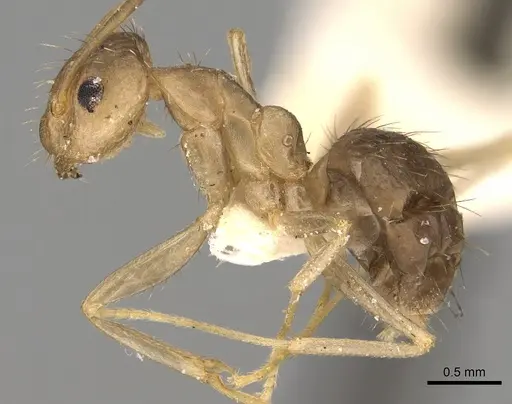
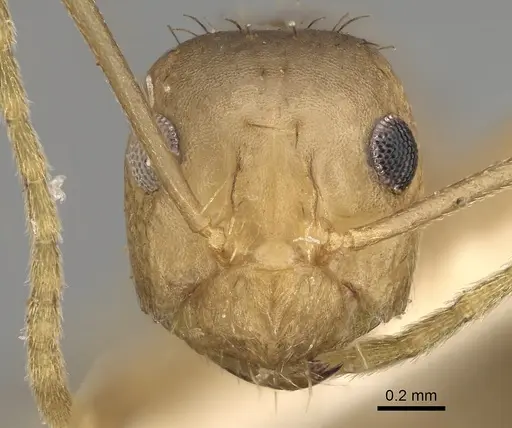
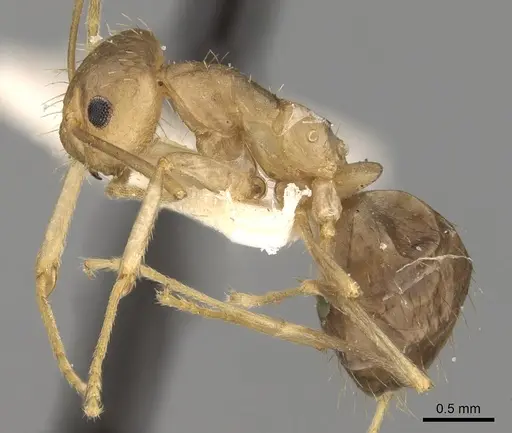
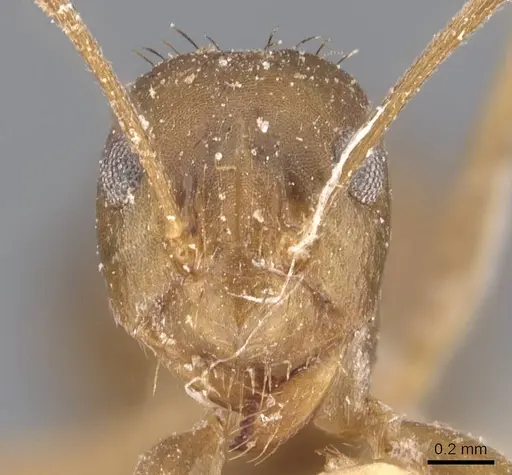
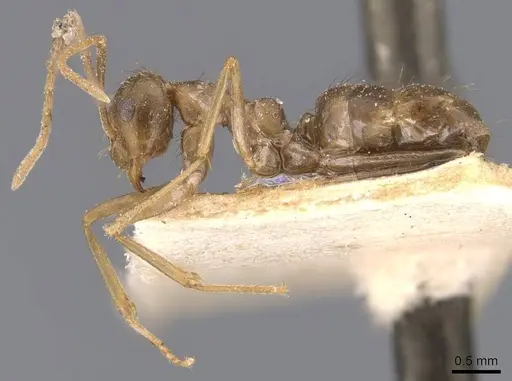
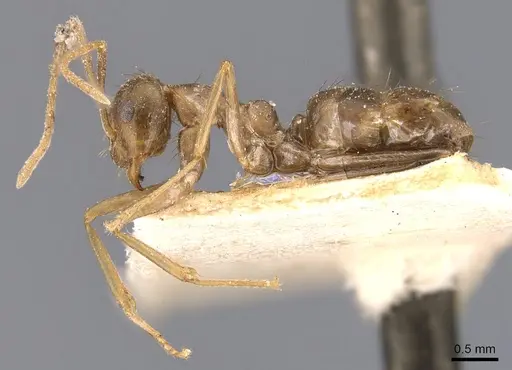
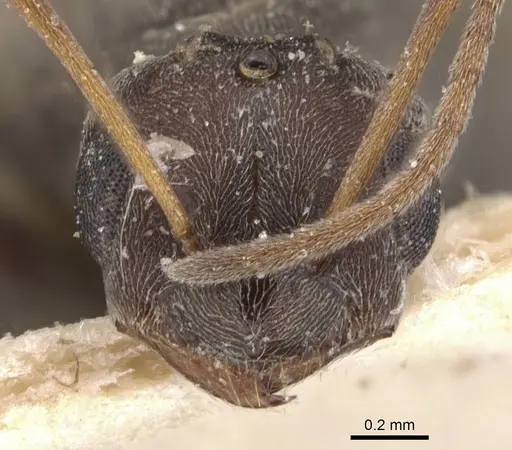
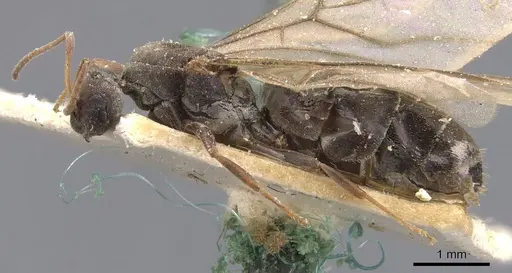
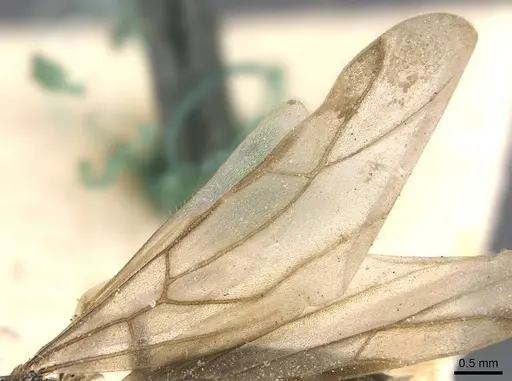
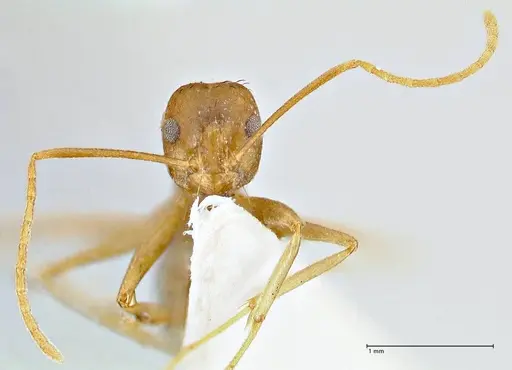
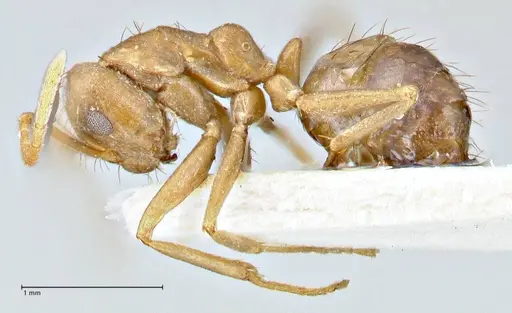
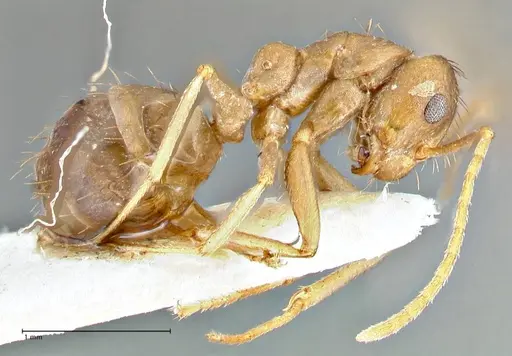
Anoplolepis kohli is a tiny ant from the rainforests of the Democratic Republic of the Congo. Workers measure just 2.9-3.0 mm and are light brown to yellow with a slightly darker gaster . They have distinctive very long antennae that extend well past the back of the head, and their heads and middle body sections show a rough, net-like texture . This species has undergone several taxonomic changes, previously classified under Paratrechina and Prenolepis before moving to Anoplolepis . Very little is known about the biology of this species. It has only been collected from rainforest habitats in the Democratic Republic of the Congo, with records from the TO province . No studies have examined their colony size, nesting habits, or behavior in the wild. This makes them a challenging species for antkeepers, as care must be based on inference from habitat and size rather than direct observation.
Quick Summary
- Difficulty: Expert
- Origin & Habitat: Democratic Republic of the Congo, rainforest habitats [1][3]
- Colony Type: Unconfirmed, no data on queen number or social structure
- Size & Growth:
- Queen: Unknown, not measured in available studies
- Worker: 2.9-3.0 mm [1]
- Colony: Unknown
- Growth: Unknown
- Development: Unknown, tropical species typically develop in 4-8 weeks at 25°C, but this is unconfirmed for this species (No development studies exist. Timeline is a rough estimate based on tropical climate patterns only.)
- Antkeeping:
- Temperature: Exact requirements unknown. Start around 24-26°C based on tropical rainforest origin and adjust based on colony activity [1]
- Humidity: Exact requirements unknown. Keep nest material consistently moist based on rainforest habitat [1]
- Diapause: Unknown, tropical rainforest species often do not require winter rest, but this is unconfirmed
- Nesting: Unknown, in nature they live in rainforest habitats, but specific nesting sites (soil, wood, leaf litter) are undocumented
- Behavior: Activity patterns and temperament are unstudied. Their extremely small size means escape prevention is critical [1]
- Common Issues: workers are only 3mm long and can escape through the tiniest gaps in mesh or lids., founding behavior is unconfirmed, making initial colony setup experimental and high-risk., no captive breeding reports exist, so care protocols are untested and likely to require adjustment., rainforest humidity requirements may conflict with ventilation needs to prevent mold.
Taxonomy and Identification
This species has a complicated taxonomic history. It was first described as Anoplolepis kohli, then moved to Anoplolepis kohli, and finally to Anoplolepis kohli [2][1]. Historically, it was the only member of the Prenolepis group known from Africa [2].
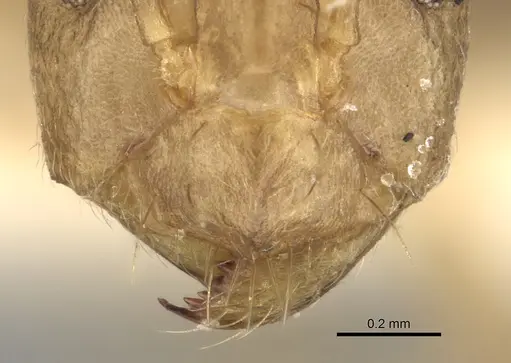
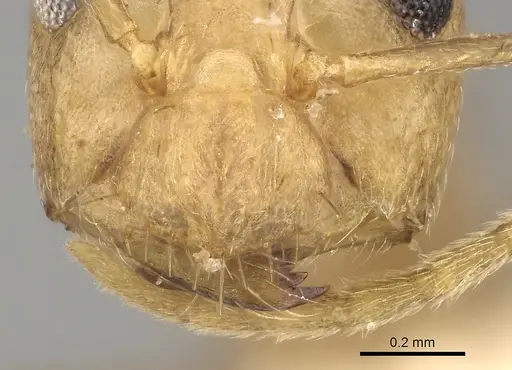
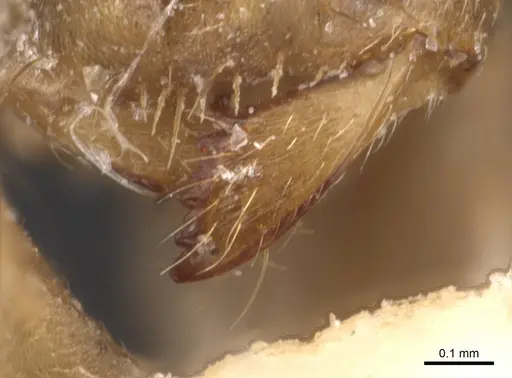
Workers are recognized by their tiny size, light brown to yellow coloration with darker gaster, and extremely long antennae that surpass the back of the head [2][1]. The mandibles have up to eight small teeth, and the head and middle body section show dense net-like sculpturing [1]. The eyes sit toward the back of the head and bulge outward [1].
Natural History and Habitat
The species comes from tropical rainforests in the Democratic Republic of the Congo [1][3]. Specimens have been recorded from the TO province [3]. As a rainforest species, they likely experience warm, stable temperatures year-round with high humidity [1].
No specific nesting habits have been documented. They may nest in soil, rotting wood, or leaf litter typical of rainforest floor habitats, but this is speculation based on habitat type rather than direct observation.
Housing and Escape Prevention
At just 3mm long, these ants pose an extreme escape risk. You must use barriers like Fluon or baby powder mixed with alcohol on all outworld surfaces, and ensure any ventilation mesh is fine enough to stop 1mm gaps [1]. Test tubes should be sealed with cotton or foam plugs that are checked regularly for gaps. Even tiny cracks in acrylic nests will allow escape.
Because their natural nesting habits are unknown, provide a variety of options: moist soil or plaster nests, small pieces of rotting wood, and tight spaces scaled to their tiny size. Avoid tall, open chambers that they might find stressful.
Feeding and Diet
No dietary studies exist for this species. Based on their small size, they likely feed on tiny prey such as springtails, fruit flies, or very small insect pieces [1]. They may also accept sugar water or honey water, but this is unconfirmed.
Offer protein sources twice weekly and sugar sources constantly, removing uneaten food promptly to prevent mold in the humid conditions they likely prefer. If the queen proves to be semi-claustral (needing to forage during founding), she will require food during the initial colony setup, but this behavior is unconfirmed.
Temperature and Care
Exact temperature requirements are unknown. Based on their rainforest habitat in the Democratic Republic of the Congo, start around 24-26°C and observe colony activity [1]. If workers cluster near a heat source, they may prefer warmer conditions, if they avoid warm areas, reduce the temperature.
Humidity should be kept high based on their rainforest origin, but exact levels are unknown. Keep the nest material moist but not waterlogged, with some slightly drier areas available [1]. Whether they require a dry season or diapause period is completely unknown, though tropical species often do not need winter rest.
Frequently Asked Questions
Can I keep Anoplolepis kohli in a test tube?
Founding behavior is unconfirmed for this species. If the queen is claustral (seals herself in), a test tube setup will work. If she is semi-claustral (needs to forage), she will need access to food and space to hunt. Start with a test tube but be prepared to offer food if she attempts to leave.
How long until Anoplolepis kohli first workers?
Unknown. No development data exists for this species. Based on typical tropical rainforest ants, development might take 4-8 weeks at 25°C, but this is purely an estimate.
Do Anoplolepis kohli need hibernation?
Unknown. They come from tropical rainforests in the Democratic Republic of the Congo, which typically do not have cold winters, so they likely do not require diapause. However, this is unconfirmed and seasonal rhythms in the wild are unknown.
What do Anoplolepis kohli eat?
Diet is unconfirmed. Based on their tiny size, offer very small prey like springtails, fruit flies, or pinhead crickets. They may also accept sugar water, but acceptance is experimental.
Are Anoplolepis kohli good for beginners?
No. The lack of captive care data, extremely small size creating escape risks, and unknown founding behavior make this an expert-only species.
How do I prevent Anoplolepis kohli from escaping?
Use Fluon or baby powder barriers on all outworld surfaces. Ensure ventilation mesh is extremely fine, standard mesh may be too large for these ants. Check all lid seals and tube connections regularly, as they can squeeze through gaps less than 1mm wide.
Can I keep multiple Anoplolepis kohli queens together?
Not recommended. Whether this species accepts multiple queens is unknown. Without evidence of polygyny (multiple queens), assume queens will fight and keep them separate.
Where do Anoplolepis kohli come from?
They are native to the Democratic Republic of the Congo, specifically recorded from rainforest habitats in the TO province.
Report an Issue
The current care sheet is based fully on literature. See inconsistencies, or something that's incorrect? Please , it will be resolved after review from an admin. Contributing to the blogs tab also helps providing information, to make us be able to further improve the caresheets. Thank you for your support!
References

Dit verzorgingsblad is gelicentieerd onder CC BY-SA 4.0 .
Community-blogs
CASENT0249635
Bekijk op AntWeb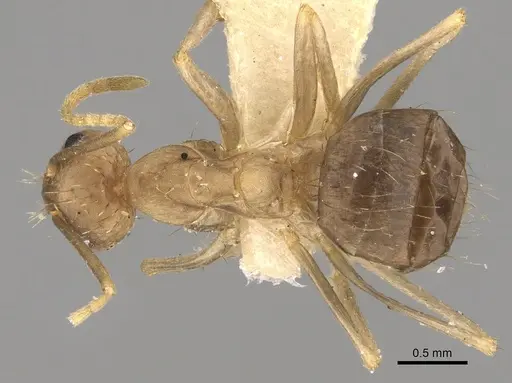
CASENT0281112
Bekijk op AntWeb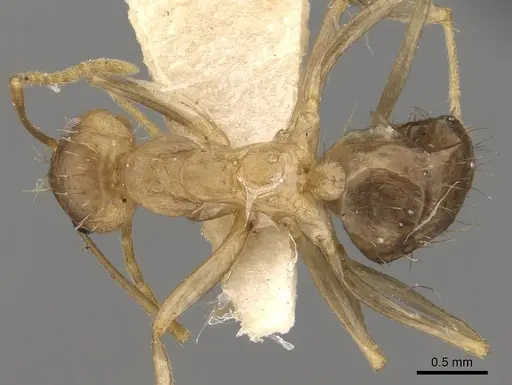
CASENT0907121
Bekijk op AntWeb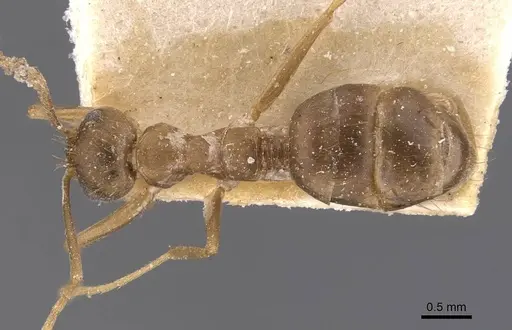
CASENT0907122
Bekijk op AntWeb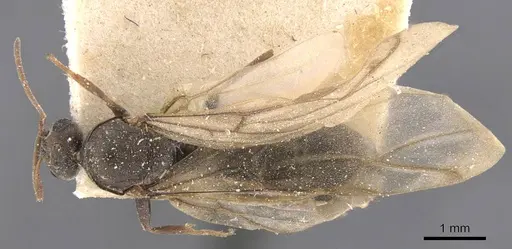
FOCOL2713
Bekijk op AntWeb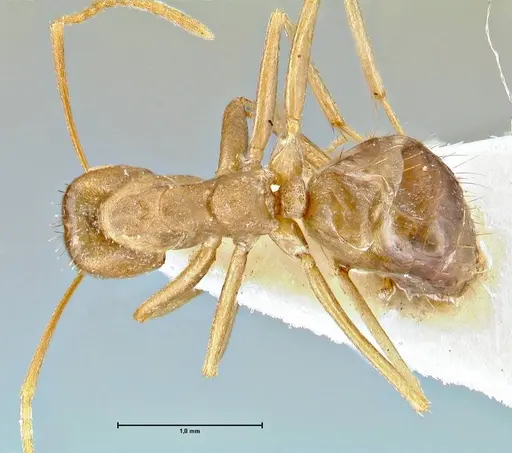
Literatuur
Verspreidingskaart laden...Producten laden...