
Anochetus ghilianii
- Wetenschappelijke naam
- Anochetus ghilianii
- Tribus
- Ponerini
- Subfamilie
- Ponerinae
- Auteur
- Spinola, 1851
- Verspreiding
- Gevonden in 2 landen
Introductie
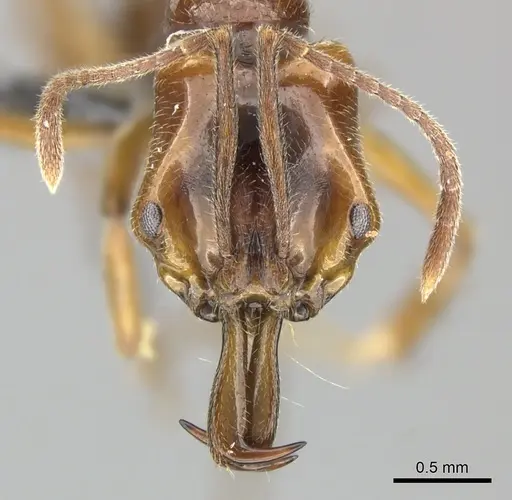
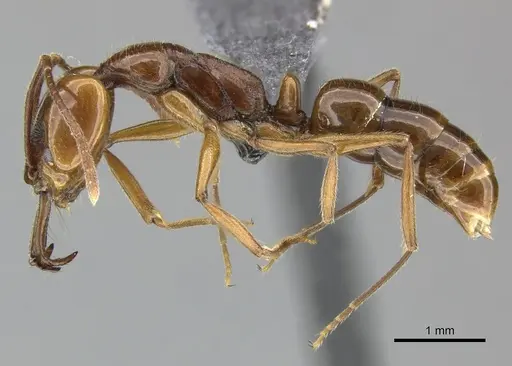
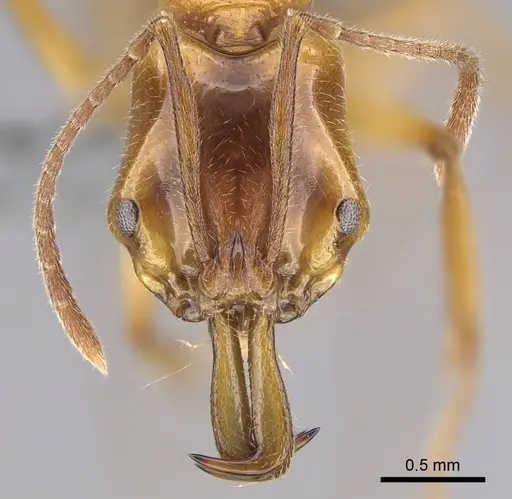
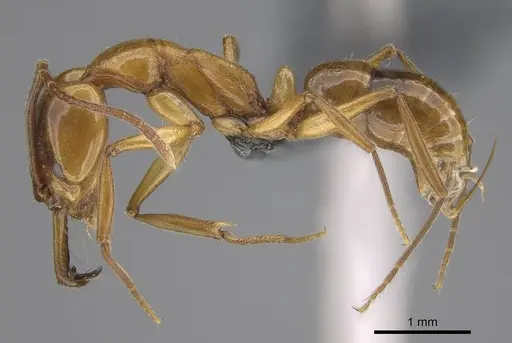
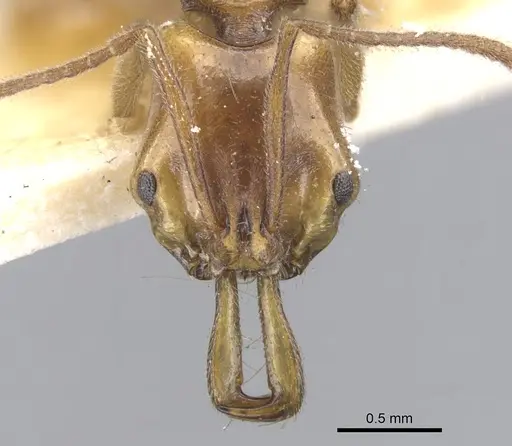
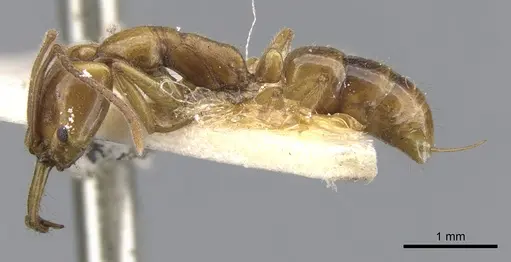
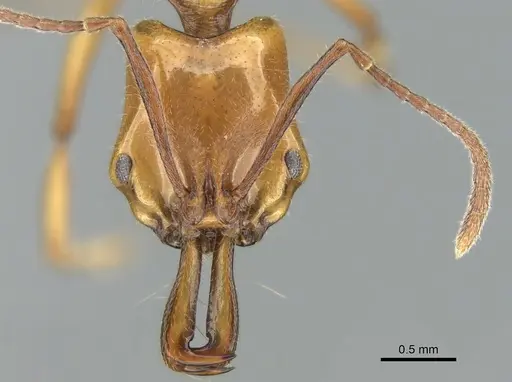
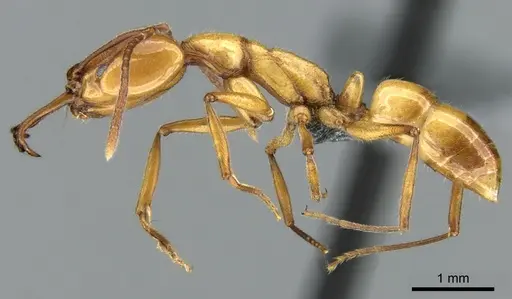
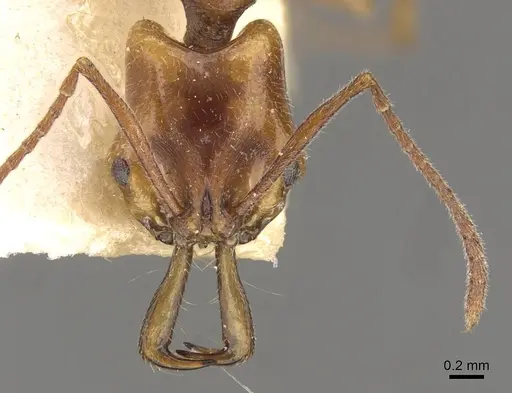
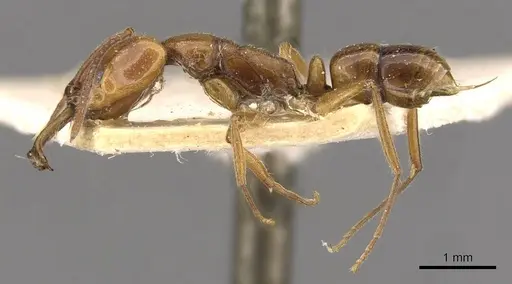
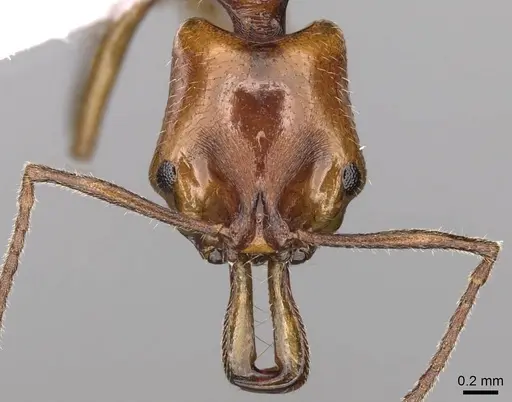
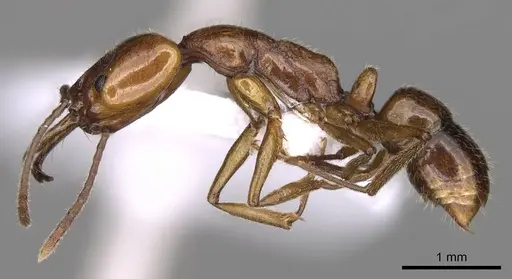
Anochetus ghilianii is the only trap-jaw ant from the genus Anochetus found in Europe, making it a unique rarity among Iberian ants. These small reddish-brown ants measure around 5-7 mm and are famous for their lightning-fast mandibles that snap shut to capture prey or catapult them backward several centimeters to escape danger . They live in tiny colonies of fewer than 100 workers, typically nesting under flat stones in the humid Mediterranean scrublands around the Strait of Gibraltar . Unlike most ants, their queens are completely wingless (ergatoid) and new colonies start through fission - meaning a queen must leave with a group of workers from her birth colony rather than founding alone . This, combined with their vulnerable conservation status in Spain, makes them one of the most challenging and restricted species for antkeepers to work with.
Quick Summary
- Difficulty: Expert
- Origin & Habitat: Mediterranean region around the Strait of Gibraltar (southern Spain, Gibraltar, northern Morocco, and recently Algeria), found under stones in humid scrubland (matorral), oak forests, and leaf litter from sea level to 1000m [3][5][6].
- Colony Type: Small single-queen colonies (likely monogyne but unconfirmed), reproduction occurs through colony fission where wingless queens leave with workers rather than founding alone [3][5][2].
- Size & Growth:
- Antkeeping:
- Temperature: 20-25°C (room temperature to warm), with a slight gradient, Mediterranean climate species that experiences mild seasonal variation [6][5].
- Humidity: High humidity required, keep nest substrate consistently moist to mimic humid soil conditions under stones [3][6].
- Diapause: No true cold diapause, annual life cycle without overwintering brood means they slow down in winter but do not require freezing temperatures [5].
- Nesting: Naturalistic setups with flat stones over moist soil, or Y-tong/plaster nests with very narrow, flat chambers that mimic spaces under rocks, avoid tall open spaces [3][4].
- Behavior: Predatory trap-jaw hunters that strike individually rather than recruiting nestmates, surprisingly peaceful toward foreign colonies unless separated by large distances, diurnal foragers, capable of jumping backward to escape threats [2][1][6].
- Common Issues: cannot be founded from a single queen, requires collecting a queen with 20-30 workers (fission founding) making captive acquisition nearly impossible without wild collection., listed as vulnerable in Spain with restricted distribution, collection may be illegal without permits and captive breeding is discouraged for conservation., small colony size means they are fragile and slow to recover from disturbances or environmental mistakes., high humidity needs combined with subterranean habits create mold risk without excellent ventilation., trap-jaw mechanism can cause injury if ants strike hard surfaces in small containers.
Nest Preferences and Setup
In nature, Anochetus ghilianii nests almost exclusively under flat stones, particularly large ones that retain moisture, or occasionally at the base of grass tussocks [3][6]. They prefer humid, shaded spots in open scrubland rather than deep forest soil. For captive colonies, recreate this by building a naturalistic setup with flat stones or slate tiles resting on a moist substrate mix of sand and coco fiber. Alternatively, use a Y-tong or plaster nest with very narrow, flat chambers (not tall vertical spaces) and keep one side consistently moist while allowing a slight gradient. The nest should feel like a tight crevice, these ants like to press against surfaces. Provide a thin outworld with leaf litter and stones for foraging, as they will hunt above ground [6].
Feeding and Diet
These are specialist predators that hunt small soil-dwelling arthropods. In the wild they capture termites, small beetles, and collembolans (springtails) using their trap-jaw mandibles [4][2]. In captivity, feed live prey appropriate to their small size: springtails, tiny termite workers, or small fruit flies. They may accept pre-killed insects if freshly killed, but live prey triggers their natural hunting behavior. While they have been observed feeding on liquids in artificial nests [4], sugar water and honey should be offered only as supplements, protein is essential. Feed small amounts frequently rather than large prey items, as they hunt individually and do not recruit nestmates to food sources [2].
Colony Founding - The Fission Challenge
This is the most critical aspect of keeping Anochetus ghilianii: you cannot start a colony from a single queen. Their queens are ergatoid (born without wings) and reproduce through colony fission, meaning a new queen must leave her birth nest accompanied by 20-30 workers to establish a new nest [3][5][6]. A queen alone cannot found a colony, she lacks the fat reserves for claustral founding and depends on workers for survival. Nuptial flights occur in autumn [5]. This means captive colonies must be collected as complete units (queen + workers) from the wild, which is extremely difficult and potentially illegal given their protected status. Do not attempt to raise these from a lone queen, she will die. If you acquire a colony, maintain the worker group intact and avoid separating the queen from her workers.
Temperature and Seasonal Care
Native to the Mediterranean climate around Gibraltar, these ants experience mild winters and warm summers. Keep them at room temperature (20-25°C) with a gentle heat gradient. They show an annual life cycle without overwintering brood, meaning they do not require a strict cold diapause but will slow down during winter months [5]. Providing a cooler period (15-18°C) during winter months mimics their natural cycle and is recommended. In Morocco they tolerate elevations up to 1000m in oak forests, showing some flexibility, but avoid high heat above 28°C [3][5]. Monitor humidity closely, they need moist conditions but not waterlogged substrate.
Behavior and Temperament
Anochetus ghilianii possesses the famous trap-jaw mechanism, their long mandibles can snap shut in milliseconds, either impaling prey or striking the ground to launch the ant backward several centimeters to escape danger [1][2]. Despite this defensive capability, they show remarkably low aggression toward other colonies of the same species, with studies showing over 80% of encounters between colonies result in peaceful interactions or avoidance rather than fighting [2]. They are diurnal hunters that forage individually rather than using trail recruitment. Workers capture prey alone and do not share food sources communally. When threatened by opponents, they may perform submission rituals (lying on their back) or use their trap-jaw to catapult away [2].
Conservation and Legal Considerations
Anochetus ghilianii is classified as Vulnerable in Spain due to its extremely restricted range of less than 1,500 km² and fewer than 10 known localities [7][3]. Major threats include urban development near their coastal habitats. In Spain, they are protected and collection requires permits. Even in Morocco and Algeria, removing colonies from the wild should be avoided due to their rarity and the ecological impact. Captive breeding is discouraged because the species cannot be ethically sourced without wild collection (due to fission founding), and their small population size makes every colony valuable for wild survival. If encountered in the field, observe and photograph but do not collect.
Frequently Asked Questions
Can I keep Anochetus ghilianii in a test tube?
No. Test tubes do not provide the stone-crevice environment they need. They require flat, narrow chambers under stones or in naturalistic setups with heavy objects pressing down on moist substrate.
How do I start an Anochetus ghilianii colony from a queen?
You cannot. These ants have wingless queens that reproduce by colony fission, meaning the queen must start with 20-30 workers from her original colony. Single queens will die. You would need to collect an entire colony from the wild, which is illegal without permits in Spain and ecologically harmful.
What do Anochetus ghilianii eat?
Small live prey such as springtails, termites, and tiny beetles. They are individual hunters that use their trap-jaw mandibles to strike prey. Offer protein regularly, sugar sources are optional supplements.
Do Anochetus ghilianii need hibernation?
No true cold diapause. They have an annual life cycle without overwintering brood, meaning they slow down in winter but do not require deep freezing. A cooler period of 15-18°C during winter months mimics their natural cycle and is recommended.
Are Anochetus ghilianii dangerous?
No. Despite having trap-jaw mandibles that can snap shut rapidly and a stinger, they are small (5-7mm) and not aggressive toward humans. Their trap-jaw is used for hunting tiny prey and jumping away from danger, not for defense against large animals.
How big do Anochetus ghilianii colonies get?
Very small, up to 100 workers, usually around 20-30 individuals. They grow slowly and remain small even when mature.
Can I keep multiple Anochetus ghilianii queens together?
Not recommended. Colonies are likely monogynous (single queen) and reproduce by fission. While they show low aggression toward foreign workers, housing multiple queens together risks fighting or stress.
Why are my Anochetus ghilianii workers dying?
Common causes include incorrect founding method (trying to raise a lone queen), insufficient humidity, or mold from poor ventilation. These are fragile, small colonies that do not tolerate disturbance well.
Report an Issue
The current care sheet is based fully on literature. See inconsistencies, or something that's incorrect? Please , it will be resolved after review from an admin. Contributing to the blogs tab also helps providing information, to make us be able to further improve the caresheets. Thank you for your support!
References

Dit verzorgingsblad is gelicentieerd onder CC BY-SA 4.0 .
Community-blogs
CASENT0270572
Bekijk op AntWeb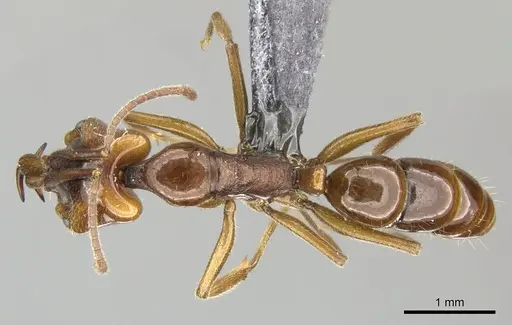
CASENT0270573
Bekijk op AntWeb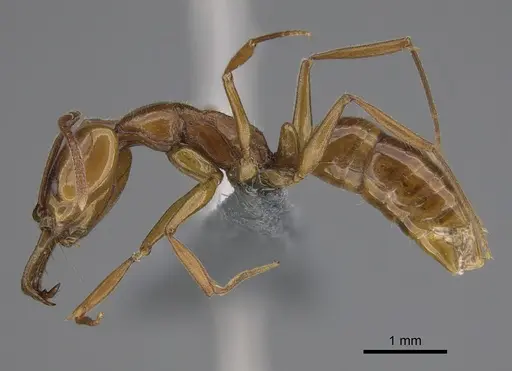
CASENT0270574
Bekijk op AntWeb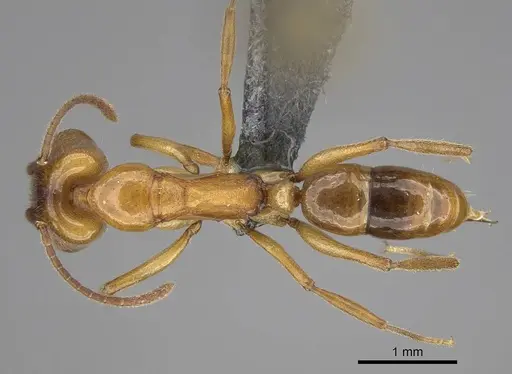
CASENT0902459
Bekijk op AntWeb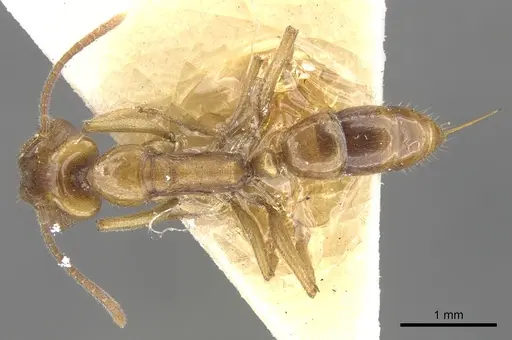
CASENT0906625
Bekijk op AntWeb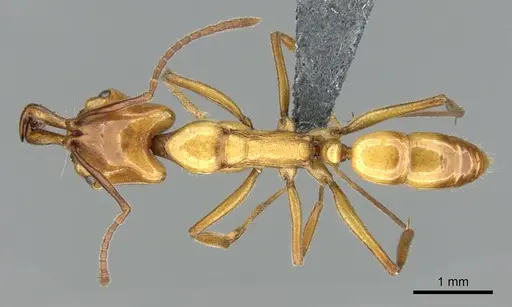
CASENT0907417
Bekijk op AntWeb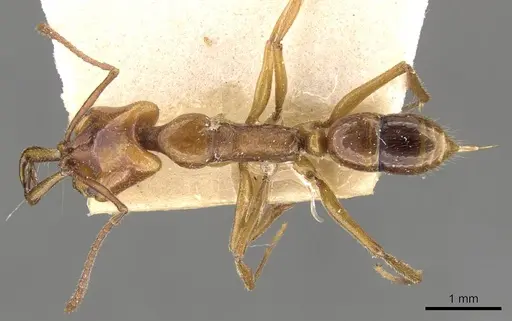
CASENT0914582
Bekijk op AntWeb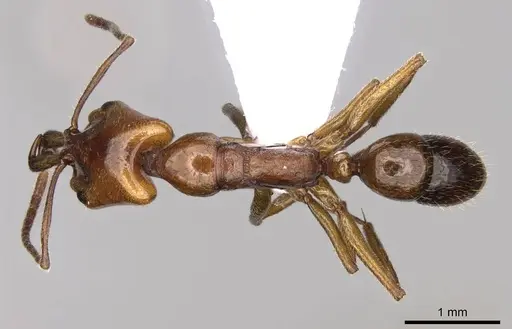
Literatuur
Verspreidingskaart laden...Producten laden...