
Aenictus soudanicus
- Wetenschappelijke naam
- Aenictus soudanicus
- Subfamilie
- Dorylinae
- Auteur
- Santschi, 1910
- Verspreiding
- Gevonden in 0 landen
Introductie
Aenictus soudanicus is an African army ant known from male specimens collected in Sudan and surrounding West African regions . The species occurs across the Sahel and into Central Africa, with confirmed records from Senegal, Mali, Sudan, and the Democratic Republic of Congo . As a member of the Dorylinae subfamily, they display typical army ant behavior: constant colony movement, mass predatory raids, and no permanent nest . This nomadic lifestyle makes them fundamentally unsuitable for captive keeping.
Quick Summary
- Difficulty: Expert, Not feasible for standard captive keeping
- Origin & Habitat: Afrotropical region: Senegal, Mali, Sudan, and Democratic Republic of Congo [1][2][3]. Likely inhabits tropical savanna and woodland areas, though specific habitat preferences are unrecorded.
- Colony Type: Unknown, army ants typically form single-queen colonies, but social structure is unconfirmed for this species.
- Size & Growth:
- Queen: Size data unavailable, no described queens in available literature.
- Worker: Size data unavailable, workers have not been described, the only known specimen is a male measuring approximately 5.5mm [1].
- Colony: Unknown, Aenictus colonies typically contain thousands of workers, but specific counts for this species are unrecorded.
- Growth: Unknown
- Development: Unknown, development timelines are unrecorded for this species. (No development data exists. Tropical army ants generally develop faster than temperate species, but specific timelines for A. soudanicus are unconfirmed.)
- Antkeeping:
- Temperature: Likely requires warm conditions roughly 24-28°C based on Afrotropical distribution, but specific requirements are unconfirmed.
- Humidity: Unknown, likely moderate to high humidity based on Afrotropical distribution.
- Diapause: Unlikely, tropical distribution suggests no winter rest required, but specific seasonal biology is unrecorded.
- Nesting: No permanent nest, nomadic army ants require constant movement and cannot be housed in standard formicaria.
- Behavior: Nomadic army ant behavior is inferred from genus patterns [3]. Colonies constantly relocate and conduct mass raids on other ant colonies and small arthropods. Escape risk is high due to small colony members and constant movement.
- Common Issues: standard nests are completely unsuitable for nomadic army ants that require constant colony movement., massive food requirements exceed what typical captive setups can provide., captive care protocols are undeveloped and survival in captivity is unlikely., tiny size combined with nomadic behavior creates high escape risks.
Distribution and Taxonomy
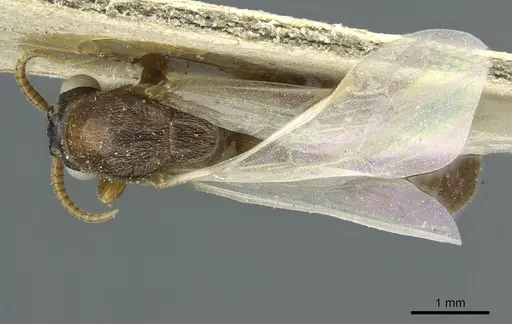
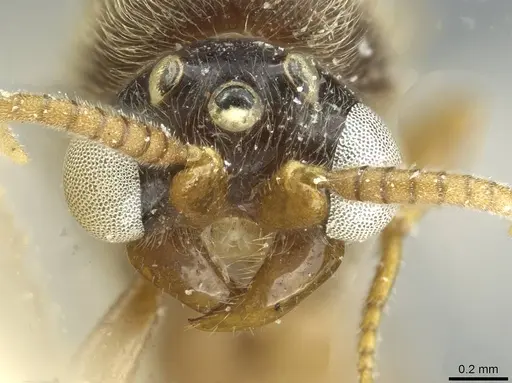
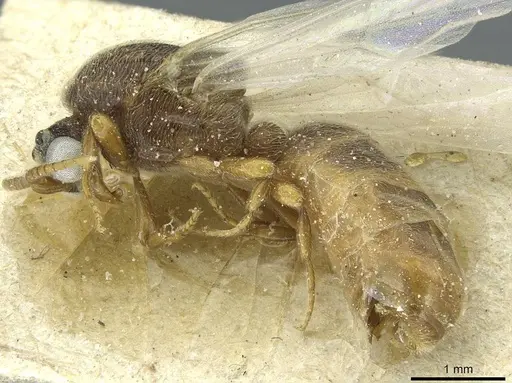
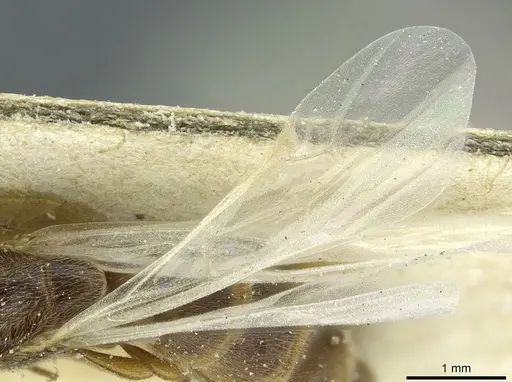
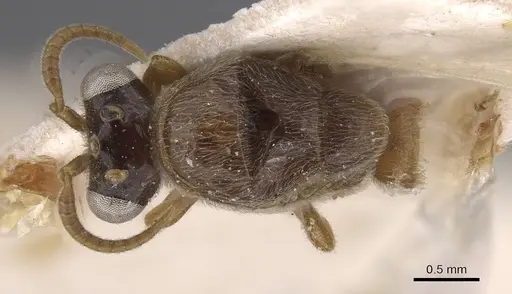
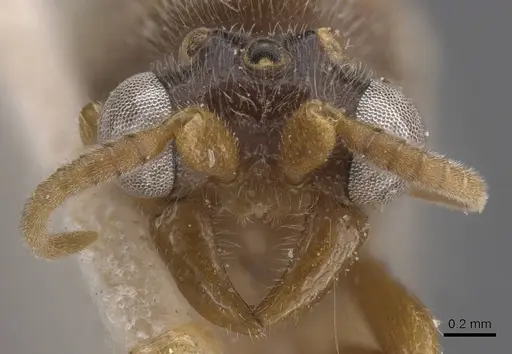
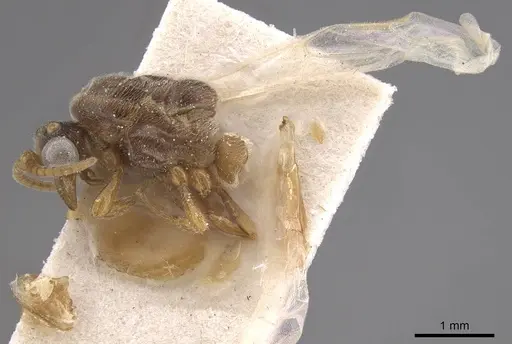
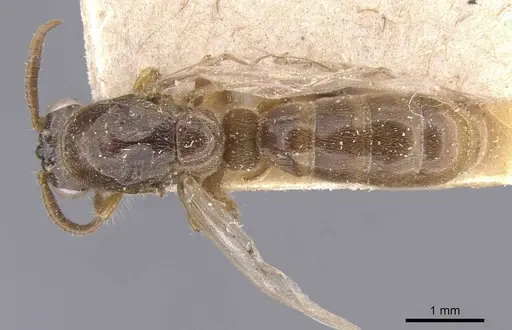
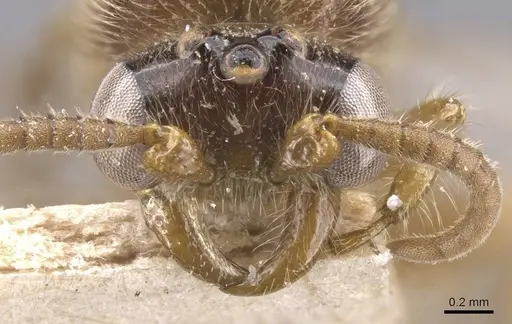
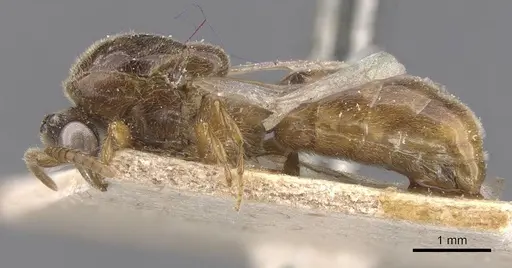
Aenictus soudanicus was described by Santschi in 1910 from a single male specimen collected at Toukola in Sudan during April 1903 [1]. The male measures approximately 5.5mm with distinctive coloration: thorax brownish-yellow, head blackish, and mandibles and legs yellowish-reddish [1]. The species has been recorded in the Democratic Republic of Congo and is listed from Senegal and Mali [2][3]. This Afrotropical distribution spans the Sahel region into Central African woodlands. The nominal subspecies Aenictus soudanicus brunneus is recognized alongside the nominal form [3].
Army Ant Biology and Natural History
As a member of the genus Aenictus, this species likely exhibits the army ant syndrome: nomadic behavior with no permanent nest, mass predatory raids, and frequent colony relocation [3]. Unlike ants that establish permanent nests in soil or wood, army ants form temporary bivouacs using their own bodies to house the queen and brood. They are specialized predators, primarily hunting other ants and small arthropods. This biology makes them very different from typical ant-keeping subjects and requires specialized knowledge and facilities far beyond standard hobbyist setups.
Captive Keeping Feasibility
Aenictus soudanicus is not recommended for captive keeping. The nomadic lifestyle requires constant colony movement that cannot be provided in test tubes, formicaria, or typical naturalistic setups. Army ants require large foraging spaces to conduct their raids and obtain sufficient food. Additionally, the lack of basic biological data, including worker size, colony founding behavior, and development timelines, means there are no established protocols for maintaining colonies. Only specialized research facilities with extensive resources might attempt maintenance, and even then success is uncertain.
Frequently Asked Questions
Can I keep Aenictus soudanicus in a test tube or formicarium?
No. As nomadic army ants, they require constant colony movement and large foraging spaces impossible to provide in test tubes or standard formicaria. They are not suitable for captive keeping.
What do Aenictus soudanicus eat?
They are specialized predators. Based on typical Aenictus behavior, they raid other ant colonies and small arthropods, but specific dietary preferences for this species are unstudied.
How long does Aenictus soudanicus take from egg to worker?
Unknown. Development timelines are unconfirmed for this species.
Do Aenictus soudanicus need hibernation?
Unlikely. As a tropical species from Sudan and surrounding regions, they likely do not require hibernation, but specific seasonal biology is unrecorded.
Where is Aenictus soudanicus found?
They occur in the Afrotropical region: Sudan, Senegal, Mali, and the Democratic Republic of Congo.
How big do Aenictus soudanicus colonies get?
Unknown for this specific species. Aenictus colonies typically contain thousands of workers, but exact counts for A. soudanicus are unrecorded.
Can I keep multiple Aenictus soudanicus queens together?
Unknown. Army ants typically have single-queen colonies, but colony social structure for this species is unconfirmed.
Report an Issue
The current care sheet is based fully on literature. See inconsistencies, or something that's incorrect? Please , it will be resolved after review from an admin. Contributing to the blogs tab also helps providing information, to make us be able to further improve the caresheets. Thank you for your support!
References

Dit verzorgingsblad is gelicentieerd onder CC BY-SA 4.0 .
Community-blogs
Literatuur
Verspreidingskaart laden...Producten laden...