
Vollenhovia satoi
- 学名
- Vollenhovia satoi
- 族
- Crematogastrini
- 亜科
- Myrmicinae
- 命名者
- Santschi, 1937
- 分布
- 0 か国で発見
紹介
Vollenhovia satoi is a tiny myrmicine ant described from Taiwan. Workers are among the smallest in the ant world, size data is unavailable from published literature, but they are definitely under 3 mm. The species is characterized by a deeply incised metanotal groove across the middle of the body . Queens were described alongside workers in the original 1937 description by Santschi . Because it belongs to the tribe Crematogastrini, it uses a modified spatulate stinger to smear venom onto enemies rather than piercing them. This species remains poorly studied, with almost no ecological or behavioral research published. What we know comes mainly from taxonomic descriptions.
Quick Summary
- Difficulty: Unknown, species too poorly studied to assess
- Origin & Habitat: Endemic to Taiwan in the Indomalaya Region [2][1]. Specific habitat preferences are unconfirmed.
- Colony Type: Unconfirmed, colony structure (single-queen vs multi-queen) has not been documented.
- Size & Growth:
- Queen: Size data unavailable.
- Worker: Size data unavailable (only described as tiny, e.g., under 3 mm).
- Colony: Unknown, no colony size data available.
- Growth: Unknown
- Development: Unknown, no development data exists for this species. (No direct measurements exist. Small myrmicines may develop faster than larger species, but this is an inference, not confirmed data.)
- Antkeeping:
- Temperature: Likely 20-26°C based on Taiwan's subtropical lowland climate. Start in the mid-20s and observe colony activity.
- Humidity: Presumably moderate to high, Taiwan has a humid subtropical climate. Keep nest substrate lightly moist but not waterlogged.
- Diapause: Unknown, no data on overwintering requirements. Taiwan experiences mild winters, so true diapause may not be necessary.
- Nesting: Unknown natural nesting preferences. Most Vollenhovia species are subterranean or nest in soil/debris. A test tube setup with moist substrate is a reasonable starting point.
- Behavior: Behavior is undocumented in scientific literature. As a member of Crematogastrini, its primary defense is smearing venom via a modified stinger. Their tiny size (under 3 mm) makes escape prevention critical, they can squeeze through standard mesh barriers.
- Common Issues: lack of species-specific care information makes proper husbandry difficult, tiny size creates extreme escape risk, standard test tube setups need fine mesh barriers, no data on acceptable foods, keepers must experiment cautiously, unknown colony growth dynamics, patience required, no information on hibernation or seasonal requirements
Species Overview and Identification
Vollenhovia satoi is a rarely encountered ant species native to Taiwan. The genus Vollenhovia belongs to the subfamily Myrmicinae and tribe Crematogastrini. Workers are tiny (size data unavailable from published sources), making them among the smallest ants kept in captivity. The most distinctive morphological feature is the deeply incised metanotal groove, a clear groove crossing the dorsal surface of the mesosoma [1]. This feature is visible under magnification and helps distinguish them from other tiny Myrmicines. Queens were described in the original 1937 description by Santschi, but no detailed measurements or ecological data have been published since [2]. Because they belong to Crematogastrini, they possess a modified spatulate stinger used to smear venom onto enemies rather than piercing them.
Natural History and Distribution
This species is endemic to Taiwan. It was first described by Santschi in 1937 from Taiwanese specimens [1]. Beyond the original taxonomic description, virtually no ecological or behavioral research has been published on V. satoi. We don't know their natural habitat preferences, nesting sites, diet, or seasonal behaviors. Taiwan's climate is humid subtropical with warm temperatures year-round in the lowlands, suggesting the species likely prefers stable, warm, moderately humid conditions. The lack of published research means much of what we understand comes from inference rather than direct observation.
Housing and Nesting
Since no specific nesting data exists, use standard small ant housing. A test tube setup works well for founding colonies, use a small test tube with a water reservoir at one end, stopped with cotton. The tiny worker size (under 3 mm) means escape prevention is critical. Standard cotton plugs may be too loose, consider using fine mesh or tightly compressed cotton. Once the colony outgrows the test tube, a small Ytong (AAC) or plaster nest with appropriately scaled chambers would be suitable. Keep the nest substrate lightly moist, these ants are likely subterranean and prefer some moisture. Avoid letting the nest dry out completely, but also avoid waterlogging.
Feeding and Diet
The natural diet of V. satoi is completely unstudied. As a tiny Myrmicine, they likely function as generalist scavengers or opportunists, similar to most small ants in this subfamily. In captivity, offer a variety of small foods: sugar water or diluted honey (a few drops on a tiny piece of cotton or sponge), tiny live prey like springtails or fruit flies, and small protein sources like pieces of mealworm or bloodworm. Start with very small amounts and observe what gets consumed. Remove uneaten food after 24-48 hours to prevent mold. Given their tiny size, even small prey items may be too large initially, consider crushing insects into smaller pieces.
Temperature and Seasonal Care
No specific temperature requirements have been documented for this species. Since they originate from Taiwan (a subtropical island), they likely prefer temperatures in the 20-26°C range with minimal fluctuations. Start around 24°C and observe colony behavior, if workers become sluggish, slightly warmer temperatures may help, if they avoid certain areas of the nest, they may be too warm. Regarding hibernation: Taiwan's winters are mild (rarely below 10°C in lowlands), so this species may not require true diapause. However, no research exists on seasonal requirements. Many keepers reduce feeding and lower temperatures slightly (by 3-5°C) during winter months to mimic natural cycles, even for tropical species. Monitor your colony for signs of stress.
Behavior and Colony Dynamics
Specific behavioral observations for V. satoi do not exist in scientific literature. Based on their tiny size and genus placement, they are likely secretive and subterranean. Their primary defense mechanism, shared with other Crematogastrini, involves a modified spatulate stinger used to smear venom onto enemies rather than piercing them. Because of their small size, the venom smear is unlikely to affect humans. Colony dynamics, including queen number and colony size, are completely unknown. The deeply incised metanotal groove suggests some specialized morphology, but its function hasn't been studied. [1]
Frequently Asked Questions
How long does it take for Vollenhovia satoi to go from egg to worker?
The egg-to-worker development time is completely unconfirmed for this species. No scientific research has documented their development timeline. Based on typical Myrmicinae patterns and their very small worker size, estimates suggest 4-8 weeks at optimal warm temperatures (around 24-26°C), but this is purely speculative rather than based on documented evidence [1].
What do Vollenhovia satoi ants eat?
Their natural diet is completely unstudied. Based on typical small Myrmicine behavior, they likely scavenge and forage for small insects, honeydew, and organic matter. In captivity, offer sugar water or honey for carbohydrates, and small live prey like springtails or fruit flies for protein. Start with tiny amounts and remove uneaten food within 24-48 hours.
Are Vollenhovia satoi good for beginners?
No. This species cannot be recommended for beginners due to the complete lack of species-specific care information. Without documented husbandry guidelines, successful keeping requires extensive experience or willingness to experiment. Their tiny size also creates significant escape prevention challenges. Start with better-documented species like Lasius, Tetramorium, or Camponotus before attempting this poorly studied species.
Do Vollenhovia satoi ants sting?
As members of tribe Crematogastrini, they possess a modified spatulate stinger that does not pierce skin, instead, they smear venom onto enemies. Given their extremely small size (under 3 mm), the venom application would be negligible to humans. No documented stings or pain reports exist, but the smearing capability is present based on their taxonomic placement.
How big do Vollenhovia satoi colonies get?
Colony size is unconfirmed, no scientific literature documents maximum colony sizes for this species. Based on typical patterns for tiny Myrmicine ants, colonies likely reach a few hundred workers at most, possibly under 100. Small worker size typically correlates with smaller maximum colony sizes compared to large ant species.
What temperature should I keep Vollenhovia satoi at?
No specific requirements exist. Based on their Taiwan origin (subtropical climate), aim for temperatures in the 20-26°C range, with 24°C being a reasonable starting point. Observe your colony's activity levels and adjust slightly up or down based on their behavior. Avoid temperature extremes.
Do Vollenhovia satoi need hibernation?
Hibernation requirements are completely unknown for this species. Taiwan has mild winters, so true diapause may not be necessary. Many keepers reduce temperatures slightly (by 3-5°C) during winter months even for tropical species, but this is not confirmed as required for V. satoi. Monitor your colony for signs of stress during any temperature changes.
Can I keep multiple Vollenhovia satoi queens together?
Colony structure (monogyne vs polygyne) has not been documented for this species. Combining unrelated queens is not recommended given the lack of information. If you obtain a wild-caught colony, observe carefully for queen numbers and any aggressive interactions.
Why are my Vollenhovia satoi escaping?
Their tiny size (under 3 mm) means they can squeeze through gaps that larger ants cannot. Standard cotton plugs, lid seams, and even some mesh sizes may not contain them. Use fine mesh (≤ 0.5 mm), ensure all lid connections are tight, and consider double-barrier systems. Check for gaps even in seemingly sealed containers.
Report an Issue
The current care sheet is based fully on literature. See inconsistencies, or something that's incorrect? Please , it will be resolved after review from an admin. Contributing to the blogs tab also helps providing information, to make us be able to further improve the caresheets. Thank you for your support!
References

この飼育シートのライセンスは: CC BY-SA 4.0 .
コミュニティブログ
CASENT0913026
AntWebで見る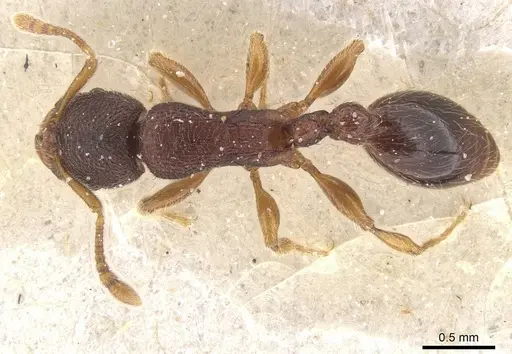
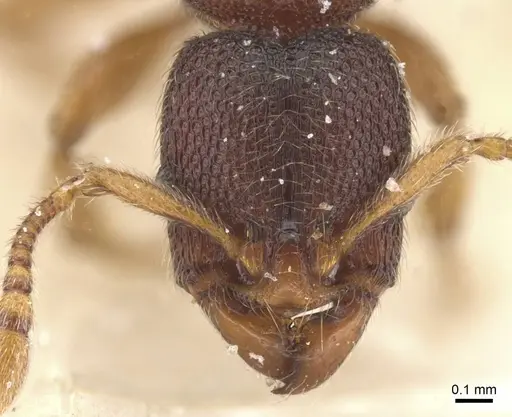
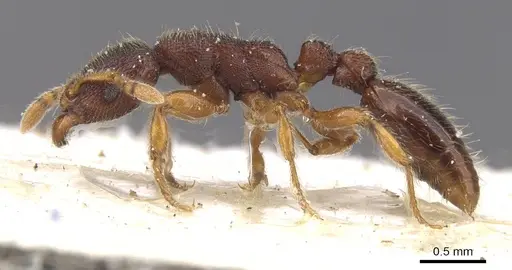
文献
分布マップを読み込み中...製品情報を読み込み中...